A water bath is perfect when you need consistent, gentle heat for delicate samples, like biological tissues or melted chocolate, or when ultra-precise temperature control is essential. It guarantees even heating and protects heat-sensitive items from direct flame or high temperatures. However, it’s overkill for quick, low-temperature tasks or when things can simply handle direct heat. Want to find out more about when to use or skip a water bath? Keep exploring for detailed insights.

Get kitchen gear delivered free with Prime
- Fast, free delivery on millions of items
- Prime Video, Amazon Music and more included
- Member-only deals all year
Key Takeaways
- Water baths are ideal for uniform and gentle heating of sensitive samples or dishes requiring precise temperature control.
- They are overkill for quick, low-temperature tasks or when direct heat is sufficient and safe.
- Use a water bath when avoiding temperature fluctuations is critical for process accuracy.
- Avoid water baths for robust items that can withstand direct heat or do not need precise temperature regulation.
- Proper maintenance and water level management are essential to ensure safety and effectiveness when using a water bath.
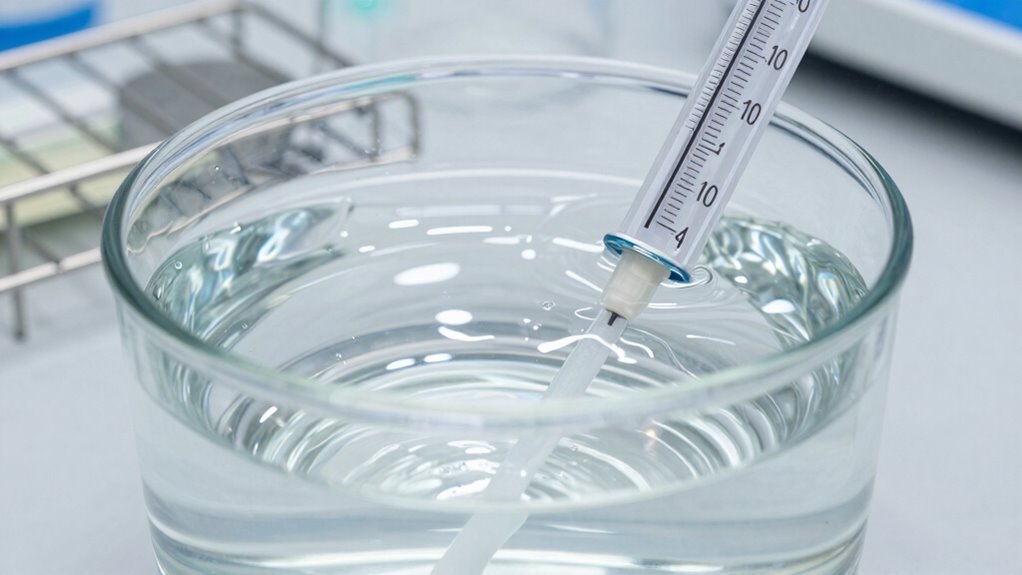
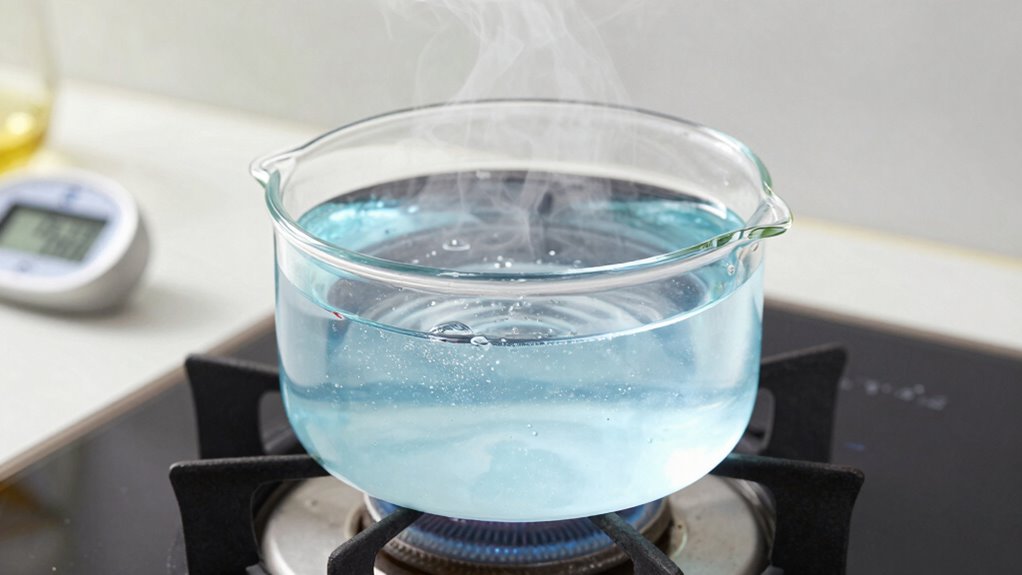
Have you ever wondered how to gently heat delicate items without risking damage? A water bath might be your answer. It’s an effective way to maintain a consistent temperature, especially when working with sensitive samples or materials. The key to success with a water bath lies in precise temperature control and ensuring equipment safety. When you set the right temperature, you avoid overheating your samples, which could compromise their integrity. Many models come with digital controls that allow you to dial in the exact temperature you need, giving you confidence that your items are being heated evenly and safely. Proper temperature control isn’t just about accuracy; it’s also about preventing accidents or damage caused by overheating. This is particularly critical in laboratory or culinary settings, where precise conditions are essential for accurate results or safe food preparation. Using a water bath also helps prevent uneven heating, ensuring consistent results across your samples or dishes. Equipment safety is another vital aspect. When you’re using a water bath, ensure that your device is in good condition, with no cracks or leaks that could cause malfunctions. Always follow the manufacturer’s instructions to prevent electrical hazards or water spills. Using a water bath with a lid can help minimize splashes and evaporation, keeping your workspace tidy and safe. Regular maintenance, such as cleaning and checking for wear, extends the lifespan of your equipment and reduces the risk of accidents. If your water bath has a built-in safety shut-off feature, make sure it’s functioning properly—this feature automatically turns off the device if it detects overheating or other issues, preventing potential hazards. Additionally, understanding temperature stability can help you better gauge the effectiveness of your water bath and ensure optimal performance. Moreover, understanding the thermal conductivity of your materials can influence how effectively they heat in a water bath. Properly maintaining the water level is also crucial, as insufficient water can lead to uneven heating or damage to the device. Maintaining the correct water level ensures even heat distribution and prevents damage to your equipment. While water baths are incredibly useful for specific applications, they aren’t always necessary. For instance, if you only need to heat something briefly or at a low temperature, a simple double boiler or hot water setup might suffice. Overkill occurs when you rely on a water bath for tasks that don’t require such precise control, wasting time, effort, and energy. Use a water bath when you need uniform heating, gentle temperature regulation, or when working with heat-sensitive materials. It’s overkill when you’re dealing with robust items that can withstand direct heat or when the temperature requirements are minimal. Knowing when and how to use a water bath effectively ensures you get the benefits of temperature control and equipment safety without overcomplicating your process.
digital water bath with precise temperature control
As an affiliate, we earn on qualifying purchases.
As an affiliate, we earn on qualifying purchases.
Frequently Asked Questions
Can I Use a Regular Oven Instead of a Water Bath?
You can’t directly substitute a regular oven for a water bath, as they serve different purposes. An oven replacement isn’t recommended for delicate custards or cheesecakes that need gentle, even heat. Instead, consider alternative techniques like baking in a water bath or using a slow cooker for similar results. These methods help prevent cracking and guarantee smooth, creamy textures, which an oven alone can’t reliably achieve.
What Are the Best Materials for a Water Bath Container?
Think of your water bath container as the heart of your precision. The best materials for it are ones with excellent heat conduction, like stainless steel or tempered glass, which guarantee even heat distribution. If you’re exploring alternative materials, consider copper or aluminum—they conduct heat well, but might require extra care to prevent reactions or corrosion. Choose wisely to keep your process steady and your results flawless.
How Do I Prevent Water From Splashing Into My Food?
To prevent water from splashing into your food, use a splash prevention method like covering the water bath with a lid or plastic wrap. You can also place a damp cloth around the container’s rim for added insulation and stability. Additionally, make sure your container has a snug-fitting lid and avoid overfilling it. Proper container insulation and careful handling will keep water away from your food, maintaining cleanliness and safety.
Is a Water Bath Suitable for All Types of Desserts?
A water bath isn’t suitable for all desserts, especially those requiring delicate textures like custards or precise tempering like chocolate. When you need a smooth custard consistency or perfect chocolate tempering, a water bath provides gentle, even heat, preventing scorching or cracking. However, for recipes needing quick baking or firmer textures, using a water bath might be overkill and could alter the final result.
How Do I Clean and Maintain My Water Bath Equipment?
Think of your water bath as a delicate dance partner—you need to keep it clean and well-maintained. To do this, regularly wipe down the equipment, guaranteeing proper sanitization, and change the water often to prevent bacteria buildup. Also, check the temperature control settings to guarantee accurate results. By keeping your water bath spotless and calibrated, you’ll extend its life and maintain perfect dessert consistency every time.
laboratory water bath for biological samples
As an affiliate, we earn on qualifying purchases.
As an affiliate, we earn on qualifying purchases.
Conclusion
Understanding when to use a water bath can elevate your cooking and baking results. Did you know that in professional kitchens, 80% of delicate desserts like custards and cheesecakes rely on water baths for perfect texture? By mastering when it helps—and when it’s overkill—you’ll avoid common pitfalls and achieve consistently better dishes. So, next time you’re in the kitchen, remember: a simple water bath can make all the difference in your culinary success.
culinary water bath for sous vide cooking
As an affiliate, we earn on qualifying purchases.
As an affiliate, we earn on qualifying purchases.
As an affiliate, we earn on qualifying purchases.
Fall Picks
fall essentials
As an affiliate, we earn on qualifying purchases.