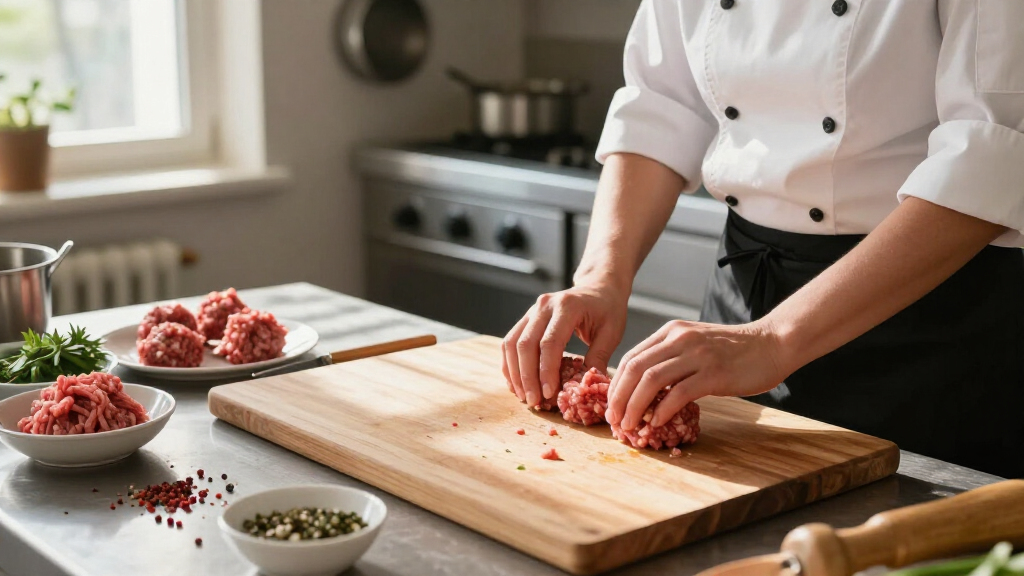
A deeper look at why resting food improves texture reveals surprising benefits beyond just juiciness that you won’t want to miss.
Browsing Category
Cooking Science
19 posts
The Breading “Glue” Secret: How to Make Coatings Stick
Aiming for perfect, durable coatings? Discover the essential “glue” secrets that will transform your breading technique and ensure it never slips away.
Why Frozen Foods Brown Faster (And How to Prevent Burnt Spots)
Narrowing the cause of frozen foods browning faster reveals essential tips to prevent burnt spots and achieve perfect results.
The Two-Temperature Method: Why Low-Then-High Makes Food Better
Discover how the two-temperature method transforms your cooking by balancing tenderness and flavor, and learn why starting low then finishing high makes all the difference.
Why Sugar Burns Fast: Preventing Burnt Glazes and Sauces
An understanding of sugar’s low smoke point and uneven heating reveals how to prevent burnt glazes and sauces, ensuring perfect results every time.
Oil Smoke Points Explained for Air Fryer Cooking
Oil smoke points explained for air fryer cooking: optimize your frying, avoid smoke, and discover how to choose the best oils for perfect results.
How Airflow Changes Cooking: The Real Reason Spacing Matters
Oxygen flow and proper spacing are key to even cooking, but the full impact on flavor and texture might surprise you.
Starch Gelatinization 101: How Potatoes Go From Raw to Fluffy
Want to understand how heat transforms potatoes from firm to fluffy? Discover the science behind starch gelatinization and perfect your cooking skills.
The “Steam Trap” Mistake: How Covered Food Ruins Crispiness
Behind covering fried or baked foods too early lies a common mistake that can ruin crispiness—find out how to keep your dishes perfectly crunchy.
Why Your Vegetables Burn Before They Soften (The Heat Transfer Explanation)
A common cause of burnt vegetables before softening lies in uneven heat transfer; discover how to prevent this and cook perfectly tender veggies.