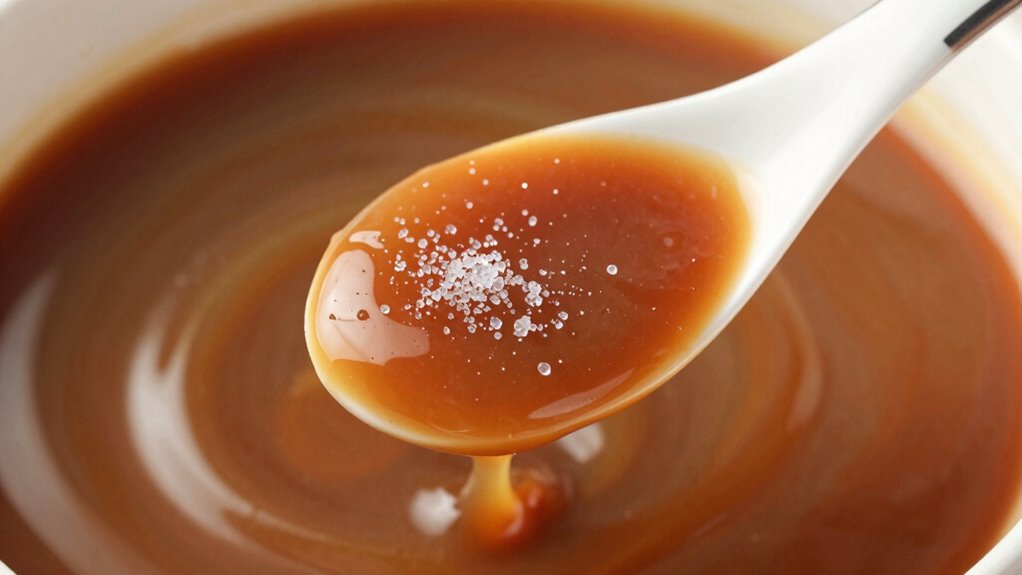

Adding just one extra spoon of sugar can profoundly change your food’s texture because even small increases affect crystal formation and mouthfeel. More sugar encourages larger crystals, making candies grainy or baked goods denser. It also influences how the product cools and stabilizes, impacting overall structure. By understanding how sugar concentration impacts crystallization and perception, you can control texture better. Keep exploring how these subtle adjustments make a big difference in your culinary results.

Get kitchen gear delivered free — and shop member deals
- Fast, free delivery on millions of items
- Access to Prime Big Deal Days deals on October 6–7
- Prime Video, Amazon Music and more included
Key Takeaways
- Adding an extra spoon increases sugar concentration, promoting larger, less controlled crystal growth, which affects texture.
- Higher sugar levels can desensitize taste buds, altering perceived sweetness and influencing how much sugar is added.
- Excess sugar disrupts the balance of crystallization, leading to grainier or denser textures in confections and baked goods.
- Small increases in sugar can significantly change the physical properties, such as viscosity and smoothness, during cooling or drying.
- Proper temperature control is crucial; excess sugar can cause undesirable crystal formation, impacting food’s final texture.
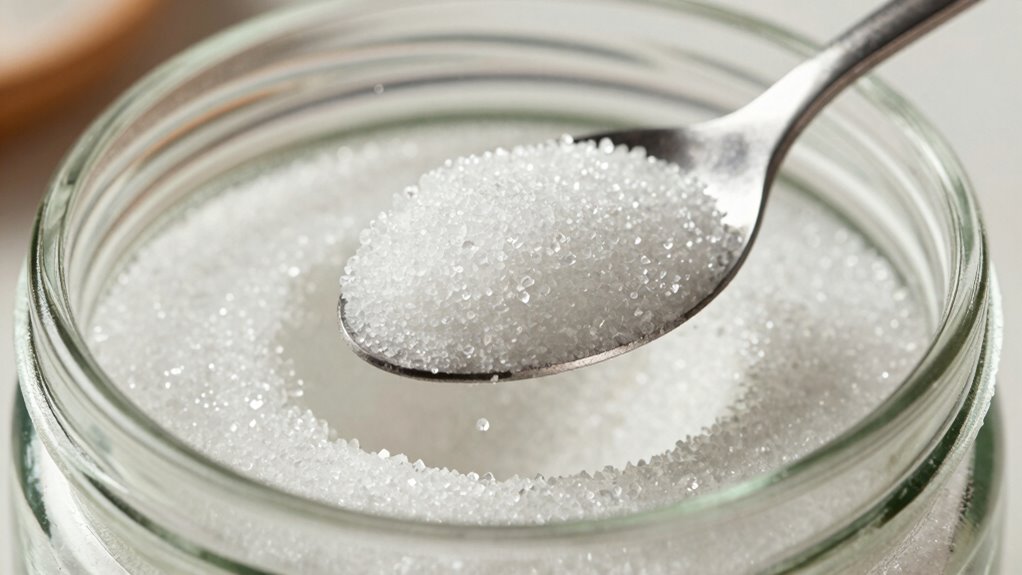
Have you ever wondered what exactly happens to your body when you consume sugar? Your perception of sweetness starts in your taste buds, where specialized receptors detect the sugary compounds. When you take a spoonful of sugar, your brain interprets that signal as sweetness, but what’s happening on a microscopic level influences more than just flavor. Even a small change in the amount you add can considerably alter the texture of your food or drink. That’s because sugar’s role isn’t limited to sweetness perception—its ability to influence crystal formation plays a key part in the structure and consistency of culinary creations.
When you add an extra spoon of sugar, you’re increasing the concentration of sucrose in your mixture. This heightened concentration affects how crystals form as the solution cools or dries. Crystal formation is a fundamental process in many confectionery and baking techniques. If you add too much sugar, the excess can encourage larger, more defined crystals to develop, which can make candies grainy or cause baked goods to become overly chewy. Conversely, with just the right amount, sugar dissolves smoothly, helping create a uniform, silky texture. That delicate balance hinges on understanding how much sugar your recipe needs and how it will influence the crystallization process.
The process of crystal formation is dynamic. When a hot syrup cools, the dissolved sugars begin to come out of solution and form tiny crystals, which then grow larger if conditions favor it. This is why controlling temperature and concentration is essential, especially when making candies like fudge or caramel. An extra spoon of sugar can tip this delicate equilibrium, leading to a different final texture. For example, too much sugar can cause the mixture to become overly dense or gritty because the crystals are larger and more noticeable. On the other hand, too little sugar might result in a product that’s less stable or lacks the desired sweetness, affecting both flavor and mouthfeel. Understanding crystallization can help you better control the outcome of your culinary creations, as it directly impacts the final product’s quality.
Additionally, temperature control is crucial in managing crystal growth and ensuring a consistent product. Your perception of sweetness also influences how much sugar you add. Surprisingly, as sugar concentration increases, your taste buds may become less sensitive to the sweetness, prompting you to add more than necessary. This interplay between perception and physical crystallization is why small adjustments in sugar levels have outsized effects. Ultimately, understanding the science behind sweetness perception and crystal formation helps you craft better recipes, ensuring that every spoonful hits the perfect balance between flavor and texture.
sugar crystallization thermometer
As an affiliate, we earn on qualifying purchases.
As an affiliate, we earn on qualifying purchases.
Frequently Asked Questions
How Does Sugar Affect Different Types of Baked Goods?
When you add sugar to baked goods, it influences their texture considerably. Sugar crystallization can make items like cookies crisper or chewier, depending on the amount used. It also acts as a moisture retainer, enhancing texture and preventing dryness. An extra spoon of sugar can make cakes softer and more tender, while in pastries, it promotes browning and crispness. Understanding these effects helps you control the perfect texture in your baking.
Can Reducing Sugar Improve Dessert Shelf Life?
Reducing sugar can improve dessert shelf life by minimizing sugar crystallization and enhancing moisture retention. When you cut back on sugar, there’s less chance of crystallization that causes grittiness or spoilage. Plus, with less sugar, desserts retain moisture longer, preventing drying out. This helps your treats stay fresher, longer, giving you a better shelf life. So, tweaking sugar levels carefully can lead to more durable, enjoyable desserts.
What Are Alternative Sweeteners That Mimic Sugar’s Texture?
You can use natural alternatives like honey, maple syrup, or agave nectar for texture mimicking, as they add moisture and body similar to sugar. Coconut sugar and brown sugar also retain some of sugar’s original texture. These options help maintain the desired consistency in your desserts while offering a different flavor profile. Keep in mind, natural sweeteners may slightly alter the taste, but they’re excellent for achieving a similar mouthfeel.
How Does Sugar Influence Fermentation in Bread-Making?
Sugar’s influence on fermentation is monumental—you might say it’s the secret to bread’s magic! It fuels yeast activity, making the fermentation process faster and more vigorous. Plus, sugar triggers caramelization effects, adding flavor and color to the crust. Without enough sugar, yeast struggles, and your bread could turn out dense or bland. That extra spoon isn’t just a tiny detail; it’s the key to perfect rise and flavor!
Is There a Safe Limit for Daily Sugar Intake?
You should aim to keep your daily sugar intake within recommended limits, usually about 6 teaspoons for women and 9 for men, to avoid health risks like obesity, diabetes, and heart issues. Excessive sugar can cause negative metabolic effects, leading to insulin resistance and inflammation. By monitoring your consumption, you reduce these risks and support overall health. Be mindful of added sugars in processed foods and drinks to stay within safe limits.
As an affiliate, we earn on qualifying purchases.
Conclusion
Next time you bake, remember that adding just one extra spoon of sugar can transform your dessert’s texture completely. That tiny change can make your cookies crisper or your cake moister, depending on what you want. Did you know that a single spoon of sugar can influence the structure of hundreds of millions of molecules? It’s amazing how such a small addition can have such a big impact—your baking mastery is just a spoonful away.
As an affiliate, we earn on qualifying purchases.
As an affiliate, we earn on qualifying purchases.
Fall Picks
fall essentials
As an affiliate, we earn on qualifying purchases.




![A Visual Guide To Europe’s Most Popular Olive Oil Varieties, From Koroneiki To Picual [MAP]](https://areokitchen.com/wp-content/uploads/2026/10/a-visual-guide-to-europe-s-most-popular-olive-oil-varieties-from-koroneiki-to-pi-featured-260x140.jpg)