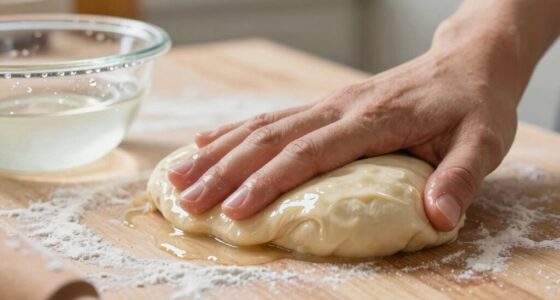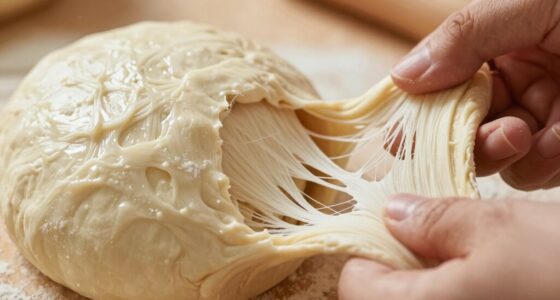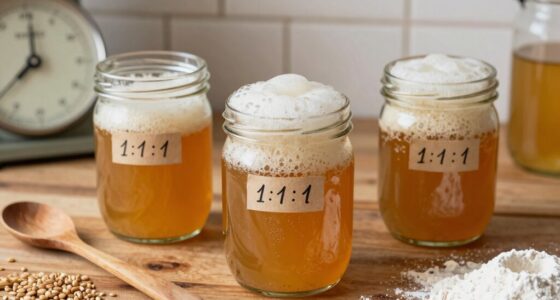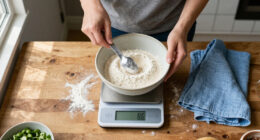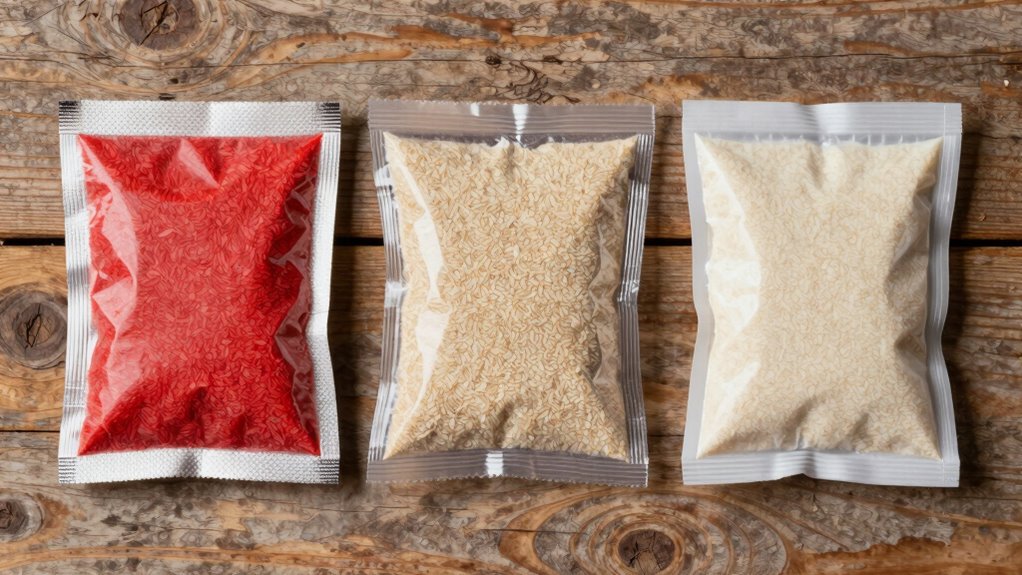

When choosing yeast, you’ll find three main types: instant, active dry, and bread machine. Instant yeast dissolves quickly in the dough and doesn’t require proofing, making it perfect for busy bakers. Active dry yeast needs proofing in warm water first, ensuring it’s alive and ready. Bread machine yeast is similar to instant but optimized for machines. Each type impacts your bread’s texture and rise, so explore these differences to achieve the best results in your baking.

Get kitchen gear delivered free with Prime
- Fast, free delivery on millions of items
- Prime Video, Amazon Music and more included
- Member-only deals all year
Key Takeaways
- Instant yeast dissolves quickly and doesn’t require proofing, making it perfect for faster baking.
- Active dry yeast needs proofing in warm water, confirming its viability before use.
- Bread machine yeast is a type of instant yeast optimized for bread machines, ensuring consistent results.
- All yeast types require proper storage to maintain freshness; refrigerate for longer shelf life.
- Choosing the right yeast type affects bread texture, flavor, and rising speed, crucial for successful baking.
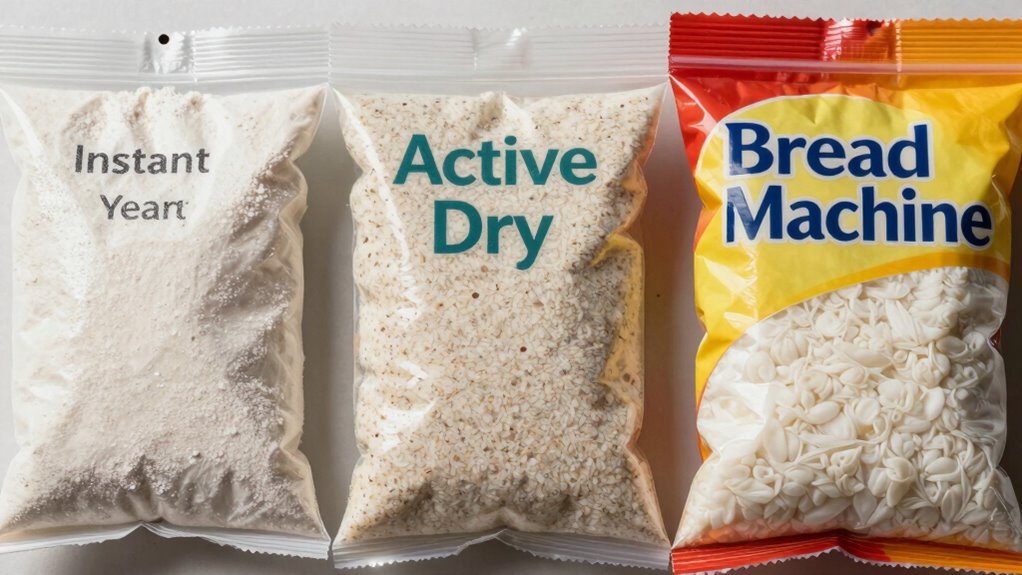
When it comes to baking bread, understanding the three main types of yeast—instant, active dry, and bread machine—can make all the difference. Each type has its unique characteristics, affecting your bread’s texture, flavor, and how quickly it rises. With the right choice, you can streamline the fermentation process, guaranteeing your loaves turn out perfectly every time.
Instant yeast is your go-to if you want speed and convenience. It’s finely granulated, allowing it to dissolve quickly in dough without needing proofing. This means you can mix it directly with your dry ingredients. When you use instant yeast, you’ll notice a faster rise, which can be a blessing on busy days. Plus, it has a longer shelf life compared to other types, making yeast storage less of a hassle. Just keep it in a cool, dry place, or pop it in the fridge or freezer for even longer freshness.
Instant yeast offers speed and convenience, dissolving quickly in dough for a faster rise and longer shelf life.
On the other hand, active dry yeast requires a bit more attention. Before you mix it into your dough, you need to proof it in warm water, which activates the yeast. This step can be vital because it guarantees that the yeast is alive and ready to work. While it might take a little extra time, active dry yeast is still a fantastic option, especially for those who enjoy the traditional bread-making process. When stored correctly, it can last for months, but it’s best to always check the expiration date to verify it’s still viable.
Then there’s bread machine yeast, which is fundamentally a type of instant yeast, but it’s formulated specifically for bread machines. It promises consistent results when you’re using the automatic settings of your machine. Just like instant yeast, there’s no need for proofing, making it incredibly easy to use. If you’re a fan of no-fuss baking, this might be your ideal choice. And like the others, proper yeast storage will keep it fresh, so you can enjoy delicious, homemade bread without worry.
As an affiliate, we earn on qualifying purchases.
Frequently Asked Questions
Can I Substitute One Yeast Type for Another in Recipes?
Yes, you can substitute one yeast type for another, but you’ll need to adjust your recipe. For instance, if you’re switching from active dry to instant yeast, use about 25% less instant yeast. Conversely, if you’re using active dry instead of instant, increase the amount by about 25%. Always consider the hydration in your recipe, as it might require slight adjustments to achieve the right dough consistency. Happy baking!
How Do I Store Leftover Yeast for Freshness?
Did you know that properly stored yeast can last up to 2 years? To keep your leftover yeast fresh, you should seal it tightly in an airtight container and store it in the fridge or freezer. For maximum yeast longevity, label it with the date. When you’re ready to use it again, just let it come to room temperature before adding it to your recipe. Following these proper storage techniques will guarantee your yeast stays effective!
What Are the Signs of Expired Yeast?
You can tell yeast’s expired when it loses its potency. Check for signs like a lack of bubbling or rising in your dough after proofing. Fresh yeast usually has a lifespan of about 2 years, while opened packages last only a few months. If your yeast is more than a year old or doesn’t activate when mixed with water and sugar, it’s time to toss it and get a fresh batch.
Can Yeast Be Used for Gluten-Free Baking?
Yes, you can use yeast for gluten-free baking! Just make sure you’re using gluten-free alternatives like rice flour or almond flour. When you mix these flours with yeast, you’ll need to focus on proper yeast activation to get that rise. Keep an eye on your dough; it should become airy and bubbly. Experimenting with different gluten-free blends can lead to delicious results, so don’t hesitate to try new combinations!
How Does Temperature Affect Yeast Activity?
Temperature greatly affects yeast activity. When it’s warm, yeast fermentation speeds up, leading to faster rising dough. However, too much heat can kill the yeast, so you need to control the temperature carefully. Don’t worry if your dough doesn’t rise quickly; cooler temperatures can enhance flavor over time. Just remember, finding the right balance guarantees your bread turns out light and fluffy, rather than dense and flat. Keep that yeast happy!
As an affiliate, we earn on qualifying purchases.
Conclusion
In the world of baking, knowing your yeast can make all the difference. Instant yeast gives you a quick rise, while active dry requires a little patience. If you’re using a bread machine, the specialized yeast simplifies the process even more. So, whether you’re a seasoned pro or just starting out, picking the right yeast is key to baking success. Remember, it’s not just about the ingredients; it’s about the magic that happens in the dough!
As an affiliate, we earn on qualifying purchases.
As an affiliate, we earn on qualifying purchases.
Fall Picks
fall essentials
As an affiliate, we earn on qualifying purchases.