
Yes, you need proofing humidity to achieve the perfect rise in yeast-based doughs. The right moisture level helps yeast activate and produce carbon dioxide, ensuring your bread isn’t dense or overly wet. Too little humidity results in a sluggish rise, while too much can complicate shaping. Creating a warm, moist environment is key. By understanding how to control humidity, you’ll improve your baking results. Stick around, and you’ll discover more tips on mastering this essential aspect.

Get kitchen gear delivered free with Prime
- Fast, free delivery on millions of items
- Prime Video, Amazon Music and more included
- Member-only deals all year
Key Takeaways
- Proofing humidity is essential for activating yeast, ensuring proper dough rise and preventing dense bread.
- Too little moisture leads to sluggish yeast activity, while excessive humidity complicates dough shaping.
- Creating a warm, moist environment, such as using a turned-off oven with hot water, enhances proofing conditions.
- Monitoring humidity levels with a hygrometer allows for adjustments to achieve optimal proofing results.
- Understanding local climate impacts helps bakers adapt techniques for consistent and successful baking outcomes.
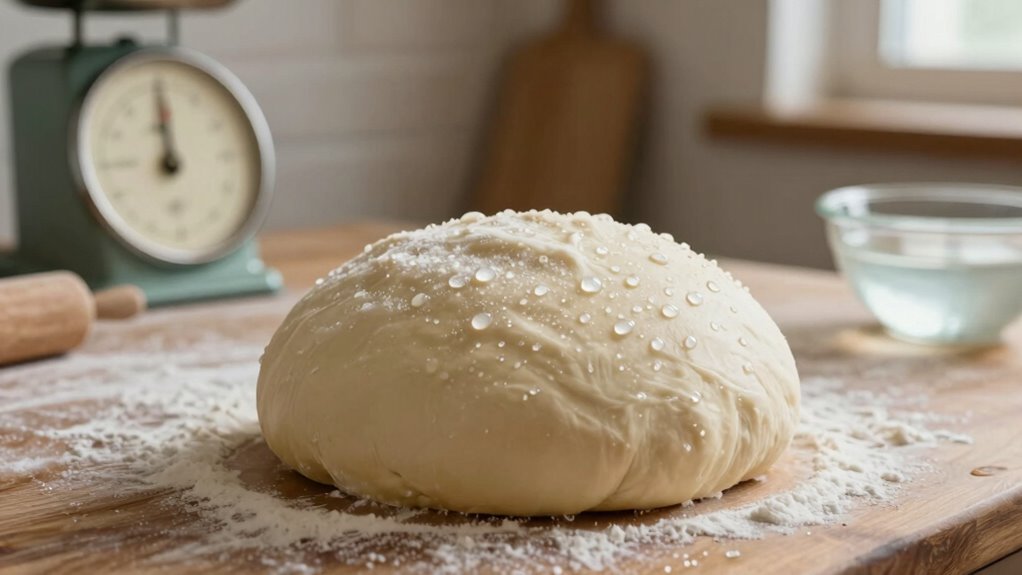
Proofing humidity plays a vital role in baking, especially when it comes to yeast-based doughs. When you’re working with dough that relies on yeast for rising, the right humidity can make or break your results. Too much or too little moisture can lead to dense bread or dough that refuses to rise. Understanding how to manage humidity control is essential for achieving that perfect loaf.
When you proof your dough, you’re fundamentally allowing the yeast to activate and produce carbon dioxide, which makes the dough rise. If the environment is too dry, the yeast might struggle, leading to a sluggish rise. Conversely, if it’s too humid, your dough could become overly wet, making it difficult to shape. That’s where effective proofing techniques come into play. You’ll want to find that sweet spot where the dough can rise beautifully.
Proofing your dough is crucial; the right humidity helps yeast activate for a perfect rise, while too much or too little can hinder your results.
One simple technique to improve humidity control is to create a warm, moist environment. You can achieve this by placing your dough in a turned-off oven with a bowl of hot water. The steam will increase the humidity, helping your dough rise effectively. Alternatively, you could cover your dough with a damp cloth or plastic wrap to retain moisture. Just make sure it’s not so wet that it drips onto the dough, which could lead to an overly sticky mess. Monitoring humidity levels with a hygrometer can help you maintain optimal proofing conditions for consistent results. Being aware of your environmental conditions will help you adapt your methods effectively. Additionally, understanding the effects of humidity on dough can guide you in adjusting your techniques for different climates. Proper humidity management is key to successful baking, especially in regions with fluctuating weather patterns.
As an affiliate, we earn on qualifying purchases.
Frequently Asked Questions
What Is the Ideal Temperature for Proofing Dough?
The ideal temperature for proofing dough is around 75°F to 80°F (24°C to 27°C). At this range, yeast activation happens efficiently, promoting optimal dough fermentation. If it’s too cold, the yeast will be sluggish, while excessive heat can kill it. You’ll notice better rise and texture when you keep your dough in this sweet spot, ensuring a successful bake. So, find a cozy spot in your kitchen for perfect proofing!
Can I Proof Dough in the Refrigerator?
Absolutely, you can proof dough in the refrigerator! Think of it as sending your dough on a chilly vacation, where it undergoes cold fermentation, developing deeper flavors. The refrigerator benefits your dough by slowing down yeast activity, allowing for a more complex taste and better texture. Just remember to give it enough time to rise, usually overnight, for the best results. Your patience will be well rewarded with a delicious bake!
How Long Should I Proof My Dough?
You should typically proof your dough for about 1 to 2 hours, depending on the recipe and room temperature. During this time, keep an eye on the dough texture; it should double in size and feel soft and elastic. If you’re in a cooler environment, you might need a bit more time. Just remember, the goal is to give the yeast enough time to work its magic, creating that perfect rise.
What Types of Yeast Are Best for Proofing?
For perfect proofing, active dry yeast works wonders, giving your dough a lovely rise. Imagine tiny bubbles forming, lifting your bread to new heights. Instant yeast is a speedy companion, bypassing the wait, while fresh yeast brings a rich, robust flavor, like a warm embrace. If you’re exploring yeast alternatives, try sourdough starter or even baking soda with an acid. Each choice brings its unique flair to your baking adventure!
How Do I Know if My Dough Has Properly Proofed?
You’ll know your dough has properly proofed when it’s doubled in size and has a soft, elastic texture. Look for rising bubbles on the surface; they indicate fermentation is happening. Gently poke the dough with your finger; if it springs back slowly, it’s ready. If it doesn’t, give it more time. Trust your instincts—perfectly proofed dough will feel light and airy, setting you up for a great bake!
As an affiliate, we earn on qualifying purchases.
Conclusion
In summary, while proofing humidity might seem like an essential factor in bread-making, the truth is more nuanced. You don’t necessarily need a humid environment to achieve perfect dough; instead, focus on the right temperature and timing. Experimenting with your specific conditions will yield better results. Ultimately, understanding how humidity interacts with yeast can elevate your baking game, but it’s creativity and practice that’ll truly make your bread stand out.
dough proofing box with humidity control
As an affiliate, we earn on qualifying purchases.
As an affiliate, we earn on qualifying purchases.
As an affiliate, we earn on qualifying purchases.
Halloween Picks
halloween
As an affiliate, we earn on qualifying purchases.