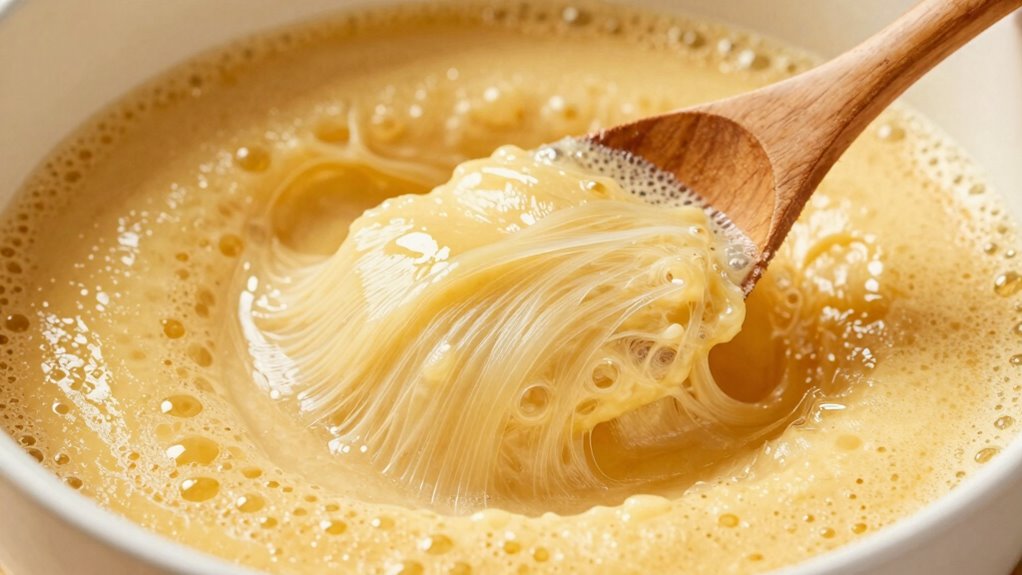

When you mix flour with water, you activate proteins that form gluten, creating a stretchy, elastic network. Kneading helps align these proteins, making the dough strong and flexible, which traps gas bubbles and gives your baked goods their structure. The more you work the dough, the better the gluten develops, resulting in a light, airy texture. Keep exploring, and you’ll discover even more about how this process influences your baking success.

Get kitchen gear delivered free with Prime
- Fast, free delivery on millions of items
- Prime Video, Amazon Music and more included
- Member-only deals all year
Key Takeaways
- Mixing activates wheat proteins, causing them to bond and form a gluten network.
- Hydration from water helps proteins unfold and connect, developing dough elasticity.
- Kneading aligns gluten strands, strengthening the network for better structure.
- The gluten network traps gases, allowing dough to rise and maintain shape during baking.
- Proper mixing and kneading ensure the batter or dough has the desired firmness and texture.
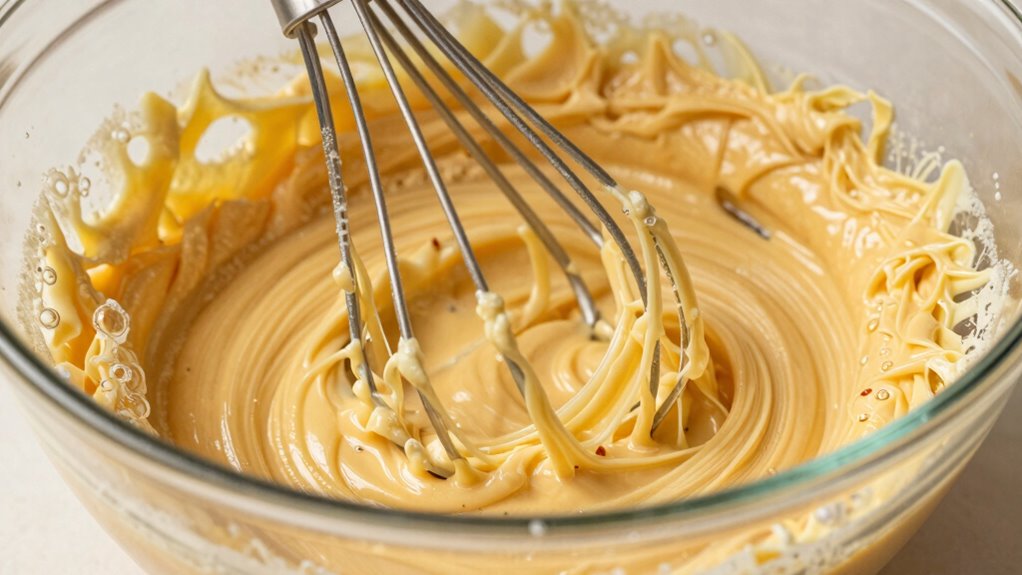
Have you ever wondered what exactly gluten is and why it matters? It all comes down to gluten formation, a process that transforms simple ingredients into the structure we recognize in bread and baked goods. Gluten is a type of wheat protein, and understanding how it works can help you appreciate why certain baked items have that chewy, elastic quality. When you mix flour with water, the wheat protein in the flour begins to interact and form gluten, giving dough its stretchiness and strength. This process isn’t just about mixing; it’s about activating the proteins so they create a network capable of trapping gas bubbles, which makes your baked goods rise and develop their characteristic texture. Proper gluten development**** is crucial for achieving the desired baked good consistency.
Wheat protein, the core component of gluten, exists naturally within the flour. When water hits the flour, the proteins start to hydrate, and they begin to bond with each other, creating a web-like structure known as gluten. This network is flexible yet resilient, allowing it to stretch without breaking—an essential trait for bread dough that needs to expand during proofing and baking. As you knead or stir the mixture, you help align these proteins, strengthening the gluten formation and improving the dough’s elasticity. The more you work the dough, the more the gluten network develops, resulting in a finer crumb and a better rise. Additionally, proper gluten formation is influenced by factors such as temperature and hydration levels, which can be optimized for different baked goods. Recognizing the role of gluten in providing structure can also help in troubleshooting baking issues, such as doughs that are too tough or too sticky. Developing a good understanding of gluten chemistry can further improve your ability to customize recipes for specific textures and flavors.
The importance of gluten formation extends beyond just the mechanical properties; it also influences how the batter or dough behaves during baking. As heat is applied, the gluten network helps maintain the structure, trapping gases and moisture inside, which leads to a light, airy crumb in bread or a tender crumb in cakes. Without enough gluten development, your baked goods might turn out dense, flat, or crumbly. That’s why recipes often specify kneading times or include ingredients like vital wheat gluten to boost the protein content if needed.
In essence, gluten is the secret behind the structure and texture of many baked items, and understanding its formation helps you control the outcome. Whether you’re making bread, pizza dough, or even some pastries, recognizing how wheat protein interacts with water and how kneading influences gluten development can elevate your baking skills. By mastering this process, you ensure your baked goods are not only delicious but also have the perfect chewy or tender consistency you’re aiming for.
As an affiliate, we earn on qualifying purchases.
Frequently Asked Questions
How Does Gluten Affect Bread Texture?
Gluten affects bread texture by providing elasticity and dough strength, making your bread chewy and airy. When you knead the dough, gluten develops, trapping gas produced by yeast, which helps it rise. The more you knead, the stronger and more elastic the gluten becomes, resulting in a better structure and a lighter, fluffier crumb. Without enough gluten, your bread might turn out dense and crumbly.
Can Gluten Be Completely Eliminated From Baked Goods?
You can’t completely eliminate gluten from baked goods made with wheat, barley, or rye. However, you can use gluten-free substitutions like rice flour or almond flour, along with alternative binders such as xanthan gum or guar gum, to mimic gluten’s structure. These options help you create baked goods that hold together well without gluten, making them suitable for those with gluten sensitivities or celiac disease.
What Are the Health Risks of Gluten Consumption?
You might think gluten’s harmless, but for those with gluten allergy or sensitivity, it’s a real troublemaker. Consuming gluten can trigger symptoms like stomach pain, fatigue, or even more severe reactions. Ironically, what’s in your bread might be causing discomfort, yet many ignore these risks. If you have gluten issues, avoiding it is the safest choice. Otherwise, gluten’s harmlessness seems like a sweet illusion hiding potential health hazards.
How Does Gluten Development Differ in Gluten-Free Baking?
In gluten-free baking, gluten development differs because you don’t rely on wheat proteins. Instead, you use gluten-free alternatives like rice or almond flour, which don’t form the same elastic network. Enzyme effects, such as adding transglutaminase, help improve structure by binding proteins together, mimicking gluten’s role. This results in a crumb that’s less chewy and elastic, so you often need additional binders like xanthan gum to achieve a desirable texture.
What Role Do Enzymes Play in Gluten Formation?
Enzymes play a vital role in gluten formation by activating during mixing, which promotes protein cross-linking. You’ll notice that enzyme activation helps break down proteins, allowing gluten strands to develop more effectively. This process strengthens the dough’s structure, providing elasticity and chewiness. Without enzyme activity, gluten development would be slower and less cohesive, impacting the final texture of baked goods.
gluten development bread making kit
As an affiliate, we earn on qualifying purchases.
As an affiliate, we earn on qualifying purchases.
Conclusion
Now that you know how gluten acts like a silent architect, weaving its magic into your batter, you’re ready to craft perfect baked goods. Think of gluten as the invisible scaffolding that transforms a simple mixture into a sturdy, delicious masterpiece. With each knead and fold, you’re shaping a resilient structure, turning humble ingredients into a culinary symphony. So, embrace the science and let your baking rise to new heights—your delicious creation awaits!
As an affiliate, we earn on qualifying purchases.
As an affiliate, we earn on qualifying purchases.
Halloween Picks
halloween
As an affiliate, we earn on qualifying purchases.