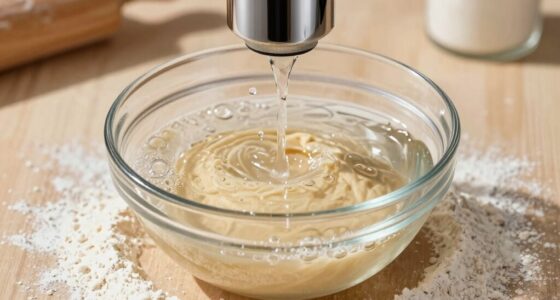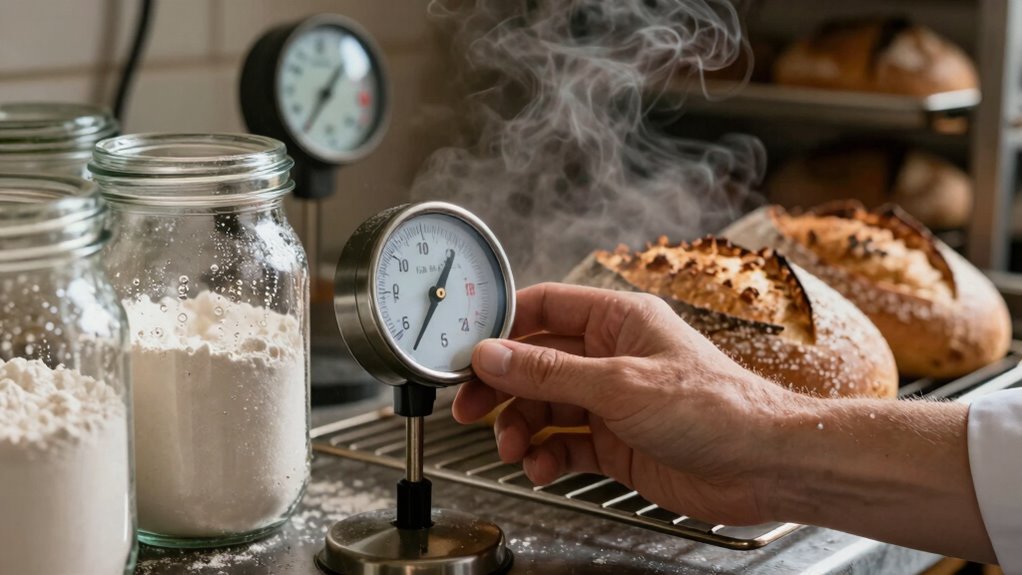

When humidity changes, you should start by adjusting your ingredient ratios, especially liquids and flour. In high humidity, cut back on liquids and flour slightly to prevent sticky dough, while in dry conditions, add more moisture like water or milk. These tweaks help maintain the right moisture balance for consistent results. Managing these adjustments early keeps your baked goods tender and prevents issues caused by fluctuating humidity—there’s more to master if you keep exploring.

Get kitchen gear delivered free — and shop member deals
- Fast, free delivery on millions of items
- Access to Prime Big Deal Days deals on October 6–7
- Prime Video, Amazon Music and more included
Key Takeaways
- Adjust the amount of added liquids or flour based on the current humidity level.
- Modify fermentation times to prevent over-proofing or under-proofing dough.
- Store baked goods in airtight containers or refrigerate to maintain moisture.
- Use moisture-retaining tools like humidifiers or dehumidifiers in the kitchen.
- Practice small ingredient and timing adjustments to achieve consistent results.
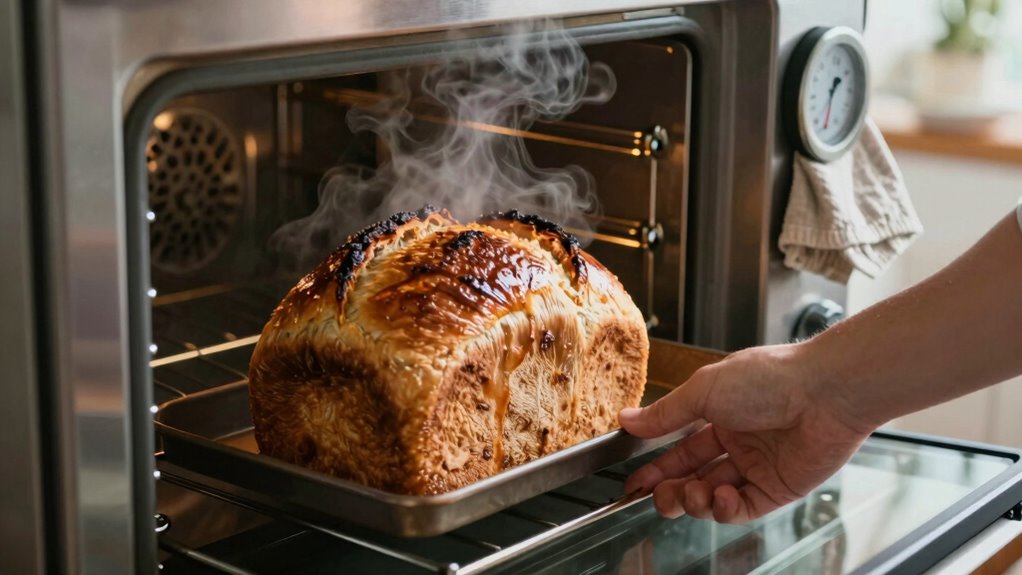
Humidity can considerably impact your baking results, especially when it fluctuates unexpectedly. When the air is more humid, your baked goods tend to be moister and softer, while dry conditions can make them dry out quickly or become crumbly. Understanding the humidity impact on your baking allows you to adjust your techniques and ingredients accordingly, ensuring consistent results no matter the weather. One of the first things to focus on is moisture control. If you notice your dough or batter is too sticky or wet during high humidity days, it’s a sign you should reduce added liquids or flour slightly. Conversely, in dry conditions, you might need to add a bit more moisture, like milk or water, to compensate for the dry air drawing moisture out of your dough or batter.
Adjusting your ingredients is just the beginning. Pay close attention to how your ingredients behave in different humidity levels. For example, when baking bread or pastries, high humidity can cause the dough to ferment faster or become overly sticky, making it harder to work with. In such cases, you might need to slow down fermentation or refrigerate the dough to control the moisture and prevent over-proofing. On the other hand, in dry environments, your dough might need a longer resting period or extra liquid to achieve the right texture. You’ll find that controlling moisture during baking involves a delicate balance—you want enough to keep your baked goods tender and moist but not so much that they become dense or gummy. Additionally, understanding the role of humidity in baking can help you optimize your results and avoid common pitfalls. Being aware of how humidity affects ingredient behavior enables you to make more precise adjustments and improve your baking consistency. Recognizing humidity effects in your kitchen can also help you better plan ahead for different weather conditions, leading to more reliable baking outcomes. Additionally, monitoring kitchen humidity levels can help you create a more stable environment for both dough fermentation and storage, further enhancing your results.
Reconsider your storage methods as well. High humidity environments can lead to mold and spoilage, so you should store baked goods in airtight containers or refrigerate when necessary. Conversely, in dry conditions, baked items tend to lose moisture quickly, so wrapping them tightly or storing them in moisture-retaining containers helps preserve freshness. It’s also helpful to monitor your oven’s humidity levels, especially if you’re using a humidifier or dehumidifier in your kitchen. These devices can help create a more controlled environment, making moisture control easier and more predictable during baking. Controlling kitchen humidity is essential for maintaining optimal baking conditions and achieving consistent results.
In essence, the key to adapting to humidity changes is recognizing its impact and making small, strategic adjustments to your ingredients, fermentation times, and storage methods. By paying close attention to moisture control, you can maintain consistency and improve your baking regardless of the weather. Remember, mastering these adjustments takes practice, but once you understand how humidity influences your baked goods, you’ll find it much easier to produce perfect results every time.
As an affiliate, we earn on qualifying purchases.
Frequently Asked Questions
How Does Humidity Affect Yeast Activity During Baking?
Humidity affects yeast activity during baking by influencing yeast fermentation and dough consistency. When humidity is high, it speeds up yeast fermentation, making dough rise faster, but can also make it stickier and harder to handle. Conversely, low humidity slows fermentation, resulting in a denser texture. To maintain ideal yeast activity, you might need to adjust the amount of flour or water in your recipe, depending on humidity levels.
What Types of Baked Goods Are Most Sensitive to Humidity Changes?
You know what they say, “A little moisture goes a long way.” Baked goods like bread, puff pastry, and delicate cakes are most sensitive to humidity effects. High humidity increases flour absorption, resulting in wetter doughs that can be difficult to handle, while low humidity dries out ingredients. Adjust your recipes accordingly by tweaking liquid amounts or drying times to keep your baked goods perfect regardless of humidity.
Can Humidity Levels Impact Baking Times and Temperatures?
Yes, humidity fluctuations can impact baking times and temperatures. When humidity levels rise, moisture in the air can cause baked goods to take longer to bake or develop a different texture, affecting your baking consistency. Conversely, low humidity can lead to quicker drying or over-browning. To maintain consistent results, you need to adjust your baking times or temperatures accordingly whenever humidity levels change, ensuring your baked goods come out just right.
How Do I Measure Indoor Humidity Accurately for Baking Purposes?
To measure indoor humidity accurately for baking, use a reliable humidity sensor or hygrometer. Place it in your baking area, away from drafts or direct sunlight. Regularly calibrate your device using calibration techniques like salt tests or desiccant methods to guarantee accuracy. This way, you’ll get precise readings, helping you adjust your baking environment effectively for consistent results.
Are There Specific Ingredients That Need Adjustment in High Humidity?
In high humidity, you should adjust ingredients like flour and sugar because humidity impacts their absorption and consistency. You might need to reduce liquid amounts slightly or add a bit more flour to compensate for moisture absorption. Also, consider shortening baking times or temperatures. Always monitor your dough or batter closely, as humidity can change how ingredients behave, ensuring your baked goods turn out perfect despite the moisture.
airtight food storage containers
As an affiliate, we earn on qualifying purchases.
As an affiliate, we earn on qualifying purchases.
Conclusion
When humidity shifts, don’t panic—adjust your recipe step by step. Start by tweaking your liquid ingredients or oven humidity settings first, then observe how your baked goods respond. Some might worry this complicates baking, but with a little experimentation, you’ll find the perfect balance. Remember, baking’s an art of adaptation. So, embrace the challenge, trust your instincts, and soon you’ll master consistent, delicious results regardless of the weather outside.
As an affiliate, we earn on qualifying purchases.
As an affiliate, we earn on qualifying purchases.
Fall Picks
fall essentials
As an affiliate, we earn on qualifying purchases.