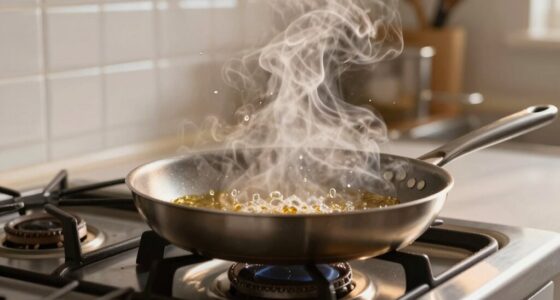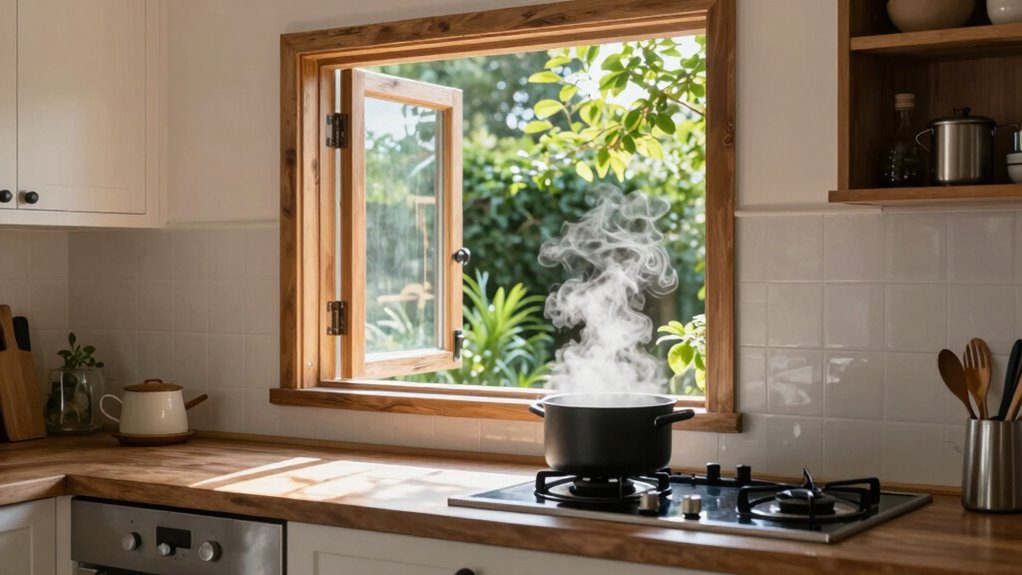

Relying solely on open windows to clear cooking fumes isn’t effective because outdoor conditions, wind, and weather vary too much, making natural ventilation unreliable. Instead, you should use kitchen exhaust fans or range hoods that actively pull fumes directly from the source. Properly maintained mechanical systems, combined with other strategies like air purifiers, improve indoor air quality. If you want practical tips on choosing and optimizing ventilation, continue exploring how to keep your kitchen fresh and safe.
Key Takeaways
- Relying solely on open windows is unreliable due to external weather, wind, and pollution affecting airflow and odor removal.
- Mechanical ventilation systems like range hoods and exhaust fans effectively capture fumes at the source, ensuring better air quality.
- Properly maintained filters and unobstructed ducts are essential for mechanical systems to work efficiently in clearing cooking odors.
- Combining natural ventilation with mechanical systems provides consistent and thorough removal of indoor cooking fumes.
- Using air purifiers and indoor plants can further improve air quality beyond passive window ventilation.

Stove Hood Vent Filter 10.5" x 8.8" 41F 97007696 Fit's Nutone & Broan Range Hood Filter Replacement for Ductless Exhaust Fan – Mesh Screen Filters Grease & Carbon Freshens Kitchen Oven Air (2-Pack)
GREASE CHARCOAL FILTER COMBO: This charcoal grease filter combo will protect your hood from grease while at the…
As an affiliate, we earn on qualifying purchases.
As an affiliate, we earn on qualifying purchases.
Why Relying Just on Windows Won’t Fully Clear Cooking Fumes
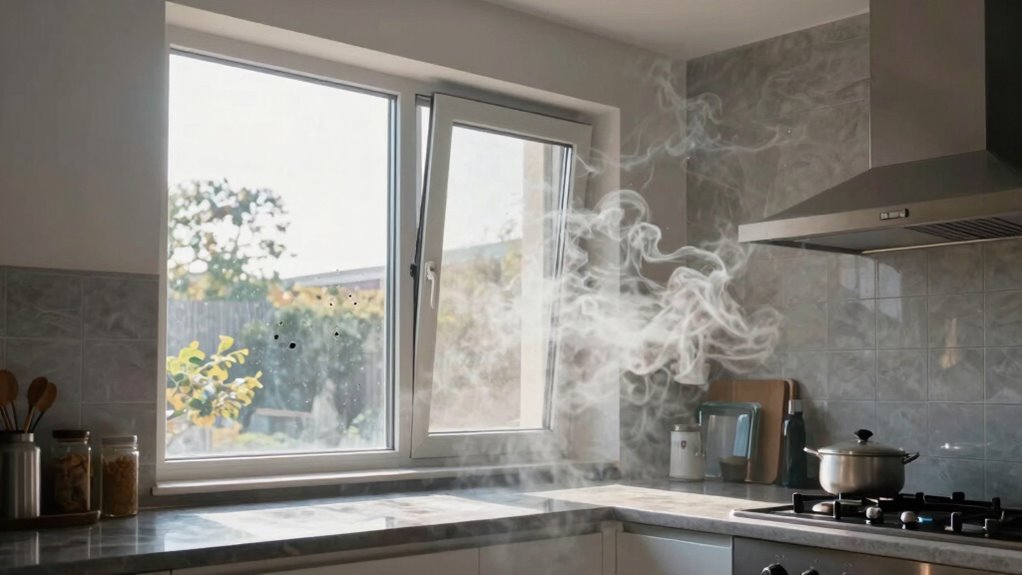
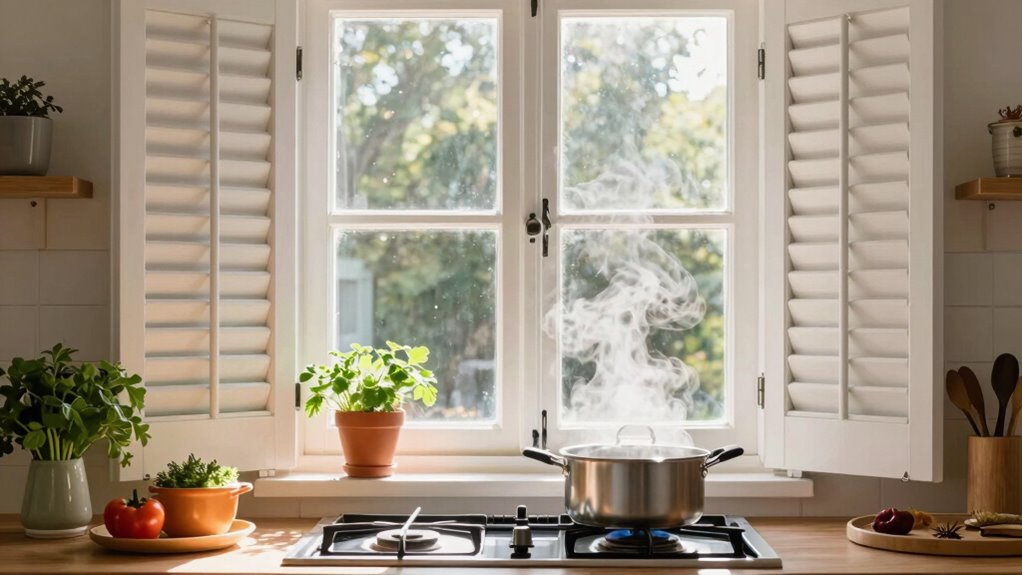
Relying solely on an open window to clear cooking fumes often isn’t enough because windows don’t provide consistent or sufficient ventilation. While window solutions can help introduce fresh air, they rarely create the strong, steady airflow needed to remove fumes effectively. Wind direction, outdoor conditions, and the size of the window all influence how well fresh air circulates in your kitchen. Without proper airflow, fumes tend to linger, making the space uncomfortable and potentially unsafe. Simply cracking a window isn’t a reliable method for fume removal, especially during colder months or in areas with high outdoor pollution. Additionally, ventilation systems are designed to actively move air out and bring fresh air in, ensuring a healthier kitchen environment. Proper air exchange rates are essential for effectively dispersing cooking fumes and maintaining indoor air quality. Relying on natural ventilation alone can also lead to inconsistent results, emphasizing the need for dedicated air purification methods. Furthermore, implementing mechanical ventilation can significantly improve the efficiency of removing cooking fumes from your space. Incorporating airflow management strategies can enhance the overall effectiveness of your kitchen ventilation approach.

COMFEE' CVU30W2AST Range Hood 30 Inch Ducted Ductless Vent Hood Durable Stainless Steel Kitchen Hood for Under Cabinet with 2 Reusable Filter, 200 CFM, 2 Speed Exhaust Fan Silver
Improving Kitchen Air Quality High-quality Comfee range hood with 2-speed exhaust fan provides strong air suction to remove…
As an affiliate, we earn on qualifying purchases.
As an affiliate, we earn on qualifying purchases.
When Natural Ventilation Falls Short in Kitchen Fume Removal
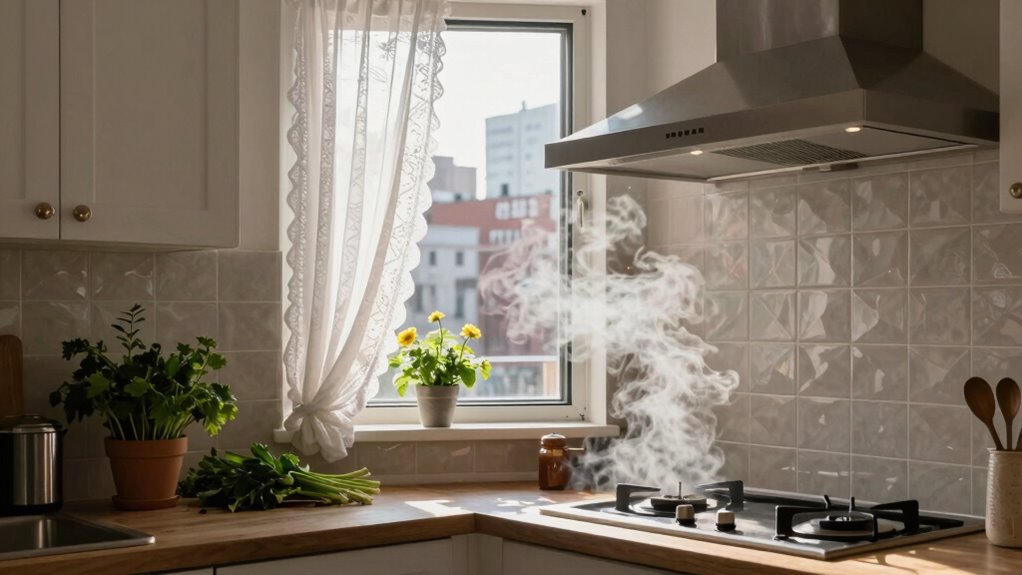
While opening windows can help improve air circulation, natural ventilation often falls short when it comes to fully removing cooking fumes. Relying solely on these methods can lead to poor indoor air quality, as fumes and odors linger in your kitchen. Natural airflow depends on external conditions like wind and temperature, which can be inconsistent. This variability makes it difficult to rely on passive ventilation for effective fume removal. To effectively clear cooking fumes, you need more reliable ventilation systems that actively extract airborne contaminants. These systems provide continuous air exchange**, reducing indoor pollutants and maintaining fresh air. Without proper mechanical exhaust fans, your kitchen can become a source of indoor air quality issues, impacting your health and comfort over time. Proper air filtration methods are also crucial for capturing fine particles and odors that ventilation systems might miss, ensuring a healthier indoor environment. Additionally, integrating mechanical exhaust fans** can significantly enhance the removal process by providing consistent airflow regardless of outdoor conditions.

LEVOIT Air Purifiers for Bedroom Home Dorm, AHAM VERIFIED, 3-in-1 Filter Cleaner With Aroma Pad, Filters Smoke, Allergens, Pet Dander, Odor, Dust, Office, Desktop, Core Mini-P, White
𝗥𝗘𝗠𝗢𝗩𝗘 𝗣𝗢𝗟𝗟𝗨𝗧𝗔𝗡𝗧𝗦 𝗘𝗩𝗘𝗥𝗬𝗪𝗛𝗘𝗥𝗘: Our Pre-Filter and Main Filter capture allergens as lint, hair, pet dander, pet hair, fine…
As an affiliate, we earn on qualifying purchases.
As an affiliate, we earn on qualifying purchases.
How Kitchen Exhaust Fans and Range Hoods Help Remove Fumes
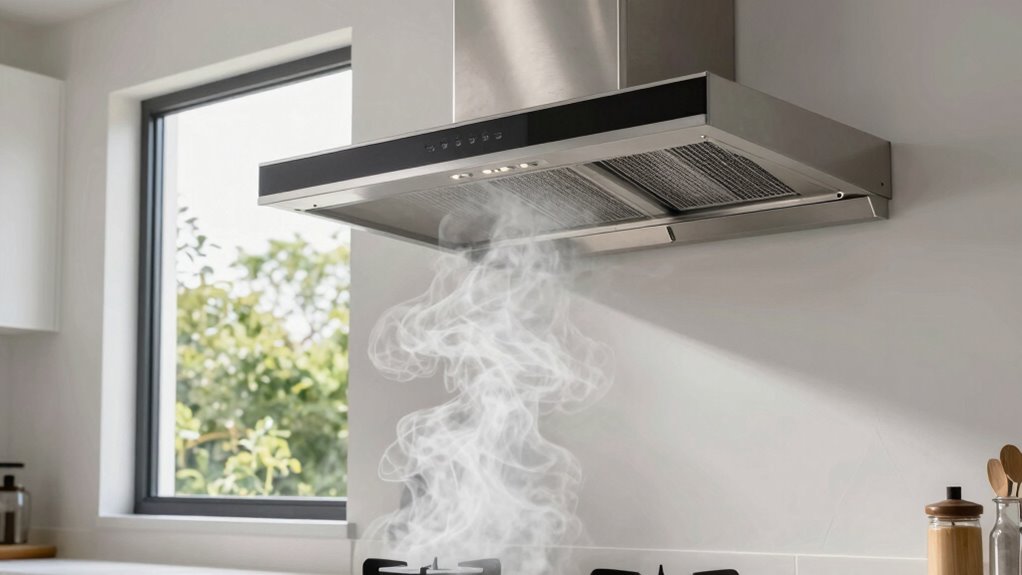
Kitchen exhaust fans and range hoods actively remove fumes by drawing contaminated air out of your cooking area. To maximize their effectiveness, focus on airflow enhancement and proper fan placement. Consider these key points:
- Position the fan directly above your cooktop to capture fumes at the source.
- Ensure the fan’s airflow capacity matches the size of your kitchen for efficient removal.
- Keep the vent duct clear of obstructions to prevent airflow restrictions.
- Regularly check and clean filters to maintain optimal performance air purifier maintenance dos and don’ts.
Proper fan placement ensures fumes are pulled away quickly, reducing indoor pollution. Regular maintenance, like cleaning filters, also helps maintain ideal airflow. When installed correctly, these appliances work together to clear cooking fumes effectively, making your kitchen safer and more comfortable. Additionally, understanding the airflow efficiency of your exhaust system can help identify whether your current setup is sufficient for your cooking habits. Enhancing airflow performance through proper setup can significantly improve your kitchen’s air quality. By paying attention to ventilation standards, you can ensure your exhaust system operates at peak efficiency for healthier indoor air.

REEPLAR 8-Inch Ceiling Mount Exhaust Fan, 200 CFM Powerful Ventilation, Replacement for 505 Vertical Discharge Exhaust Fan, Fits 8" Roof Duct System, Ideal for Kitchen, Bathroom and Laundry Room
【Compatibility】This ceiling mount bathroom exhaust fan is designed for 8-inch vertical ducting only — not for wall venting….
As an affiliate, we earn on qualifying purchases.
As an affiliate, we earn on qualifying purchases.
Practical Tips to Reduce Fumes and Improve Air Quality
To effectively reduce fumes and improve air quality in your home, start by cooking with proper ventilation in mind. Use a high-quality air purifier equipped with an activated carbon filter to trap airborne particles and odors. Keep the purifier running during and after cooking to clear lingering fumes. Additionally, incorporate indoor plants like snake plants or pothos, which naturally absorb airborne toxins and improve humidity. Always turn on your range hood or exhaust fan when cooking to vent fumes directly outdoors. Avoid relying solely on open windows, especially during bad weather, as they can introduce outdoor pollutants. Proper ventilation helps minimize the buildup of airborne contaminants and improves decision-making about indoor air quality. Implementing air purification technologies can further enhance your home’s air quality by actively removing residual fumes and toxins. Regularly maintaining and replacing filters in your air purifiers ensures optimal performance in reducing indoor pollutants. Incorporating indoor air quality assessments can help identify specific sources of indoor pollution and guide targeted improvements. Ensuring proper air circulation throughout your home can prevent the stagnation of indoor air and promote healthier living conditions.
How to Choose the Best Ventilation System for Your Kitchen
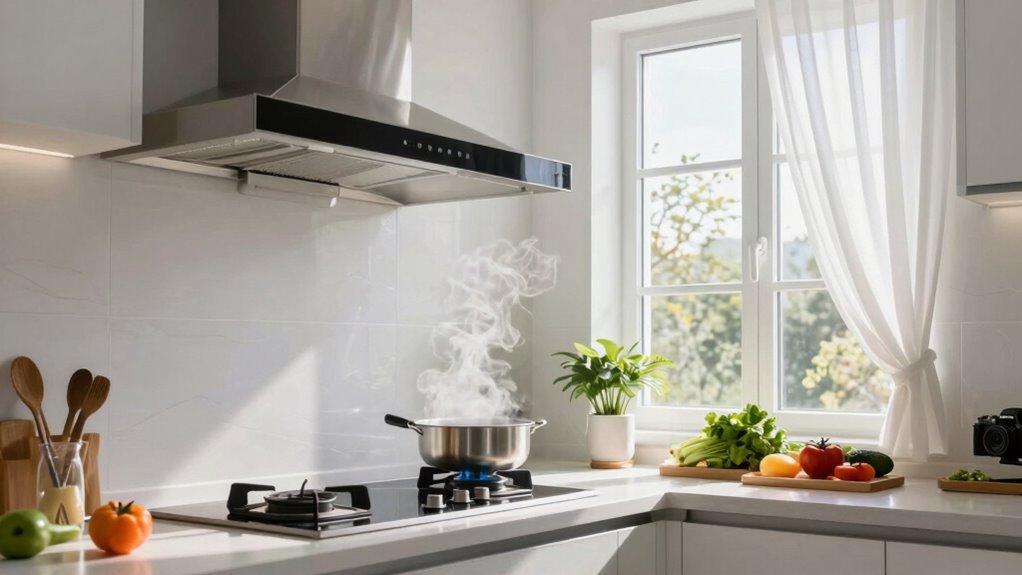
Choosing the right ventilation system for your kitchen involves evaluating your cooking habits, space size, and budget. To make an informed decision, consider these factors:
- Air filter maintenance – Select systems with easy-to-clean filters to ensure ongoing efficiency and air quality. Regularly checking and replacing filters helps maintain optimal air quality and system performance. Proper filter maintenance also prevents buildup that can reduce airflow and increase energy consumption.
- Kitchen layout optimization – Choose a system that complements your kitchen’s design, ensuring proper placement for maximum effectiveness.
- Type of ventilation – Decide between range hoods, downdraft vents, or exhaust fans based on your cooking style and space constraints.
- Noise level considerations – Opt for systems with low noise levels to maintain a peaceful kitchen environment while effectively ventilating fumes. Selecting quieter systems can also improve overall comfort during cooking.
Mistakes to Avoid When Ventilating Your Kitchen

Even when you select the perfect ventilation system, mistakes during installation or usage can substantially reduce its effectiveness. Relying solely on your window for ventilation is a common error, known as window reliance, which often perpetuates ventilation myths. Instead, a proper system should be designed to work continuously, not just when the window is open. Proper ventilation design ensures consistent removal of cooking fumes and odors, preventing buildup and improving air quality. Additionally, understanding the airflow dynamics within your kitchen can help optimize your ventilation setup for better performance.
Frequently Asked Questions
Can Air Purifiers Effectively Eliminate Cooking Odors?
Air purifiers can effectively eliminate cooking odors when they have high-efficiency filters like activated carbon or HEPA. Their efficacy depends on proper placement and filter maintenance. To improve odor removal, combine air purifiers with other techniques such as venting windows, using range hoods, or simmering vinegar. This multi-layered approach guarantees better air quality, making your space smell fresher and healthier.
How Often Should Kitchen Ventilation Systems Be Maintained?
You should maintain your kitchen ventilation system every 6 to 12 months. For example, a homeowner noticed decreased airflow and increased odors after a year—prompting them to follow a regular maintenance schedule. During this process, you’ll need to clean filters and replace them as needed. Regular maintenance ensures your system works efficiently, keeps air clean, and extends its lifespan. Don’t forget to check manufacturer guidelines for specific filter replacement intervals.
Are There Specific Ventilation Solutions for Small or Apartment Kitchens?
For small or apartment kitchens, you should consider using window fans and portable hoods. Window fans help circulate air by pulling in fresh air and pushing out cooking fumes, while portable hoods efficiently capture smoke and odors directly at the source. Combining these solutions provides effective ventilation without requiring major renovations. Make sure to choose models suitable for your space, and keep them well-maintained for peak performance.
What Are the Health Risks of Poor Kitchen Ventilation?
Poor kitchen ventilation can markedly harm your health, as indoor air quality worsens with pollutants like smoke, grease, and volatile organic compounds. Studies show that inadequate ventilation increases the risk of respiratory issues and allergies by up to 30%. When ventilation efficiency drops, you breathe in more toxins, potentially causing long-term health problems. Ensuring good airflow reduces these risks, keeping your indoor environment safer and healthier.
Do Certain Cooking Methods Produce Fewer Fumes?
Certain cooking techniques, like steaming, boiling, and sous-vide, produce fewer fumes since they generate minimal smoke and splatter. Using low or moderate heat also helps with smoke reduction. Avoid high-temperature methods like frying or grilling indoors without proper ventilation. By choosing these techniques, you can considerably reduce airborne pollutants, creating a healthier environment in your kitchen. Proper ventilation combined with these methods maximizes smoke reduction effectively.
Conclusion
Relying solely on open windows is like trying to catch smoke with a sieve—ineffective and frustrating. To truly clear cooking fumes, think of your ventilation system as the lighthouse guiding fumes safely out to sea. Invest in a good range hood, keep vents clean, and don’t forget practical tips. With the right setup, your kitchen inhales deeply, turning chaos into calm—a refreshing gust in your culinary haven.