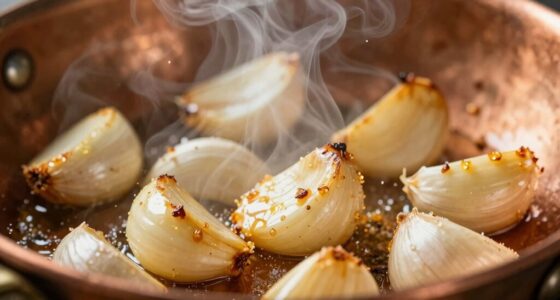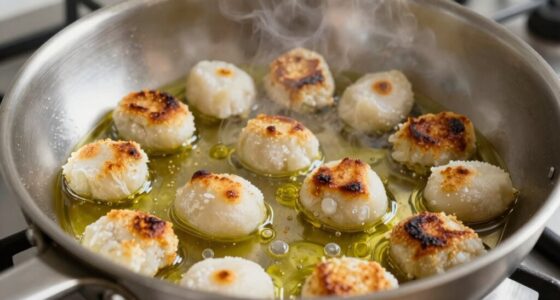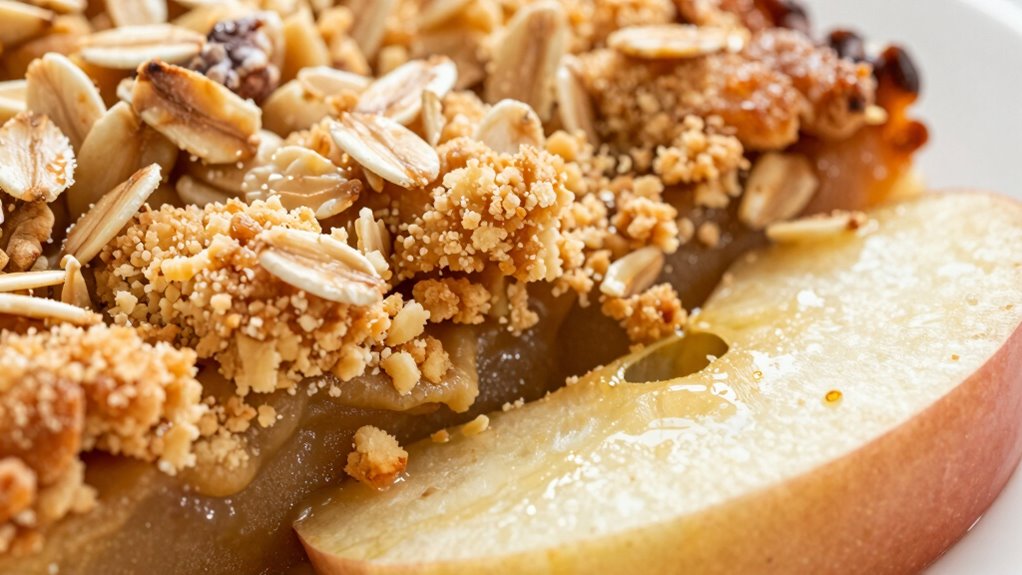

Crispness and crunchiness let you control how your food feels and sounds when you bite into it. Crispy foods have a delicate, brittle exterior that shatters easily, while crunchy foods offer a firm resistance with a resonant sound. Techniques like frying or baking help create these textures, and ingredients like breadcrumbs or nuts enhance them. Mastering these differences can elevate your dishes, so stick around to learn how you can perfect each texture yourself.
Key Takeaways
- Crisp foods have a delicate, brittle exterior that shatters easily, producing a sharp crackle sound.
- Crunchy foods are denser, firmer, with a satisfying resistance and resonant crunch during chewing.
- Cooking techniques like baking, frying, and roasting influence the development of crispness and crunchiness.
- Proper ingredient choices, such as breadcrumbs or cornstarch, help achieve and control desired textures.
- Storage methods, like airtight containers and proper drying, are key to maintaining or controlling crisp and crunchy qualities.

Kikkoman Panko Style Coating – Natural Flavor, Delicate and Crisp Texture, Gluten-Free Breadcrumbs, Ideal for Baked Dishes, Meat, Chicken, Seafood, Veggies – 8 Oz, Pack of 1
GLUTEN-FREE: The Kikkoman Panko Style Coating contains crispy texture of panko without gluten, making it suitable for those…
As an affiliate, we earn on qualifying purchases.
As an affiliate, we earn on qualifying purchases.
What’s the Difference Between Crispy and Crunchy Food?
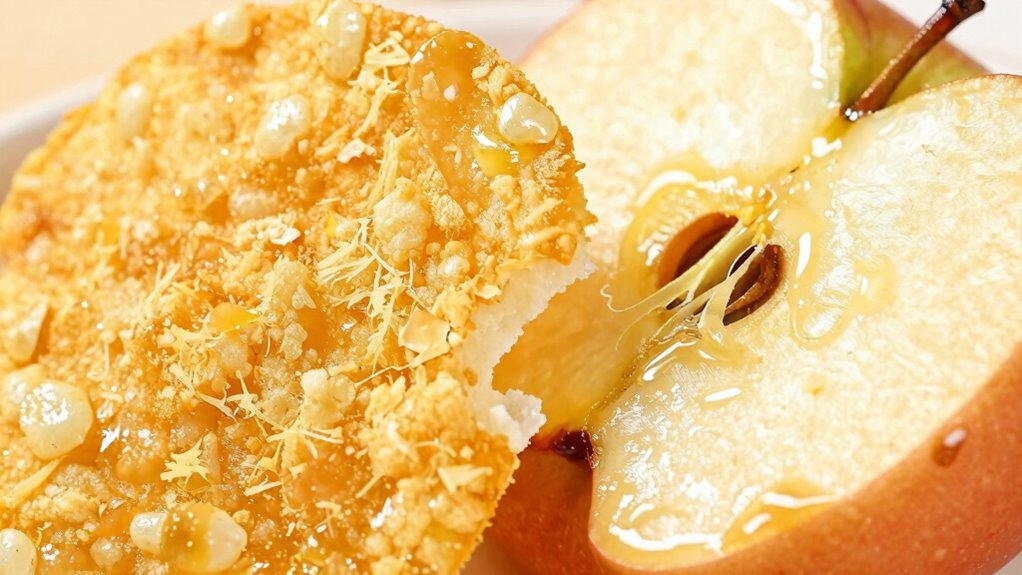
Have you ever wondered what truly sets crispy food apart from crunchy food? The key lies in texture contrast and sensory perception. Crispy foods offer a delicate, brittle exterior that shatters easily when you bite into them, creating a light, airy sensation. Crunchy foods, on the other hand, have a denser, more substantial texture that produces a firm, satisfying resistance with each chew. Your senses perceive these differences through sound and feel—crispy items emit a sharp crackle, while crunchy ones produce a deeper, more resonant crunch. This distinction influences how you enjoy food, affecting your overall experience. texture contrast plays a crucial role in how we perceive and enjoy different foods. Additionally, food texture can also impact how flavors are released and experienced during eating.

Airtight Food Storage Containers with Lids, Vtopmart 24 pcs Plastic Kitchen and Pantry Organization Canisters for Cereal, Dry Food, Flour and Sugar, BPA Free, Includes 24 Labels,Black
Help Organize Your Kitchen and Pantry— Imagine every time walking to your kitchen or pantry, found everything is…
As an affiliate, we earn on qualifying purchases.
As an affiliate, we earn on qualifying purchases.
How Do Cooking Methods Affect Food’s Crispness and Crunchiness?
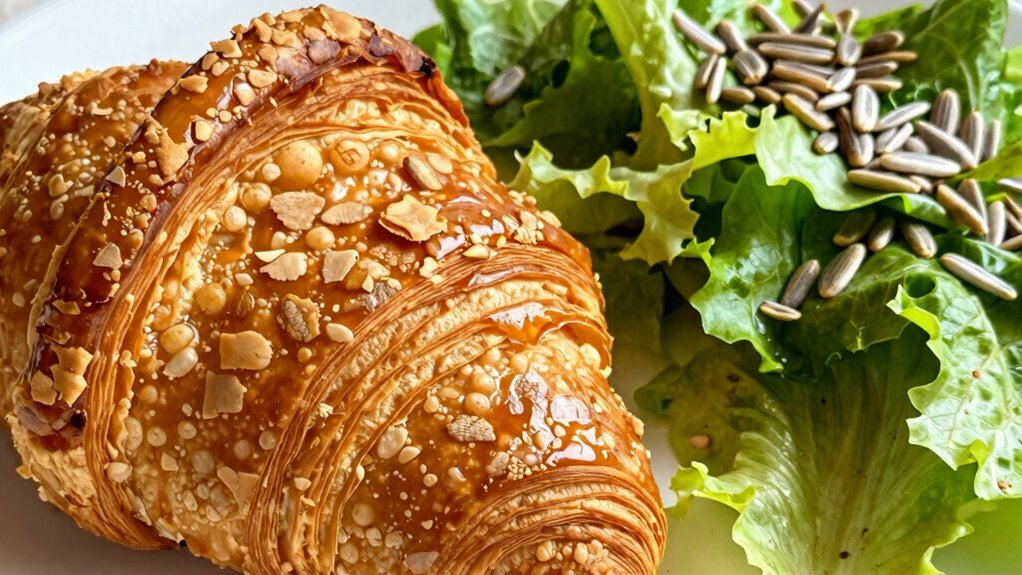
Cooking methods play a significant role in shaping a food’s crispness or crunchiness by altering its moisture content and structure. Baking, frying, or roasting can create a crispy exterior through moisture evaporation and rapid heat transfer, leading to texture enhancement. Frying, especially deep-frying, locks in flavors while producing a crunchy shell, thanks to the Maillard reaction. Conversely, boiling or steaming preserves moisture, resulting in softer textures. Proper cooking techniques help maintain the balance between crispness and flavor preservation, guaranteeing the food doesn’t become soggy or too dry. Understanding these methods allows you to control texture, achieving the desired crunch or crispiness while amplifying flavor. Additionally, the choice of cooking method influences the textural qualities of vintage tech, which can be appreciated in modern retro-inspired culinary presentations. Recognizing how different techniques impact the structure of food enables more precise control over the final texture. For instance, using the right temperature and cooking time can prevent overcooking and preserve the ideal crispness. Ultimately, selecting the right approach ensures your food’s texture complements its taste, making every bite satisfying.

yeeplant 3 Pcs Square Air Fryer Racks, Stainless Steel Stackable Dehydrator for Frying Baking Dehydrating, Multi-Layer BBQ Grill with Edge Protection, 8.1 in Versatile Air Fryer Accessory
Built with quality stainless steel: crafted from food-level stainless steel, these air fryer racks possess considerable resistance to…
As an affiliate, we earn on qualifying purchases.
As an affiliate, we earn on qualifying purchases.
Which Ingredients Help Make Food Crispy or Crunchy?
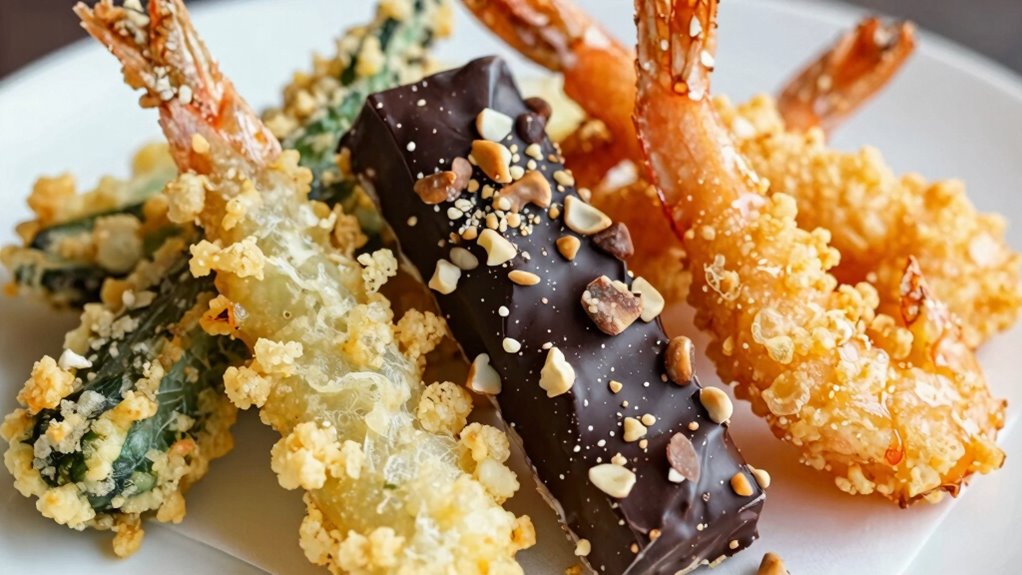
What ingredients make food crispy or crunchy? Typically, coatings like breadcrumbs, panko, or crushed nuts create a satisfying texture. Using starches such as cornstarch or rice flour in seasoning techniques helps achieve a light, crispy crust, especially when fried or baked. Eggs or buttermilk can act as binders, enhancing adhesion and crispness. For extra crunch, adding crispy elements like fried onions or tempura batter works well. When plating aesthetics, these ingredients add visual appeal through golden, textured layers. The right combination of seasonings enhances flavor and contributes to the desired crunch. Remember, selecting ingredients that promote dryness and firmness is key to building that crisp or crunchy texture you’re aiming for in your dish. Additionally, incorporating techniques from Pinball Machine Design, such as precise layering and material choices, can inspire innovative approaches to achieving the perfect texture in culinary creations, emphasizing the importance of layering techniques. Paying attention to ingredient moisture content can also make a significant difference in achieving optimal crispiness or crunchiness. Moreover, controlling baking temperature and timing is crucial for consistent results, and understanding texture control principles can help refine your methods.

Alpha Grillers Meat Thermometer Digital – Instant Read Food Thermometer for Cooking & Grilling – Professional Kitchen Gifts for Men, Dad & Mom
Instant Read Food Thermometer | Our instant read thermometer features a temperature probe and advanced, highly accurate technology…
As an affiliate, we earn on qualifying purchases.
As an affiliate, we earn on qualifying purchases.
How Can You Make Your Food Crispy or Crunchy at Home?
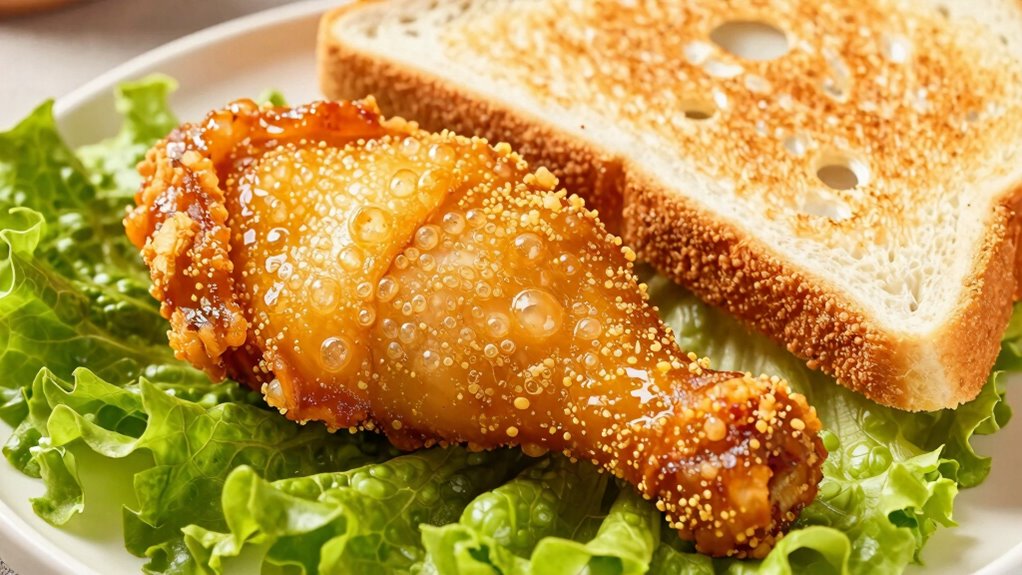
Wondering how to achieve that perfect crispy or crunchy texture at home? Start with proper seasoning techniques to enhance flavor and adhesion. Lightly coat your food with a flavorful spice mix or a simple flour or batter to help create a crisp exterior. When it’s time to store leftovers, use airtight containers or resealable bags to keep moisture out, preventing sogginess. For longer storage, consider freezing items to lock in freshness and crunch. Before reheating, ensure your oven or air fryer is preheated; this helps restore that crispy texture. Avoid stacking food directly on top of each other, which can trap moisture. Additionally, understanding cooking techniques in an air fryer can help you better control the texture of your dishes. Being mindful of moisture management in storage can significantly extend the crunchiness of your foods. Practicing proper storage methods can also help maintain that satisfying crunch longer, ensuring your homemade treats stay crispy and delicious. Incorporating knowledge of food preservation can inspire innovative ways to enhance your kitchen or dining space for better food presentation and storage. With these tips, your homemade dishes will stay deliciously crispy and crunchy longer.
What Are Common Mistakes That Prevent Achieving Perfect Texture?
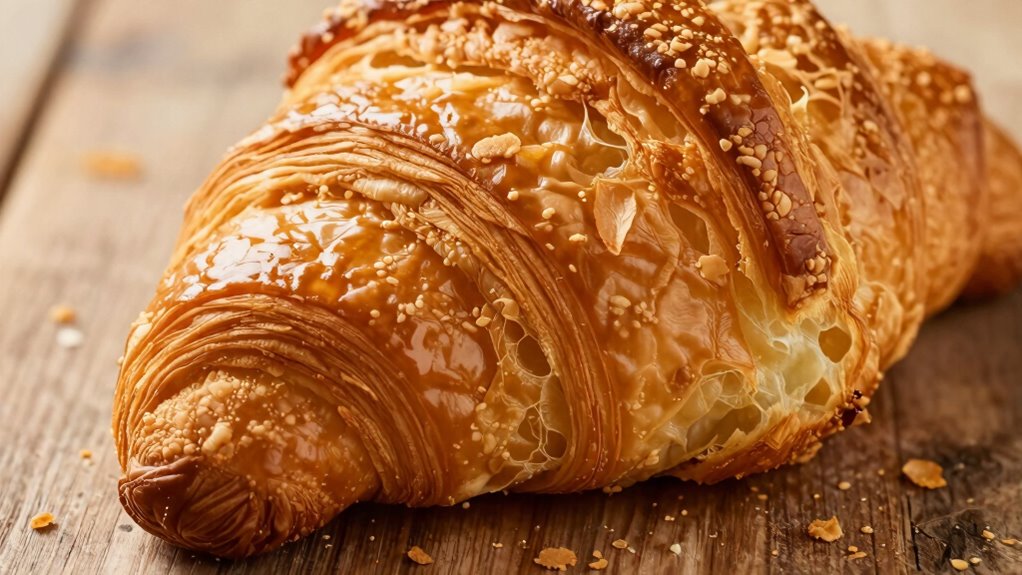
One of the most common mistakes is overcrowding the pan or baking sheet, which traps steam and prevents food from crisping up properly. Overcooking mistakes also play a big role; leaving food in the oven or on the stove too long can turn crispness into sogginess. Additionally, improper storage can sabotage your efforts—storing crispy foods in airtight containers traps moisture, softening the texture over time. To avoid these pitfalls, give your food enough space during cooking, monitor cook times carefully, and store leftovers in breathable containers or loosely covered. These small adjustments help you achieve the perfect balance of crisp and crunch, ensuring your dishes stay satisfying and texturally appealing. Recognizing and avoiding these common errors keeps your textures just right.
How Can You Troubleshoot and Control Crispness and Crunch?
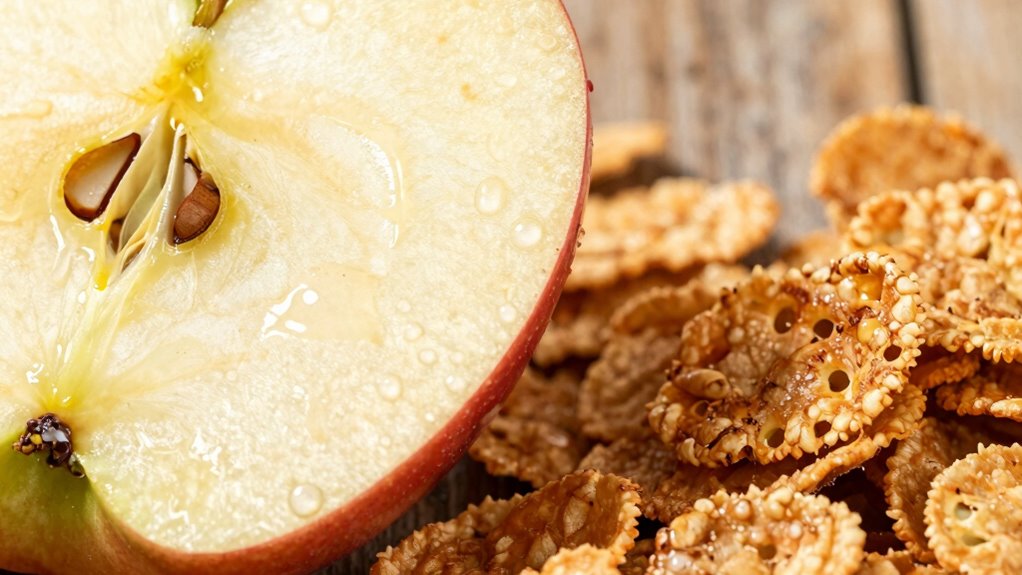
Troubleshooting and controlling crispness and crunch involves understanding how different factors influence texture and making adjustments accordingly. To enhance texture, focus on proper moisture control, as excess moisture softens crisp foods, while too little can make them overly dry. Use techniques like drying or refrigerating ingredients before cooking to maintain desired crunch. If your dish lacks crispness, try re-crisping in an oven or air fryer to restore texture. For texture enhancement, consider coating or breading foods evenly to promote uniform crunch. Monitoring storage conditions is also key; keep crispy items in airtight containers to prevent moisture absorption. Additionally, understanding proper moisture management can inspire resilience in cooking techniques, helping you adapt recipes to maintain desired textures. Incorporating Water retention practices, such as pre-soaking or controlling humidity during storage, can further improve your ability to troubleshoot and control crispness and crunch. Being aware of airflow and avoiding high humidity environments also plays a vital role in preserving the ideal texture of crispy foods. By fine-tuning moisture levels and applying targeted techniques, you can troubleshoot issues and consistently control the crispness and crunch you want in your dishes.
Frequently Asked Questions
How Does Humidity Influence the Crispness and Crunchiness of Food?
Humidity impact profoundly affects your food’s crispness and crunchiness. When humidity rises, moisture levels increase, causing foods like chips or crackers to lose their crunch and become soggy. To maintain that desirable texture, you need moisture control by storing foods in airtight containers and keeping them in cool, dry places. This way, you prevent excess humidity from softening your snacks, ensuring they stay crispy and crunchy longer.
Can Storage Containers Impact a Food’s Texture Over Time?
While food packaging often promises freshness, the container material can subtly influence a food’s texture over time. If you store crispy snacks in airtight plastic or metal containers, you preserve their crunch. Conversely, porous or poorly sealed containers can trap moisture, leading to sogginess and loss of crispness. So, choosing the right storage container directly impacts your food’s texture, helping it stay crisp or crunchy longer.
Are There Specific Spices or Seasonings That Enhance Crispness?
You can enhance crispness with specific spice blends and seasoning techniques. Use dry spices like paprika, garlic powder, or chili flakes to add flavor and help maintain crunch. Lightly coating foods with seasoned flour or cornstarch before cooking can also boost crispness. Remember, seasoning techniques such as sprinkling spices at the right time or using a marinade can elevate texture, ensuring your food stays irresistibly crisp and flavorful.
How Does Temperature Affect the Preservation of Crispy or Crunchy Textures?
Imagine your snack as a delicate sculpture, fragile yet vibrant. Temperature control is key to preserving that crisp or crunch, like a shield against the elements. When you keep foods cold, moisture management prevents sogginess, maintaining their lively texture. Too warm, and moisture seeps in, softening the structure. So, by carefully managing temperature, you guard your snack’s integrity, keeping it crisp and crunchy, just as you like it.
Can Re-Heating Methods Restore Lost Crispness or Crunchiness?
Re-heating can restore some crispness or crunchiness, but it’s often limited. Oven reheating is your best bet; it helps dry out moisture and brings back texture. Microwaves, however, tend to make foods soggy because they generate steam, which softens crisp surfaces. To maximize crispness, use the oven, set it to a moderate temperature, and reheat food evenly to help regain that satisfying crunch.
Conclusion
Mastering the art of crispness and crunchiness can elevate your cooking to legendary status—think crispy as a knight’s armor and crunchy enough to shatter expectations. By understanding the subtle differences, choosing the right ingredients, and perfecting your techniques, you hold the power to create textures that delight every bite. Don’t settle for mediocre—transform your dishes into irresistible masterpieces that will leave everyone in awe of your culinary prowess!