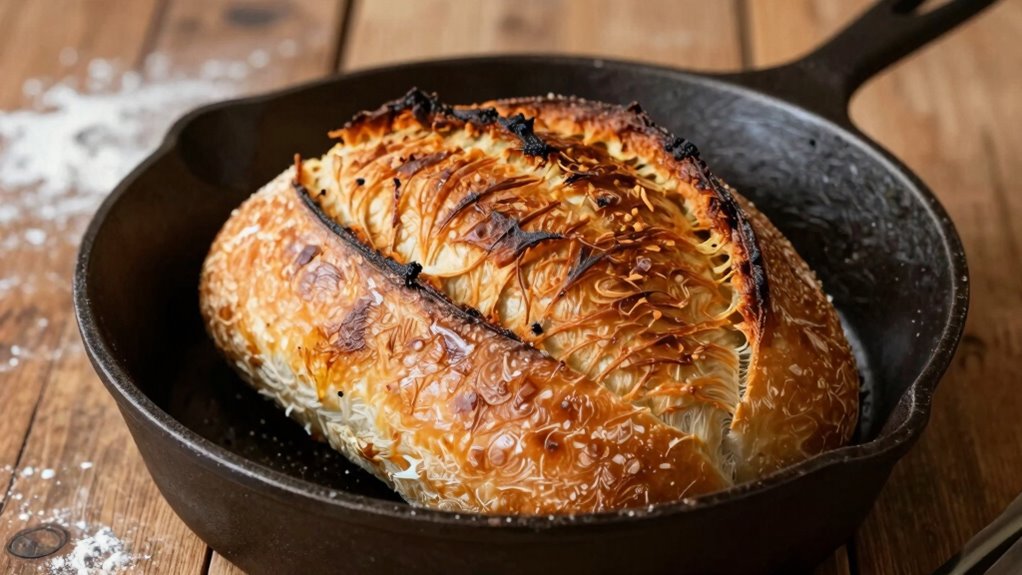
To prevent burnt bread bottoms in your cast iron skillet, preheat your oven and use an oven thermometer to maintain a consistent temperature. Line the skillet with parchment paper to create a barrier and guarantee even cooking. Properly season your skillet to avoid sticking and hot spots. Keep an eye on your bread as it bakes, rotating the skillet halfway through. These simple tips can help you achieve that perfect loaf, and there’s more to discover!
Key Takeaways
- Preheat the oven properly and use an oven thermometer to identify and manage hot spots for even baking.
- Place parchment paper at the bottom of the skillet to prevent direct contact with the hot surface.
- Maintain a well-seasoned cast iron skillet to ensure even heat distribution and prevent sticking.
- Monitor baking closely, rotating the skillet halfway through to avoid uneven browning.
- Move the skillet to a higher rack or cover with aluminum foil if the bottom browns too quickly.
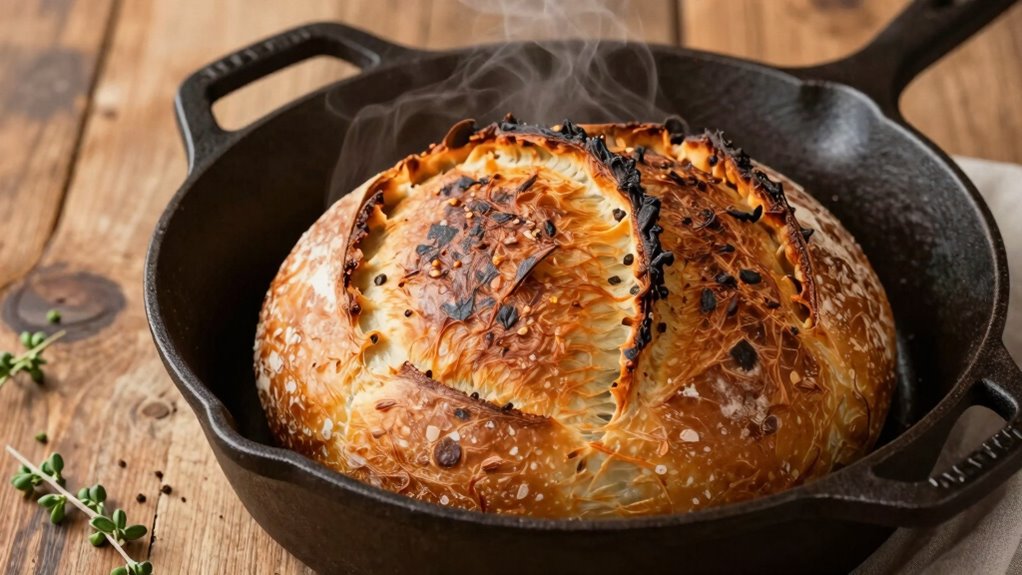
When you’re baking bread, the last thing you want is a charred bottom ruining your creation. You’ve spent time mixing, kneading, and waiting for that perfect rise, only to have the bottom scorched. Luckily, you can prevent this common issue, especially when using a cast iron skillet or Dutch oven. With the right baking techniques and proper cast iron care, you can achieve that golden crust without the burnt taste.
First, let’s talk about temperature. If your oven is too hot, it can lead to uneven cooking. It’s essential to preheat your oven adequately, but you should also know your oven’s hot spots. A simple oven thermometer can help you find out if the temperature is just right. Baking bread at a consistent temperature guarantees that the heat circulates evenly, preventing the bottom from cooking too quickly. Proper oven temperature regulation is especially important for cast iron baking, as it helps avoid hot spots that can cause burning. Additionally, using a baking stone or steel can help distribute heat more evenly and prevent scorching. To further improve heat distribution, consider using insulating baking mats that can buffer direct contact with the hot cast iron surface. Also, adjusting the placement of your cast iron within the oven can significantly influence how evenly your bread bakes.
Understanding your oven’s temperature and hot spots is crucial for baking evenly cooked bread without a burnt bottom.
Another key aspect of successful baking in cast iron is the use of parchment paper. Placing a sheet of parchment on the bottom of your skillet can create a barrier between the bread and the hot surface. This simple step can drastically reduce the risk of burning while still allowing for that crispy crust you love. Just remember to trim the parchment paper to fit snugly inside your cast iron piece.
When it comes to cast iron care, seasoning is critical. A well-seasoned skillet not only prevents sticking but also helps distribute heat evenly. If you notice your bread sticking or burning, consider re-seasoning your cast iron. To do this, clean it thoroughly, dry it, and apply a thin layer of oil before heating it in the oven. This process creates a non-stick surface that’s perfect for baking. Additionally, maintaining proper cast iron seasoning is essential for even heat distribution and preventing hot spots that can cause burning.
Don’t forget about the importance of timing. Keep an eye on your bread as it bakes. You can rotate the skillet halfway through the baking process to guarantee even cooking. If you notice the bottom starting to brown too quickly, you can move the skillet to a higher rack in the oven or cover it with aluminum foil to shield it from direct heat. Also, understanding baking time can help you prevent overcooking and burning at the bottom.
Finally, let your bread cool on a wire rack after baking. This allows moisture to escape, preventing a soggy bottom. By mastering these baking techniques and caring for your cast iron properly, you’ll be well on your way to baking perfectly golden loaves without the dreaded burnt bottom. Enjoy the process, and happy baking!
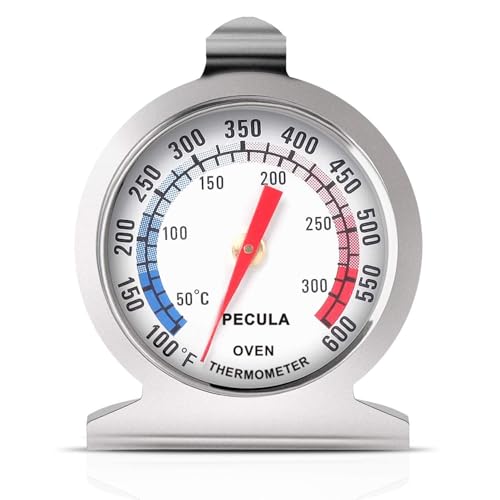
Stainless Steel Oven Thermometer 50-300°C/100-600°F, Analog Instant Read, Battery-Free Kitchen Cooking Thermometer, Hook & Stand Design Food Thermometer for Oven, Grill, Smoker, Fryer
Clear Dial Display: PECULA's analog oven thermometer delivers precise, instant readings from 50–300°C / 100–600°F. Its dial features…
As an affiliate, we earn on qualifying purchases.
As an affiliate, we earn on qualifying purchases.
Frequently Asked Questions
Can I Use Non-Stick Spray on Cast Iron?
Yes, you can use non-stick spray on cast iron, but it’s not the best choice. While spray effectiveness might seem appealing, it can leave a residue that builds up over time, affecting your pan’s seasoning. Instead, consider non-stick alternatives like a thin layer of vegetable oil or lard. These options help maintain your cast iron’s seasoning while providing a natural non-stick surface, ensuring your food cooks evenly without sticking.
How Often Should I Season My Cast Iron?
You should season your cast iron about every 1 to 3 months, depending on how often you use it. If you notice food sticking or see dull patches, it’s time to refresh it. Use seasoning techniques like applying a thin layer of oil and baking it upside down in the oven. Regular maintenance helps maintain that non-stick surface, ensuring your cooking experience is smooth and enjoyable.
What Type of Bread Works Best in Cast Iron?
If you think your cast iron skillet can only handle burnt toast, think again! Sourdough bread reigns supreme in cast iron, with its perfect crust and chewy interior. Focaccia recipes also shine, soaking up the skillet’s heat while creating a delightful, crispy base. So, grab that skillet and release your inner artisan baker. Just remember, nobody wants a burnt bottom—unless you’re aiming for that “charred chic” aesthetic! Happy baking!
Is It Safe to Use Soap on Cast Iron?
Yes, it’s safe to use soap on cast iron, contrary to common soap myths. While you shouldn’t soak your skillet or scrub off the seasoning, a little soap won’t hurt during routine cast iron maintenance. Just make sure to rinse it well and dry it immediately to prevent rust. If you’ve seasoned your pan properly, it’ll maintain its non-stick surface, even with occasional soap use. Enjoy cooking with your cast iron!
Can I Bake in a Preheated Cast Iron Skillet?
Yes, you can bake in a preheated cast iron skillet! Preheating enhances the cast iron benefits, like even heat distribution, which results in perfectly baked goods. Just make sure to use proper baking techniques, like greasing the skillet to prevent sticking. Keep an eye on the baking time, as cast iron retains heat well. You’ll love the crispy crust and delicious flavor your baked creations develop in that trusty skillet!

CampLiner Disposable Dutch Oven Liners – 20 Pack Extra-Thick Parchment Paper Rounds for 10”–14” Cast Iron Dutch Ovens | Eco-Friendly Easy Cleanup Liners for Camping, Sourdough Baking & Outdoor Cooking
20-PACK VALUE SET: Includes 20 pre-cut disposable liners; perfect for camping, outdoor baking, or cast iron cooking.
As an affiliate, we earn on qualifying purchases.
As an affiliate, we earn on qualifying purchases.
Conclusion
By following these tips, you can guarantee your bread bakes to golden perfection instead of charcoal catastrophe. Picture each loaf rising like a sunrise, warm and inviting. With a little patience and care, your cast iron will become a trusted ally in the kitchen, transforming simple ingredients into delicious memories. So, embrace the process, and let your culinary creations shine, free from the shadows of burnt bottoms. Your taste buds will thank you with every bite!

Heat Equalizer-9.25 inch Cast Iron Heat Diffuser Plate for Gas & Electric Stoves | Even Heat Distribution & Simmer Plate-even cooking-Durable Heat Tamer for Burners & Cooktops
Perfect Fit for Your Cookware: The Cast Iron Heat Equalizer is designed with a 9.25-inch diameter, ensuring a…
As an affiliate, we earn on qualifying purchases.
As an affiliate, we earn on qualifying purchases.
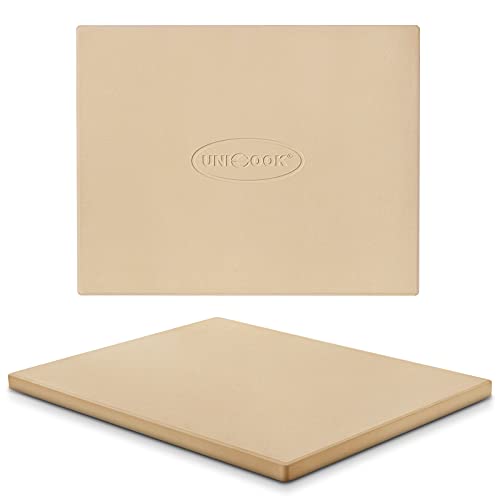
Unicook Pizza Stone, Heavy Duty Cordierite Pizza Pan for Oven and Grill, Thermal Shock Resistant Baking Stone for Bread, 15 X 12 Inch Rectangular, 6.8 lbs
Rectangular Baking Stone: This baking stone measures 15" L x 12" W with 0.6" thickness and weighs about…
As an affiliate, we earn on qualifying purchases.
As an affiliate, we earn on qualifying purchases.