To master crust color from pale to deep brown, focus on your dough’s fermentation and oven temperature. Longer fermentation develops natural sugars that help build rich browning, while hotter ovens promote quick caramelization for a darker crust. A pale crust usually means underbaked, while deep brown indicates perfect doneness and flavor. By adjusting these factors, you’ll achieve the ideal hue and texture every time. Keep exploring for tips that will make your pizza baking just right.

Get kitchen gear delivered free — and shop member deals
- Fast, free delivery on millions of items
- Access to Prime Big Deal Days deals on October 6–7
- Prime Video, Amazon Music and more included
Key Takeaways
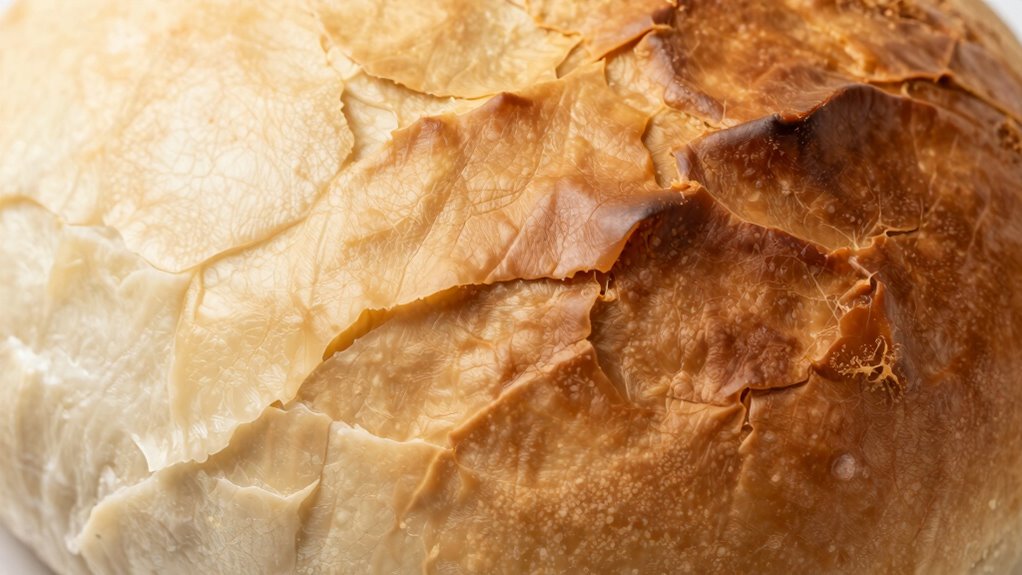
- Crust color indicates doneness, ranging from pale (underbaked) to deep brown (perfectly caramelized).
- Longer fermentation enhances sugars, leading to richer, darker crusts during baking.
- Higher baking temperatures promote rapid browning and deeper crust color.
- Proper balance of fermentation and temperature prevents under- or over-browning.
- Visual cues, combined with baking time, ensure an aesthetically appealing crust from pale to deep brown.
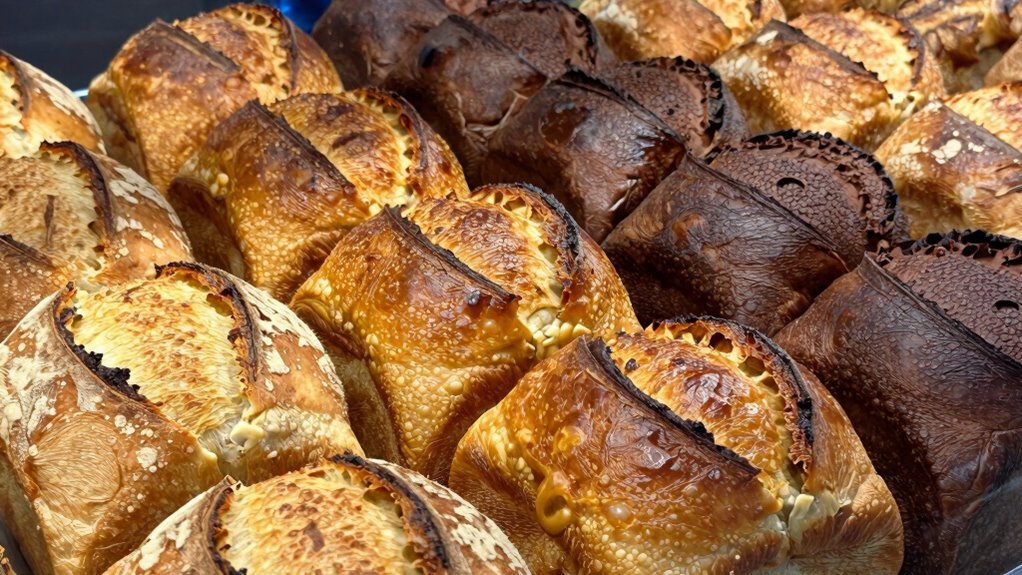
Ever wondered what your pizza crust color says about its doneness? The color of your crust isn’t just about aesthetics; it’s a visual cue that tells you whether your pizza is perfectly baked. Achieving the right crust hue hinges on a few key factors, especially dough fermentation and baking temperature. When you understand how these elements influence crust color, you can bake with confidence, guaranteeing each pizza comes out just right.
Crust color reveals perfect doneness—master fermentation and temperature for a beautifully baked pizza.
Dough fermentation plays a pivotal role in how your crust develops color. As the dough ferments, enzymes break down starches into sugars, which then caramelize during baking. Longer fermentation times, such as cold fermentation, allow for more complex flavors and deeper browning. If your dough hasn’t fermented enough, the crust may turn out pale because there isn’t enough sugar present to caramelize at typical baking temperatures. Conversely, overfermentation can lead to overly dark or burnt spots, especially if your oven runs hot. Proper dough fermentation guarantees a balanced sugar content, giving your crust a desirable golden hue without risking uneven coloring. Additionally, understanding the importance of dough fermentation helps you tailor your process for the perfect crust shade. Developing an awareness of fermentation time can also enhance your ability to control the crust color development process. Recognizing how fermentation influences the development of sugar content in the dough further empowers you to achieve your ideal crust hue. Moreover, controlling fermentation conditions can help prevent undesirable overfermentation effects that might compromise the crust’s appearance.
Baking temperature is another essential factor. High temperatures, often around 475°F to 500°F (245°C to 260°C), encourage rapid caramelization, resulting in a deep, golden-brown crust with a crisp texture. When you bake at lower temperatures, the crust tends to stay pale or only lightly browned because the heat isn’t enough to trigger extensive caramelization. If you aim for a deep brown or even charred crust, cranking up the temperature and baking quickly helps achieve that. However, you need to monitor your oven carefully, as excessive heat can burn the outer layers before the inside is cooked through.
The journey from pale to deep brown is a delicate balance influenced by your dough’s readiness and your oven’s heat. For a light, golden crust, bake at a moderate temperature for a slightly shorter time, especially if your dough hasn’t undergone extended fermentation. For a richer, darker crust, opt for a hotter oven and longer baking time, but be vigilant to prevent burning. Remember, each oven is different, and factors like oven stone or baking surface also impact how the crust develops its color.
In the end, your perfect crust color is a combination of careful dough fermentation and precise baking temperature. Paying attention to these details allows you to control the doneness visually, making your pizza not only delicious but also visually appealing with a color that matches your flavor and texture preferences.
As an affiliate, we earn on qualifying purchases.
Frequently Asked Questions
How Does Oven Temperature Affect Crust Color?
You’ll notice that higher oven temperatures quicken the browning process, resulting in a darker crust, while lower temps produce a lighter color. Baking time also plays a role; longer baking develops a deeper hue. Additionally, oven humidity impacts crust color—more humidity can slow browning, keeping the crust paler. Adjusting these factors allows you to control the crust’s shade, ensuring it matches your desired doneness and texture.
Can Crust Color Indicate Doneness Without Cutting the Bread?
Think of crust color as a bread’s handshake—firm and confident signals doneness. You can often tell by its deep, rich hue without cutting, especially if the crust is thick and cracking slightly, indicating a well-baked interior. A crust that’s evenly browned with gentle cracking shows the bread’s ready. If it’s pale or overly shiny, it might need more time. Trust your eyes and touch to gauge doneness confidently.
Does Crust Color Impact Bread Flavor?
Yes, crust color impacts bread flavor by influencing its crust texture and aroma. A darker crust typically develops richer, more complex flavors because of caramelization and Maillard reactions. You’ll notice a more robust aroma with a deep brown crust, which enhances your overall tasting experience. Conversely, a pale crust might lack these intensified flavors. So, paying attention to crust color helps you achieve the ideal balance of flavor, aroma, and texture in your bread.
How Do Different Flours Influence Crust Color?
Different flours subtly influence crust color through natural processes like enzymatic browning and the effects of flour bleaching. Whole grain flours tend to produce a darker, richer crust due to higher mineral content, while bleached flours may result in a paler crust by inhibiting enzymatic browning. You can manipulate crust shades by choosing specific flours, balancing natural coloration with your desired aesthetic and flavor profile.
Is a Darker Crust Always Better?
A darker crust isn’t always better because it can result from artificial coloring or excessive baking, which might mask quality or affect flavor. Thicker crusts tend to darken more easily, but that doesn’t mean they’re superior. Focus on evenly baked crusts with appealing color and texture. Ultimately, the perfect crust balances flavor, thickness, and color, so don’t assume darker is automatically best—look for quality and your personal preference.
As an affiliate, we earn on qualifying purchases.
Conclusion
Now that you’re familiar with crust colors, you can confidently judge your baked delights like a seasoned painter evaluating their masterpiece. From pale to deep brown, each shade tells a story of perfect timing and temperature. Think of crust color as a secret handshake between you and your oven—hidden yet revealing. With this guide, you’ll turn simple baking into an art form, ensuring every crust is a golden crown atop your culinary creation.
As an affiliate, we earn on qualifying purchases.
As an affiliate, we earn on qualifying purchases.
Fall Picks
fall essentials
As an affiliate, we earn on qualifying purchases.