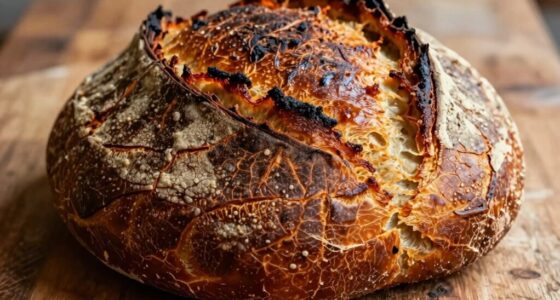
When you’re deciding between a stone burr mill and an impact mill, texture plays a key role. Stone burr mills produce coarser, more textured flour, preserving natural oils and enhancing flavor. In contrast, impact mills create very fine flour quickly, but lack that rustic feel and may lose delicate flavors due to heat. Choosing the right mill can elevate your baking. If you’re curious about how these differences affect your cooking, there’s more to explore!

Get kitchen gear delivered free with Prime
- Fast, free delivery on millions of items
- Prime Video, Amazon Music and more included
- Member-only deals all year
Key Takeaways
- Stone burr mills produce coarser, more textured flour, enhancing the rustic feel in baked goods.
- Impact mills create very fine flour, which may lack the desired texture for certain recipes.
- The grinding process in stone burr mills retains natural oils, contributing to a richer flavor profile.
- Flour from impact mills can lose flavor due to heat generated during rapid grinding.
- Stone burr mills allow for easy adjustment of grind size, offering versatility in texture for different culinary needs.

When you’re deciding between a stone burr and an impact mill for your grinding needs, it’s crucial to evaluate how each one affects the texture and flavor of your ingredients. Each method has its unique characteristics, and understanding these differences can help you choose the right tool for your culinary creations.
A stone burr mill uses two large, heavy stones to crush grains, nuts, or seeds. This traditional method produces a coarser, more textured flour. The stones press against each other, allowing for consistent grinding. Because of this process, you’ll often find that the flour retains more of its natural oils and flavors. This means when you use flour ground with a stone burr, you’re likely to notice a richer taste in your baked goods. If you’re aiming for artisanal breads or pastries, this method can enhance the final product’s flavor profile considerably.
On the other hand, an impact mill relies on high-speed blades to pulverize your ingredients. This method can produce a very fine flour quickly, but it often creates heat during the grinding process. The heat can affect the flavor and nutritional quality of your ingredients. If you’re grinding delicate spices or grains, this might not be a great choice. The fine texture can be appealing for some recipes, but if you prefer a more rustic feel, the impact mill may leave you wanting. Additionally, grain structure can influence how the flour interacts with other ingredients in your recipes. Moreover, the grinding method can influence the nutritional retention of your ingredients, especially when preserving delicate oils and flavors.
Furthermore, choosing the right grinding method can also impact your kitchen efficiency, especially if you have limited time for meal prep. If you value control over texture, a stone burr mill allows you to adjust the grind size more easily. You can achieve everything from coarse meal to fine flour, making it versatile for different recipes. The gradual grinding process also means less risk of overheating, preserving the integrity of your ingredients. Proper maintenance of the stones is essential to ensure consistent results over time. Additionally, nutritional retention is better preserved with stone grinding, especially for delicate oils and flavors. Conversely, with an impact mill, while you can produce fine flour rapidly, you may lose some important flavors due to the heat generated.
Ultimately, your choice between a stone burr and an impact mill should reflect your cooking style and the specific outcomes you want. If you cherish the flavor and texture of your ingredients, investing in a stone burr might be the way to go. For quick, fine grinding needs, an impact mill could serve you well. By understanding the distinctions between these two methods, you can guarantee your grinding tool aligns perfectly with your culinary vision.
Products Worth Considering

Philips 3300 Series Fully Automatic Espresso Machine with Milk Frother, Grinder, Hot and Iced Coffee Presets, SilentBrew, 15-Bar Pressure (E

De'Longhi Rivelia Automatic Espresso Machine with Grinder and Milk Frother, Beige

Instant Pot Duo Crisp Ultimate 6.5-Quart 13-in-1 Pressure Cooker and Air Fryer
As an affiliate, we earn on qualifying purchases.
Frequently Asked Questions
What Grains Can Be Milled Using Stone Burrs?
You can mill various grain types using stone burrs, including wheat, corn, oats, and rye. These mills excel at producing flour with a fine texture while maintaining nutritional value. Stone burrs provide excellent milling efficiency, allowing you to achieve consistent results with minimal heat buildup, which can affect flavor. So, whether you’re baking bread or making pancakes, stone burrs are a great choice for milling your grains.
How Do Impact Mills Handle Moisture in Grains?
Impact mills handle grain moisture by using high-speed blades that create heat, which helps evaporate excess moisture during the milling process. This can enhance milling efficiency, as drier grains tend to grind more uniformly. However, if the moisture content is too high, it can lead to clumping and reduced performance. You’ll want to monitor grain moisture to guarantee ideal results when using an impact mill for your milling needs.
Are Stone Burr Mills Easier to Clean Than Impact Mills?
Yes, stone burr mills are generally easier to clean than impact mills. Their design allows for straightforward disassembly, making cleaning efficient. To enhance your cleaning routine, consider maintenance tips like removing all flour buildup regularly and using a soft brush for hard-to-reach areas. Impact mills, while effective, often require more time and effort to clean due to their complex parts. So, if you prioritize quick maintenance, stone burr mills are a solid choice.
What Is the Lifespan of a Stone Burr Mill?
A stone burr mill can last for decades with proper care! Have you considered how stone burr maintenance impacts grinding efficiency? Regularly checking and adjusting the stones guarantees they function at their best, enhancing your milling experience. While the initial investment might be higher, the longevity and durability of these mills often outweigh the costs. With the right upkeep, you’ll enjoy fresh flour for years, making it a worthwhile addition to your kitchen.
Can I Use an Impact Mill for Spices?
Yes, you can use an impact mill for spice grinding. These mills quickly pulverize spices, preserving their flavors effectively. However, keep in mind that the heat generated during grinding may affect some delicate spices. If you’re looking for a finer texture and maximum flavor preservation, consider your choice of spices carefully. Experiment and see how your impact mill performs, and adjust the grinding time for the best results.
Conclusion
In the battle of stone burr vs. impact mill, it’s clear that each has its unique flair. Stone burrs offer that rustic, artisanal touch with a coarser texture, while impact mills whip up a fine, powdered finish that’s smoother than a jazz solo. Depending on your culinary needs, you can choose the one that best suits your style. So, whether you’re baking bread or whipping up a silky sauce, you can’t go wrong with either choice!