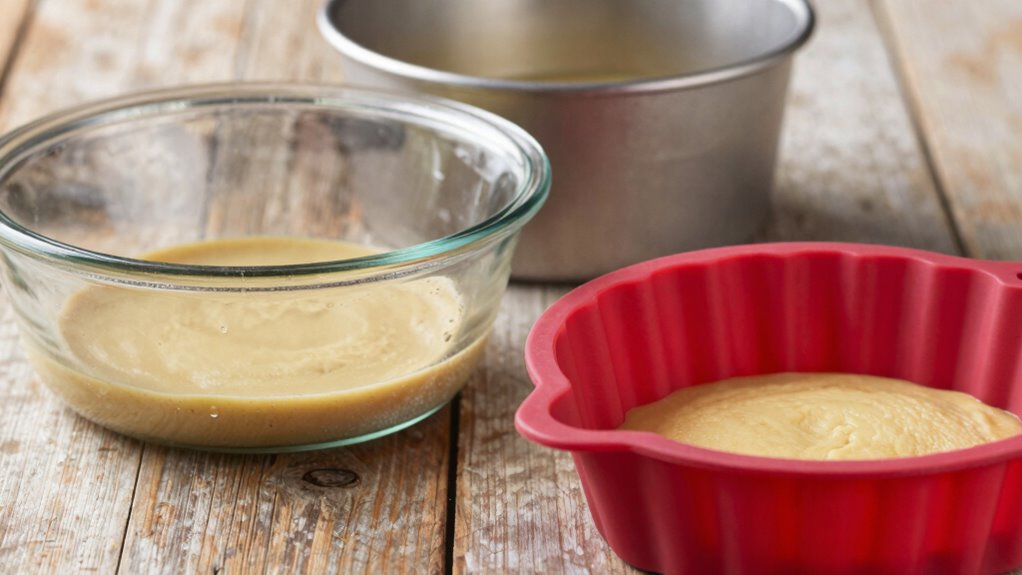
The type of cake pan you choose really impacts bake times and textures. Aluminum pans heat quickly, making them great for light and airy sponge cakes. On the other hand, glass pans distribute heat evenly, perfect for denser cakes. This difference can change how quickly your cake browns and cooks through. Keep in mind, some recipes may require specific pans to turn out just right. You’ll discover more about selecting the best pan for your baking needs next.

Get kitchen gear delivered free with Prime
- Fast, free delivery on millions of items
- Prime Video, Amazon Music and more included
- Member-only deals all year
Key Takeaways
- Aluminum pans heat quickly, resulting in shorter bake times for lighter cakes due to their high heat conductivity.
- Glass pans provide even heat distribution, often requiring longer bake times for denser cakes to ensure thorough cooking.
- Different materials influence browning rates; aluminum may brown cakes faster compared to glass, impacting overall bake time.
- Adjusting baking time based on pan type is essential to achieve desired cake texture and doneness.
- Experimenting with various pans and tracking results helps refine baking techniques and optimize bake times.
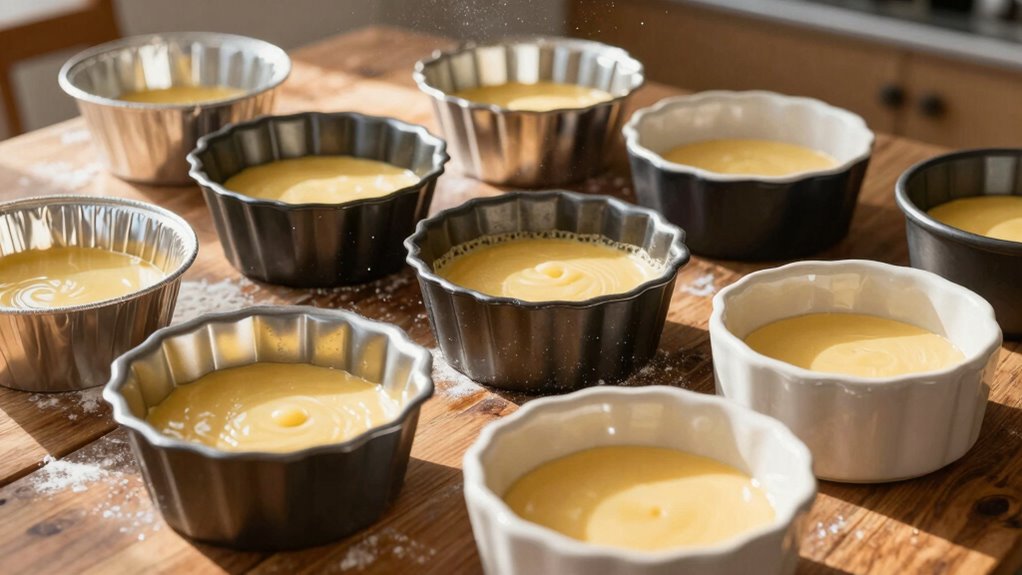
When you’re deciding between the two, think about the type of cake you’re making. If you’re going for a light and airy sponge, aluminum might be the way to go. For denser cakes or those needing a longer baking time, a glass pan could serve you better. It’s all about understanding how each material interacts with heat and how that affects your bake time. Additionally, the heat conductivity of each material plays a crucial role in how evenly your cake bakes. Knowing the thermal properties of your pans can help you predict how they will perform in different baking scenarios. For example, some materials may cause your cake to brown too quickly or unevenly if you’re not familiar with their heat transfer characteristics. Being aware of material composition can further improve your baking results by helping you choose the right pan for specific recipes. Recognizing how material density influences heat absorption can also guide you in selecting pans for different baking needs. Ultimately, experimenting with different pans will help you find what works best for you. Keep track of your results and adjust your baking time accordingly. Whether you lean towards the aluminum advantages or the glass durability, knowing your pans will help you create the best cakes possible.
Products Worth Considering

KitchenAid Classic Series 4.5-Quart Tilt-Head Stand Mixer, Onyx Black

KitchenAid Artisan 5-Quart Tilt-Head Stand Mixer, KSM150PS, Almond Cream
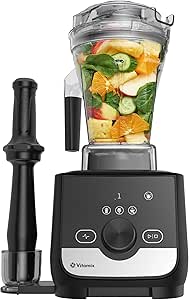
Vitamix Ascent X3 Professional-Grade Blender, 3 Programs, Shadow Black
As an affiliate, we earn on qualifying purchases.
Frequently Asked Questions
Can I Use a Glass Pan Instead of Metal?
Yes, you can use a glass pan instead of metal. Glass pans offer benefits like even heat distribution and better browning, which can enhance your cake’s texture. However, metal pans have drawbacks, such as uneven baking and potential for sticking. Just keep in mind that bake times may differ; you might need to adjust your timing slightly. Enjoy experimenting with your glass pan for a delicious result!
How Do I Properly Care for My Non-Stick Pans?
To properly care for your non-stick pans, avoid using metal utensils that can scratch the non-stick coatings. Instead, opt for silicone or wooden tools. Always hand wash your pans with a soft sponge and mild detergent—dishwashers can damage the coating. Preheating them empty can also harm their longevity, so always add oil or food before heating. With these tips, you’ll keep your non-stick pans in great shape for years to come!
Are Silicone Pans Safe for High-Temperature Baking?
Yes, silicone pans are safe for high-temperature baking, typically up to 500°F. Their silicone durability guarantees they won’t crack or warp under heat, making them a reliable choice. However, keep in mind that silicone’s heat conductivity isn’t as effective as metal, so you might need to adjust your baking times. Always check for doneness to avoid undercooked or overcooked results. Enjoy your baking without worrying about damaging your pans!
What’s the Best Way to Store Baking Pans?
To store your baking pans effectively, use pan organization techniques that maximize space. Stack similar-sized pans together, separating them with paper towels to prevent scratches. Consider using vertical storage solutions, like a rack or cabinet divider, to keep them easily accessible. If you have limited space, hanging them on hooks can work wonders. With these tips, you’ll keep your baking pans in great shape and find what you need quickly.
Do Different Colors of Pans Affect Baking Results?
Ever tried baking in a neon pan? You might be surprised! Yes, pan color does affect your baking results. Darker pans absorb more heat, leading to quicker browning, while lighter pans reflect heat, often resulting in a more even bake. If you want a crispy crust, go for dark; if you prefer a softer texture, stick with light. So, the next time you bake, think about your pan color for the best results!
Conclusion
As you pull your cake from the oven, the aroma wafts through the air, but wait—how did that pan affect your bake? The shiny metal, the dark nonstick, or the ceramic all play their part, each influencing those precious minutes. You can’t help but wonder: Did you nail the perfect rise, or is it a gooey surprise? Next time, remember, the material matters—your masterpiece might just hinge on the choice of pan.