🔍 Read the full analysis: Estratto Di Pomodoro: Sicily's Sun-Dried Tomato Paste And How To Cook With It on Mad Tasting

Get kitchen gear delivered free with Prime
- Fast, free delivery on millions of items
- Prime Video, Amazon Music and more included
- Member-only deals all year
TL;DR
Estratto di pomodoro, also known as strattu, is a dense Sicilian tomato concentrate traditionally made by drying strained ripe tomatoes in the summer sun. It is a pantry ingredient, not a finished sauce: start with one or two teaspoons, cook it briefly in oil, and taste before adding salt.
A Mad Tasting guide to estratto di pomodoro, a dense Sicilian tomato concentrate also called strattu, describes how to use small amounts in sauces, beans, soups and braises. The guide says the paste is traditionally made by slowly drying strained ripe tomatoes in the summer sun, although present-day makers use different methods, including controlled low-temperature processing.
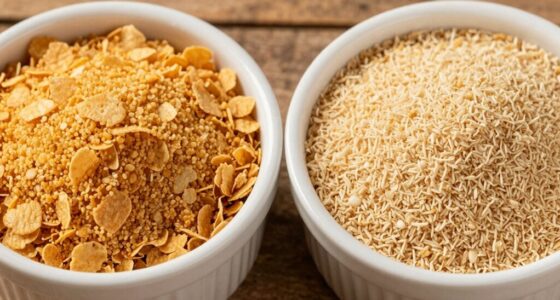
The concentrate is made by reducing ripe tomatoes until much of their water has evaporated, leaving a thick paste with a concentrated sweet, tangy and savory flavor. In parts of western Sicily, including the Trapani area, families traditionally spread strained tomato purée on wide boards or trays, stirred it as it dried, and protected it from dust and insects. The drying could take several days, according to the guide.
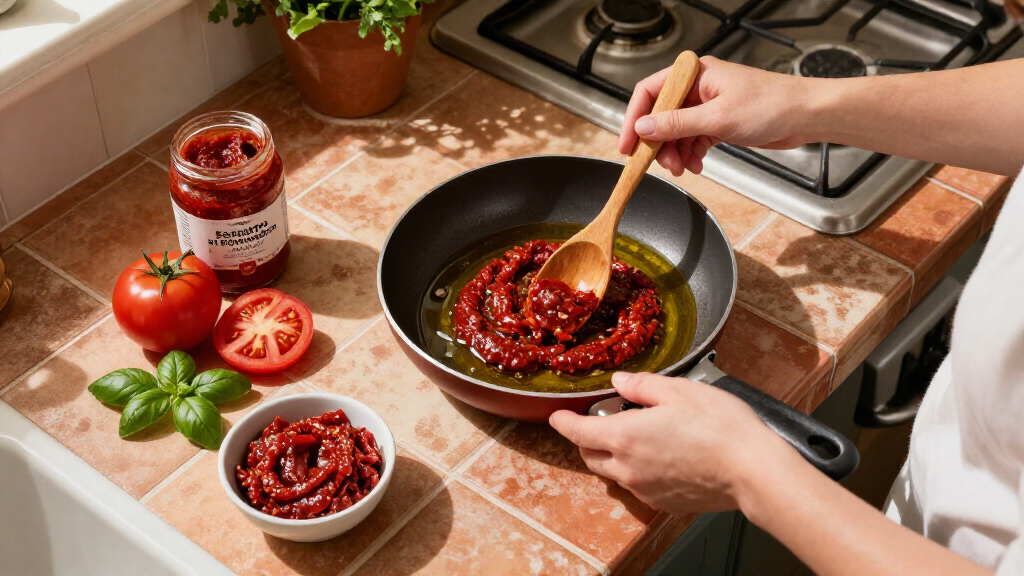
For cooking, the guide recommends beginning with one or two teaspoons for a dish serving two to four people. Soften onion or garlic in olive oil, stir in the paste and cook it briefly—about 30 seconds—before adding tomatoes, broth, vegetables or cooked beans. A firm paste can first be loosened with warm water or broth. The guide advises tasting before salting because some products contain salt and the concentrate can make a dish taste more seasoned.
Estratto can be stirred into pasta sauce, bean dishes, vegetable soup or braising liquid. Unlike chopped sun-dried tomatoes, it disperses through a dish rather than adding distinct pieces; unlike ordinary tomato paste, it is generally more concentrated, though the guide notes that products differ. It advises against cooking the paste over high heat, which can scorch it and create bitterness.
Sicilian Tomato Concentrate How to cook with estratto
Estratto di pomodoro, also called strattu, is a dense pantry paste—not a finished sauce. Use a small amount to deepen flavor in everyday dishes.
From summer tomatoes to strattu
Straining and drying ripe tomatoes removes water and concentrates their flavor.
The purée is prepared for drying.
Traditionally, families spread it on boards or trays, stirring and protecting it from debris and insects.
Some makers dry outdoors; others use controlled low-temperature processing.
Build flavor in the pot
A little concentrate adds tomato depth without much extra liquid.
Sauces
Stir it into oil before adding tomatoes or other ingredients.
Stews
Deepen flavor and color while keeping the dish thick.
Soups and braises
Let it disperse through broth or cooking juices.
A simple cooking sequence
Cook onion or garlic in olive oil.
Begin with one or two teaspoons; loosen firm paste with warm water or broth.
Cook about 30 seconds before adding other ingredients. Taste before adding more or salting.
Know what is in the jar
Products differ in concentration, salt and texture, and the name alone does not confirm the drying method.
- Dense and generally more concentrated than ordinary tomato paste.
- Disperses through a dish rather than adding distinct pieces.
- Read the label for ingredients and salt.
- Check the producer’s description if outdoor drying matters.
A Small Spoonful Changes the Pot
Estratto is useful when a cook wants strong tomato flavor without adding much liquid. In a bean stew or vegetable braise, a small amount can deepen the color and flavor while keeping the dish thick. That makes it different from adding a larger quantity of fresh or canned tomatoes, which also contributes moisture.
The guide’s practical emphasis is on treating the concentrate as an ingredient to build into a dish, not as a ready-made sauce. Starting with a modest amount and tasting as the food cooks can help prevent the paste from overpowering other ingredients. That approach also matters for salt: the product’s salt content varies, so the jar’s ingredients and the finished dish should guide seasoning.
Products Worth Considering

Weber Lumin Portable Electric Grill, Black

Ninja Foodi Smart 6-in-1 Indoor Grill and Air Fryer, 4 Qt, FG551

Ninja Luxe Café Premier 3-in-1 Espresso Machine, Drip Coffee & Cold Brew
As an affiliate, we earn on qualifying purchases.
From Summer Tomatoes to Strattu
The traditional process links the paste to Sicily’s summer tomato harvest. Straining and drying ripe tomatoes removes water and creates a preserve that can be used beyond the harvest period. In the Trapani area and elsewhere in western Sicily, outdoor drying on boards or trays was a household method, with regular stirring and protection from debris and insects.
Production is not uniform today. Some small makers continue to dry tomatoes outdoors, while others use controlled low-temperature processes. The guide cautions that “sun-dried” describes the tradition but does not establish how a particular jar was made. Buyers who care about production method need to check the producer’s information. Finished texture can also range from spoonable to firm, depending on tomatoes, drying time, salt and local practice.
The ingredient differs from two familiar tomato products in form and use. Standard tomato paste is a smooth, thick concentrate, while sun-dried tomatoes are usually pieces, sometimes packed in oil. The guide says ordinary paste may be used as a substitute, but it may be less concentrated; there is no universal conversion because products vary.
“A little goes a long way.”
— Mad Tasting guide
Methods and Products Vary
The source does not identify a particular producer, jar or product label, and it gives no single standard recipe or conversion ratio for substituting ordinary tomato paste. Salt levels, firmness and concentration vary, so a quantity that works for one product may not suit another. The production method for any specific jar is also unknown unless its maker states it.
The supplied material is a cooking guide, not a report of a new product launch, regulatory change or industry-wide development. It does not provide sales figures, consumer research or a dated announcement. Its recommendations are practical guidance, not a claim that every Sicilian producer follows the same process or that every product has the same flavor.
Check the Jar, Then Taste
For home cooks, the next step is to check the product label for ingredients and salt, and consult the producer’s description if outdoor drying matters. Begin with a teaspoon or two, cook the paste briefly in warm oil, then taste the dish before adding more concentrate or salt. There is no further milestone or announced development in the source material; its advice is intended for use at the stove.
Key Questions
What is estratto di pomodoro?
It is a dense tomato concentrate, also called strattu, traditionally made in Sicily by straining ripe tomatoes and slowly drying the purée. Current production methods vary by maker.
How much estratto should I use?
The guide suggests starting with one or two teaspoons for a dish serving two to four people. Taste before adding more because concentration and salt levels vary.
Can I substitute regular tomato paste?
Yes, but ordinary tomato paste may be less concentrated. The guide suggests using a little more and cooking it briefly in oil; there is no fixed conversion for every product.
What dishes work well with strattu?
It can add tomato depth to pasta sauces, beans, soups and braises. It works especially well where the paste can disperse through oil, broth or cooking juices.
Does every jar use outdoor sun drying?
No. The guide says some makers still dry the paste outdoors, while others use controlled low-temperature processes. Check the producer’s description to learn how a specific jar was made.
Source: Mad Tasting