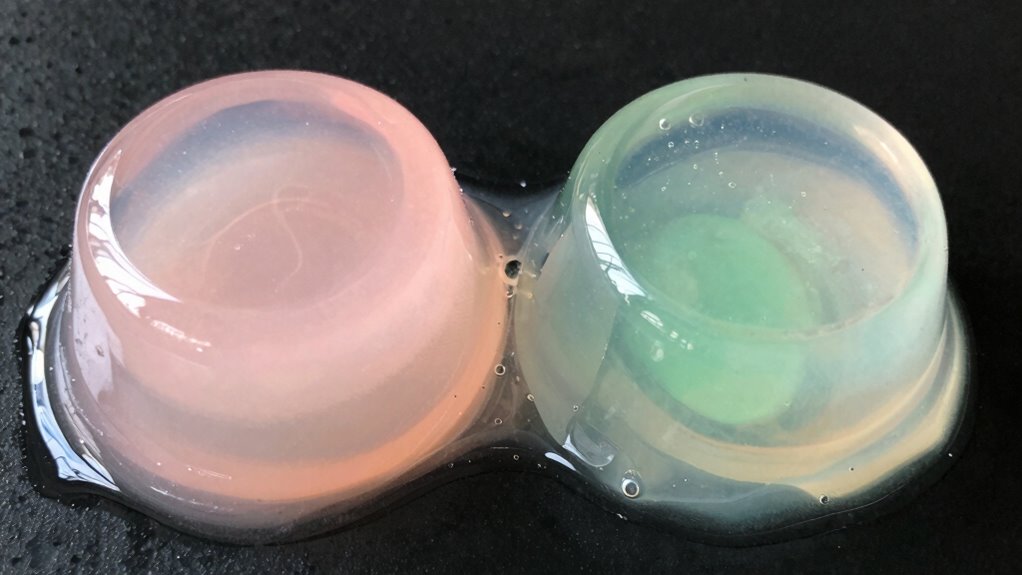
Gelatin and agar-agar both thicken and set your dishes, but they work differently. Gelatin, made from animal collagen, produces a soft, smooth, and elastic texture, taking about 30–60 minutes to set. Agar-agar, derived from seaweed, sets quickly with a firmer, brittle feel, often in just 5–15 minutes. If you want clear, vegetarian, or vegan options, or need tips for perfect results, exploring further will help you master each gelling agent.
Key Takeaways
- Gelatin forms a soft, elastic gel suitable for melts-in-the-mouth textures, while agar-agar creates firm, brittle gels with quicker setting times.
- Gelatin needs blooming in cold water before heating; agar-agar dissolves directly with boiling for rapid setting.
- Gelatin produces a glossy, transparent appearance; agar-agar can be slightly matte but is equally clear when prepared properly.
- Agar-agar is plant-based and suitable for vegetarians and vegans, whereas gelatin is animal-derived.
- Adjusting the amount of each agent and controlling temperature ensures optimal thickening and setting for different recipes.

Hearthy Foods Agar Agar Powder (4oz) Vegan Gelatin Substitute, Certified Halal, Kosher, Gluten-free, Non-GMO, 100%, Sugar-free, Kosher, Halal, Desserts, 100% Natural Red Algae
Premium Agar Agar Powder: Our 4 oz Agar Agar powder is derived from the finest red algae, ensuring…
As an affiliate, we earn on qualifying purchases.
As an affiliate, we earn on qualifying purchases.
What Are Gelatin and Agar-Agar? Foundations of Natural Gelling Agents
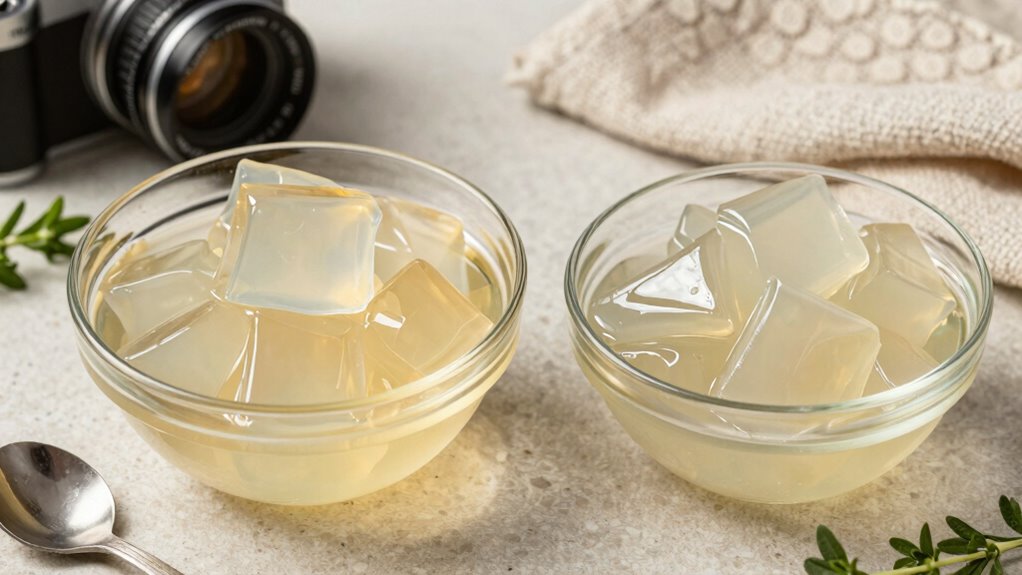
Have you ever wondered what makes certain desserts and jellies firm and smooth? These qualities come from natural gelling agents like gelatin and agar-agar. Historically, gelatin has been used for centuries, dating back to ancient China and Egypt, where it was prized for its ability to create luxurious textures. Its cultural significance grew in Europe during the 19th century, becoming essential in fine desserts and aspic dishes. Agar-agar, derived from seaweed, has long been valued in Asian cuisines, especially in Japan and China, for its versatility and health benefits. Both ingredients hold cultural importance, symbolizing tradition and culinary innovation. Understanding their origins helps you appreciate the rich history behind these popular thickeners and their role in creating delightful, firm textures worldwide.

PerfectaGel Gold Gelatin Sheets (200 Bloom) – 20 Sheets
Gelatine leaves are preferred by professional chefs over powder
As an affiliate, we earn on qualifying purchases.
As an affiliate, we earn on qualifying purchases.
How Do Gelatin and Agar-Agar Set? Key Gelling Differences
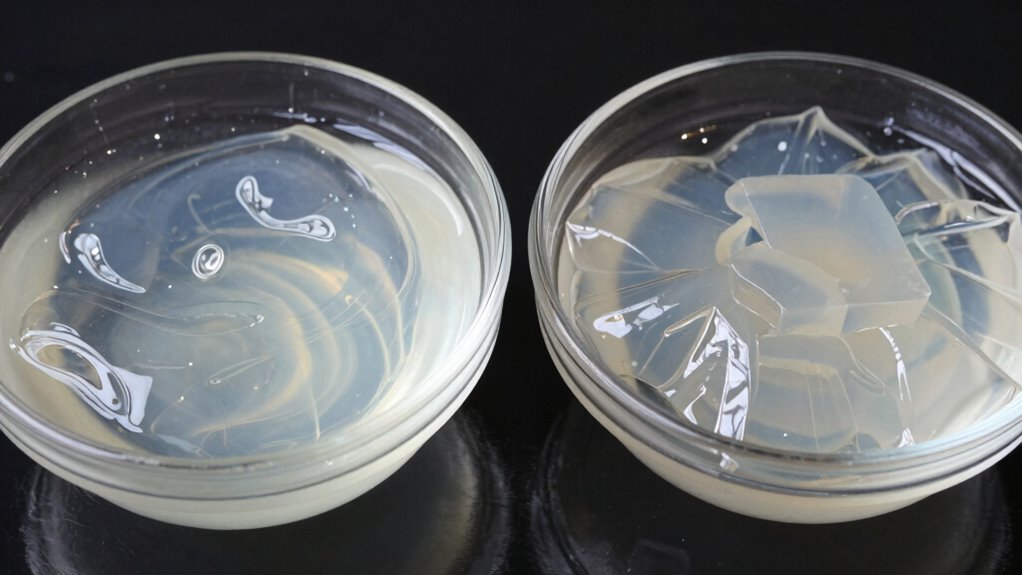
Ever wonder how gelatin and agar-agar achieve their firm, gel-like textures? Their setting depends on gel strength and setting time. Gelatin forms a network of proteins that trap water, creating a soft, flexible gel, with a moderate gel strength and longer setting time. Agar-agar, derived from seaweed, sets quickly by forming a rigid, crystalline structure, often with higher gel strength. The table below highlights their key differences:
| Property | Gelatin | Agar-Agar |
|---|---|---|
| Gel strength | Moderate (150-250 Bloom) | Higher (up to 1000 Bloom) |
| Setting time | 30 minutes to 1 hour | 5 to 15 minutes |
| Texture | Soft, elastic | Firm, brittle |
Understanding these differences helps you choose the right agent for your desired gel.
Hearthy Foods Agar Agar Powder (4oz) Vegan Gelatin Substitute, Certified Halal, Kosher, Gluten-free, Non-GMO, 100%, Sugar-free, Kosher, Halal, Desserts, 100% Natural Red Algae
Premium Agar Agar Powder: Our 4 oz Agar Agar powder is derived from the finest red algae, ensuring…
As an affiliate, we earn on qualifying purchases.
As an affiliate, we earn on qualifying purchases.
Which Creates the Best Texture? Comparing Appearance and Feel
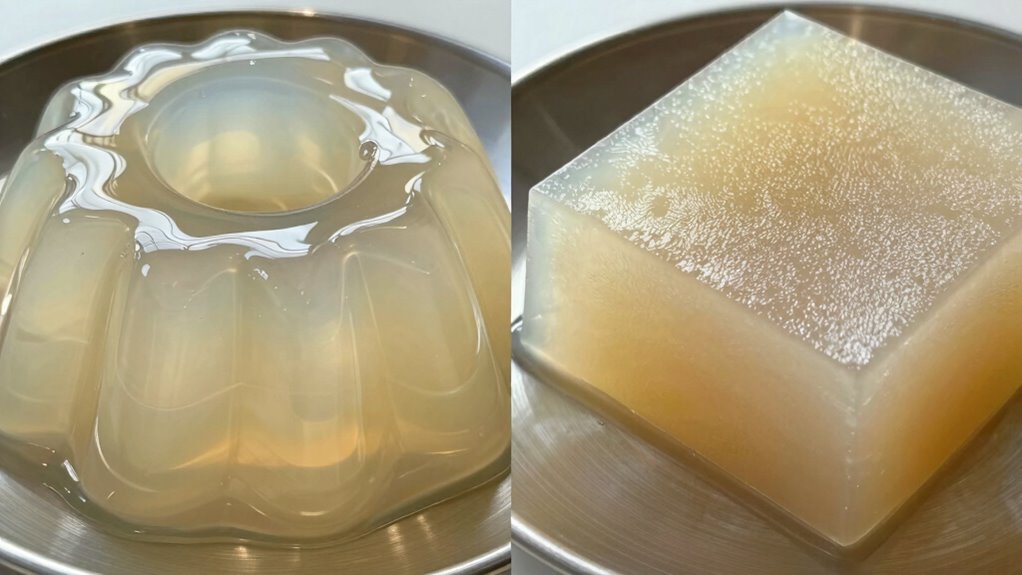
When comparing gelatin and agar-agar, their appearance and feel can make a big difference in your results. You’ll notice differences in clarity, shine, and how smooth or firm the texture ends up. These factors influence whether your dish looks appealing and has the right mouthfeel.
Clarity and Transparency
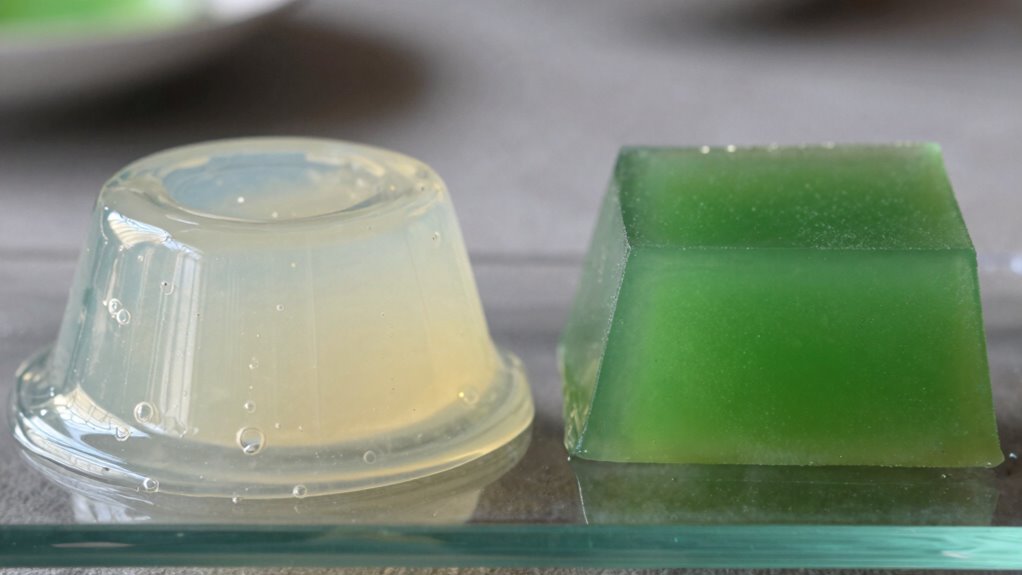
Gelatin typically produces a clear, glossy finish that enhances the appearance of desserts, giving them a smooth and appealing look. Its gelatin clarity results in a transparent, shiny surface that highlights the dish’s ingredients. Agar agar, on the other hand, offers impressive transparency, but its clarity can vary depending on how it’s prepared. When done correctly, agar agar can be nearly as clear as gelatin, yet it sometimes has a slightly more matte or cloudy appearance. If you want a visually stunning, crystal-clear presentation, gelatin generally provides superior clarity. However, with proper technique, agar agar can also achieve a transparent look, making it a good alternative when clarity is essential. Both options can deliver appealing results, but gelatin usually edges out in sheer transparency. Proper preparation and understanding of each gelling agent’s properties can significantly impact the final appearance and texture. Additionally, factors such as preparation techniques and ingredient quality can influence the final outcome, including the clarity of the gel, which is crucial for presentation. Understanding gelling properties and how they influence clarity can help you achieve the best visual results, especially by considering gelling agent characteristics.
Texture Consistency
The texture of gelatin and agar-agar markedly influences the final appearance and mouthfeel of your dish, and understanding their differences helps you choose the best option. Gelatin typically produces a soft, smooth, and melt-in-the-mouth consistency, making it ideal for light mousses or delicate desserts. Agar-agar, on the other hand, creates a firmer, more brittle texture that holds its shape firmly, which can be perfect for jellies or layered presentations. The textural differences impact how you experience each dish, with gelatin offering a more tender, silky feel, while agar-agar provides a crisp, clean bite. Recognizing these mouthfeel variations helps you select the right setting agent to achieve your desired culinary texture. Additionally, the textural properties of each gelling agent influence not only appearance but also how the dish interacts with your palate, making the choice essential for achieving the perfect result.
Appearance and Shine
Have you ever noticed how the visual appeal of a dessert depends on its clarity and shine? When using gelatin, the blooming process helps achieve a smooth, transparent look, resulting in a glossy surface that catches the eye. Its setting time influences how evenly it develops shine, giving your dessert a polished appearance. The setting process is also impacted by temperature control, which ensures the gelatin or agar-agar sets properly and maintains its intended appearance. Agar-agar, on the other hand, tends to produce a slightly matte finish with less brilliance, but it sets quickly, reducing waiting time. The appearance depends on how well the gelatin or agar-agar is prepared and poured. For a shiny, vibrant look, gelatin’s clearer, more reflective surface often wins. If shine is less critical, agar-agar’s quick setting can still deliver an appealing, uniform appearance. Additionally, proper wiring basics and careful handling can ensure consistent results and optimal presentation. Achieving the perfect appearance also involves understanding the setting process and how temperature impacts the final look.
Hearthy Foods Agar Agar Powder (4oz) Vegan Gelatin Substitute, Certified Halal, Kosher, Gluten-free, Non-GMO, 100%, Sugar-free, Kosher, Halal, Desserts, 100% Natural Red Algae
Premium Agar Agar Powder: Our 4 oz Agar Agar powder is derived from the finest red algae, ensuring…
As an affiliate, we earn on qualifying purchases.
As an affiliate, we earn on qualifying purchases.
When Should You Use Agar-Agar? Vegetarian and Vegan Options
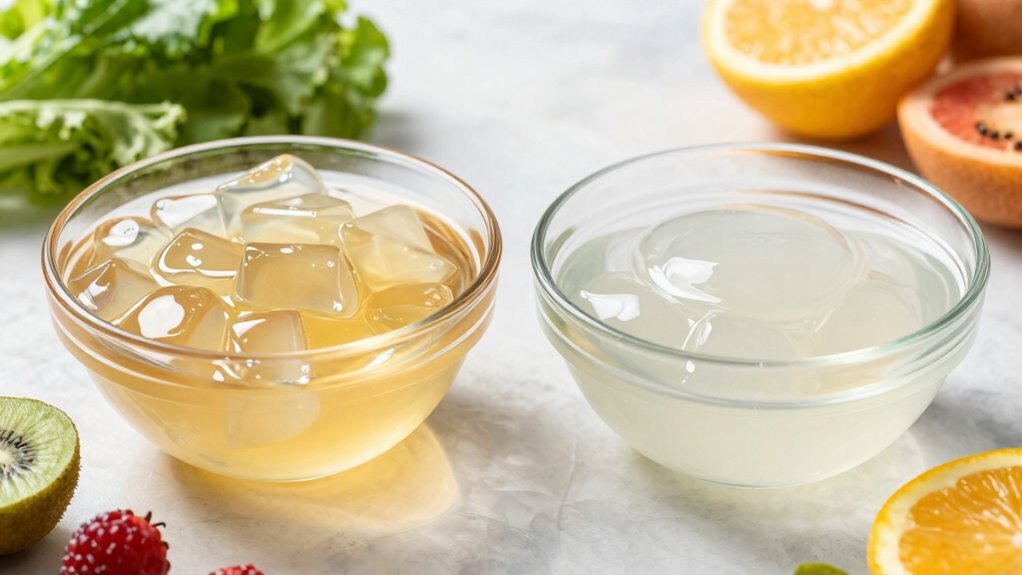
Agar-agar is an ideal choice when you’re looking for a vegetarian or vegan alternative to gelatin, as it’s plant-based and derived from seaweed. If you follow vegan or vegetarian diets, or have dietary restrictions that exclude animal products, agar-agar allows you to enjoy desserts, jellies, and other dishes requiring a firm set. It’s perfect for those seeking vegan alternatives without sacrificing texture or appearance. Use agar-agar when you need a reliable setting agent that aligns with plant-based lifestyles. It’s also suitable for people with dietary restrictions related to allergies or religious requirements that restrict animal-derived ingredients. Incorporating high-quality ingredients ensures the best results and enhances the flavor of your recipes. With agar-agar, you can confidently create a variety of dishes without compromising your dietary principles. Additionally, Vetted – Mad Tasting highlights the importance of choosing high-quality ingredients to ensure optimal setting and flavor in your recipes. Incorporating proper preparation techniques ensures that agar-agar functions effectively and provides the desired firmness. Properly preparing agar-agar by following precise dissolution and boiling steps enhances its ability to set properly and achieve the ideal texture.
How to Use Gelatin and Agar-Agar: Tips for Perfect Results
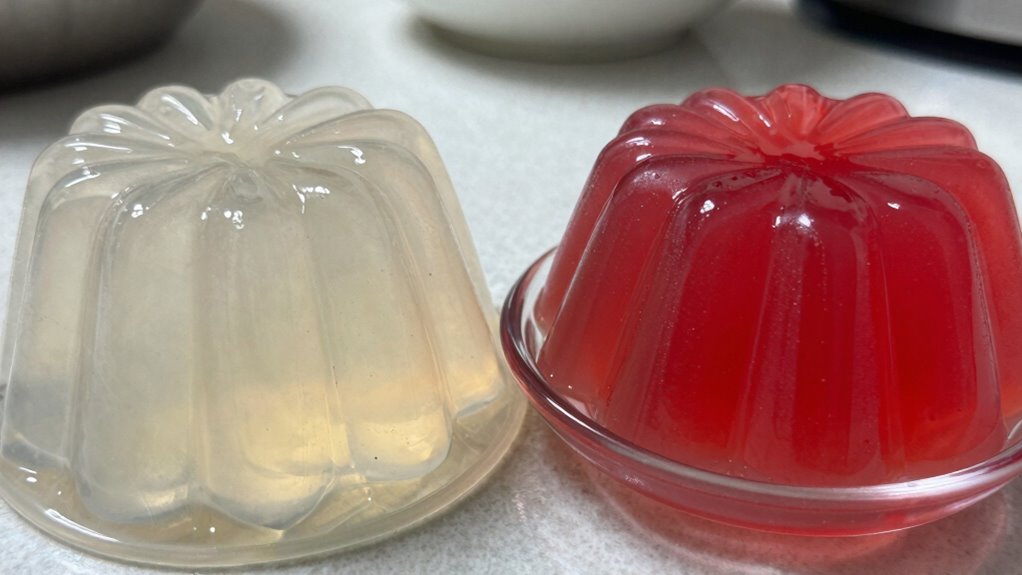
To achieve perfect results when using gelatin or agar-agar, it’s vital to understand their unique preparation methods and how to handle each setting agent properly. For gelatin, bloom it in cold water before dissolving it gently over heat, then mix thoroughly with your flavor combinations. Agar-agar requires boiling to activate its gelling properties, so bring it to a boil and simmer until fully dissolved. When incorporating flavors, consider how each agent interacts to avoid cloudiness or weak gels. Proper storage techniques are also essential; seal your creations tightly and keep them refrigerated to maintain texture and freshness. Remember, gelatin needs moisture to stay flexible, while agar-agar sets quickly and stays firm. Mastering these tips ensures your desserts set perfectly every time. Additionally, understanding the differences in gelling capabilities can help you choose the best agent for your desired texture and firmness. Knowing the preparation techniques for each gelling agent ensures consistent results and reduces waste. Taking note of setting times can also influence your planning and presentation. Furthermore, experimenting with texture variations can help you achieve different firmness levels suitable for various desserts. Being aware of the interaction with liquids is crucial to prevent undesired cloudiness or weak gels.
Common Gelation Problems and How to Fix Them
Sometimes your gel may not set firm enough, or it turns out watery, which can be frustrating. You can rectify these issues by adjusting the amount of thickening agents or tweaking your preparation method. Properly understanding the science of gelation can help you troubleshoot and improve your results more effectively. Knowing different thickening agents and how they work allows you to select the best option for your recipe. For example, using gelatin or agar-agar appropriately depends on their unique properties and how they interact with other ingredients. Understanding the role of temperature in gel formation is also crucial, as it influences how the gel sets and its final texture. Gaining knowledge about the influence of pH levels can also be beneficial, as acidity can impact gel stability and firmness.
Overcoming Weak Gel Sets
Weak gel sets can be frustrating, but understanding the common causes helps you fix the problem quickly. Low gelatin durability or insufficient agar agar flexibility often leads to weak gels. To strengthen your set, consider the following tips:
- Increase the amount of gelatin or agar agar in your recipe.
- Ensure proper blooming and dissolving of gelatin, or boil agar agar thoroughly.
- Use fresh gelatin or agar agar, as old products lose effectiveness.
- Adjust the temperature during setting; too warm or cold can weaken gels.
- Incorporate a stabilizer or acid carefully, as excessive amounts can break down the gel structure.
Fixing Watery Textures
When your gel turns out watery instead of firm, it often signals a problem with the gelation process. To fix this, consider adjusting your recipe or technique. For gelatin, make sure you’re using enough powder and allowing it to fully dissolve. For agar-agar, make certain you boil it sufficiently. Once fixed, focus on flavor combinations that complement the texture, such as adding fruit purees or spices. Proper storage techniques also matter—keep gels refrigerated and covered to prevent moisture absorption that can weaken the set. If your gel remains too watery, reheating and re-setting might help, but avoid overmixing, which can break down the structure. With the right adjustments, you’ll achieve a better balance of flavor and texture, ensuring your gel holds firm and looks appealing.
Adjusting Thickening Agents
If your gel isn’t setting properly or is too firm, adjusting the amount or type of thickening agent can often resolve the issue. To improve results, consider these factors:
- Use a smaller amount of gelatin or agar-agar for a softer texture.
- Increase the thickening agent if you want a firmer gel.
- Choose a different agent to match flavor compatibility—gelatin works well with savory dishes, while agar-agar suits vegan recipes.
- Keep in mind that the shelf life varies: agar-agar generally lasts longer without losing gelling strength, whereas gelatin may weaken over time.
- Always test small batches first to find the right balance without compromising taste or texture.
Fine-tuning your thickening agents ensures consistent results and ideal flavor, making your gels perfect every time.
Frequently Asked Questions
Can Gelatin and Agar-Agar Be Used Interchangeably in Recipes?
Yes, you can use gelatin and agar-agar as a recipe substitution, but be aware of texture differences. Gelatin creates a softer, more delicate set, while agar-agar offers a firmer, more brittle texture. Adjust quantities and preparation methods accordingly, as agar-agar sets faster and needs boiling to activate. Experimenting helps you achieve the desired consistency, but keep in mind that they aren’t always directly interchangeable for perfect results.
How Do Storage Conditions Affect Gelatin and Agar-Agar Shelf Life?
Storage conditions markedly impact the shelf life of gelatin and agar-agar, with proper storage extending their usability by up to a year. You should keep gelatin in a cool, dry place away from direct sunlight, while agar-agar benefits from airtight containers in similar conditions. Poor storage stability or exposure to moisture and heat accelerates spoilage, reducing shelf life factors and compromising their thickening and setting properties.
Are There Any Health Concerns With Consuming Gelatin or Agar-Agar?
You should be aware that consuming gelatin or agar-agar can pose allergy risks if you’re sensitive to certain proteins or plant compounds. If you have dietary restrictions, like vegetarian or vegan diets, agar-agar is a safer choice since it’s plant-based, whereas gelatin is animal-derived. Always check ingredient labels and consult with your healthcare provider if you have concerns about allergies or specific health conditions related to these ingredients.
What Are the Environmental Impacts of Producing Gelatin Versus Agar-Agar?
You’ll find that producing agar-agar generally has a lower ecological footprint since it’s derived from seaweed through sustainable sourcing practices. Gelatin, on the other hand, involves animal farming, which can lead to higher environmental impacts, including land use and greenhouse gas emissions. Choosing agar-agar helps reduce your ecological footprint, making it a more eco-friendly option for those concerned about sustainability and environmental impact.
Can Gelatin or Agar-Agar Be Used in Carbonated or Alcoholic Beverages?
You can absolutely use gelatin or agar-agar in carbonated or alcoholic beverages, but beware—their effects are like night and day! Gelatin often struggles with carbonation stability, making fizzy drinks flat faster than you’d expect. Agar-agar, on the other hand, is more alcohol compatible and keeps its setting in boozy concoctions. So, if you want a bubbly, boozy masterpiece, agar-agar’s your best bet for consistency!
Conclusion
Now that you understand the differences, you can choose with confidence. Whether you prefer the classic, tender jiggle of gelatin or the firm, plant-based hold of agar-agar, you have options. Whether you’re aiming for a smooth, glossy finish or a firm, reliable set, your choice guides your results. So, trust your recipe, consider your dietary needs, and enjoy experimenting with these versatile gelling agents to create perfect desserts every time.