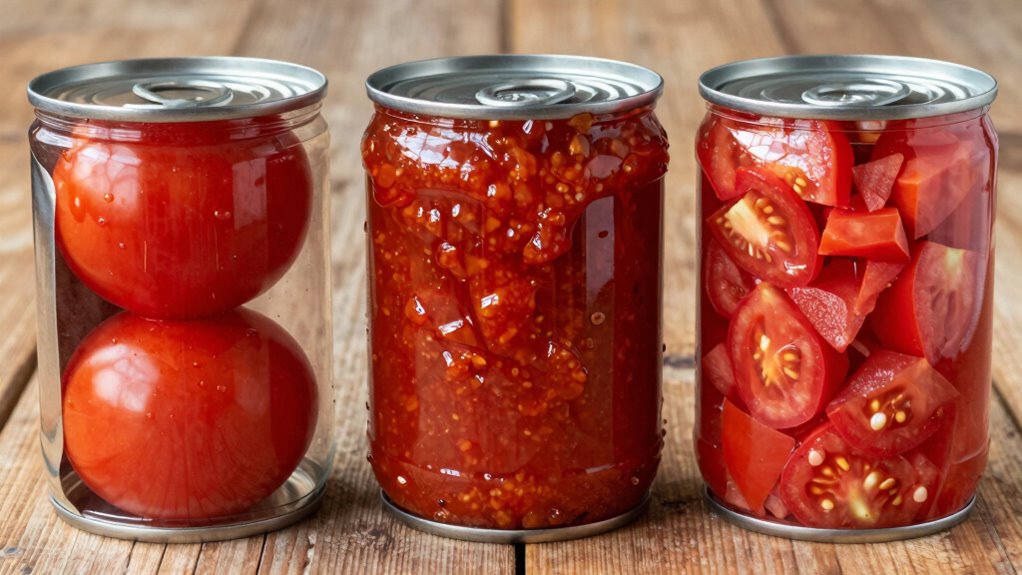
Canned tomatoes come in whole, crushed, and diced varieties, each suited for different dishes. Use whole tomatoes when you want control over texture or are making long-simmered sauces and soups. Crushed tomatoes are perfect for quick sauces, providing a smooth, rich base with minimal preparation. Diced tomatoes add hearty texture and flavor to stews, salsas, and chunky recipes. Understanding when to use each type helps you get the best flavor and consistency—get ready to master the options ahead.
Key Takeaways
- Whole tomatoes are best for long-simmered dishes like stews and for custom sauces due to their intact texture.
- Crushed tomatoes are ideal for quick, smooth sauces such as pasta or pizza sauces, offering convenience and uniformity.
- Diced tomatoes add hearty texture and are perfect for soups, stews, and salsas requiring visible chunks.
- Choose based on recipe needs: whole for control, crushed for smoothness, and diced for texture and visual appeal.
- Consider packaging and processing methods to optimize flavor, texture, and nutrient retention for each tomato type.

Cento Certified San Marzano Whole Peeled Tomatoes, 28 Oz (Pack of 6), Canned Plum Tomatoes in Thick Puree with Basil, Grown and Processed in Italy
Authentic Italian Taste: Hand-picked and sun-ripened, our tomatoes deliver a sweet, rich flavor. Packed in a thick puree…
As an affiliate, we earn on qualifying purchases.
As an affiliate, we earn on qualifying purchases.
What Are Whole, Crushed, and Diced Canned Tomatoes?
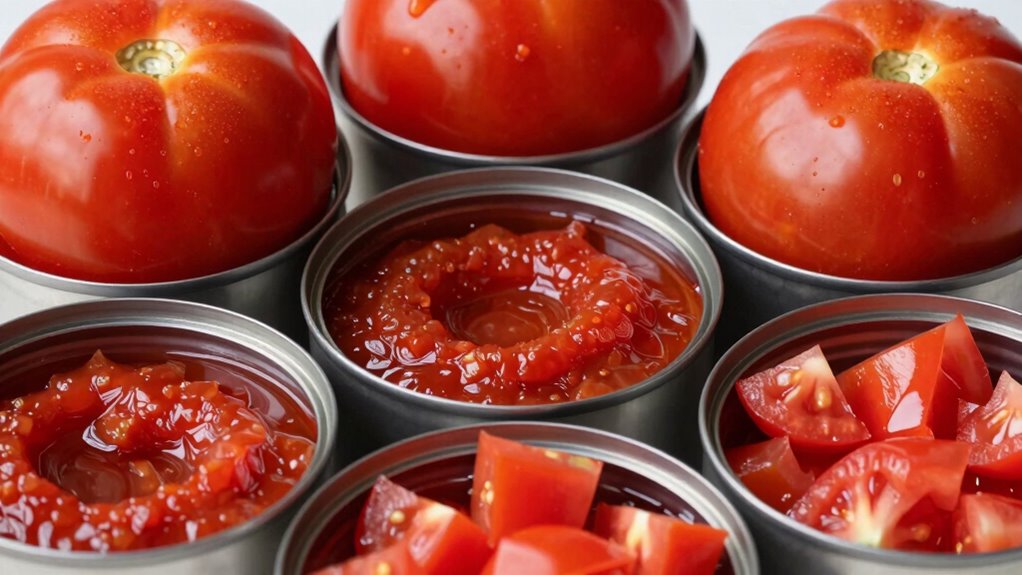
Have you ever wondered what makes whole, crushed, and diced canned tomatoes different? The key lies in the canning process and how the tomatoes are prepared. Whole tomatoes are preserved intact, often with skins, during the canning process, which helps retain more nutrients and flavor intact. Crushed tomatoes are made by breaking down whole or peeled tomatoes into a thick, uniform consistency before canning, resulting in a different texture and slightly altered nutritional profile. Diced tomatoes are chopped into small pieces, offering convenience but sometimes losing some nutrients during processing. The nutritional differences among them are minimal but can be affected by the canning method and whether skins are included. Your choice depends on your recipe’s texture needs and desired nutritional content.

365 by Whole Foods Market, Tomatoes Crushed No Salt Added Organic, 15 Ounce (Pack of 4)
The information below is per-pack only
As an affiliate, we earn on qualifying purchases.
As an affiliate, we earn on qualifying purchases.
When Should You Use Whole Tomatoes in Cooking?
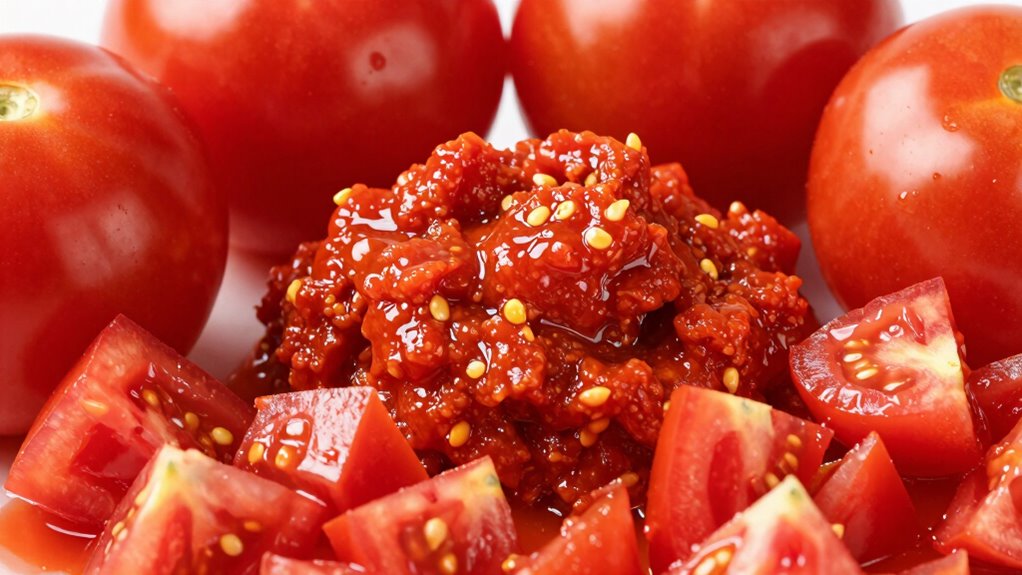
Wondering when to use whole canned tomatoes? You’ll want to choose them when you prefer a hands-on approach to control texture and flavor. Here are three ideal situations:
- Long Simmering Soups and Stews – Whole tomatoes break down slowly, allowing you to preserve a rich tomato flavor while maintaining some texture.
- Custom Crushing for Sauces – Use whole tomatoes when you want to crush or blend them to your preferred consistency, perfect for homemade tomato preservation.
- Canning Techniques – Whole tomatoes are great for canning because they hold up during processing, helping you enjoy fresh-tasting tomatoes year-round. Use them when you want versatility and control over final texture.
- Understanding canned tomato varieties can help you select the best type for your culinary needs.

Amazon Grocery, Petite Diced Tomatoes, 14.5 Oz
One 14.5 ounce can of Petite Diced Tomatoes
As an affiliate, we earn on qualifying purchases.
As an affiliate, we earn on qualifying purchases.
Best Uses for Crushed Tomatoes in Recipes and Sauces
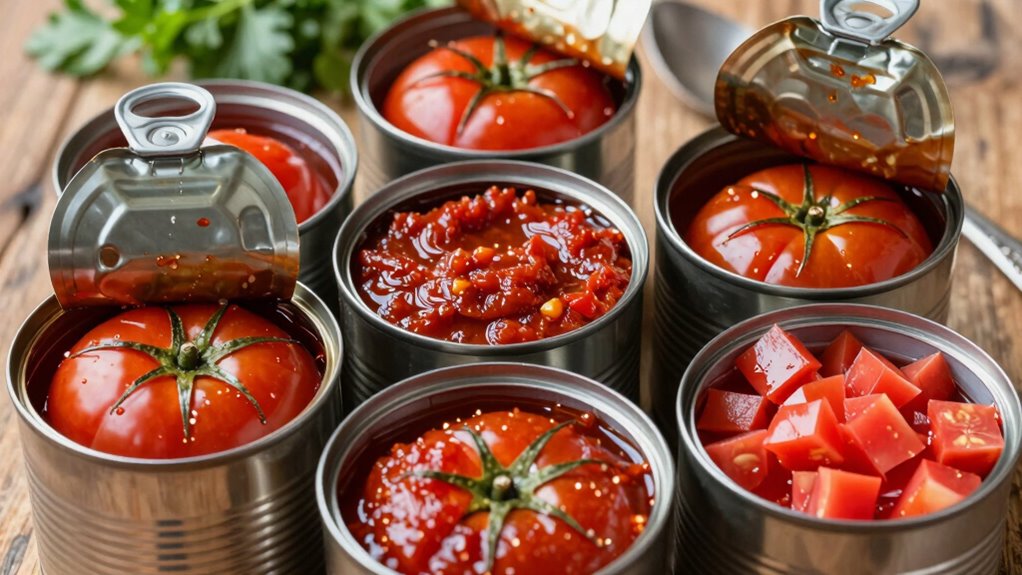
Crushed tomatoes are incredibly versatile and ideal for creating smooth, flavorful sauces quickly. Their tomato texture is already broken down, making them perfect for achieving a consistent, velvety sauce without extra effort. Use crushed tomatoes when you want a rich, uniform base for pasta sauces, pizza sauces, or braises. They also enhance flavor by blending seamlessly into dishes, providing a balanced tomato taste that intensifies as it simmers. Crushed tomatoes are excellent for quick weeknight dinners because they reduce cooking time while delivering depth and freshness. Their smooth consistency helps you avoid a chunky texture, making your sauces more refined. Overall, crushed tomatoes are your go-to ingredient for adding flavor and achieving a silky, well-integrated tomato sauce.
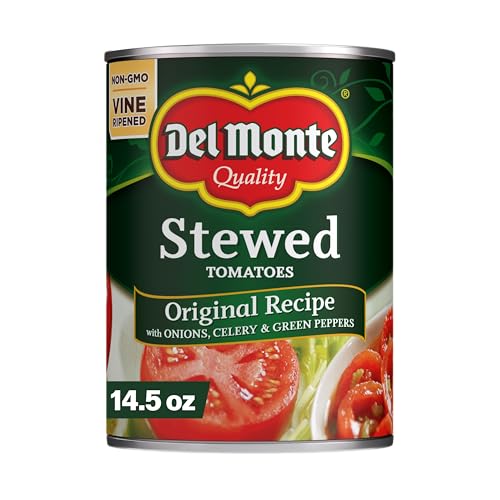
Del Monte Original Recipe Stewed Tomatoes with Onions, Celery & Green Peppers, Canned Tomatoes, 14.5 oz Can
One 14.5 oz can of DEL MONTE Original Recipe Stewed Tomatoes with Onions, Celery & Green Peppers
As an affiliate, we earn on qualifying purchases.
As an affiliate, we earn on qualifying purchases.
How Diced Tomatoes Enhance Soups, Stews, and Salsas
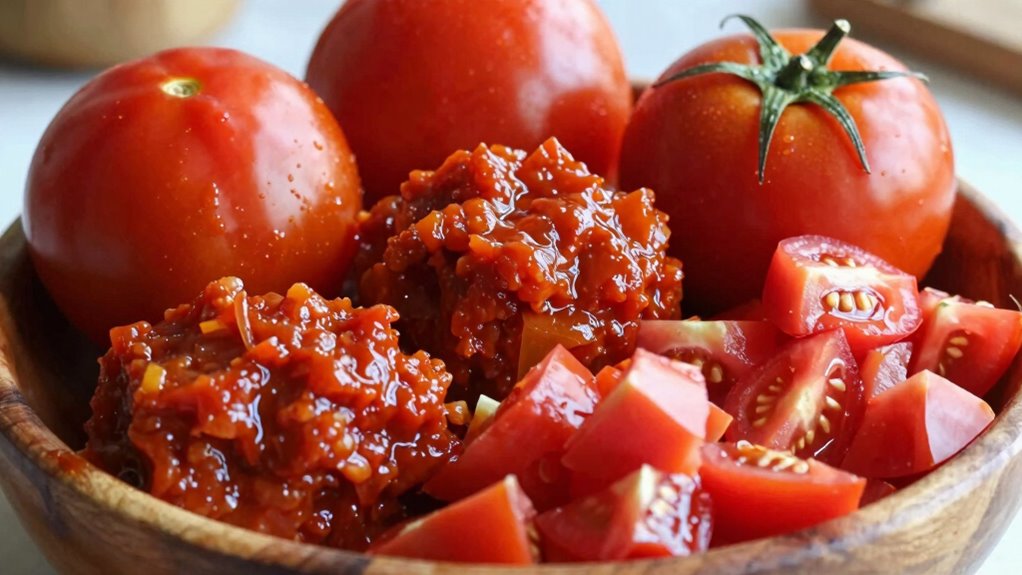
Diced tomatoes bring a fresh, hearty texture that enhances the depth and complexity of soups, stews, and salsas. Their size offers excellent texture variation, giving your dishes a satisfying bite and visual appeal. Plus, they boost flavor enhancement by adding natural acidity and sweetness, enriching the overall profile. Here’s how diced tomatoes elevate your cooking:
Diced tomatoes add hearty texture and vibrant flavor, enriching soups, stews, and salsas with natural acidity and visual appeal.
- Provide even distribution of flavor and texture throughout your dish.
- Create a thicker, more rustic consistency for stews and soups.
- Add a vibrant, fresh element to salsas, balancing spices and other ingredients.
- Understanding food texture can help you select the right tomato form for each dish, ensuring optimal mouthfeel and presentation.
- Incorporating water content in diced tomatoes can influence the dish’s moisture level and consistency, making them a versatile ingredient.
- The processing method used to prepare diced tomatoes can also impact their flavor and texture, allowing for customization based on your culinary needs. Additionally, the canning process helps preserve their freshness and flavor, making them available year-round.
- Knowing about nutrient retention in canned tomatoes can help you maximize their health benefits while cooking.
Choosing the Right Canned Tomato for Your Dish: Tips and Considerations
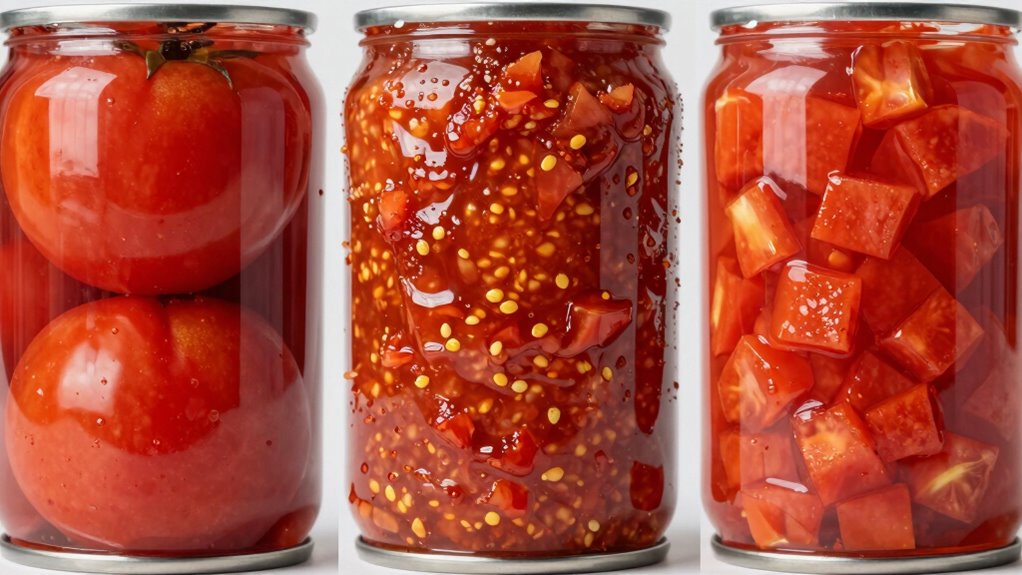
Choosing the right canned tomato depends on your dish’s specific needs and flavor profile. Consider how freshness preservation impacts taste, especially for dishes needing vibrant, fresh flavors. Packaging varieties also influence quality and convenience; some options better preserve freshness than others. For example, whole tomatoes stored in BPA-free cans may retain flavor longer than diced ones in plastic containers. Additionally, selecting the appropriate piercing material can enhance comfort and reduce irritation if piercing is involved in your process.
Frequently Asked Questions
How Long Can Canned Tomatoes Be Stored After Opening?
After opening canned tomatoes, you should store them in an airtight container and use them within 5 to 7 days to prevent spoilage. Proper storage duration helps you avoid spoilage and maintain freshness. Keep your tomatoes in the refrigerator at or below 40°F, and always check for signs of spoilage, like bad odors or mold, before using. This guarantees your tomatoes stay safe and flavorful for your recipes.
Are Organic Canned Tomatoes Better Than Non-Organic?
Yes, organic canned tomatoes are better in many ways. They offer organic benefits such as fewer pesticides and chemicals, making them healthier for you. Plus, they usually have a lower environmental impact since organic farming practices prioritize sustainability and reduce pollution. By choosing organic, you’re supporting eco-friendly practices and enjoying tomatoes that are often fresher and more flavorful. So, if you care about health and the environment, organic canned tomatoes are a smart choice.
Can Canned Tomatoes Be Substituted for Fresh Tomatoes?
Yes, you can substitute canned tomatoes for fresh ones, especially when you want that rich, fresh tomato flavor in your dishes. Keep in mind, the canning process slightly alters the texture and flavor, but it’s a convenient option when fresh tomatoes aren’t in season. Simply choose the right type of canned tomatoes—whole, crushed, or diced—based on your recipe needs, and you’ll get great results.
Do Canned Tomatoes Contain Added Preservatives or Sugars?
Canned tomatoes generally contain added preservatives to extend shelf life, but the amount varies by brand. They usually don’t have added sugars, though some varieties may include a small amount for flavor enhancement. If preservative concerns or sugar content matter to you, check the label carefully. Opt for brands with minimal additives or organic options to guarantee you’re choosing canned tomatoes that align with your dietary preferences.
How Do I Drain Canned Tomatoes Properly for Cooking?
Did you know that canned tomatoes make up over 80% of tomato consumption in the US? To drain canned tomatoes properly, use a colander to remove excess liquid quickly. Simply pour the tomatoes into the colander, let the liquid drain naturally, and gently shake or tap to eliminate any remaining moisture. This prevents excess liquid from diluting your sauce and ensures a better texture for your dish.
Conclusion
Choosing the perfect canned tomato can make or break your dish—it’s like handing a chef a magic wand! Whether you need the whole, crushed, or diced variety, each one transforms your cooking into a flavor explosion. Don’t settle for bland sauces or soupy stews—pick the right tomato, and watch your meals become legendary. So, next time you’re in the kitchen, remember: the right canned tomato is your secret weapon for culinary greatness!