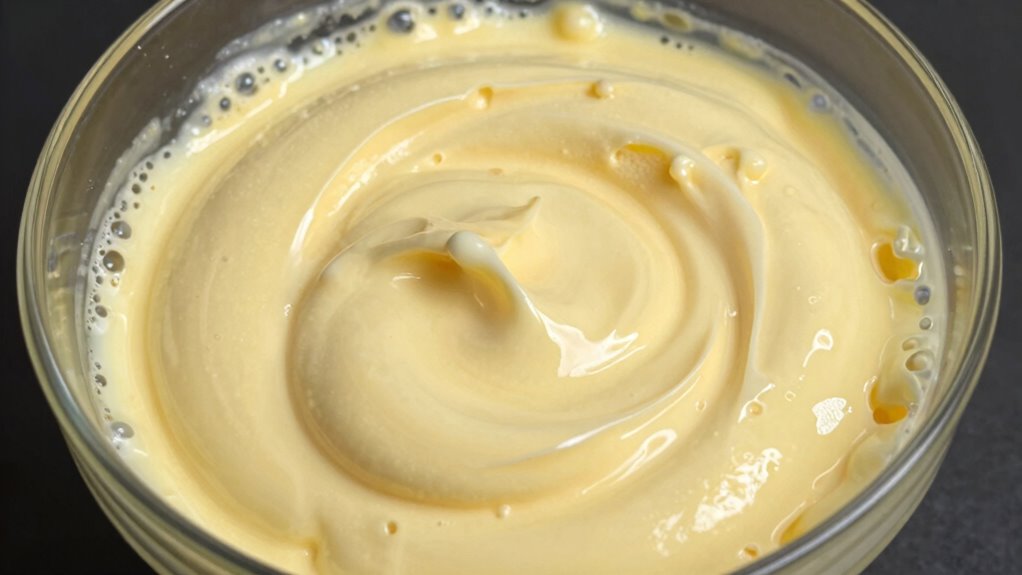

The main mistake that causes lumps in pastry cream is adding eggs directly into hot mixture without proper tempering. If you pour hot milk or cream straight onto the eggs, they curdle and form lumps. To prevent this, slowly add warm liquid into the eggs while whisking vigorously, then combine this back into the pot. Paying attention to temperature control and gradual mixing can make all the difference; discover more tips to perfect your pastry cream.

Get kitchen gear delivered free with Prime
- Fast, free delivery on millions of items
- Prime Video, Amazon Music and more included
- Member-only deals all year
Key Takeaways
- Adding eggs directly into hot mixture can cause curdling and lumps; always temper eggs first.
- Rapid heating or uneven temperature increases can lead to lumps and uneven thickening.
- Overcooking after thickening causes the cream to become stiff and grainy.
- Not straining the mixture or properly mixing fruit infusions can introduce pulp, causing lumps.
- Excessive thickening agents or overcooking can result in a stiff, lumpy texture.
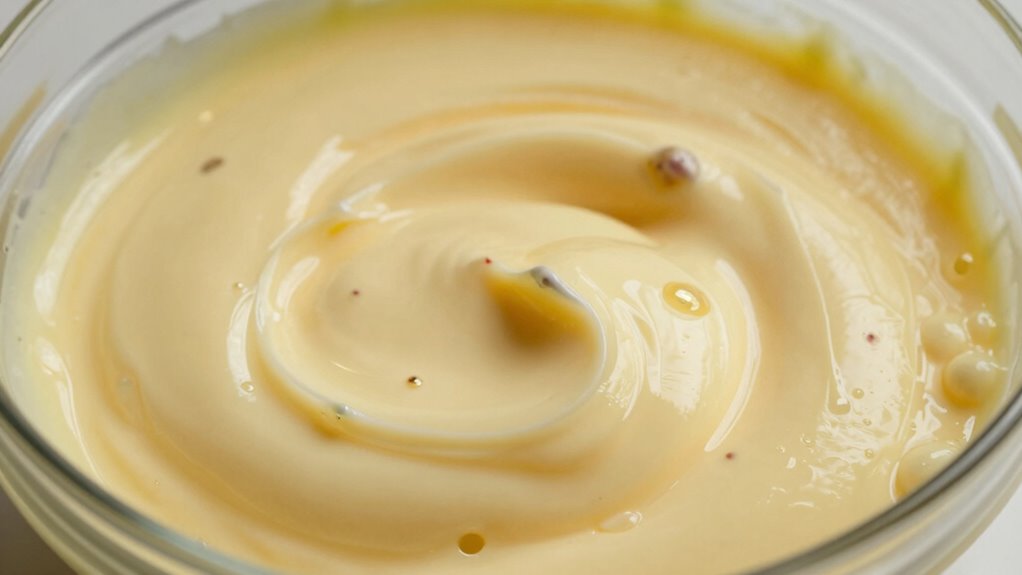
Making pastry cream can seem straightforward, but a common mistake can turn your smooth filling into a lumpy or runny mess. The culprit is often how you handle the thickening process, especially when adding eggs or cornstarch. If you don’t temper your eggs correctly or overheat the mixture, you risk curdling or creating lumps that ruin the texture. To avoid this, always temper your eggs by slowly adding a small amount of hot milk while whisking vigorously. This gentle approach prevents the eggs from cooking too quickly, which is a primary cause of lumps. When incorporating fruit infusion, make sure it’s well strained to remove any seeds or pulp that could disrupt the smooth consistency of your pastry cream. A clear, silky filling is essential for elegant pastry decoration, and lumps can ruin the visual appeal.
Temperature control is critical throughout the process. When heating the milk and cream, do so gradually over medium heat, stirring constantly. Rapid heating can cause the mixture to scorch or create uneven heat distribution, leading to lumps. Once the milk is hot, slowly pour it into the egg mixture, whisking continuously. Then, return everything to the stove and cook over medium-low heat until the cream thickens. Don’t rush this step—waiting for the right consistency ensures your pastry cream remains smooth and velvety. If you notice any lumps forming, strain the mixture through a fine sieve before chilling. This extra step guarantees a flawless texture and a polished look for your pastry decoration.
Another common mistake is over-thickening the cream by cooking it for too long or adding too much starch. Follow the recipe’s measurements precisely, and once the mixture reaches the desired thickness, remove it from heat immediately. Overcooking or excessive thickener can cause the cream to become stiff or grainy instead of silky. When incorporating fruit infusion, mix it in gently after the cream has cooled slightly. This preserves the delicate flavor while maintaining a smooth consistency. Properly infused pastry cream not only enhances flavor but also elevates the visual appeal of your desserts, making them more tempting and professional-looking.
Additionally, controlling the temperature during the process is crucial for preventing lumps and ensuring a smooth texture.
As an affiliate, we earn on qualifying purchases.
Frequently Asked Questions
How Can I Fix Lumpy Pastry Cream After It’s Cooked?
If your pastry cream’s lumpy, you can fix it by whisking it vigorously or passing it through a fine sieve to smooth out the texture. Once it’s smooth, consider adding flavor variations like vanilla, chocolate, or citrus to enhance its taste. Store it properly in an airtight container in the fridge, and always stir before using to maintain its creamy consistency. These tips guarantee your pastry cream stays delicious and lump-free.
What Alternative Thickeners Can Prevent Lumps in Pastry Cream?
Think of it as a magic trick—using alternative thickening methods can keep your pastry cream smooth. Instead of traditional cornstarch, try arrowroot or tapioca starch, which offer a silky texture and resist lumps. For gelatin substitutes, use agar-agar or pectin, providing firm yet smooth results. These options help you avoid lumps and achieve a luscious, velvety pastry cream every time, just like a professional pastry chef.
Does the Type of Milk Affect Pastry Cream Lumps?
Yes, the type of milk, including dairy alternatives, can affect pastry cream lumps. Whole milk tends to create a smoother, creamier texture because of its fat content, while skim milk might lead to a thinner, less stable cream. Dairy alternatives like almond or soy milk may require adjustments, as their different compositions can impact thickening. Always choose the milk type suited to your recipe and consider how its properties influence texture.
How Does Overcooking Cause Lumps in Pastry Cream?
Overcooking pastry cream is like boiling water until it turns into a sticky mess; it causes texture issues. When you cook it too long or at too high a temperature, the proteins and starches tighten and form lumps. Proper cooking techniques, like stirring constantly and removing from heat promptly, prevent this. Keep a close eye on your heat, and you’ll achieve a smooth, silky pastry cream every time.
Can Using a Double Boiler Prevent Pastry Cream Lumps?
Using a double boiler definitely helps with lumps prevention in pastry cream. It provides gentle, even heat that prevents the mixture from scorching or overcooking, which can cause lumps. By carefully controlling the temperature, you avoid sudden heat spikes that lead to clumping. This method keeps your pastry cream smooth and silky, giving you better control during cooking. So, if lumps worry you, a double boiler is a smart tool to use.
fine mesh strainer for pastry cream
As an affiliate, we earn on qualifying purchases.
As an affiliate, we earn on qualifying purchases.
Conclusion
Avoiding lumps in your pastry cream is the secret to achieving a silky, luxurious texture that rivals velvet. Remember, the tiniest mistake, like rushing the cooking or neglecting proper stirring, can turn your smooth masterpiece into a gritty disaster. Pay attention to every step, and don’t be afraid to take your time. With patience and care, you’ll create a pastry cream so flawless, it’ll make all other desserts look like mere amateurs’ attempts—truly the crown jewel of your baking prowess.
stainless steel whisk for cooking
As an affiliate, we earn on qualifying purchases.
As an affiliate, we earn on qualifying purchases.
double boiler for tempering eggs
As an affiliate, we earn on qualifying purchases.
As an affiliate, we earn on qualifying purchases.
Halloween Picks
halloween
As an affiliate, we earn on qualifying purchases.