To prevent your Bundt cake from sticking, master the grease-and-flour technique. Start by thoroughly greasing the pan with butter or a baking spray, making sure to cover every nook and cranny. Then, sprinkle flour evenly inside the pan, tapping out any excess. After baking, let the cake cool in the pan for about 10 to 15 minutes before flipping it out. Proper preparation is key to success, and there’s more to discover to guarantee your cake’s perfection.

Get kitchen gear delivered free with Prime
- Fast, free delivery on millions of items
- Prime Video, Amazon Music and more included
- Member-only deals all year
Key Takeaways
- Grease the Bundt pan generously with butter or baking spray to create a reliable non-stick surface.
- Apply flour evenly by sprinkling it after greasing, ensuring full coverage of the pan’s nooks and crannies.
- Tap the pan to distribute flour and shake out excess to prevent clumping, enhancing the non-stick effect.
- Cool the cake in the pan for 10 to 15 minutes to firm it up and reduce breakage during release.
- Use a knife to gently loosen the edges before inverting the pan for a smooth release of the cake.
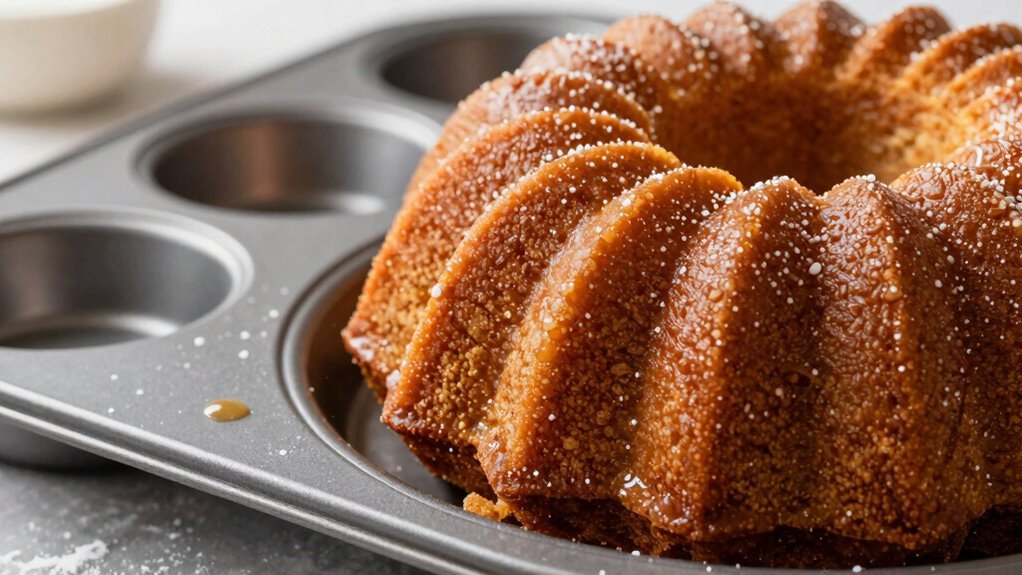
When you’re baking a Bundt cake, the last thing you want is for it to stick to the pan. Nothing’s more disappointing than pulling out a beautifully baked cake only to find half of it clinging stubbornly to the sides. To prevent this culinary catastrophe, you’ve got a couple of effective techniques up your sleeve. One tried-and-true method is the grease-and-flour technique, which is surprisingly simple yet incredibly effective.
First, you’ll want to choose your grease wisely. Traditional butter works wonders, but you can also go for a high-quality baking spray. Just make sure it’s designed for baking, as these sprays often contain flour or other additives that help create a perfect non-stick surface. Spray the inside of your Bundt pan generously, ensuring you cover all those nooks and crannies where the batter could get caught. If you’re opting for butter, use a pastry brush to make sure every inch is well-coated.
Choose your grease wisely—traditional butter or quality baking spray will ensure your Bundt cake releases effortlessly from the pan.
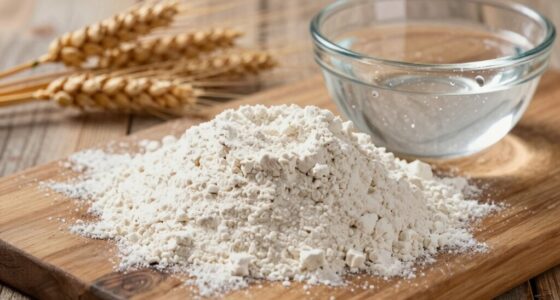
Next comes the flour, which is essential for the grease-and-flour technique. After greasing, sprinkle a light layer of flour into the pan. Tap the pan gently to distribute the flour evenly, and then turn it upside down to shake out the excess. This step creates a barrier between the batter and the pan, making it less likely for your cake to stick when it’s time to release it. For an added layer of protection, some bakers prefer to add a flour coating that adheres better to butter or spray, enhancing the non-stick effect. Incorporating a properly prepared pan is crucial for ensuring easy release, and neglecting this step can lead to sticking issues. If you’re looking for flour alternatives, consider using cocoa powder for chocolate cakes or finely ground nuts for a unique flavor. These options not only prevent sticking but also add a subtle taste that complements the cake. Additionally, ensuring your pan is properly prepared with these steps is key to a smooth release. It’s also helpful to consider baking environment factors like humidity and oven temperature, which can influence how well the non-stick layer performs.
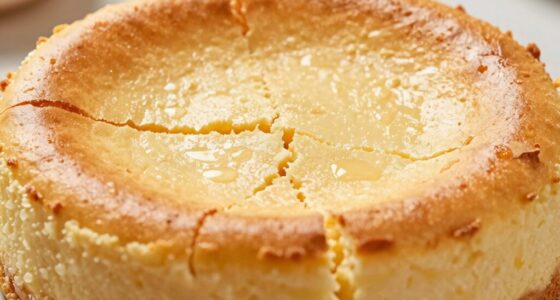
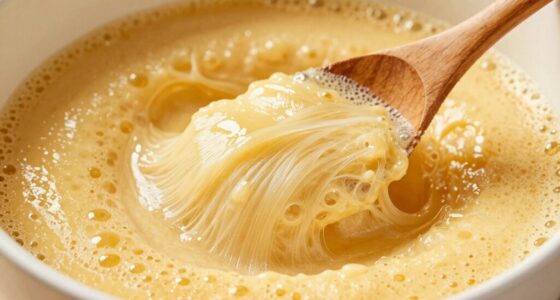
Now, pour your batter into the prepared Bundt pan. As you do, take a moment to admire your handiwork. You’ve set yourself up for success! Once the baking time is complete and your kitchen smells heavenly, it’s time to turn your attention to the cooling process. Let the cake cool in the pan for about 10 to 15 minutes. This waiting period allows the cake to firm up, reducing the chances of it breaking apart when you flip it out.
Proper pan preparation is key to ensuring your cake releases effortlessly, so don’t skip this step. Finally, use a knife to gently loosen any edges if needed, and then invert the pan onto a wire rack. With the grease-and-flour technique in play, you should find your Bundt cake releasing smoothly, ready to be adorned with glaze or dusted with powdered sugar. Enjoy your successful baking!
Bundt cake pan with non-stick coating
As an affiliate, we earn on qualifying purchases.
As an affiliate, we earn on qualifying purchases.
Frequently Asked Questions
Can I Use Cooking Spray Instead of Grease and Flour?
Yes, you can use cooking spray instead of grease and flour for bundt pan preparation. Cooking spray is a convenient alternative that helps prevent sticking, but be certain you choose a spray designed for baking, as it often contains flour. If you want to explore other cooking spray alternatives, consider using oil with a pastry brush or a silicone baking spray. Just make certain your pan is well-coated for the best results!
How Do I Clean a Stuck Bundt Cake?
To clean a stuck Bundt cake, you might wish it had magically floated out instead! First, gently run a butter knife around the edges. If that doesn’t work, place the pan in warm water for a few minutes. You can also try tapping it upside down on a plate. Remember, cake removal techniques can make or break your baking success. Next time, use those greasing tips to avoid this drama altogether!
What Type of Flour Is Best for Greasing?
When greasing your Bundt pan, all-purpose flour works best. It creates a solid barrier that helps prevent sticking. Cake flour, while lighter, can sometimes leave a residue that doesn’t adhere as well. To achieve the best results, grease your pan thoroughly with butter or oil, then dust it with all-purpose flour, shaking out the excess. This combination guarantees your cake releases smoothly, letting you enjoy that perfect slice every time.
Do I Need to Grease Non-Stick Bundt Pans?
Even the best non-stick bundt pans can sometimes feel like an untrustworthy friend. You should still grease them, despite their non-stick effectiveness. Different bundt pan materials, like silicone or metal, may require varying degrees of attention. A light coating of oil or spray helps guarantee your cake releases smoothly, keeping your baking experience stress-free. So go ahead, give your pan a little love—it’ll repay you with perfectly shaped treats!
Can I Use Oil Instead of Butter for Greasing?
Yes, you can use oil instead of butter for greasing your Bundt pan. In fact, oil alternatives like vegetable or canola oil can work well, too. Just make certain to coat the pan evenly to guarantee easy release. However, keep in mind that using oil might slightly change the baking results, affecting the flavor and texture. Experimenting with different oils can help you find the perfect balance for your recipes!
As an affiliate, we earn on qualifying purchases.
Conclusion
By mastering the grease-and-flour technique, you’ll guarantee your Bundt cakes slide out effortlessly. It’s like having your cake and eating it too—no more frustrating stickiness! Remember to cover every nook and cranny, giving your treat the best chance to shine. With a little care and attention, you’ll serve up beautiful cakes that impress every time. So, next time you bake, don’t let that batter stick; grease it up for a flawless finish!
As an affiliate, we earn on qualifying purchases.
As an affiliate, we earn on qualifying purchases.
Halloween Picks
halloween
As an affiliate, we earn on qualifying purchases.