Preheating your oven matters for recipes like bread, cakes, and cookies, where consistent temperature is essential for achieving the right texture and flavor. It creates that perfect crust and enhances the final result, ensuring even cooking throughout. Skipping this step can lead to uneven baking and disappointing outcomes. However, there are instances when preheating might not be necessary, so knowing when it counts can save you time and energy. Let’s explore those situations further.
Key Takeaways
- Preheating is crucial for baking items like bread and cookies to achieve the desired crust and prevent excessive spreading.
- For dishes like casseroles or roasts, preheating ensures even cooking and proper texture throughout.
- In recipes where ingredients are combined before cooking, preheating is essential to kickstart flavor development.
- Preheating may be less critical for slow-cooked or simmered dishes, where gradual heating is acceptable.
- Always preheat when food safety is a concern, especially with meats, to reduce the risk of bacteria growth.
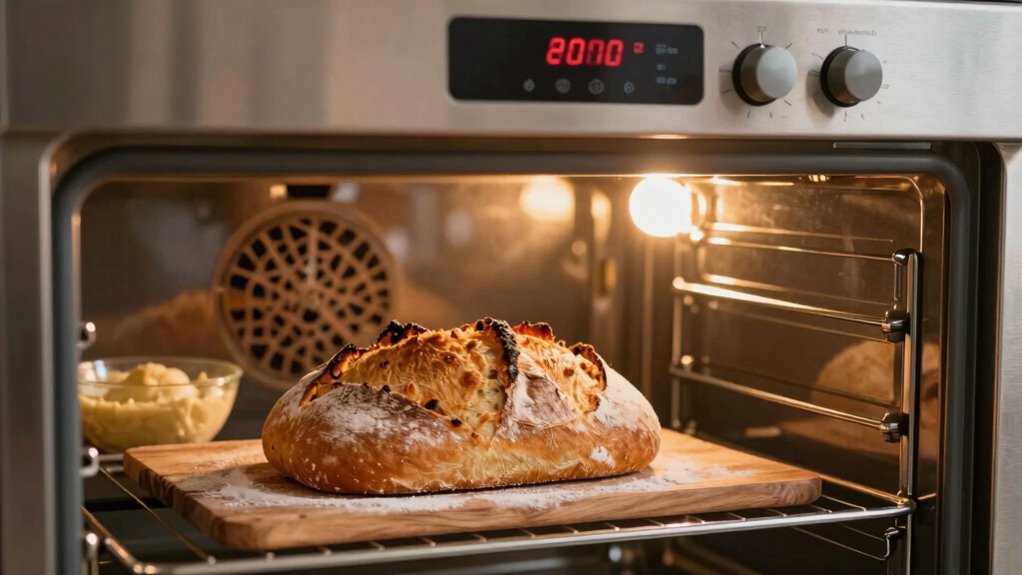
Have you ever wondered why preheating your oven is so important? It might seem like a minor step, but it plays a vital role in achieving the best baking results. When you preheat, you make certain that your oven reaches the desired oven temperature before you place your dish inside. This practice enhances recipe accuracy, allowing your baked goods to cook evenly and as intended. If you skip this step, you risk uneven cooking and unpredictable baking times, which can lead to disappointing outcomes.
Preheating your oven is essential for even cooking and perfect baking results, ensuring your dishes turn out as intended.
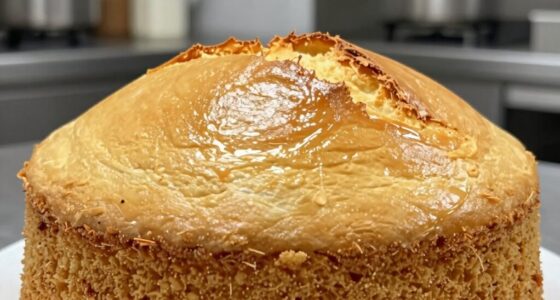
Reflect on how preheating affects various types of recipes. When you bake, the initial heat helps to create that perfect crust on bread or cookies. This texture enhancement is fundamental for achieving a delightful crunch or a soft, chewy interior. If you toss your dough into a cold oven, you’ll miss out on that critical moment of heat that kickstarts flavor development. Your cookies might spread too much, or your cakes might not rise properly.
In terms of food safety, preheating is equally important. Cooking your food at the right temperature from the get-go reduces the risk of bacteria growth, making sure your meals are safe to eat. If you don’t preheat, you could end up with undercooked sections, especially in poultry or meats, which could pose health risks. Proper oven temperature control is essential for both safety and quality.
Another aspect to reflect on is energy efficiency. While it might seem counterintuitive, preheating can actually save you energy in the long run. By making certain that your oven reaches the appropriate temperature quickly, you minimize the time it runs, helping you avoid extended cooking times that can lead to wasted energy. Additionally, proper oven temperature ensures optimal cooking conditions and prevents overuse of energy during prolonged cooking. Understanding oven heat transfer can further optimize your cooking process.
As an affiliate, we earn on qualifying purchases.
Frequently Asked Questions
Can I Preheat My Oven Using the Broil Setting?
You can preheat your oven using the broil setting, but it’s not the best choice. The broil setting heats from above, quickly cooking the surface of your food, which has its advantages like fast browning. However, it can lead to uneven cooking and burnt tops if you’re not careful. Instead, consider using the bake setting for a more consistent heat, especially if you want even cooking throughout your dish.
Does Preheating Save Energy in the Long Run?
Cutting corners might seem tempting, but preheating can actually improve your energy efficiency in the long run. By ensuring your oven reaches the desired temperature before you start baking, you set yourself up for better baking results. When you skip preheating, you risk uneven cooking, which can lead to wasted time and energy. So, it’s best to stick with preheating for consistent results and to avoid any unnecessary energy waste down the line.
How Do I Know My Oven Is Preheated?
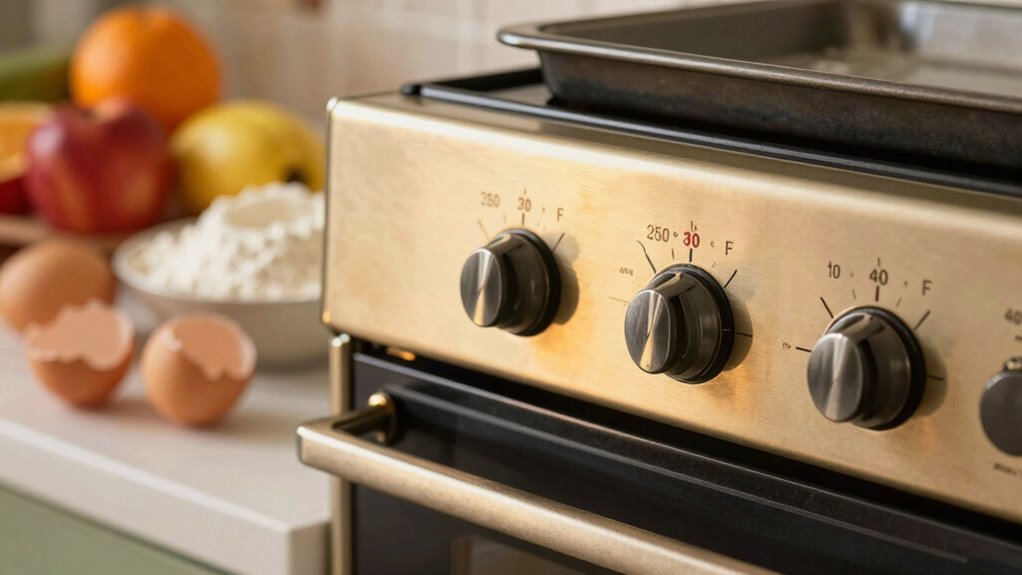
You can tell your oven’s preheated by checking the preheat indicator lights, which usually signal when it’s ready. However, for the most accurate results, consider using an oven thermometer. Sometimes, the built-in temperature gauge isn’t precise, so an oven thermometer can give you a better idea of the actual temperature. Once the thermometer shows your desired heat, you know your oven’s ready to go!
Is It Necessary to Preheat for Baking Bread?
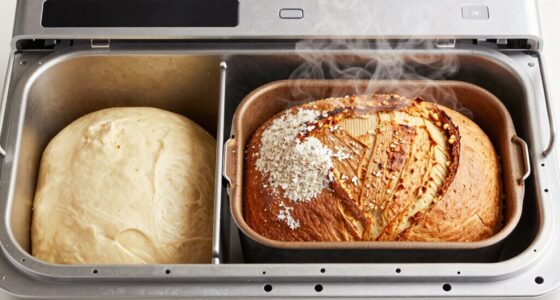
Yes, it’s essential to preheat your oven for baking bread. Picture the dough rising like a balloon, its fermentation process releasing delicious aromas. When your oven’s hot, it creates that perfect crust, turning your loaf into a golden masterpiece. Without preheating, you risk a dense bread texture—like a soggy sponge rather than a light, airy delight. So, turn that dial and let the heat work its magic before you slide in your dough!
What Happens if I Skip Preheating Entirely?
If you skip preheating entirely, your baking results can suffer. The dough won’t rise properly, leading to dense, undercooked bread. Without the accurate temperature, the texture and flavor might fall flat. You might end up with unevenly baked goods, as the outside cooks faster than the inside. To guarantee your recipe shines, it’s best to preheat your oven, allowing for ideal temperature accuracy and delicious, consistent results.
baking oven with accurate temperature control
As an affiliate, we earn on qualifying purchases.
As an affiliate, we earn on qualifying purchases.
Conclusion
In the culinary journey, preheating can be your trusty compass, guiding you toward perfectly cooked dishes. While it matters for baking and roasting to achieve that golden crust, sometimes skipping it can save time and still yield tasty results. So, when you’re in a rush, don’t sweat it! Just remember, like a warm hug before a feast, preheating can elevate your meal, but it’s not always essential. Trust your instincts and enjoy the process!
As an affiliate, we earn on qualifying purchases.
digital oven thermometer for baking
As an affiliate, we earn on qualifying purchases.
As an affiliate, we earn on qualifying purchases.