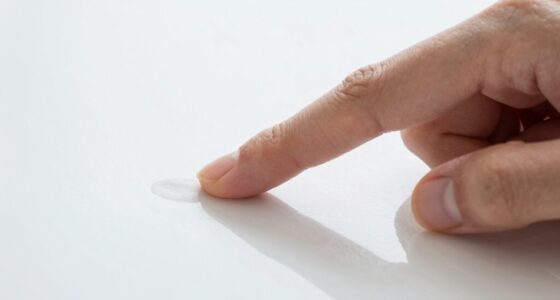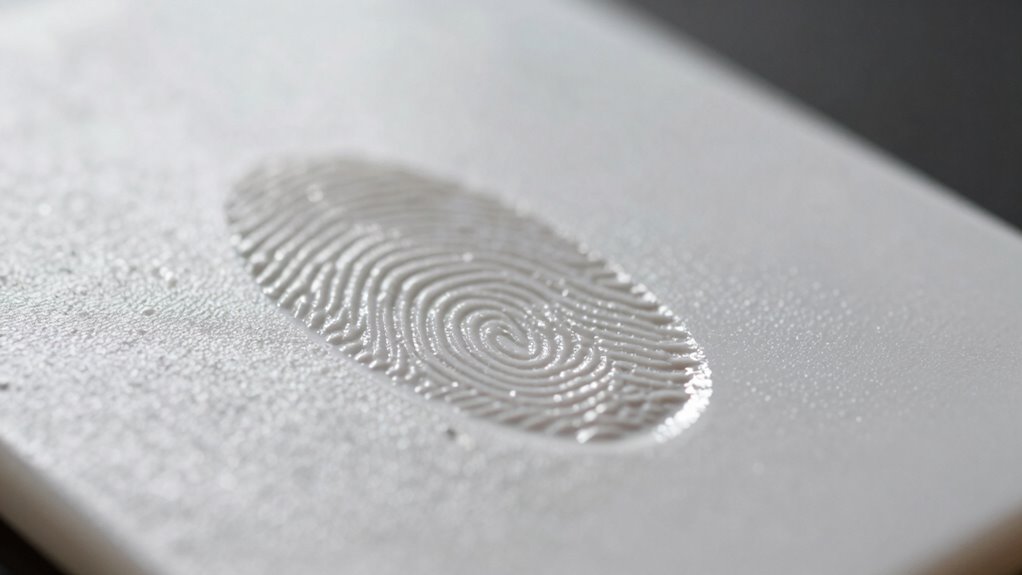
To do the Finger Dent Test right, start by applying consistent pressure with your finger on the material’s surface. Don’t push too hard; just enough to gauge its response. Take note of how quickly the material recovers once you release the pressure—faster recovery suggests better durability. Test different areas to verify uniformity across the surface. Remember, understanding these qualities will help you pick the best option for comfort and longevity. You’re just scratching the surface of this useful test!
Key Takeaways
- Apply consistent finger pressure to assess material firmness without overexerting force for accurate results.
- Observe the speed of recovery after releasing pressure; quicker recovery indicates better durability.
- Test various areas of the material to identify inconsistencies in softness and firmness.
- Compare multiple materials based on their response to pressure and recovery speed for better choices.
- Personal comfort preferences play a crucial role in determining material suitability and overall satisfaction.
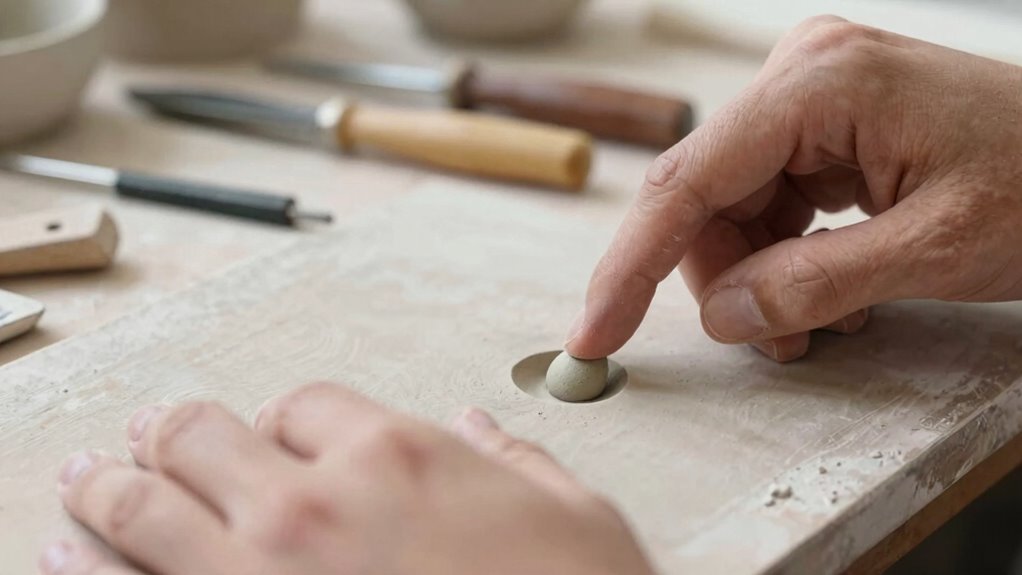
The Finger Dent Test is a simple yet effective method to assess the firmness of materials, like foam or gel. By using your finger, you can gauge how well a material responds to pressure and how it holds up over time. This test is vital, especially if you’re shopping for a new mattress or cushion. You want to guarantee you’re investing in something that will offer comfort without deteriorating quickly.
To perform the test, you’ll want to apply consistent finger pressure on the material’s surface. Start by pressing down firmly but not excessively; you’re looking for a balance. Too much pressure might give you misleading results, while too little won’t provide an accurate assessment of the material’s durability. As you press down, pay attention to how quickly the material regains its shape once you release your finger. A quick recovery indicates good durability, while a slow return might suggest the material will wear out faster.
While testing, it’s essential to observe how the material feels under your finger. Does it feel soft and plush, or does it have a firmer touch? Each material will have its unique response, and your personal comfort preferences should guide your assessment. If you’re testing a foam mattress, for instance, you might appreciate a softer feel, but remember that too much softness can lead to a lack of support over time. Understanding the material’s properties can help you make a more informed decision. Additionally, knowing how the material responds to pressure can give you insight into its long-term performance and resilience. Recognizing the material’s consistency across different areas is also crucial, as unevenness can impact comfort and durability.
Consider repeating the test in different areas of the material. You might find that some spots are firmer than others, which can help you decide if the material is consistently durable or if there are weak points. This can be particularly helpful for larger items, like cushions or mattresses, where uniformity is key for comfort and longevity. Additionally, understanding the material’s response to pressure can help you predict how it will perform over long-term use. Recognizing the importance of material consistency ensures you select a product that maintains quality throughout its lifespan.
Once you’ve gathered your impressions from the Finger Dent Test, you can compare the materials you’re considering. Think about how each one feels under finger pressure and how quickly they return to shape. This comparison will not only help you choose a product that meets your comfort needs but also guarantees that you’re making a wise investment in material durability. Remember, consistent testing across different areas enhances your ability to select the most reliable and comfortable option.
In the end, the Finger Dent Test is a straightforward way to make informed decisions about the materials you choose. By understanding how they respond to pressure, you can ensure that your selections will stand the test of time and provide the comfort you desire.

Zinus Green Tea Memory Foam Mattress 10 Inch, Pressure-Relieving Comfort & Full-Body Support, Naturally Fresh, Medium Firm Feel, CertiPUR-US & Oeko-TEX Certified Safe Materials, Queen
ZINUS GREEN TEA MEMORY FOAM – Patented zoned pressure relief, medium firm feel, breathable knitted cover, and a…
As an affiliate, we earn on qualifying purchases.
As an affiliate, we earn on qualifying purchases.
Frequently Asked Questions
What Materials Are Best for the Finger Dent Test?
For the finger dent test, you’ll want to use soft, pliable materials like silicone or soft rubber. These materials allow for accurate detection techniques, helping you assess material properties effectively. You can also consider using different hardness levels to compare results. The key is ensuring the materials can deform easily under pressure while providing clear feedback, so you can make informed conclusions about the material’s performance and durability.
How Often Should the Test Be Performed?
You should perform the test regularly to guarantee accuracy. Ideal intervals depend on your specific use case, but typically, testing every few weeks works well for most applications. If you notice significant changes in material properties, increase the test frequency. Keeping a consistent schedule helps you catch any issues early and maintain quality. Remember, regular testing is key to reliable results, so don’t overlook it in your process!
Can Environmental Factors Affect the Results?
Oh sure, you think you can just ignore humidity effects and temperature variations, right? Well, think again! These pesky environmental factors can seriously mess with your results. High humidity might make your surface softer, while those sneaky temperature fluctuations could harden it up. So, if you want accurate outcomes, you better pay attention to the weather. Otherwise, you might as well be tossing darts in the dark!
What Should I Do if Results Are Inconclusive?
If your results are inconclusive, don’t panic! First, revisit your testing techniques to guarantee they’re accurate. Double-check your materials and environment for any inconsistencies. Next, apply some troubleshooting methods—try repeating the test, adjusting your pressure, or using a different surface. Document any changes you make, and compare the results. If you’re still unsure, consider consulting with an expert to gain further insights into your findings.
Are There Alternative Testing Methods Available?
Yes, there are alternative methods you can explore for testing accuracy. Consider using methods like the pressure test, which gauges material resilience, or the rebound test, which measures elasticity. Each offers unique insights and can complement your findings. If you’re looking for further validation, non-destructive testing options like ultrasonic or radiographic tests might also be worth investigating. These alternatives can enhance your understanding of the material properties involved.

Weld Seam Crochet, Hot Welding Seam Tester & Roofing Leak Inspection Tool, 6mm Diameter High Speed Steel Wood Handle Sharp Point, for PVC, TPO, EPDM Roofing and Waterproof Surface Inspection
Excellent High Speed Steel Material: This welding barb is made of high speed steel, which is durable and…
As an affiliate, we earn on qualifying purchases.
As an affiliate, we earn on qualifying purchases.
Conclusion
To sum up, mastering the finger dent test is like fine-tuning a vintage record player; it takes practice and attention to detail. When you press your finger into the material, you’re not just checking for quality—you’re ensuring longevity. Just as a well-maintained record spins smoothly, a well-done test guarantees your project stands the test of time. So, take a moment, trust your instincts, and let each dent guide you toward the perfect finish.

Ahpmeoa 3PCS Wedge Pillow Set for After Surgery, Back Pillow for Bed Sitting up, 10-in-1 Foam Wedge Pillow for Acid Reflux & Back Pain Relief, Post Surgery Pillow for GERD & Snoring, White
Ultimate Comfort & Versatility: This bed wedge pillow set offers superior comfort, ideal for post-surgery recovery, acid reflux…
As an affiliate, we earn on qualifying purchases.
As an affiliate, we earn on qualifying purchases.

Novilla King Mattress Topper – 3 Inch Cooling Gel Infused Memory Foam Mattress Topper | Slow-Rebound Pressure Relief | Comfort for Sleeper Sofa, RV, Dorm Room
Pressure-Relieving Comfort – Made with slow-response memory foam, Novilla king size mattress topper gently contours to your body,…
As an affiliate, we earn on qualifying purchases.
As an affiliate, we earn on qualifying purchases.