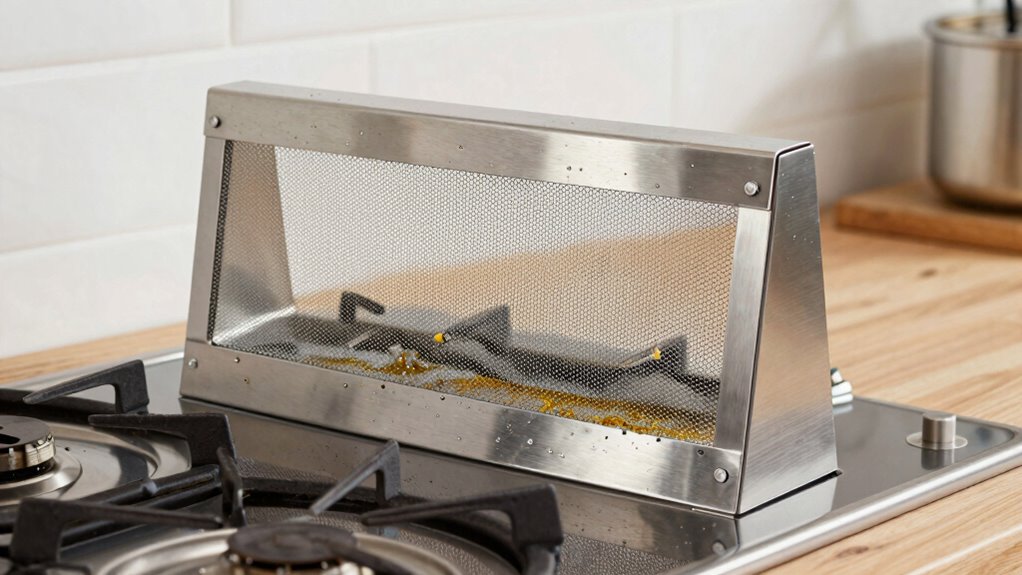

Grease splatter shields often struggle to contain tiny oil particles and adapt to your stove’s layout, making them less effective at keeping your kitchen clean. Instead, focus on using tight-fitting cookware, splatter screens, and liners like parchment paper to minimize splashes. Combine these with better airflow by operating exhaust fans properly and maintaining your range hood. Regular cleaning and smart cooking techniques also help reduce grease buildup and airborne particles. Stay with us to discover more effective ways to keep your kitchen air fresh.
Key Takeaways
- Use tight-fitting lids, splatter screens, or liners to contain grease and reduce splatters during cooking.
- Improve kitchen ventilation with properly installed, maintained range hoods and exhaust fans positioned correctly.
- Enhance air quality by using air purifiers with HEPA filters and opening windows during and after cooking.
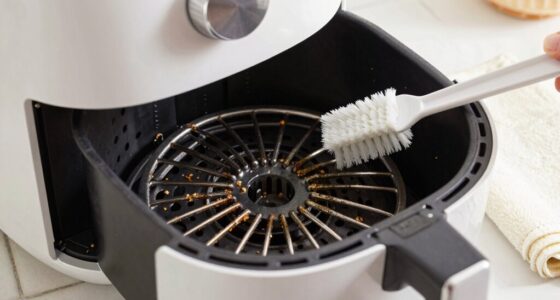
- Regularly clean surfaces, appliances, and ventilation components to prevent grease buildup and odors.
- Optimize airflow by inspecting and maintaining duct systems, avoiding obstructions, and using sensors for real-time air quality monitoring.
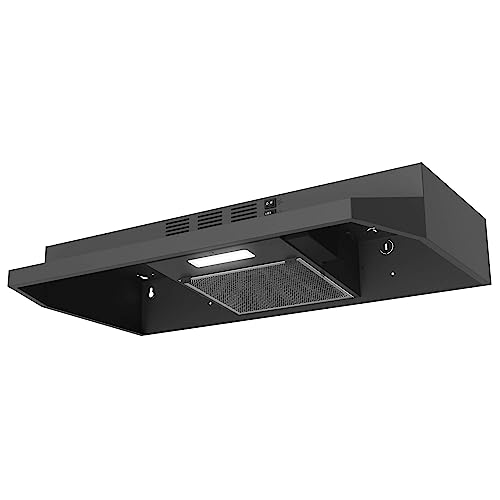
SNDOAS Range Hood 30 inch Under Cabinet, Ducted/Ductless Convertible Kitchen Hood, Stainless Steel Vent Hood with LED Light,Under Cabinet Hood with 2 Speed Exhaust Fan,Black
【SLIM & SPACE-SAVING】: Range Hood dimensions: 17.5"L*29.9" W*4.7" H. This SNDOAS cabinet range hood at only 4.7 inches…
As an affiliate, we earn on qualifying purchases.
As an affiliate, we earn on qualifying purchases.
Why Grease Splatter Shields Often Fail to Keep Your Kitchen Clean
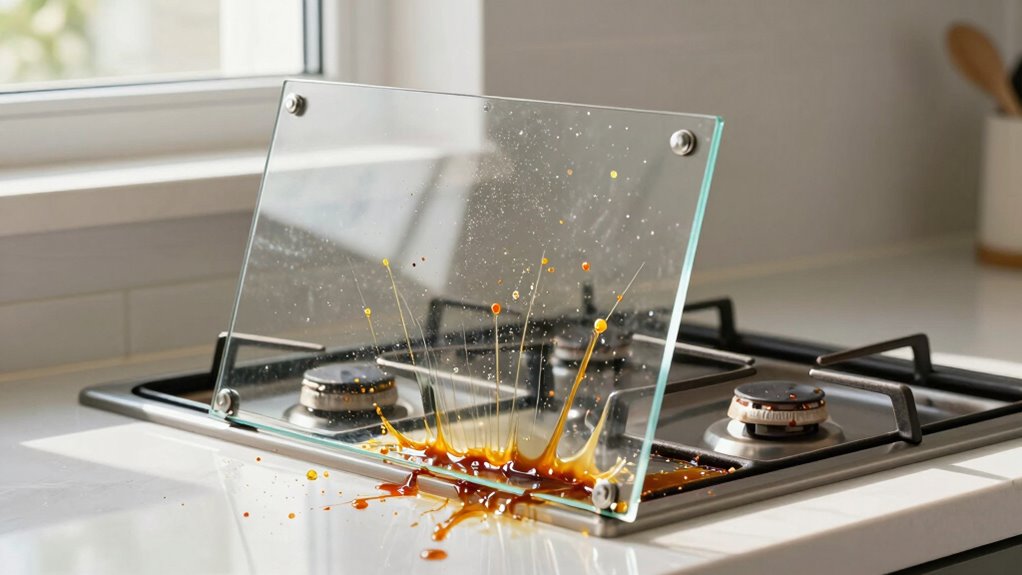
Grease splatter shields often fail to keep your kitchen spotless because they don’t fully prevent oil and food particles from escaping. While they can block some splatter, their shield effectiveness isn’t foolproof. Tiny grease splatter can still leak through gaps or around edges, especially if the shield doesn’t fit snugly. Over time, residual grease can build up on the shield, reducing its ability to contain splatter effectively. Additionally, heat and steam can cause some particles to escape from areas not fully covered. As a result, relying solely on a grease splatter shield won’t guarantee a clean kitchen. You need extra measures to control airborne grease and keep your cooking area cleaner. Incorporating smart ventilation solutions can further improve air quality and reduce lingering grease particles, especially since proper ventilation relies on air circulation principles. Proper filter maintenance also plays a crucial role in maintaining an effective cooking environment. Implementing adequate exhaust systems can significantly enhance your kitchen’s cleanliness by actively removing airborne grease before it settles.

Air Purifiers for Home with H13 Quiet HEPA Filter Up to 1076 Ft² for Pet Hair, Odors, Pollen, Smoke, Compact Air Cleaner with 3 Speeds, Timer, Aroma Quiet 360°Intake Filter, White
Effortless Operation: Simplified control panel with intuitive design makes it easy to operate. No complicated setup—just one tap,…
As an affiliate, we earn on qualifying purchases.
As an affiliate, we earn on qualifying purchases.
How Grease and Particles Spread in Your Kitchen Air
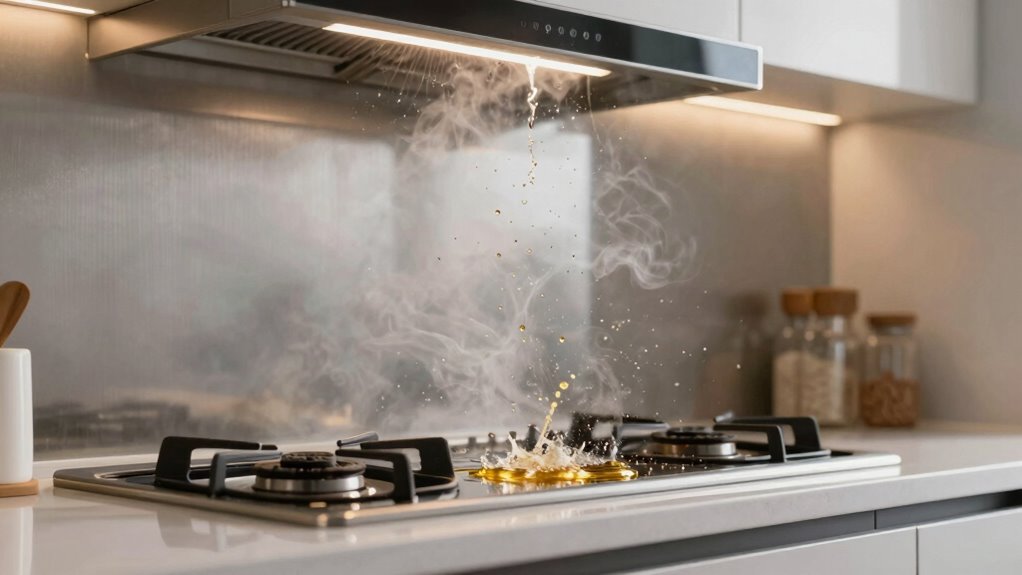
When you cook, tiny particles of grease, food, and steam are released into the air, quickly dispersing throughout your kitchen. These airborne particles can travel far beyond the stove, settling on surfaces or floating in the air long after cooking. Grease dispersion happens rapidly, creating a fine mist that is hard to see but easy to inhale. As you cook, heat causes grease and particles to become airborne, spreading in all directions. This not only contaminates your kitchen’s surfaces but also impacts indoor air quality. Without proper ventilation, these particles linger, increasing the risk of buildup on countertops, cabinets, and even your furniture. Understanding how grease and particles spread helps you realize why good airflow and filtration are essential for a cleaner, healthier kitchen environment. Proper airflow management can significantly reduce the spread of airborne grease and particles, improving overall air quality and cleanliness. In addition, using effective air filtration systems can further capture these tiny particles before they settle or circulate. Implementing proper ventilation techniques is essential to keep indoor air fresh and prevent grease buildup. Additionally, incorporating periodic cleaning routines can help remove residual grease from surfaces, further enhancing air quality and reducing airborne contaminants. Furthermore, selecting appropriate cooking methods can also minimize the release of airborne particles, contributing to a healthier kitchen environment.

Splatter Screen for Frying Pan, Grease Splatter Guard, Heat-Resistant Splatter Guards for Frying, Silicone Splatter Guard for Everyday Cooking, Dishwasher Safe (16in×12in×0.5in)
【Clean and Tidy】Our silicone splatter screen for frying pan is your kitchen's shield against oil and food splatters,ensuring…
As an affiliate, we earn on qualifying purchases.
As an affiliate, we earn on qualifying purchases.
Simple Preventive Measures: Cookware, Liners, and Cooking Techniques
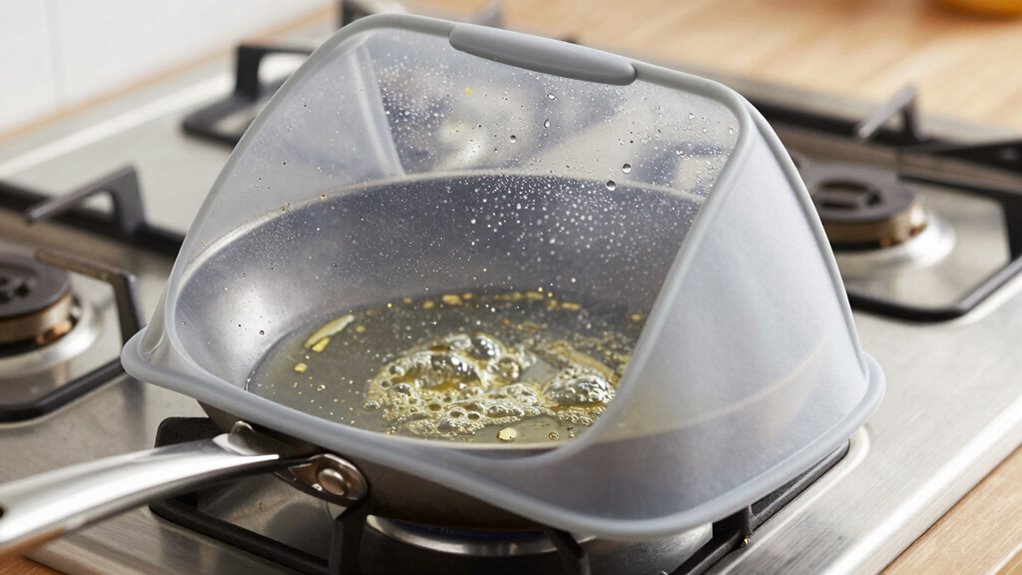
Using the right cookware and simple techniques can considerably reduce the spread of grease and particles during cooking. Choose cookware with tight-fitting lids to contain splatters and avoid overcrowding your stove, which improves kitchen organization and prevents unnecessary messes. Use liners or splatter screens on pots and pans to catch grease before it escapes. Adjust your cooking techniques by lowering heat to reduce vigorous bubbling and splattering. Proper appliance placement also matters: position your stove away from high-traffic areas and ensure good airflow around your cooking station. Keeping your workspace organized minimizes clutter, making it easier to manage splatters. Incorporating airflow management strategies can further decrease airborne grease particles, creating a cleaner kitchen environment and notably cut down on airborne grease particles. Additionally, installing ventilation systems designed for grease extraction can greatly enhance indoor air quality and reduce residual grease buildup. Incorporating kitchen ventilation solutions ensures consistent removal of airborne contaminants, leading to a healthier cooking space. Implementing air filtration systems can also help capture grease and particles that escape traditional ventilation, further improving air cleanliness. Using proper kitchen exhaust techniques can optimize grease removal and improve overall air quality.

VEVOR 8 Inch Exhaust Fan, 576 CFM High Velocity Wall Mount Vent Fan with On/Off Control, Low Consumption, Portable Ventilation Extractor for Attic,Garage,Basement,Workshop,Kitchen, Chicken Coop,Black
High Airflow Performance: This 8-inch exhaust fan delivers strong airflow for fast smoke and air circulation, keeping your…
As an affiliate, we earn on qualifying purchases.
As an affiliate, we earn on qualifying purchases.
How to Use Ventilation and Exhaust Fans Effectively
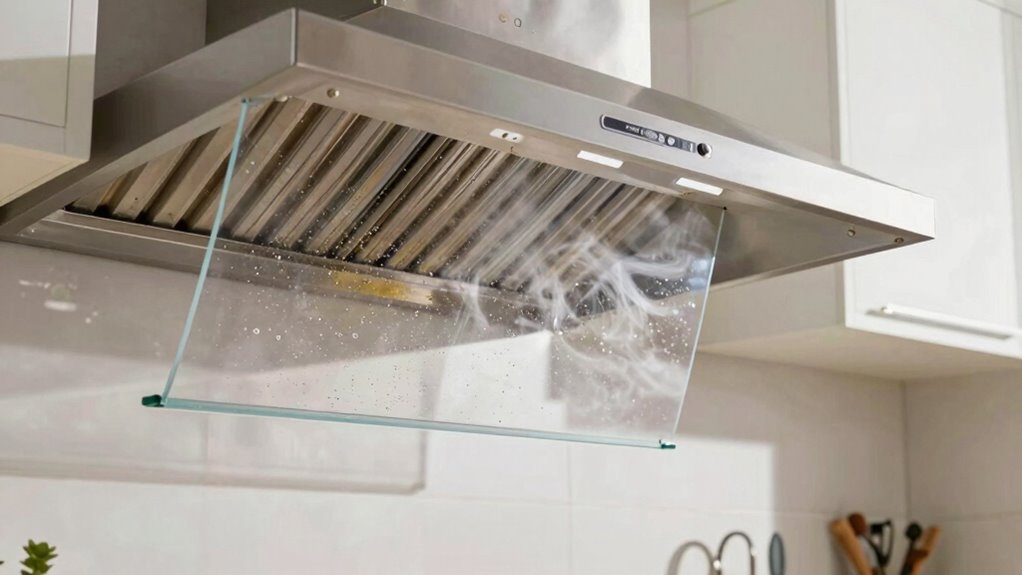
To get the most out of your ventilation and exhaust fans, make sure they’re properly positioned for ideal airflow. You should also check them regularly to ensure they’re working efficiently. When used correctly, these fans can greatly reduce grease and smoke buildup in your kitchen. Incorporating smart appliances that monitor and optimize ventilation can further enhance kitchen air quality. Additionally, understanding airflow dynamics helps in arranging fans and vents for maximum effectiveness. Properly designed air circulation patterns can also prevent stale air pockets and improve overall ventilation efficiency. Taking time to evaluate your ventilation system setup ensures optimal performance and air quality. Paying attention to air quality sensors can provide real-time feedback on indoor air conditions, allowing for timely adjustments.
Proper Vent Placement
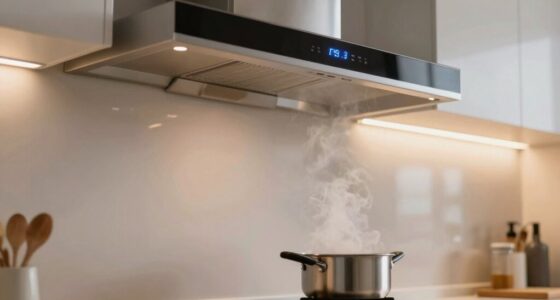
Proper vent placement is essential for effectively reducing grease splatter and maintaining a clean cooking area. Position your range hood directly above the stove, ensuring it extends at least a few inches beyond the cooktop’s edges. This placement maximizes air circulation, capturing grease and smoke before they spread. Make sure the vent is installed at the correct height—usually 24 to 30 inches above the burners—so it works efficiently without obstructing your view or workspace. Proper placement helps direct airborne particles straight into the vent, preventing them from settling on surfaces. Remember, a well-positioned range hood enhances ventilation, reduces grease buildup, and keeps your kitchen cleaner with less effort. Effective vent placement is a simple but crucial step toward cleaner air. Sound quality and levels are also important considerations to ensure your ventilation system operates effectively. Additionally, proper installation techniques can significantly improve the performance of your ventilation setup, leading to better air quality and easier cleanup. To further improve your kitchen’s air quality, consider ensuring adequate air circulation throughout the space, which can help disperse airborne grease and odors more efficiently. Maintaining optimal ventilation efficiency can also prevent grease from accumulating in hidden areas, reducing overall cleanup time. Using airflow management strategies can optimize the entire system’s effectiveness.
Maximize Airflow Efficiency
Ever wonder how to get the most out of your ventilation and exhaust fans? The key is understanding airflow patterns and optimizing duct design. Guarantee your fans are positioned to create a smooth, unidirectional airflow, pulling fumes directly away from your cooking area. Avoid abrupt turns or narrow ducts that disrupt airflow and reduce efficiency. Use appropriately sized ducts to prevent pressure loss and promote steady airflow. Proper duct insulation can also help maintain consistent airflow and prevent heat loss. Additionally, sealing leaks in your ductwork prevents air escape, ensuring more air gets exhausted effectively. By designing your ventilation system with ideal airflow patterns and a well-planned duct layout, you’ll maximize exhaust efficiency, improve air quality, and keep your kitchen cleaner and healthier.
Regular Maintenance Checks
Regular maintenance checks are essential to keep your ventilation and exhaust fans working at peak performance. Regularly inspecting your kitchen ventilation system ensures it effectively removes smoke, grease, and odors. Clean or replace filters as needed to maintain airflow and prevent buildup that can hinder appliance performance. Check that exhaust fans operate smoothly and quietly, and clear any obstructions around vents. Proper appliance maintenance also involves inspecting ductwork for leaks or blockages. By staying proactive with these checks, you ensure your ventilation system functions efficiently, reducing grease accumulation and improving air quality. Consistent upkeep not only prolongs the lifespan of your equipment but also creates a cleaner, healthier cooking environment. Make routine checks part of your kitchen maintenance schedule for the best results.
Maintaining Your Range Hood for Better Air Quality
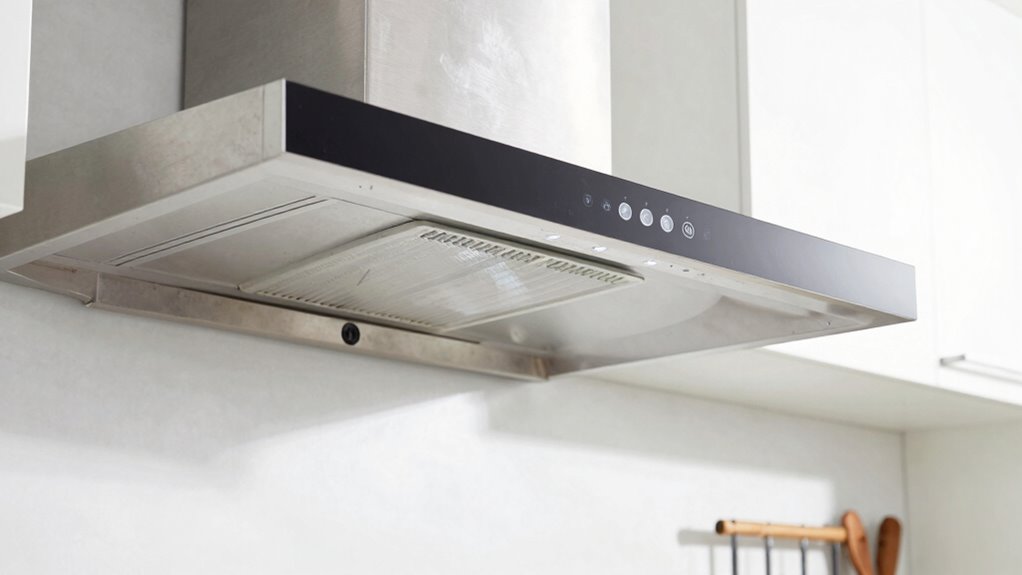
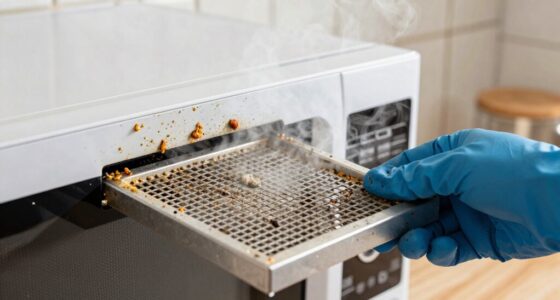
To guarantee your range hood effectively improves indoor air quality, you need to keep its components clean and well-maintained. Regularly check and replace filters to ensure best air filtration. Clean the grease buildup from the filters and surfaces to prevent clogs and bad odors. Ensure the fan motor is free of dust and debris, which can hinder performance. Proper maintenance extends the lifespan of your range hood and keeps your kitchen air fresh. Here are key tips:
Regularly clean filters and surfaces to keep your range hood functioning optimally and ensure fresh kitchen air.
- Replace or clean filters regularly for best air filtration
- Wipe down surfaces to remove grease buildup
- Clean the fan blades and motor to maintain efficiency
- Check for obstructions in the vent ducts
Consistent upkeep ensures your range hood works effectively, promoting healthier indoor air.
Choosing Grease-Resistant Cookware and Liners to Minimize Mess
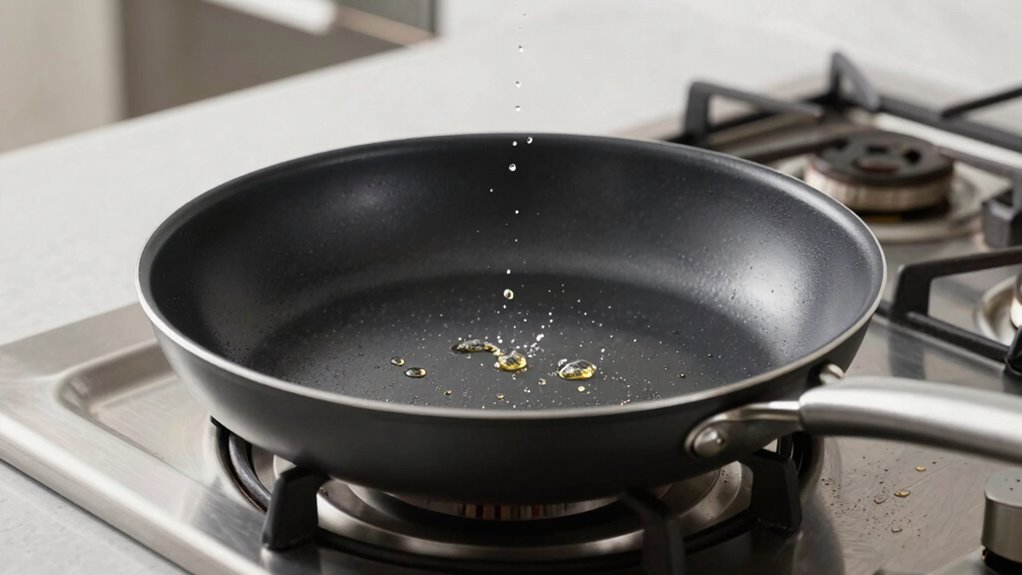
Choosing grease-resistant cookware and liners can substantially reduce kitchen messes by preventing grease from sticking and spreading during cooking. Opt for grease resistant cookware like non-stick pans or ceramic-coated pots that repel grease. Additionally, explore kitchen liner options such as silicone mats, parchment paper, or disposable liners to catch splatters before they spread. Visualize these choices:
| Cookware Type | Liner Option | Benefits |
|---|---|---|
| Non-stick skillet | Silicone mat | Easy cleanup, reusability |
| Ceramic pot | Parchment paper | Prevents grease penetration |
| Stainless steel | Disposable liners | Quick cleanup, less mess |
| Cast iron skillet | No liners needed | Durability, heat distribution |
How Regular Kitchen Cleaning Prevents Grease Buildup
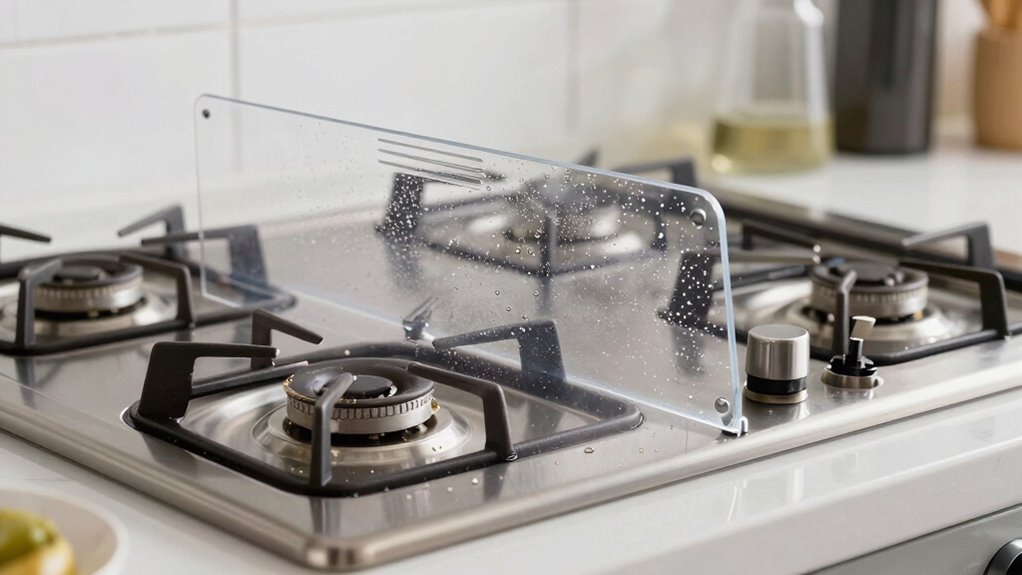
Keeping your kitchen clean on a consistent basis is the best way to prevent grease from building up over time. Regular cleaning is key to maintaining good kitchen hygiene and reducing grease prevention issues. When you clean surfaces, appliances, and range hoods frequently, you stop grease from accumulating and becoming stubborn to remove. It also minimizes odors and keeps your cooking environment sanitary. To enhance grease prevention, consider these tips:
- Wipe down countertops and stove surfaces after each use
- Clean range hoods and filters regularly
- Use a degreasing cleaner on stubborn spots
- Don’t forget to clean backsplash tiles and vents
Cooking Techniques That Help Reduce Kitchen Splashes and Splatters
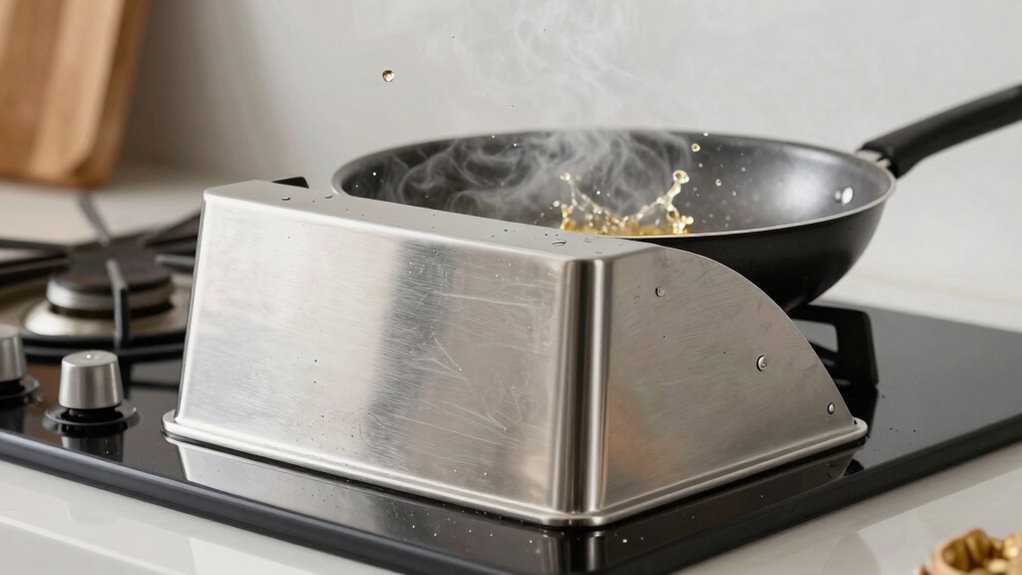
Using proper pan lids can keep splashes contained and prevent messes. Cooking at the right temperatures also minimizes vigorous bubbling and splattering. When you combine these techniques, your kitchen stays cleaner and safer.
Use Proper Pan Lids
When you cover your pots and pans with the right lid, you can considerably cut down on splashes and splatters that make a mess in the kitchen. Proper pan lid safety guarantees you avoid accidents, so choose lids with heat-resistant handles and secure fit. The lid material matters—glass lids let you watch your food while cooking, but stainless steel lids are more durable and better at heat retention. Make sure your lid fits snugly to contain splatters effectively. To maximize splatter control:
- Select lids that match your pan size
- Use vented lids to release steam safely
- Keep lids clean for better seal and visibility
- Avoid overly tight-fitting lids that trap pressure
This simple step helps keep your cooking area cleaner and reduces the need for additional splatter shields.
Optimize Cooking Temperatures
Adjusting your cooking temperatures can considerably reduce splashes and spills in the kitchen. Proper temperature control helps you avoid overheating ingredients, which often causes excessive splattering. When frying or sautéing, keep your heat below the smoke point of oils to prevent sudden burst of splatters caused by smoke or burning oil. Using moderate temperatures allows foods to cook evenly, minimizing violent bubbling or splattering. If you’re searing or frying, start with medium heat and adjust as needed. Remember, high heat can quickly create steam and splashes, while too low heat might cause sticking and uneven cooking. By managing your cooking temperatures carefully, you create a safer, cleaner cooking environment with fewer greasy messes and less cleanup afterward.
Best Air Purifiers for Reducing Kitchen Grease and Odors
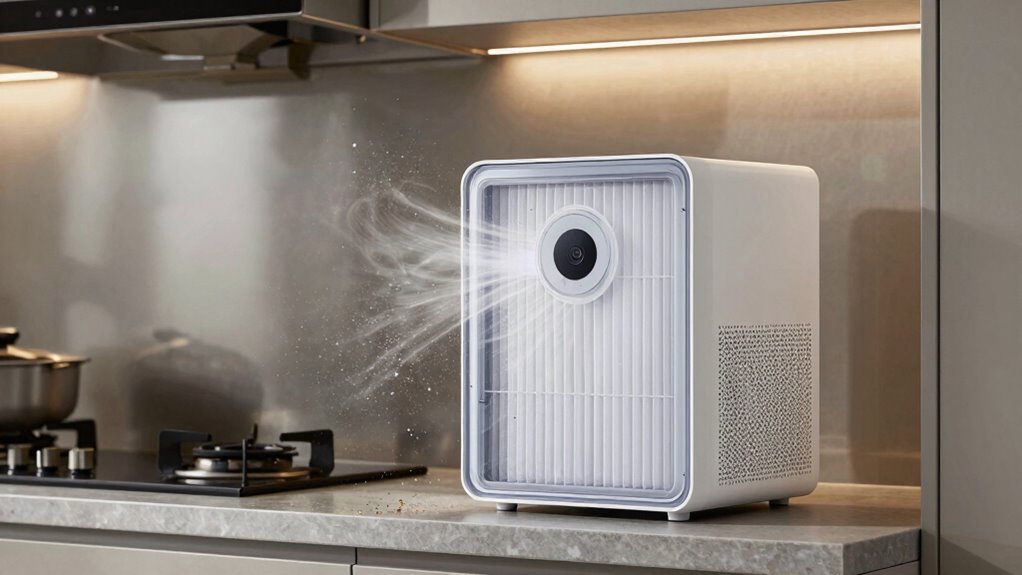
Cooking can fill your kitchen with stubborn grease and lingering odors that traditional vents sometimes can’t fully eliminate. To improve air quality, consider the best air purifiers for reducing grease and odors. Look for models with HEPA filters and activated carbon layers—these are key for trapping grease particles and absorbing smells. When doing an air purifier comparison, focus on airflow capacity and filter lifespan. Avoid relying solely on grease splatter shields, which don’t address airborne particles. Instead, choose purifiers that target airborne grease and odors directly. Some top options include:
- High-CADR air purifiers with activated carbon filters
- Units with adjustable fan speeds
- Devices with smart air quality sensors
- Compact models suitable for kitchen spaces
These features help keep your air clean and fresh, reducing the need for extra shields.
Easy Steps to Keep Your Kitchen Air Fresh and Clean
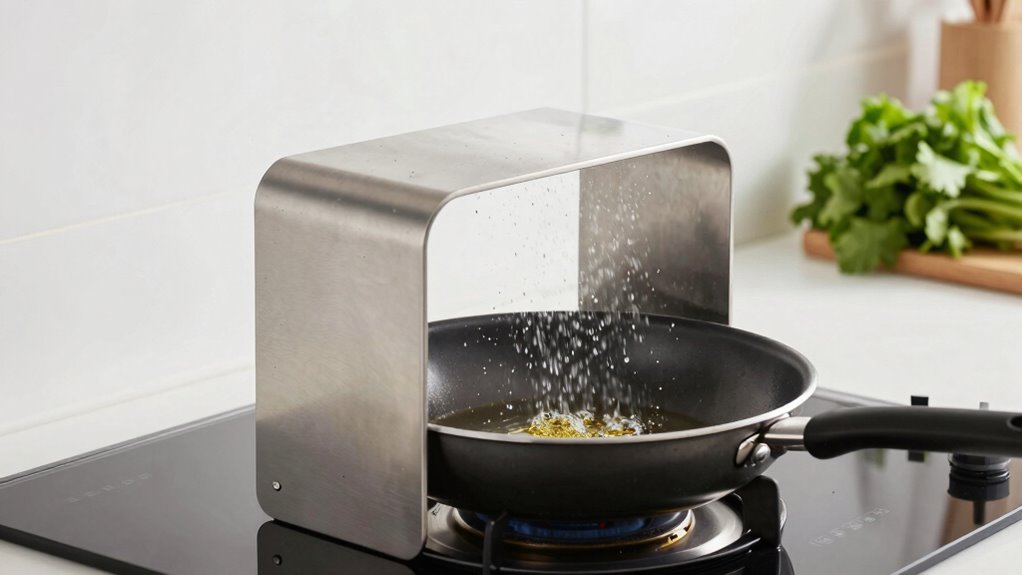
To keep your kitchen air fresh and clean, make sure you use proper ventilation techniques like turning on your range hood or opening a window while cooking. Regularly cleaning surfaces helps prevent grease buildup and lingering odors. These simple steps can make a noticeable difference in maintaining a pleasant cooking environment.
Proper Ventilation Techniques
Proper ventilation is essential for keeping your kitchen air fresh and free of lingering fumes. Good kitchen airflow depends on effective ventilation design, which helps remove smoke, steam, and odors quickly. To improve ventilation, consider these easy steps:
- Use exhaust fans during and after cooking
- Ensure range hoods are properly installed and maintained
- Open windows to increase fresh air circulation
- Position vents strategically for maximum airflow
Regular Surface Cleaning
Keeping your kitchen air fresh doesn’t end with good ventilation; regular surface cleaning plays a vital role in minimizing airborne odors and residues. When you wipe down counters, stovetops, and other surfaces daily, you help maintain your kitchen’s aesthetics, making it look clean and inviting. This habit also protects your cookware durability by preventing buildup that can damage finishes over time. Use a gentle, effective cleaner to eliminate grease and grime, ensuring surfaces stay shiny and fresh. Regular cleaning reduces the risk of lingering odors that can seep into cabinets and curtains, improving air quality. Plus, a tidy kitchen motivates you to cook more often, reinforcing good habits. Consistent surface care is a simple, powerful step toward a cleaner, more pleasant cooking environment.
Frequently Asked Questions
Are There Environmentally Friendly Alternatives to Grease Splatter Shields?
Yes, there are eco-friendly alternatives to grease splatter shields. You can choose kitchen covers made from eco-friendly materials like silicone or stainless steel, which are durable and reusable. Biodegradable options, such as compostable cooking wraps or wraps made from plant-based fibers, also work well. These environmentally friendly choices help reduce waste and minimize your carbon footprint, making your cooking process cleaner for both your home and the planet.
How Often Should I Replace or Clean My Range Hood Filters?
You should clean your range hood filters every 1 to 3 months, depending on how often you cook and the type of filter. Follow your filter maintenance routine and replace filters as needed—usually every 6 to 12 months for maximum performance. Regular cleaning prevents grease buildup, maintains air quality, and guarantees your range hood works efficiently. Keep an eye on your filters and stick to the recommended replacement schedule for best results.
Can Specific Cooking Oils Reduce Airborne Grease Particles?
Certain oil types, like avocado or light olive oil, produce less smoke and airborne grease particles during cooking, helping improve smoke reduction. Using oils with higher smoke points minimizes splatter and airborne grease, making your kitchen cleaner and safer. Opt for these oils to reduce the amount of airborne grease particles, which can help your range hood work more efficiently and keep your air cleaner without relying solely on grease splatter shields.
What Are the Best Practices for Maintaining Indoor Air Quality During Heavy Cooking?
Want to keep your indoor air quality high during heavy cooking? You should prioritize proper ventilation strategies like using range hoods and exhaust fans to remove airborne grease and odors. Additionally, consider air purification devices to filter out particles and improve air clarity. Did you know that combining these methods effectively reduces indoor pollutants? Regularly cleaning filters and ensuring proper airflow helps maintain a healthier environment while you cook.
Do Certain Kitchen Layouts Help Minimize Grease and Smoke Spread?
Yes, your kitchen layout can considerably reduce grease and smoke spread. Proper kitchen ventilation is essential; install exhaust hoods directly over your cooking zones to capture fumes effectively. Position cooking zones away from entrances and windows to prevent smoke from spreading outside. Good airflow encourages smoke and grease particles to rise into the ventilation system, keeping your kitchen cleaner and air healthier. Thoughtful placement makes a noticeable difference in maintaining a cleaner, fresher cooking environment.
Conclusion
Think of your kitchen as a garden, where every cooking session is a chance to nurture clean air. Instead of relying on fragile shields that often fall, tend to your space with mindful techniques, proper ventilation, and regular cleaning. Like watering your plants, these simple steps help your kitchen flourish, keeping grease and odors at bay. With consistent care, your kitchen becomes a vibrant, fresh oasis—beautiful, healthy, and inviting every time you cook.