If your Keurig K-Mini coffee maker is brewing coffee that tastes off or stale, it’s often due to mineral buildup, residue, or improper cleaning. Regular maintenance can restore optimal flavor and ensure your coffee always tastes fresh. This guide provides clear, safe steps to troubleshoot and fix common taste issues.

Get kitchen gear delivered free with Prime
- Fast, free delivery on millions of items
- Prime Video, Amazon Music and more included
- Member-only deals all year
Follow these instructions carefully to improve your brew quality and keep your Keurig functioning smoothly.
Key Takeaways
| Regular cleaning is key | Cleaning your brewer regularly prevents residue buildup that affects flavor. |
| Descale to remove mineral deposits | Descaling with the right solution restores water flow and taste. |
| Use fresh water and proper filters | Filtered or fresh water improves overall flavor and prevents mineral buildup. |
| Avoid using old or flavored pods | Old or flavored K-Cups can leave residue, affecting taste. |
Step 1: Empty and rinse your water reservoir
- Remove the water reservoir from your Keurig K-Mini.
- Empty any remaining water and rinse thoroughly with clean water.
Step 2: Clean the brewer parts
- Wipe the exterior and drip tray with a damp cloth.
- Remove and clean the K-Cup holder and needle area to clear any coffee grounds or residue.
Step 3: Descale your Keurig
- Fill the reservoir with a descaling solution (recommended: Keurig Descaling Solution or a mixture of equal parts water and white vinegar).
- Run a cleansing brew without a K-Cup, allowing the solution to pass through.
- Repeat with clean water to rinse out any residual descaling solution.
Step 4: Use fresh water and filters
Refill the reservoir with fresh, filtered water. Consider using a water filter cartridge to reduce mineral deposits, especially if you have hard water.
Step 5: Test your brewer
Run a brew cycle with just water to check if the taste has improved. If the flavor is still off, repeat descaling or clean the needle area again.
The Products in This Guide
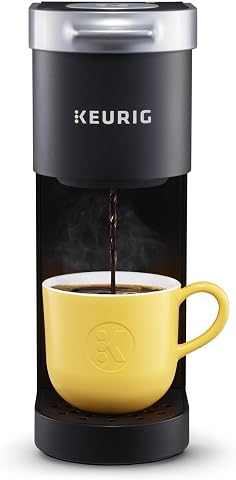
Keurig K-Mini Single Serve K-Cup Pod Coffee Maker
- ✔ Width: Less than 5 inches
- ✔ Brew Size: 6-12oz
- ✔ Color: Black
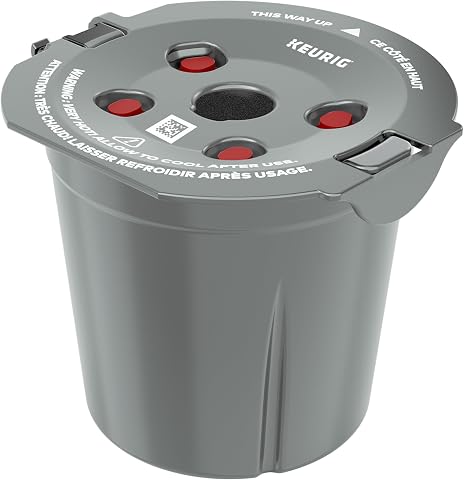
My K-Cup® Reusable Coffee Filter
- ✔ Material: BPA-free plastic
- ✔ Compatibility: All Keurig models
- ✔ Dishwasher Safe: Yes
Keurig K-Mini Single Serve K-Cup Pod Coffee Maker
The Keurig K-Mini is a convenient, space-saving coffee maker that benefits greatly from regular cleaning and descaling. Proper maintenance can significantly improve taste and extend the life of your brewer.
Pros:
- Compact and space-efficient
- Easy to clean and descale
- Brews quickly
- Compatible with reusable filters
Cons:
- Limited water reservoir capacity
- Requires frequent cleaning for optimal taste
- Not suitable for large servings
Best for: Small spaces and quick, fresh coffee
Not ideal for: Heavy-use environments needing larger capacity
Bottom line: A reliable, space-saving coffee maker that needs regular cleaning for best flavor.
My K-Cup® Reusable Coffee Filter
The My K-Cup® Reusable Coffee Filter allows you to brew your favorite ground coffee, reducing reliance on pods and minimizing residue buildup that can affect taste.
Pros:
- Reusable and eco-friendly
- Cost-effective
- Allows custom coffee blends
- Easy to clean
Cons:
- Requires ground coffee
- May need frequent cleaning
- Less convenient than pods
Best for: Coffee lovers wanting control over flavor
Not ideal for: People preferring quick, pod-based brewing
Bottom line: A practical reusable filter that enhances flavor and reduces waste.
Frequently Asked Questions
Why does my Keurig taste bad even after cleaning?
Mineral buildup or residue from previous brews can affect flavor. Regular descaling and cleaning the needle area can help improve taste.
How often should I descale my Keurig?
Descale your Keurig every 3-6 months, depending on water hardness and usage frequency.
Can I use vinegar instead of descaling solution?
Yes, a mixture of equal parts white vinegar and water can be used, but ensure you rinse thoroughly afterward to remove any vinegar taste.
What should I do if cleaning doesn’t improve the taste?
Try replacing the water filter cartridge, repeat descaling, and ensure you’re using fresh, filtered water for brewing.
Keep Your Keurig Brewing Fresh and Tasty
By following these simple cleaning and maintenance steps, you can restore your Keurig K-Mini’s flavor and ensure each cup tastes as good as the first. Regular upkeep not only improves taste but also prolongs the life of your brewer, making your morning coffee consistently enjoyable.
Affiliate disclosure: As an Amazon Associate we earn from qualifying purchases. Prices and availability are accurate as of the time of publishing.
Fall Picks
fall essentials
As an affiliate, we earn on qualifying purchases.