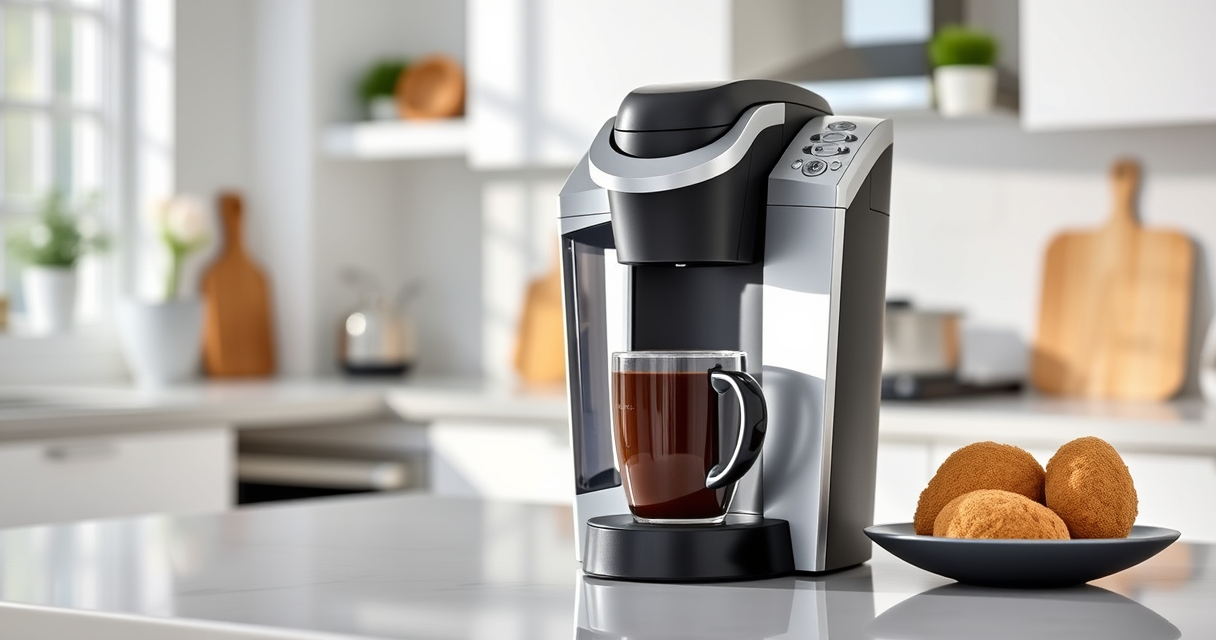

Keeping your Keurig K-Elite clean ensures it brews flavorful coffee and lasts longer. Regular maintenance involves descaling, cleaning the brew head, and replacing filters. Follow these simple steps for a spotless coffee maker that performs at its best.

Get kitchen gear delivered free with Prime
- Fast, free delivery on millions of items
- Prime Video, Amazon Music and more included
- Member-only deals all year
Using the right cleaning products and routines can prevent mineral buildup, flavor carry-over, and mechanical issues. This guide provides a clear, step-by-step process to maintain your Keurig K-Elite safely and effectively.
Gather Necessary Supplies
- Fresh water
- Descaling solution (recommended: Keurig Descaling Solution)
- Clean, soft cloth
- Cleaning brush or toothbrush
- My K-Cup® Reusable Coffee Filter (optional but helpful)
Prepare for Cleaning
- Turn off and unplug your Keurig K-Elite.
- Remove the water reservoir and empty any remaining water.
- Disassemble removable parts such as the drip tray and brew head cover.
Descale Your Keurig K-Elite
- Fill the water reservoir with a descaling solution mixed with water as per product instructions, or just plain white vinegar if preferred.
- Place a large mug on the drip tray.
- Run a brew cycle without inserting a pod, allowing the solution to flow through.
- Repeat the brew cycle until the reservoir is empty.
- Let the machine sit for 30 minutes to loosen mineral deposits.
Rinse and Clean Components
- Empty the remaining descaling solution and rinse the water reservoir thoroughly.
- Fill the reservoir with fresh water.
- Run several brew cycles to flush out any residual descaling solution or vinegar.
- Clean the brew head, drip tray, and other removable parts with a soft cloth and brush.
Reassemble and Final Checks
Reattach all parts, refill the water reservoir, and run a test brew with a pod to ensure everything functions smoothly. Regular cleaning every 3-6 months maintains optimal performance.
Products That Help
My K-Cup® Reusable Coffee Filter
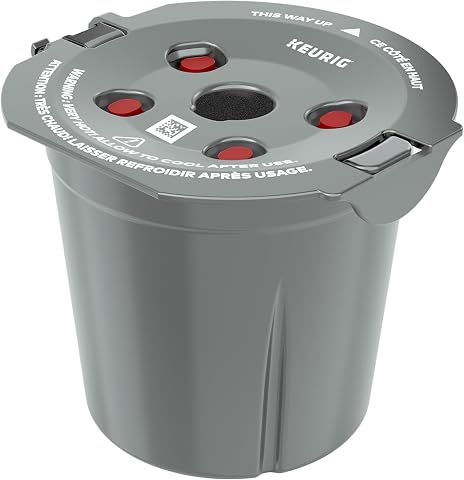
The My K-Cup® Reusable Coffee Filter allows you to brew your favorite ground coffee while cleaning the machine. It’s compatible with Keurig® K-Brew+Chill™ and is designed to extract full flavor, making it a versatile addition to your maintenance routine.
Pros:
- Reusable and eco-friendly
- Brews with ground coffee
- Easy to use and clean
- Compatible with multiple Keurig models
Cons:
- Requires regular cleaning of the filter
- Not suitable for K-Crema system
Best for: Brewing ground coffee and reducing waste
Not ideal for: If you only use K-Cup pods, not necessary
Bottom line: A versatile reusable filter that enhances your Keurig experience.
Frequently Asked Questions
How often should I descale my Keurig K-Elite?
It’s recommended to descale every 3-6 months, or more often if you notice slower brewing or mineral deposits.
Can I use vinegar instead of descaling solution?
Yes, white vinegar can be used as a natural descaler, but be sure to run multiple water cycles afterward to remove any residual vinegar.
Is it safe to run a cleaning cycle without a pod?
Yes, running a brew cycle without a pod is a common step during descaling and cleaning to flush out the machine.
How do I clean the brew head?
Use a soft cloth and a small brush to gently clean around the brew head to remove any coffee grounds or oils.
Affiliate disclosure: As an Amazon Associate we earn from qualifying purchases. Prices and availability are accurate as of the time of publishing.
Halloween Picks
halloween
As an affiliate, we earn on qualifying purchases.