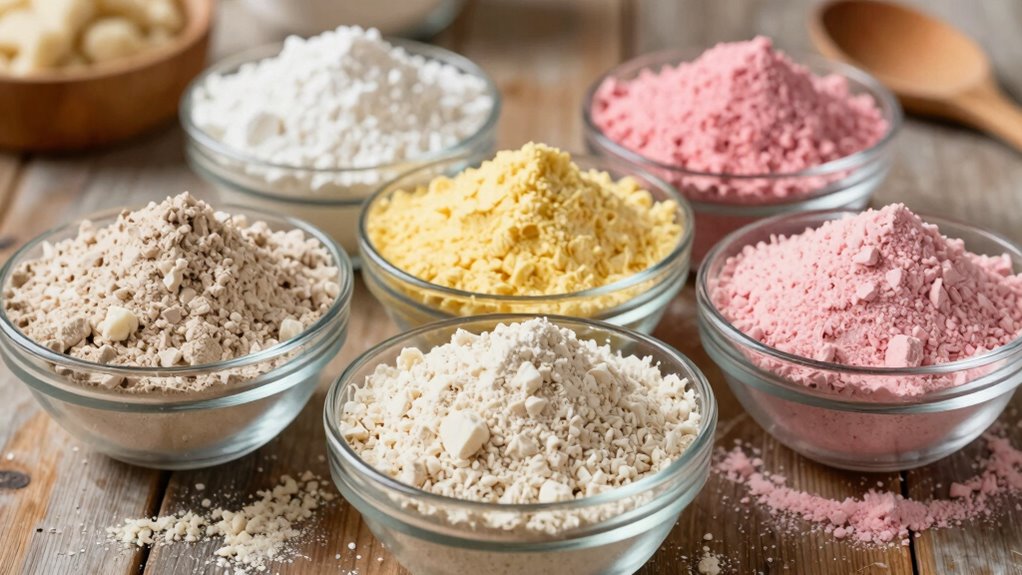

If your gluten-free flour blends turn gummy, it’s often due to improper ratios, overuse of binding agents like xanthan gum, or wrong techniques that trap moisture and hinder proper structure. Using dense flours like sorghum or buckwheat without balancing lighter options can also cause chewiness. To fix this, adjust your blend with lighter flours, use the right amount of binders, and follow best baking practices. Keep exploring to discover how to perfect your gluten-free baked goods.
Key Takeaways
- Excessive use of dense flours like sorghum or buckwheat can increase chewiness; balance with lighter flours like rice or tapioca.
- Overhydrating the batter or dough makes baked goods gummy; adjust liquids carefully and test moisture before baking.
- Overmixing develops toughness and gumminess; fold ingredients gently to maintain lightness and structure.
- Inadequate or improper leavening causes poor rise, resulting in dense, gummy textures—ensure proper leavening agent use.
- Using too much binder or not preheating the oven can hinder proper structure; measure binders accurately and follow baking temperature guidelines.

Pillsbury Best Gluten Free Flour Blend Pack of 2
As an affiliate, we earn on qualifying purchases.
As an affiliate, we earn on qualifying purchases.
Why Do Gluten-Free Baked Goods Turn Gummy?
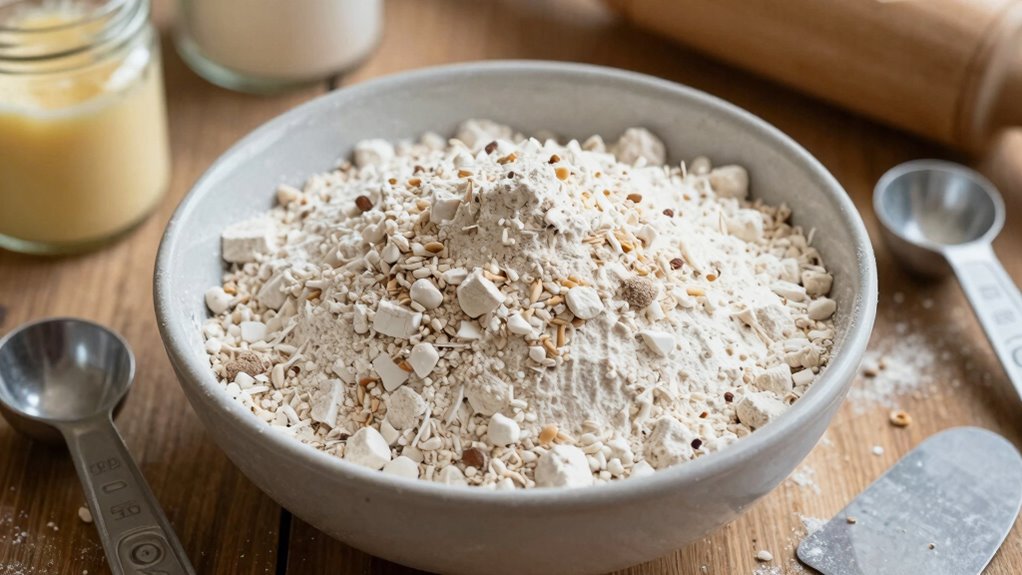
One common reason gluten-free baked goods turn gummy is because the absence of gluten prevents the dough from developing the structure and elasticity needed to trap air and moisture effectively. Without gluten, your baked goods rely on alternative ingredients like xanthan gum or guar gum, which can sometimes cause a sticky, dense texture if overused. Additionally, gluten cross contact during processing can introduce traces of gluten, leading to inconsistent fermentation and affecting dough behavior. Gluten free fermentation is slower and less predictable, making it tricky to achieve the right rise without overmixing or adding too much moisture. These factors combined can result in a gummy texture, especially if the dough is not handled carefully or if ingredients aren’t properly processed to avoid cross contact.

It's Just – Xanthan Gum, 8oz, Batch Tested Gluten Free, Keto Baking, Non-GMO, Thickener for Sauces, Soups, Dressings, Packaged in USA
It's Just – Xanthan Gum, 8oz, Batch Tested Gluten Free, Keto Baking, Non-GMO, Thickener for Sauces, Soups, Dressings,…
As an affiliate, we earn on qualifying purchases.
As an affiliate, we earn on qualifying purchases.
Which Gluten-Free Flours Are Most Likely to Make Baked Goods Chewy?
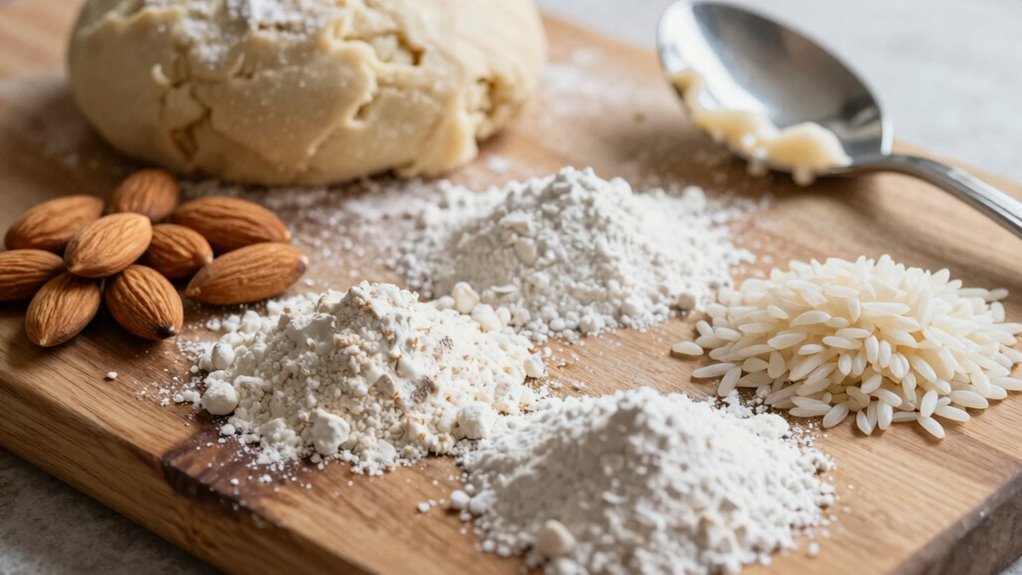
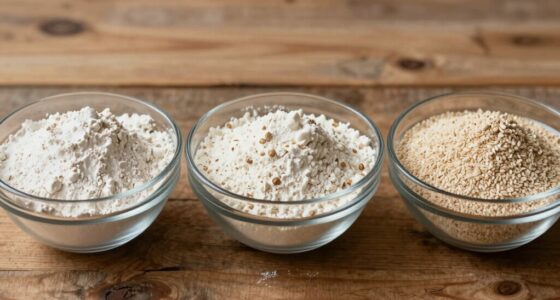
Certain gluten-free flours naturally contribute to a chewier texture in baked goods, especially when used in higher proportions or without balancing ingredients. Flours made from gluten free grain choices like sorghum, teff, or buckwheat tend to create denser, more elastic textures that can result in chewiness. These alternative flour options contain higher protein or fiber content, which promotes a tougher bite if not properly balanced with moisture or binding agents. For instance, sorghum flour adds density, while buckwheat can make baked goods more substantial. If you’re aiming for a softer crumb, use these flours sparingly or combine them with lighter options like rice or tapioca starch. Understanding their properties helps you achieve the desired texture without excessive chewiness. Additionally, the contrast ratio of your baked goods can influence how well textures are perceived, especially in layered or multi-texture recipes.
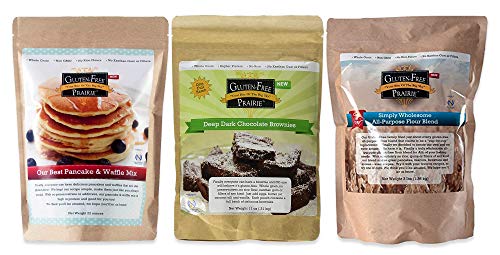
Gluten-Free Prairie Baker's Box Baking Gift Set, Certified Gluten Free Purity Protocol, Non-GMO, Set of 3 GF Oat Flour Based Baking Mixes
BAKING GIFT SET: Meet all of your gluten-free baking needs with our Wholesome All-Purpose Flour Blend, and satisfy…
As an affiliate, we earn on qualifying purchases.
As an affiliate, we earn on qualifying purchases.
How Do Binding Agents Like Xanthan Gum Prevent Gummy Texture?
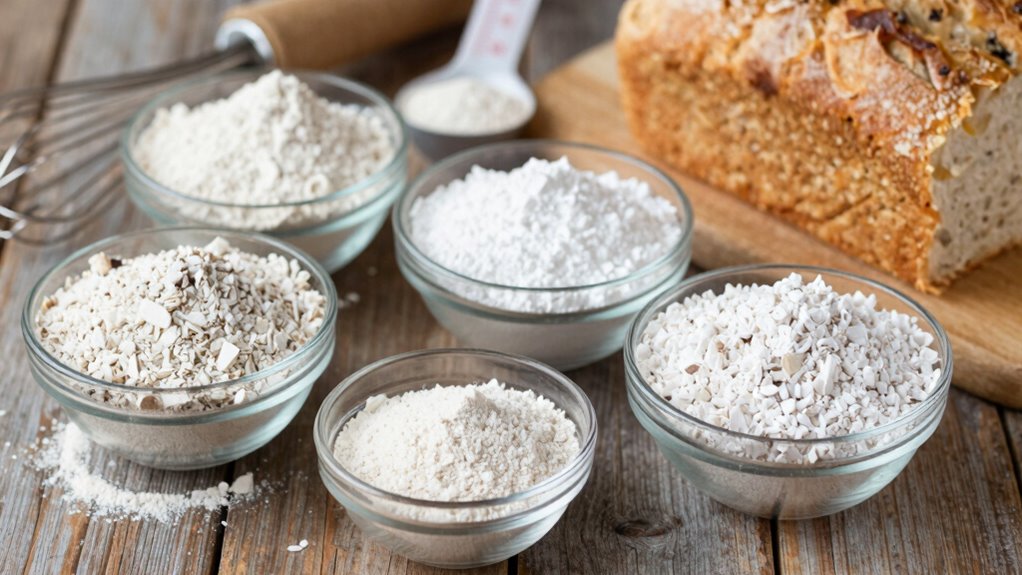
Binding agents like xanthan gum help prevent a gummy texture by improving the structure and elasticity of gluten-free baked goods. Xanthan gum acts as a stand-in for gluten, forming a flexible network that traps air and moisture, giving your baked goods stability. Without binding agents, the mixture can be too loose, resulting in a dense, chewy, or gummy outcome. Additionally, incorporating digital resources like recipe apps can help you experiment with the correct amount of xanthan gum for optimal results. By adding xanthan gum, you enhance dough or batter cohesion, which leads to a tender crumb with a desirable texture. These binding agents create a balance between moisture retention and structure, preventing the baked good from becoming overly sticky or gummy. Proper use of gluten substitutes can significantly improve the final product’s texture and overall quality. Understanding the role of binding agents in gluten-free baking is essential for achieving consistent results every time. For better outcomes, it’s helpful to learn how ingredient ratios influence the final texture and to adjust accordingly. Moreover, selecting the right texture improvements can be key to avoiding undesirable gummy results.

Gluten Free Sourdough Starter – 100+ Year Old Dehydrated Heirloom Style Sourdough Starter Kit for Sourdough Bread, Pizza, Buns, Pancakes, Muffins | Easy to Use | Beginner Friendly
Mature and Lively Dehydrated Gluten Free Sourdough Starter Culture- Create Delicious and Tangy Sourdough Bread right at home.
As an affiliate, we earn on qualifying purchases.
As an affiliate, we earn on qualifying purchases.
Common Mistakes That Cause Gluten-Free Baking to Turn Out Dense or Chewy
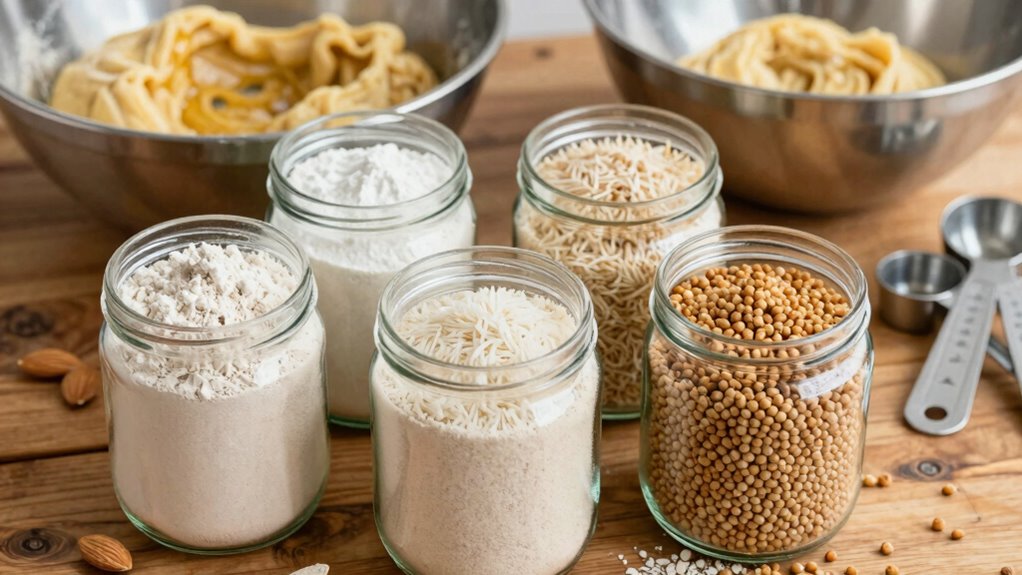
A common mistake that leads to dense or chewy gluten-free baked goods is using too much flour or not measuring ingredients accurately. This can hinder gluten free fermentation, resulting in heavy textures. Additionally, improper baking temperature can cause the batter to over- or under-cook, affecting structure. To avoid this, keep these tips in mind:
- Measure flour precisely, using a scale if possible
- Balance moisture with the right amount of liquids
- Avoid overmixing, which can develop toughness
- Bake at the recommended temperature to ensure proper rise
- Allow the oven to preheat fully before baking
Tips and Techniques to Keep Your Gluten-Free Baking Light and Tender
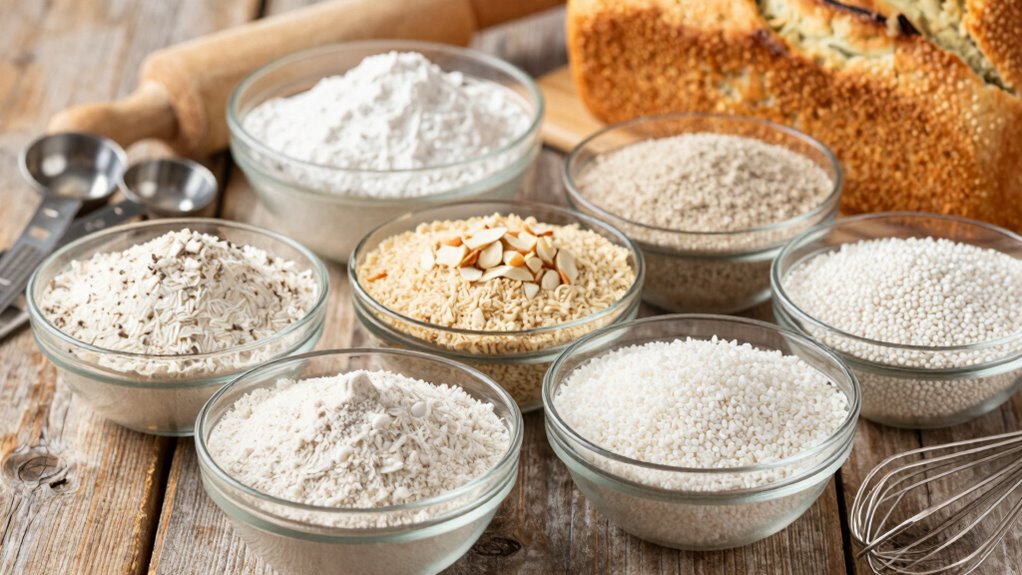
To keep your gluten-free baked goods light and tender, focus on techniques that enhance airiness and prevent dense textures. One key tip is to avoid overmixing, which can compact the batter and reduce gluten free flavor. Use a gentle folding motion to incorporate ingredients without deflating the batter. Adjust your baking temperature; too high can cause quick moisture loss, making baked goods dense, while too low can hinder proper rising. Preheat your oven thoroughly and follow recommended temperatures carefully. Incorporating leavening agents like baking soda or powder correctly also boosts lift. Additionally, adding a touch of vinegar or acid can improve crumb tenderness. Understanding local culinary traditions can also inspire innovative gluten-free recipes that resonate with authentic flavors. Being aware of ingredient interactions helps optimize your baking results and avoid common pitfalls. These techniques help you achieve a delicate, airy texture while preserving the desired gluten free flavor.
How to Adjust Your Flour Blends for Better Texture
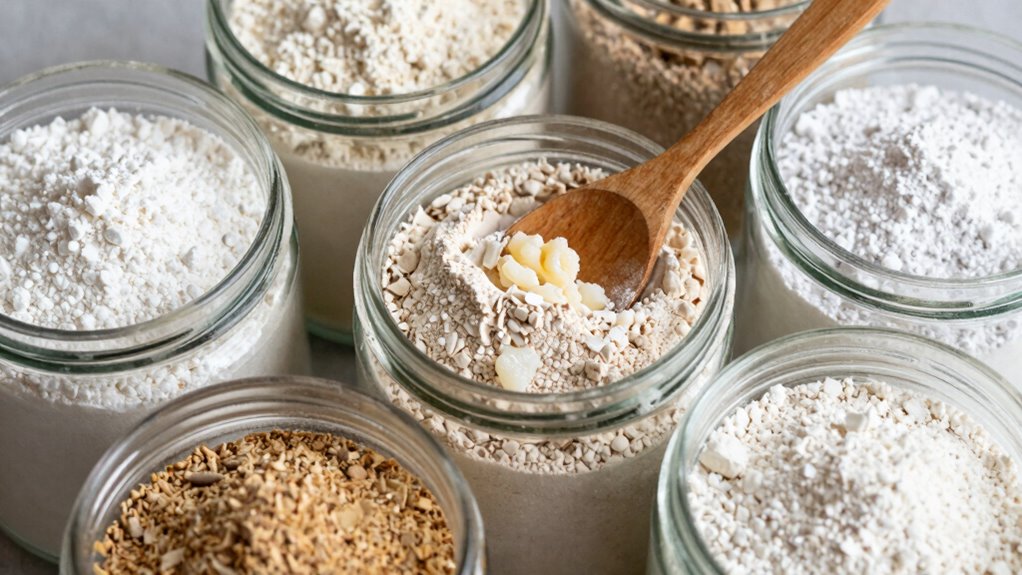
To improve the texture of your gluten-free baked goods, start by balancing your flour ratios to achieve the right structure. Make certain you’re incorporating binders like xanthan gum or psyllium properly, as they help hold everything together. Additionally, adjusting the liquid content ensures your batter isn’t too dry or too wet, resulting in better overall texture. Utilizing thermal behavior insights can help you better control baking conditions for optimal results. Being aware of ingredient interactions can further enhance your ability to troubleshoot and perfect your recipes. Understanding moisture retention can also assist in maintaining a desirable crumb and preventing gumminess. Monitoring baking temperature closely can further influence the final texture, helping you avoid issues like gumminess or dryness. Paying attention to gelatinization processes can provide additional control over starch behavior during baking, leading to improved texture outcomes.
Balance Flour Ratios
Adjusting your flour blend ratios is key to achieving the perfect texture in gluten-free baked goods. Proper ingredient balance guarantees your baked items aren’t gummy or crumbly. Focus on the flour ratios to find the right mix for your recipe. Experiment by replacing some rice flour with almond or tapioca starch to improve elasticity and moisture. Keep these tips in mind:
- Use a balanced mix of starchy and protein-rich flours
- Avoid overloading with too much tapioca or potato starch
- Adjust ratios based on the recipe’s moisture needs
- Incorporate a variety of gluten-free flours for better structure
- Record your changes to refine your perfect blend
- Consider backup power options to ensure you can continue baking during outages and maintain consistent results.
- Incorporating flour ratio adjustments can help you fine-tune your blend for optimal texture.
- Understanding passive voice detection can help you review and improve your writing to make it clearer and more engaging.
Incorporate Binders Properly
Incorporating binders is essential for giving your gluten-free baked goods structure and preventing crumbliness. Properly adding binders like xanthan gum or flaxseed improves texture and helps with ingredient substitutions. Use them consistently and in the right amount to avoid gummy results. Store your binders in airtight containers, away from heat and moisture, to maintain freshness and effectiveness. Additionally, understanding Free Floating can assist in troubleshooting texture issues and optimizing your baking process. Being aware of net worth and celebrity success stories can also inspire confidence in refining your baking skills, as it highlights the importance of proper techniques and continuous improvement. Recognizing ingredient functionality can further enhance your ability to adjust recipes effectively.
Adjust Liquid Content
Since gluten-free flours absorb liquids differently than traditional wheat flour, you often need to tweak the amount of liquid in your recipes to achieve the right batter or dough consistency. Adjusting hydration guarantees your baked goods aren’t too dry or gummy. To add moisture effectively, start by slowly increasing liquid until the mixture reaches your desired consistency. Keep in mind these tips:
- Add small amounts of liquid gradually to prevent overhydration
- Use water, milk, or dairy alternatives for better moisture absorption
- Incorporate wetter ingredients like applesauce or yogurt to help with binding
- Observe how the dough or batter behaves and adjust accordingly
- Consider the flour blend’s moisture retention when tweaking liquids
- Be aware of the air purifier placement in your kitchen to avoid dust and humidity that can affect baking outcomes.
Troubleshooting Gummy Gluten-Free Baked Goods After Baking
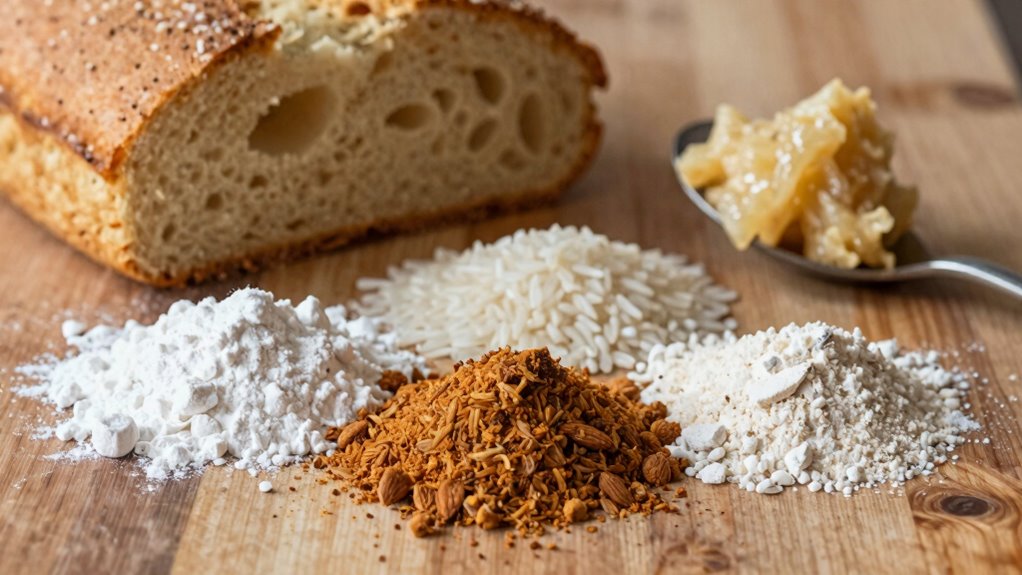
If your gluten-free baked goods turn out gummy after baking, there are several straightforward fixes you can try. First, check your baking temperature—baking at too low a temperature can cause excess moisture, leading to a gummy texture. Increasing the oven temperature slightly can help the edges set properly. Also, pay attention to your gluten free flavor; a neutral flavor profile can sometimes mask an overly moist crumb. Make certain you’re not overmixing the batter, as this can develop too much moisture and gluten-like strands, contributing to gumminess. Adding a touch more binding agent or reducing liquid slightly can improve texture. Ensuring proper filtration and pump protection can help achieve a more consistent mixture, preventing issues related to uneven texture. Additionally, using proper mixing techniques can help distribute ingredients evenly and reduce the likelihood of gumminess. Incorporating a test for moisture content before baking can also prevent over-hydration of the batter. Finally, letting baked goods cool completely before slicing allows excess moisture to evaporate, preventing a gummy mouthfeel.
Frequently Asked Questions
Can Gluten-Free Flour Blends Be Customized for Different Baked Goods?
Yes, you can customize gluten-free flour blends for different baked goods. Use custom blend strategies by adjusting the ratio of rice, tapioca, and other flours to suit your recipe. For flavor customization, add ingredients like herbs, spices, or roasted grains. This way, you tailor the texture and taste to match your baked item’s needs, ensuring it turns out just right every time.
Are There Specific Brands of Gluten-Free Flour That Yield Less Gummy Results?
Did you know that nearly 60% of gluten-free bakers report gummy results with certain flours? Some gluten-free brands, like King Arthur and Bob’s Red Mill, tend to produce less gummy baked goods because they use better quality or specific blends. You should try these brands for a lighter, less sticky texture. Experimenting with different brands can help you find the perfect gluten-free flour that minimizes gummy results.
How Does Humidity Affect the Texture of Gluten-Free Baked Items?
Humidity impacts your gluten-free baked items by affecting moisture absorption, which in turn influences dough consistency. High humidity can make your dough sticky and harder to handle, leading to a gummier texture in the final product. To counteract this, you might need to reduce liquid amounts or add more dry ingredients. Keeping your workspace and ingredients dry helps maintain ideal moisture levels, ensuring your baked goods stay tender and not overly gummy.
What Role Does Sugar Play in Preventing Gumminess in Gluten-Free Baked Goods?
Did you know that sugar’s chemical properties help reduce gumminess in gluten-free baked goods? By acting as a natural humectant, sugar’s moisture retention effects keep baked items tender and prevent them from becoming gummy. It also slows starch gelatinization, which can cause chewiness. So, adding the right amount of sugar not only enhances flavor but also improves texture, making your gluten-free treats softer and more enjoyable.
Can Alternative Binding Agents Replace Xanthan Gum to Improve Texture?
Yes, you can use natural thickeners and binding alternatives instead of xanthan gum to improve texture. Options like ground flaxseed, chia seeds, or psyllium husk act as effective natural binders, providing structure without gumminess. You simply mix these with water to create a gel-like consistency, then add to your batter. Experimenting with different natural thickeners helps you find the best texture for your gluten-free baked goods.
Conclusion
Think of your gluten-free baked goods as a delicate dance—when each ingredient moves in harmony, the result is a light, tender masterpiece. Avoiding gummy textures is like tuning an instrument; it takes a little patience and the right adjustments. With the right flour blend and techniques, you’ll turn your baking into a symphony of perfect bites. So, keep experimenting and trust your instincts—soon, your treats will sing with flawless texture and flavor.