
TL;DR

Get kitchen gear delivered free with Prime
- Fast, free delivery on millions of items
- Prime Video, Amazon Music and more included
- Member-only deals all year
A Good Housekeeping report outlines common early signs of mice, including droppings, gnaw marks, smudge trails and nests. It recommends removing food sources and sealing small openings, while noting that the scale of a problem can be difficult to judge from a single sign.
A Good Housekeeping report has outlined early signs of mice in a home and steps residents can take, including checking for droppings and gnaw marks, securing food and closing entry gaps. The guidance matters because mice can reproduce quickly, while gnawed electrical wires may create a fire and appliance hazard, according to pest-control specialists quoted in the report.
Among the signs to look for are small, dark droppings, chewed materials, greasy smudges along walls, tracks in dusty areas, and nests made from soft material. A hidden stash of seeds, nuts or other food may also point to mouse activity. Droppings are roughly a quarter-inch long, the report says, though other pests can leave evidence of a similar size. Their appearance alone may not identify the animal with certainty.
Dan DiClerico, director of the Good Housekeeping Institute’s Home Improvement & Outdoor Lab, says droppings are a useful indication of rodent activity and that finding more in one area may suggest a larger problem. Kathy Heinsohn, a technical and training entomologist at American Pest, says fresh droppings may look moist and dark, but dust and other conditions can change their appearance. The report also describes urine odor and an unexpected increase in flies, fleas or mites as possible clues; these signs do not by themselves confirm mice.
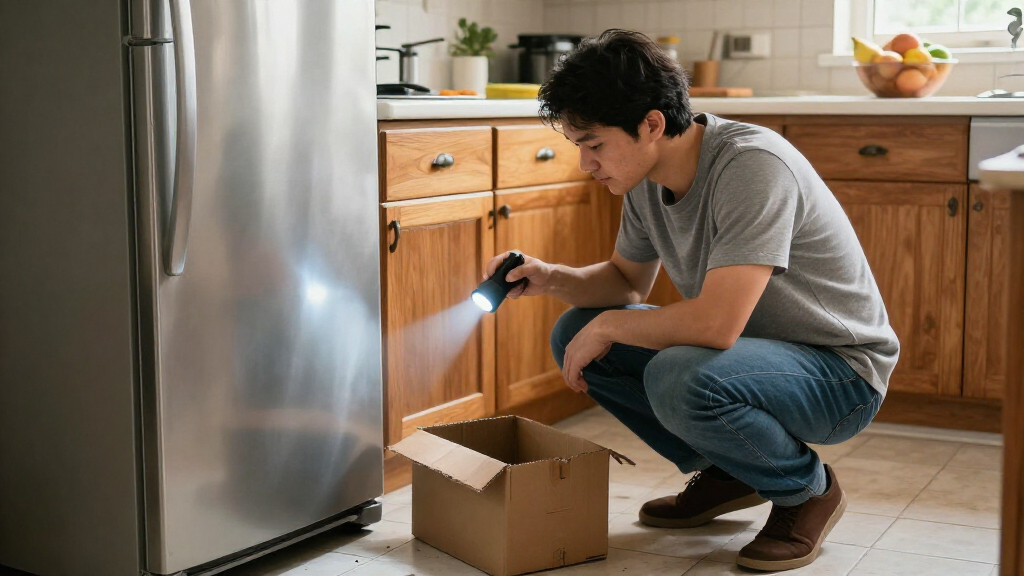
The report advises starting an inspection in the kitchen, especially behind or beneath large appliances and near uncovered garbage. Residents can then check warm, dark places such as attics, wall openings and areas around water heaters or dryers. To make a home less attractive, the specialists recommend cleaning crumbs and counters, storing food in tightly lidded hard containers, and checking for openings around pipes, doors and vents. Mice can squeeze through a gap about a quarter-inch wide, DiClerico says.
Risks Behind Mouse Evidence
Finding signs early can help residents address access to food and shelter before rodent activity spreads. The specialists’ reproductive estimates underline why delays may matter: Heinsohn says female house mice can begin breeding at about six weeks old, and litters commonly contain four to eight pups. Those figures describe potential reproduction, not a way to determine how many mice are in a particular home.
Some evidence also signals a more immediate household concern. Heinsohn warns that mice can chew wires, potentially disrupting appliances or contributing to a house fire. Droppings and nesting material can make a space unsanitary, while a strong odor or pest activity may warrant further investigation. The report does not establish that every household with one clue has an infestation; it presents the signs as reasons to inspect and respond.
Products Worth Considering

Vitamix Ascent X3 Professional-Grade Blender, 3 Programs, Shadow Black

Le Creuset Enamemed Cast Iron Oval Dutch Oven, 5 qt., White/Crucible

Le Creuset Signature Enameled Cast Iron Round Dutch Oven, 5.5 qt, Deep Teal
As an affiliate, we earn on qualifying purchases.
Why Mice Seek Indoor Shelter
The report frames the advice around colder weather, when rodents may seek warmth and shelter indoors. DiClerico describes this seasonal movement as a “fall invasion.” The material does not provide data on how often homes are affected or compare seasonal risk across regions, so the phrase should be understood as his description rather than a measured national trend.
Mice tend to travel along walls and baseboards, according to the report, and Heinsohn says they typically forage within 10 to 30 feet of a primary nesting site. That can help guide an inspection: evidence along a room’s edge may point toward nearby shelter, but it does not locate a nest with certainty. The report also notes that branches and shrubs can provide routes toward a building, making outdoor conditions relevant to prevention.
“Colder weather forces more rodents inside to seek out warmth and shelter.”
— Dan DiClerico, director of the Good Housekeeping Institute’s Home Improvement & Outdoor Lab
Clues Do Not Confirm an Infestation
The report offers signs that can prompt an inspection, but several clues can have other explanations. Droppings from insects may be similar in size, and dust can make newer mouse droppings look old. A daytime mouse sighting may merit attention, Heinsohn says, but it does not by itself prove that a home has an infestation. The report’s estimate that one visible mouse may mean others are nearby is attributed to DiClerico and should not be treated as a count for every home.
The source material does not specify a universal threshold for when residents should call a pest professional, nor does it give a confirmed method for estimating the number of mice from signs alone. The article’s final advice on whether to handle the problem yourself or hire a professional is incomplete in the supplied excerpt. The extent of activity, the presence of hazards such as damaged wiring, and whether entry points can be sealed safely will vary by property.
Inspect, Block, Then Reassess
Residents who find evidence can begin by securing food, cleaning crumbs and checking likely travel routes and nesting areas. The report recommends looking for gaps around plumbing and utility lines, door sweeps, vents and crawlspace doors; openings should be closed using an appropriate method. It also suggests checking whether light passes through gaps, although the right repair can depend on the location and building materials.
Keep vegetation from providing an easy route to the house, and monitor for new droppings or gnaw marks after making changes. If signs continue, the evidence is extensive, or wiring appears damaged, contacting a qualified pest-control professional is a prudent next step. The source does not provide a timeline for when activity should stop or a specific treatment plan, so follow-up depends on what residents find and the advice of a professional.
Key Questions
What are common early signs of mice?
Look for small droppings, gnaw marks, greasy smudges, tracks, nests and hidden food stashes. These are clues, not proof on their own, and some can be confused with signs from other pests.
Where should I look first?
The report recommends starting in the kitchen, including behind and under appliances and near trash. Then inspect warm, dark places such as attics, wall openings and areas around water heaters or dryers.
How small an opening can a mouse use?
DiClerico says mice can pass through a gap about ¼ inch wide, roughly the width of a pencil. Check openings around doors, pipes, utility lines and vents.
Should I call a pest-control professional?
The report does not set a fixed threshold. Consider professional help if signs persist or appear widespread, or if you find chewed wiring; damaged electrical components can pose a hazard.
Source: goodhousekeeping.com