
TL;DR

Get kitchen gear delivered free with Prime
- Fast, free delivery on millions of items
- Prime Video, Amazon Music and more included
- Member-only deals all year
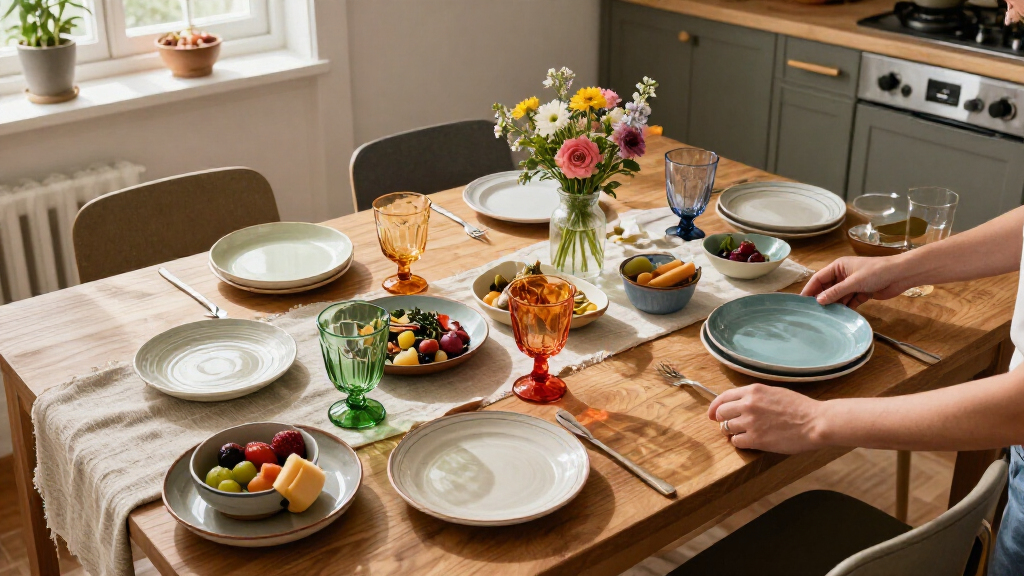
A Good Housekeeping report describes a growing interest among event planners and designers in “anti-algorithm” tablescapes: eclectic, personal arrangements that do not aim for a perfectly coordinated look. The suggested approach is to build around a mood, reuse items from home, add vintage or borrowed pieces and include details that invite conversation.
Event planners and designers are encouraging hosts to move away from perfectly coordinated tables and toward eclectic, personal arrangements, according to a Good Housekeeping report. The “anti-algorithm” approach uses items with individual character rather than chasing a polished look built for social media, and offers practical ways to set a table with things already at home.
The look is defined by mixing rather than matching: different china, inherited silverware, layered linens and an unexpected serving piece can sit together if they support a shared mood. The report quotes Amos Gott, chief event architect at AmosEvents, describing the appeal as a return to character. He says people are tired of tables that appear to have been assembled by a search engine.
Gott advises hosts to choose a mood, not a matching set. A blue-and-white porcelain plate, amber glassware and antique brass candlesticks, for example, may differ in style but can contribute to a warm, traveled feeling. The test is not whether each item coordinates, he says, but whether the pieces belong in the same story.
Event planner Emily Reno recommends shopping at home first, looking through dishes, glassware, candles and seasonal decorations before buying anything. Hosts can then fill gaps with thrifted finds or borrowed pieces. Reno says individual plates, unusual glasses and candleholders can be mixed into an existing collection, and borrowing from friends or family can help when there are not enough settings for a larger meal.
A More Personal Table, Less Shopping
The advice offers a lower-cost alternative to buying a coordinated collection for a single gathering: hosts can reuse what they own, borrow pieces or add a few secondhand finds. The report does not quantify savings, but the approach plainly places less emphasis on purchasing a complete new set.
It also reframes table setting as a way to express a host’s history and taste. In place of a uniform display, inherited objects and mismatched pieces can give guests something to notice or talk about. That is the central promise of the trend, though the claim that it makes hosting more fun is a design perspective, not a measured finding in the report.
Products Worth Considering

KitchenAid KSMPRA 3-Piece Pasta Roller and Cutter Set

Le Creuset Essential Stainless Steel 10-Piece Cookware Set

Cuisinart Chef's Classic 17-Piece Stainless Steel Cookware Set
As an affiliate, we earn on qualifying purchases.
From Coordinated Sets to Collected Pieces
The report situates the style against the highly composed tablescapes that circulate on social platforms. It argues that online inspiration can be useful but may also encourage hosts to imitate a particular polished look. The anti-algorithm label describes a response to that pressure, not a formal design standard.
Alongside Gott and Reno, the article cites Morgan Montgomery, an event planner and co-owner of Paisley & Jade. Her suggestion is to use an unexpected tabletop detail, such as a small lamp. Montgomery says a distinctive lamp can add both ambient light and a decorative accent; the article mentions fringe lamps as one example.
“People are exhausted by tables that look like they were assembled by a search engine.”
— Amos Gott, chief event architect at AmosEvents
How Broad Is the Design Shift?
The report describes the look as increasingly championed by event planners and designers, but it provides no survey, sales data or other measure showing how widely hosts are adopting it. The source also does not establish that the trend is new or that social-media algorithms are directly changing how people decorate. The “anti-algorithm” name is a framing for a design preference, not evidence of a measured industry shift.
Whether an eclectic table suits a particular gathering depends on the host’s taste, available pieces and practical needs. The article gives examples rather than a fixed formula, and it does not address issues such as table space, accessibility or the care required for vintage items.
Try the Mix at Your Next Dinner
The report does not announce a product launch, event or formal next step. Its practical suggestion is for hosts to begin with what they have: choose a mood, lay out available dishes and linens, then test combinations before deciding whether anything is missing. A borrowed or thrifted piece can fill a gap without requiring a full matching set.
Hosts can finish the arrangement with one unexpected object, such as a distinctive platter, a small vase or a tabletop lamp. The next test is the gathering itself: whether the mix feels comfortable, works for serving the meal and gives guests a natural point of conversation.
Key Questions
What is an anti-algorithm tablescape?
It is an eclectic table arrangement that favors personal, mixed pieces over a perfectly coordinated set. The term describes a design approach, not a formal standard.
How do I start making one?
Choose a mood first, then gather dishes, glassware, linens and decorations from around your home. Combine items that support the same feeling even if they do not match exactly.
Do I need to buy new tableware?
No. Event planner Emily Reno recommends checking what you already own and considering borrowed or thrifted pieces if you need more settings or an extra accent.
What unexpected details can I add?
The report suggests distinctive objects such as an inherited platter, an unusual vase or a tabletop lamp. Morgan Montgomery says a small lamp can add ambient light as well as a decorative accent.
Source: goodhousekeeping.com