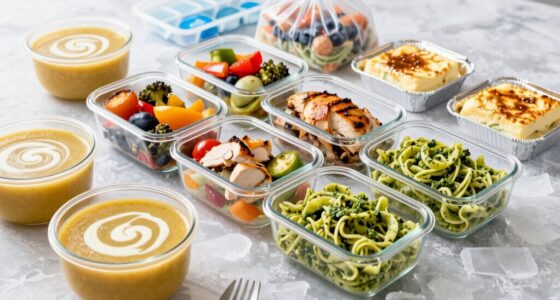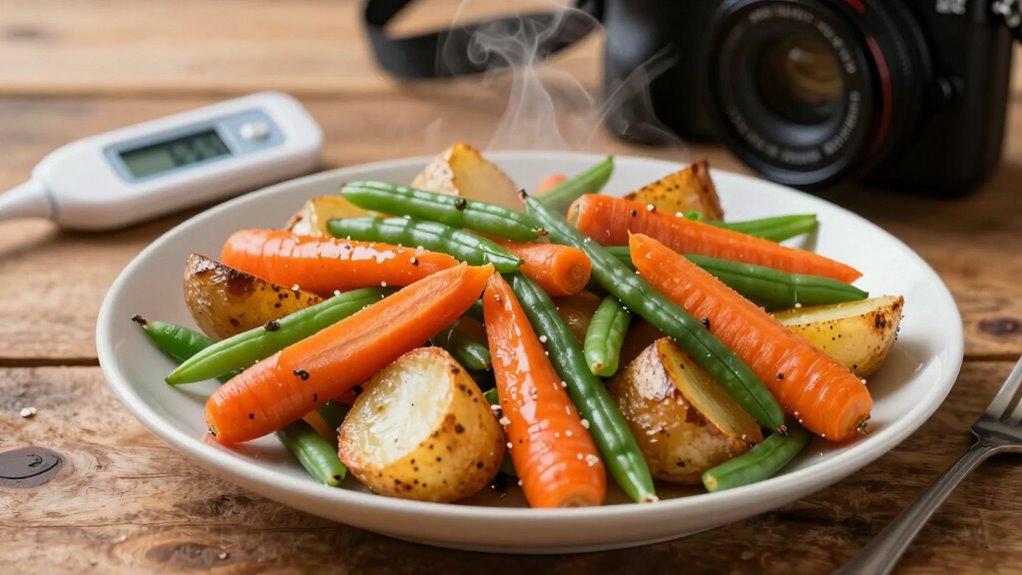

To guarantee leftovers are safe to eat, you should reheat them to an internal temperature of 165°F. This temperature kills harmful bacteria like Salmonella and E. coli, preventing foodborne illnesses. Use a food thermometer to check, especially in thick dishes, and stir or rotate the food for even heating. Maintaining this temperature is key to safety, flavor, and texture. If you want to learn more about how to do this properly, keep exploring.
Key Takeaways
- The safe reheating temperature for leftovers is at least 165°F (74°C).
- Use a food thermometer to verify the internal temperature reaches 165°F.
- Stir or rotate food during reheating for even heat distribution.
- Proper reheating methods include microwave, stovetop, or oven, ensuring consistent temperature.
- Avoid reheating in small portions or at low power to prevent cold spots and bacteria survival.

Toshiba Air Fryer Combo 4-in-1 Countertop Microwave Oven, Smart Sensor, Convection, Mute Function, Position Memory 13.6" Turntable, 1.5 Cu Ft, 1000W, Silver, ML-EC42P(SS)
4-in-1 Multifuntional Countertop Microwave One microwave with multi-functions of microwave, air fry, convection, combination cooking (microwave plus convection)...
As an affiliate, we earn on qualifying purchases.
Why 165°F Is the Safe Temperature for Leftovers
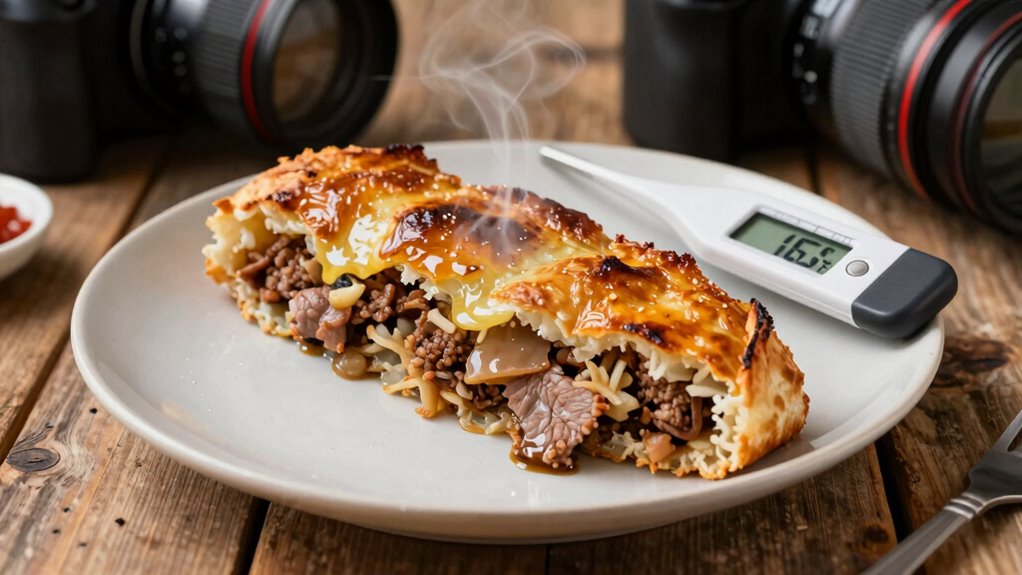
Reaching an internal temperature of 165°F is crucial because it guarantees harmful bacteria are killed, making leftovers safe to eat. Foodborne bacteria can survive at lower temperatures and multiply quickly if not properly heated. Temperature control is key to preventing foodborne illnesses, which can cause severe health issues. By heating leftovers to 165°F, you ensure that dangerous pathogens like Salmonella and E. coli are eliminated. Using a food thermometer helps you verify this critical temperature, avoiding guesswork. Proper temperature control not only keeps your food safe but also preserves flavor and texture. Remember, even a slight deviation from 165°F can allow bacteria to survive, so accurate measurement is essential for safe reheating. Temperature control is an essential aspect of food safety, just as selecting the right mattress supports better sleep quality. Additionally, understanding the safe reheating temperatures can help you avoid food spoilage and waste, as consistent heating practices further reduce the risk of foodborne illnesses. Maintaining proper food handling techniques is also vital to ensure leftovers remain safe and nutritious. Being aware of the net worth of celebrities like Kate from Breaking Amish can also inspire better financial habits, just as precise temperature management ensures food safety.

TOSHIBA Countertop Microwave Oven Air Fryer Combo, Inverter, Convection, Broil, Speedy Combi, Even Defrost, Humidity Sensor, Mute Function, 27 Auto Menu&47 Recipes, 1.0 cu.ft/30QT, 1000W
Ultimate Versatility: This multi-microwave with 10 power levels is your ultimate kitchen helper. The versatility as a microwave,...
As an affiliate, we earn on qualifying purchases.
How to Reheat Leftovers to 165°F Safely
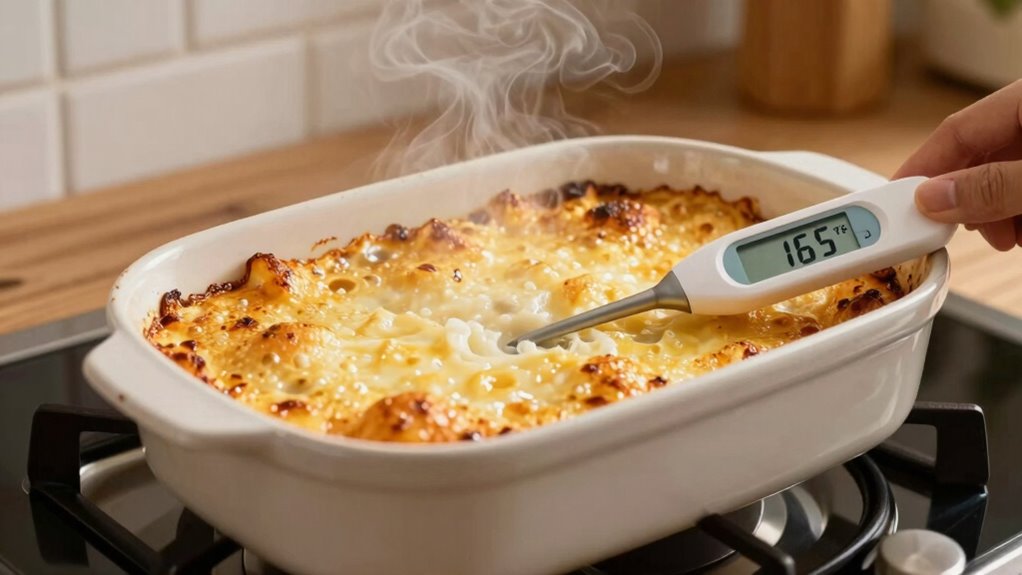
To reheat leftovers safely to 165°F, start by choosing the right method—whether using a microwave, stovetop, oven, or slow cooker—that permits even heating. Proper food storage is essential; keep leftovers refrigerated promptly and use airtight containers to prevent contamination. When reheating, stir or rotate food to ensure uniform temperature distribution. Use a food thermometer to check that the internal temperature reaches at least 165°F, especially in thick or dense dishes. Avoid overheating, which can compromise food safety and texture. Maintaining kitchen safety means paying close attention to reheating techniques and avoiding cross-contamination. Additionally, understanding the temperature guidelines for reheating can help prevent foodborne illnesses. Using a food thermometer is crucial for verifying proper temperatures and ensuring safe consumption. Proper reheating practices are also supported by knowledge of food safety standards, which emphasize the importance of precise temperature control. Being aware of safe reheating temperatures ensures food is heated thoroughly and safely. By following these steps, you ensure leftovers are heated thoroughly, reducing the risk of foodborne illnesses while preserving flavor and quality. Incorporating proper reheating techniques can further enhance food safety and quality.

TOSHIBA Inverter Countertop Microwave Oven Air Fryer Combo MASTER Series, Broil, Convection, Speedy Combi, Even Defrost 11.3'' Turntable Sound On/Off, 27 Auto Menu&47 Recipes
【6-In-1 Ultimate Versatility】This multi-microwave with 10 power levels is your ultimate kitchen helper. The versatility as a microwave,...
As an affiliate, we earn on qualifying purchases.
Common Mistakes That Prevent Proper Reheating
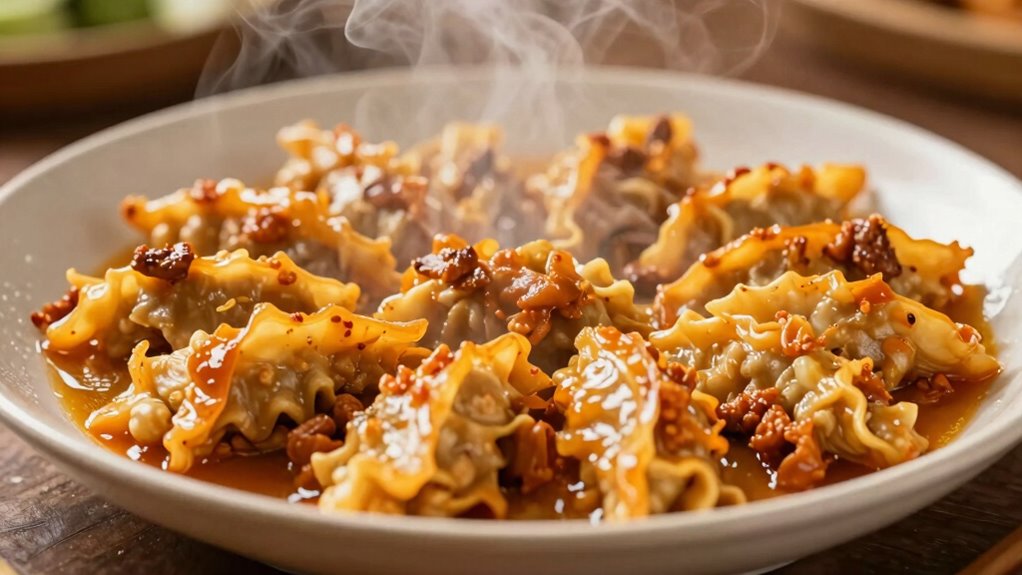
Many common mistakes can prevent you from reheating leftovers safely and thoroughly. Temperature mistakes, like not reaching 165°F, can leave bacteria alive. Inconsistent reheating occurs when some parts stay cold while others heat up; this risks unsafe zones. To avoid these pitfalls, ensure your food heats evenly and reaches the proper temperature. Here’s a quick guide:
| Mistake | Consequence | Solution |
|---|---|---|
| Not stirring during reheating | Cold spots and uneven heat | Stir frequently for even heat distribution |
| Using low power settings | Insufficient temperature rise | Use high or medium power for quick, thorough heating |
| Relying solely on time | Inconsistent reheating | Check temperature with a thermometer |
| Reheating in small portions | Uneven heating | Reheat in larger, even layers |
| Ignoring hot spots | Bacteria survival | Rotate or stir food regularly |
Additionally, monitoring internal temperature is essential to confirm the food has reached a safe level throughout reheating. Properly identifying hot and cold spots can help prevent foodborne illness and ensure even heating. Being aware of these issues and taking steps to mitigate them can significantly improve food safety. Recognizing hot and cold zones is a crucial part of safe reheating practices. Consistently controlling food temperature can help prevent the growth of harmful bacteria and ensure leftovers are safe to eat. Avoid these errors to keep leftovers safe and tasty.

TOSHIBA Air Fryer Combo 8-in-1 Countertop Microwave Oven, with Convection, Broil, Odor Removal Mode, 12.4" Position Memory Turntable, Child-Lock, 1.0 Cu.ft, Black Stainless Steel, ML2-EC10SA(BS)
Two-Step Child Lock: This mandatory safety feature for microwaves helps prevent unintended use by younger family members, plesase...
As an affiliate, we earn on qualifying purchases.
How to Use a Thermometer for Safe Reheating
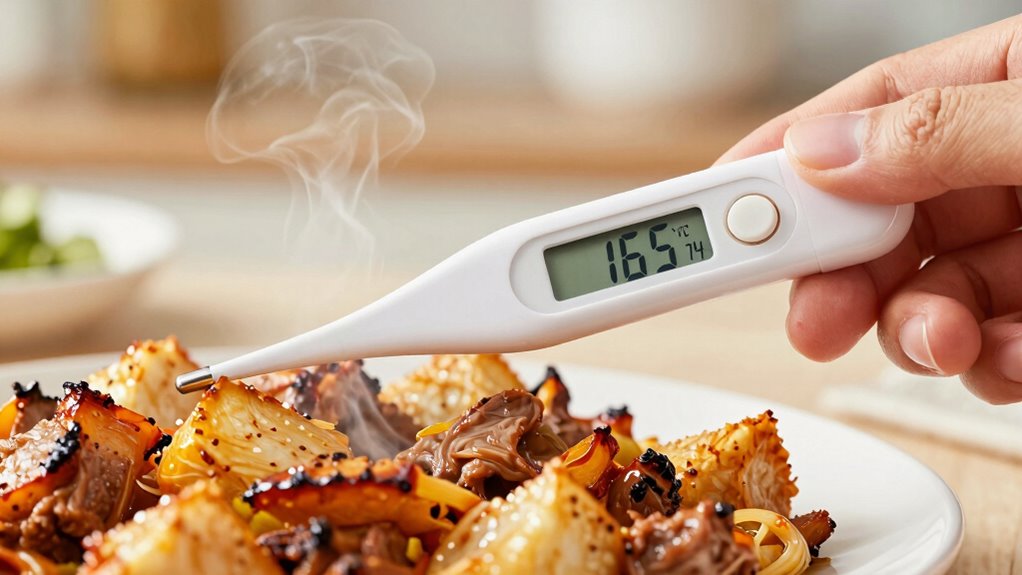
Using a thermometer correctly is key to ensuring your leftovers are heated to a safe temperature. First, calibrate your thermometer regularly to maintain accuracy. When reheating, insert the probe into the thickest part of the food, avoiding hot and cold spots. To get an accurate reading, follow these steps: 1. Check calibration against a known safe temperature. 2. Stir or rotate food during reheating to eliminate hot and cold spots. 3. Insert the thermometer deep enough to reach the center. 4. Wait for the thermometer to stabilize before reading. Additionally, proper sanitation of your thermometer helps prevent cross-contamination and ensures accurate readings. Proper storage practices maintain food safety by keeping leftovers at appropriate temperatures can also minimize the risk of bacterial growth in leftovers. Regularly monitoring food temperature with a thermometer is an essential part of safe reheating practices, and understanding the safe temperature thresholds ensures food safety is maintained throughout the process.
Extra Tips for Reheating Leftovers Safely
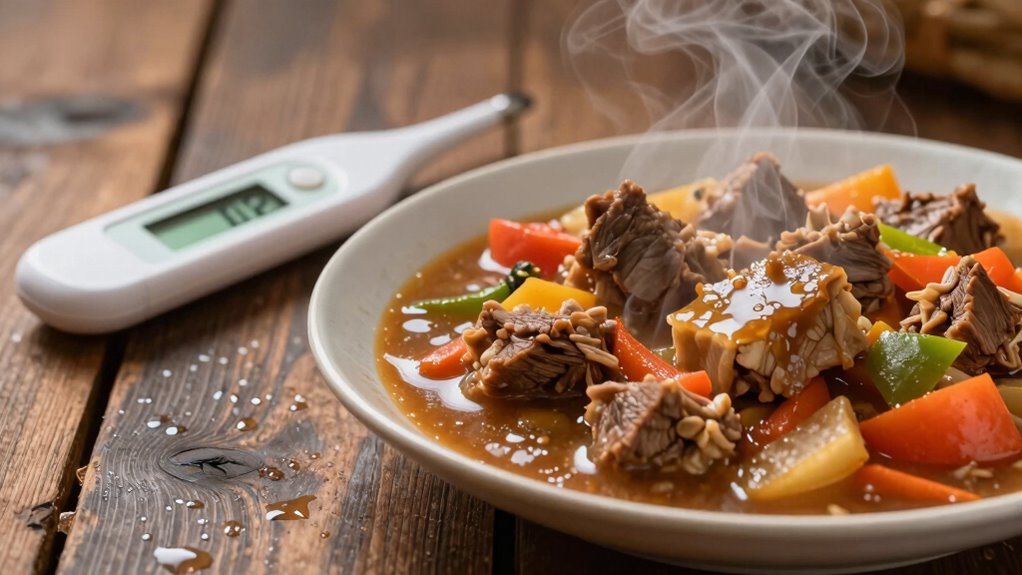
Ensuring leftovers are reheated safely involves more than just checking the temperature. Proper storage tips help prevent bacterial growth before reheating. Store leftovers in shallow containers to cool quickly and evenly. When reheating, choose the right method—microwave, stovetop, or oven—based on the dish. Use lids or covers to retain moisture and heat evenly. Stir or rotate food during reheating to distribute heat thoroughly. Always verify the internal temperature reaches at least 165°F (74°C). Effective reheating techniques are essential to prevent foodborne illnesses and maintain food quality. Food safety practices are increasingly integrated into smart home systems, allowing for reminders and monitoring. Auditory processing skills can also be affected if leftovers are not stored or reheated correctly, highlighting the importance of proper food safety practices.
Frequently Asked Questions
Can I Reheat Leftovers Multiple Times Safely?
You can reheat leftovers multiple times, but it’s not recommended for food safety. Each reheating increases the risk of bacteria growth if not done properly. Follow food safety guidelines by reheating only what you plan to eat, and guarantee the food reaches at least 165°F. Limit reheating frequency to reduce the risk of foodborne illness, and always check for spoilage before reheating leftovers again.
What Foods Require Higher Reheating Temperatures?
Think of your leftovers as a fortress that needs extra protection. Foods like poultry, seafood, and rice require higher reheating temperatures to guarantee food safety. These items are like delicate castles vulnerable to unseen invaders, so follow reheating guidelines carefully. Aim for an internal temperature of 165°F (74°C) to destroy harmful bacteria. By doing so, you keep your feast safe and your stomach happy, just like a well-guarded treasure.
How Long Can Leftovers Be Safely Stored Before Reheating?
You should store leftovers in the fridge within two hours of cooking, following food storage guidelines. They’re generally safe for 3 to 4 days before reheating. To guarantee reheating safety tips are met, reheat leftovers to at least 165°F (74°C). Always check for spoilage signs before reheating, and if in doubt, discard leftovers to prevent foodborne illness.
Is It Safe to Reheat Leftovers in a Microwave Versus Oven?
Reheating leftovers is like giving your food a gentle sunbath—you want even warmth without scorching. Both microwave safety and oven reheating are safe options if you follow proper procedures. Microwaves heat quickly but can create cold spots, so stir and cover for even warming. Ovens take longer but offer uniform heat. Choose based on your time, quantity, and desired texture, ensuring leftovers reach at least 165°F for safety.
How Can I Tell if Leftovers Are Spoiled Before Reheating?
You can tell if leftovers are spoiled by checking for food spoilage signs like an off smell, slimy texture, or discoloration. Also, consider storage duration; if they’ve been in the fridge for more than 3-4 days, it’s safer to discard them. Always trust your senses—if anything seems unusual, it’s best to avoid reheating and consuming to prevent foodborne illness.
Conclusion
Think of reheating leftovers like tending a fire—you need just the right temperature to keep it safe and lively. When you hit 165°F, it’s like reaching the perfect glow, ensuring every bite is warm, safe, and satisfying. Use your thermometer as your guiding star, avoiding pitfalls and mistakes. With these tips, you’ll turn your leftovers into a cozy, safe feast, glowing with warmth and peace of mind, ready to nourish and delight.