Handling high-hydration dough can seem overwhelming at first, but with patience and gentle techniques, you’ll master it. Focus on using stretch-and-fold methods instead of kneading to develop gluten without tearing the dough. Keep your environment cool during fermentation to manage stickiness, and use proper temperature control to guide fermentation and baking. With practice, you’ll transform this intimidating dough into beautiful loaves. Stick around to discover ways to make the process easier and more successful.

Get kitchen gear delivered free with Prime
- Fast, free delivery on millions of items
- Prime Video, Amazon Music and more included
- Member-only deals all year
Key Takeaways
- Use stretch-and-fold techniques instead of kneading to develop gluten gently in sticky, high-hydration doughs.
- Keep the dough cool during fermentation to reduce stickiness and make handling easier.
- Handle the dough gently and patiently to prevent tearing and maintain gluten integrity.
- Practice proper temperature control during fermentation and baking for consistent results.
- Gain confidence through experience, understanding dough behavior, and mastering patience in the process.
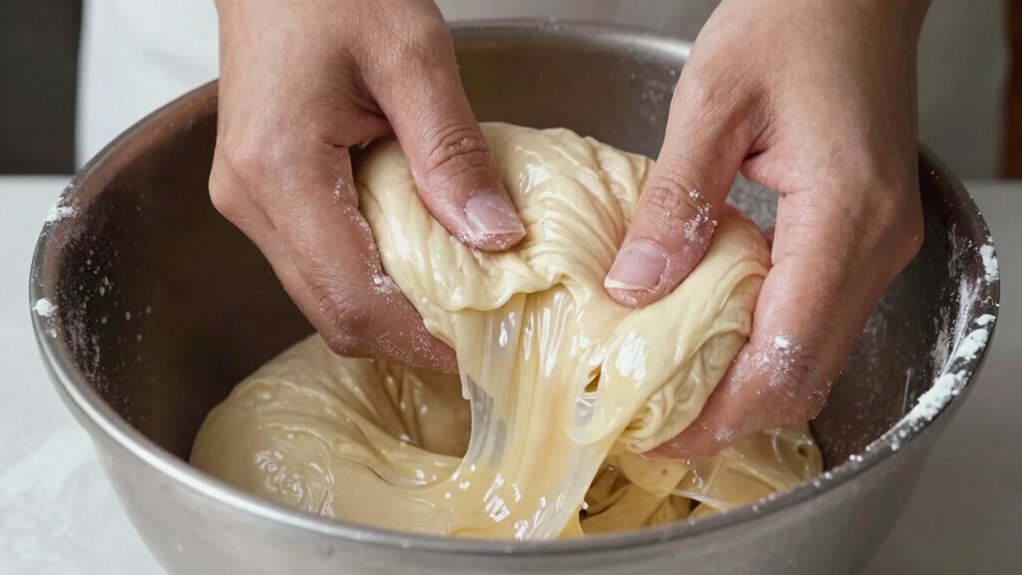
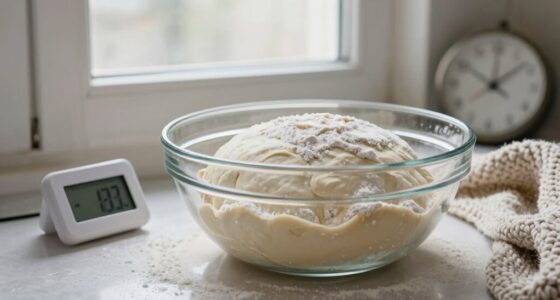
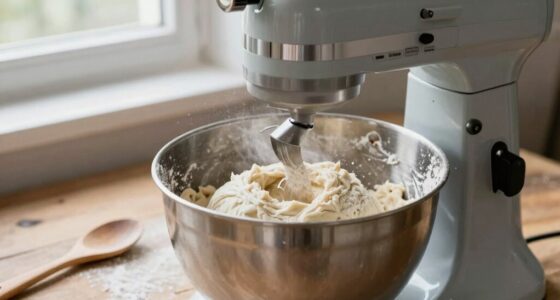
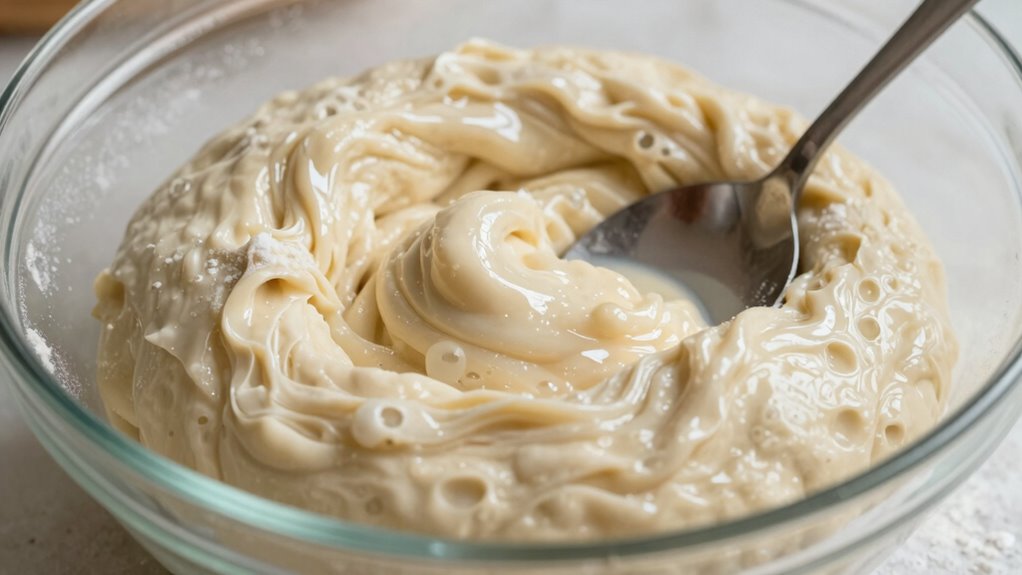
Handling high-hydration dough can be challenging, but with the right techniques, it becomes much easier to work with. These doughs are sticky and loose, making them seem intimidating at first, but understanding how to manage their unique properties is key. One of the most effective ways to handle this dough is by mastering fermentation techniques. During fermentation, the dough develops gluten strength and flavor, but with high hydration, you need to be patient and gentle. Use stretch-and-fold methods over kneading to strengthen the dough gradually without tearing the gluten network. This process also helps incorporate air and distribute yeast evenly. The more you practice these techniques, the more confident you’ll become in handling sticky, high-hydration doughs. Additionally, controlling fermentation conditions can significantly impact the dough’s behavior and final outcome, making temperature regulation a crucial aspect. Temperature control is another essential factor. Maintaining the right baking temperature influences fermentation and dough behavior. Cooler environments slow fermentation, giving you more time to perform gentle stretches and folds, which helps develop gluten without overworking the dough. Conversely, warmer temperatures speed up fermentation but can make the dough even stickier and harder to handle. To keep things manageable, aim for a fermentation temperature around 75°F (24°C), where the yeast activity is ideal without compromising dough structure. Also, consider refrigerating the dough during bulk fermentation if it becomes too sticky or difficult to manage—this firms it up slightly and makes handling easier. Proper temperature management during fermentation and baking is vital for achieving the best crust and crumb. Developing a good understanding of dough hydration can help you better anticipate how your dough will behave during baking. The combination of good fermentation techniques and correct oven temperature will give you a beautifully risen, flavorful loaf with a crisp crust. As you gain experience, paying attention to dough consistency and making adjustments accordingly can lead to more predictable results. Patience is essential throughout this process. The more you learn to control fermentation and baking temperature, the more consistent and successful your high-hydration baking will become. With practice, managing these doughs transforms from intimidating to rewarding, and you’ll enjoy creating airy, open-crumb bread that’s worth every effort.
As an affiliate, we earn on qualifying purchases.
Frequently Asked Questions
Can High-Hydration Dough Be Used for All Bread Types?
Yes, high-hydration dough can be used for many bread types, but it’s not ideal for all. Alternative hydration levels influence gluten development, making the dough more extensible and airy, perfect for rustic loaves or ciabatta. However, for denser, structured breads like sandwich bread, lower hydration levels often work better. You need to adjust your handling techniques accordingly to achieve the desired crumb and crust.
How Long Should I Ferment High-Hydration Dough?
Think of fermentation timing as a gentle dance—too short, and your dough misses out on flavor development; too long, and it risks overproofing. For high-hydration dough, aim for 4 to 6 hours at room temperature, or until it’s airy and bubbly. This window allows the flavors to deepen and develop fully, giving your bread that perfect balance of chew and tang. Keep an eye on the dough, and let it lead the way!
What’s the Best Way to Store High-Hydration Dough?
To store high-hydration dough, keep it in an airtight container or covered with plastic wrap to maintain hydration levels and prevent crust formation. You should refrigerate it, which helps improve dough durability and flavor over time. For longer storage, consider freezing, but make sure you wrap it tightly to prevent freezer burn. When ready to use, allow it to come to room temperature for ideal handling and fermentation.
How Do I Prevent Sticking During Shaping?
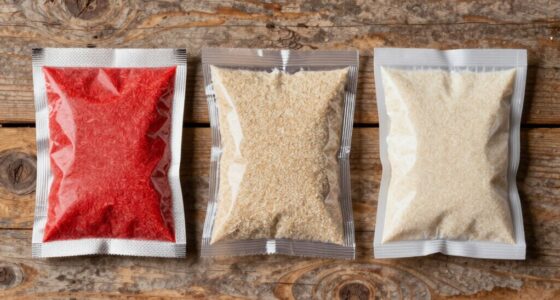
To prevent sticking during shaping, dust your work surface and hands with flour or alternative flours like rice or cornstarch. Gently stretch and shape the dough without excessive force, allowing gluten development to keep it elastic. If it sticks, lightly dust again instead of adding more flour, which can toughen the dough. This approach keeps your dough manageable and prevents sticking, making shaping easier and more consistent.
Can I Freeze High-Hydration Dough?
Yes, you can freeze high-hydration dough by using proper freezing techniques. First, shape the dough into a tight ball or log, then wrap it tightly in plastic wrap to prevent freezer burn. Label it with the date, and place it in an airtight container or freezer bag. When you’re ready, thaw it slowly in the fridge, allowing the dough hydration to reabsorb, ensuring it remains pliable and easy to handle.
dough stretch and fold technique tools
As an affiliate, we earn on qualifying purchases.
As an affiliate, we earn on qualifying purchases.
Conclusion
So, who knew that handling high-hydration dough could be this effortless? Despite the initial panic, with a bit of patience and a gentle touch, you’ll master it in no time. Ironically, the wetter the dough, the easier it becomes to shape and bake into perfect bread. So go ahead, embrace the sticky mess—your future self will thank you for conquering what once seemed impossible. Happy baking, and don’t forget: moisture is your friend!
dough fermentation temperature controller
As an affiliate, we earn on qualifying purchases.
As an affiliate, we earn on qualifying purchases.
As an affiliate, we earn on qualifying purchases.
Halloween Picks
halloween
As an affiliate, we earn on qualifying purchases.