TL;DR

Get kitchen gear delivered free with Prime
- Fast, free delivery on millions of items
- Prime Video, Amazon Music and more included
- Member-only deals all year
This article explains how to make fresh egg pasta by hand, starting from a simple ratio of flour and eggs. The process enhances cooking skills and opens up new culinary possibilities, requiring just basic tools and ingredients.
Making fresh egg pasta by hand is a straightforward process that transforms simple ingredients into a versatile, delicious dough. This weekend project requires only flour, eggs, and a few basic tools, but it offers a profound impact on your cooking skills and understanding of dough. The technique is rooted in traditional Italian methods and is accessible to home cooks eager to elevate their pasta game.
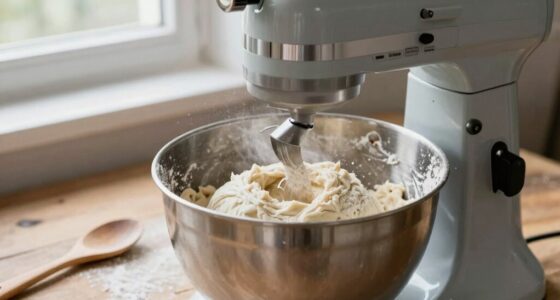
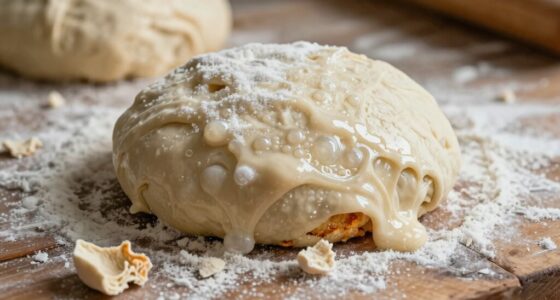
The core of fresh egg pasta begins with a simple ratio: 100 grams of flour per large egg. This ratio is based on Italian culinary tradition and ensures the dough has the right moisture and elasticity. To start, mound the flour on a clean surface, hollow out a well in the center, crack the eggs into it, and gradually incorporate the flour by dragging it into the eggs with a fork. Once a shaggy dough forms, switch to kneading with your hands, working the dough for 8 to 12 minutes until it becomes smooth and cohesive.
Resting the dough for at least 30 minutes is essential to relax the gluten, making it easier to roll thinly. The dough should be rolled until translucent enough to see your hand’s shadow, which typically means a thickness of about 1 mm. From there, shaping into tagliatelle, pappardelle, or lasagne sheets is a matter of cutting or rolling. The entire process takes roughly an afternoon, and no special pasta machine is necessary—just a rolling pin and a sharp knife or pasta cutter.
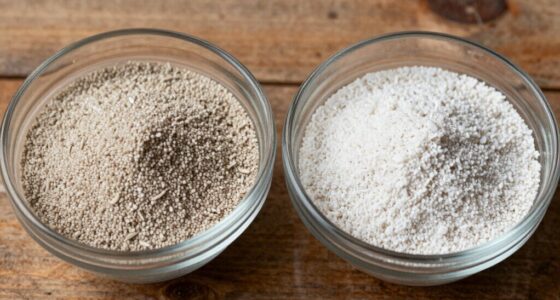
Choosing the right flour influences the texture and flavor of the pasta. Italian 00 flour produces silky, tender sheets ideal for delicate shapes, while all-purpose flour offers a chewier bite suitable for beginners. Durum wheat semolina yields a firmer pasta with a golden hue, though it absorbs more water. The hydration process depends on factors like egg size, flour type, and humidity, so cooks are encouraged to adapt by feel rather than strict measurements.
Making pasta by hand teaches skills that transfer across cooking: judging dough hydration, developing gluten, controlling thickness, and matching texture to sauces. For a detailed guide, see the original analysis on making fresh egg pasta by hand. It also fosters a greater appreciation for the craft behind traditional Italian cuisine. The process is forgiving but requires attention to detail, patience, and practice, making it an ideal weekend project for home cooks looking to deepen their culinary skills.
Why Handcrafted Pasta Elevates Your Cooking Skills
Learning to make fresh egg pasta by hand offers more than just delicious noodles; it enhances fundamental cooking skills like dough handling, texture judgment, and timing. This process demystifies a staple of Italian cuisine, empowering home cooks to create a variety of pasta shapes without relying on machines or store-bought options. It also encourages improvisation and adaptation, fostering confidence in the kitchen and a deeper understanding of ingredients. As a skill that can be transferred to other dough-based cooking, mastering hand-made pasta broadens culinary versatility and appreciation for traditional techniques.
As an affiliate, we earn on qualifying purchases.
Traditional Italian Techniques and Modern Home Cooking
Egg pasta has been a staple in Italy for centuries, with regional variations and techniques passed down through generations. The classic ratio of one egg to 100 grams of flour is a longstanding guideline rooted in regional cooking traditions, especially in Emilia-Romagna. Historically, grandmothers and home cooks relied on tactile feedback rather than precise measurements, adjusting hydration by feel. Today, many home cooks are rediscovering these methods, aided by modern tools and a desire for more authentic, homemade food. This project taps into that tradition, making it accessible and practical for contemporary kitchens.
“The real value lies in learning how dough should feel—and once you know, you can make tagliatelle, pappardelle, lasagne sheets, ravioli, and tortellini from the same single method.”
— Mad Tasting
As an affiliate, we earn on qualifying purchases.
What Aspects of Hand-Made Pasta Still Need Clarification
While the basic process is well-established, some details remain variable depending on ingredient quality, humidity, and personal technique. For example, optimal resting times, exact rolling thickness, or how to best handle different flour types can vary between cooks. Additionally, the impact of different egg sizes and regional flour differences on hydration and texture is not fully standardized. More guidance may be needed for beginners to adapt the method to their specific kitchen conditions, and further experimentation could refine the process for consistent results.
As an affiliate, we earn on qualifying purchases.
Next Steps for Home Cooks and Enthusiasts
Home cooks are encouraged to try making pasta using this method, experimenting with different flours and shapes. Practice will improve dough handling and shape formation, leading to more consistent results. Additionally, exploring filled pasta like ravioli or tortellini can expand culinary skills. For those interested, investing in a pasta cutter or rolling pin can help achieve even thinner sheets. Future developments may include detailed tutorials on shaping and filling techniques or integrating pasta-making into weekly meal routines.
As an affiliate, we earn on qualifying purchases.
Key Questions
Can I make pasta without a pasta machine?
Yes, a rolling pin and a sharp knife or pasta cutter are sufficient to roll and cut the dough. A machine can make the process easier and more uniform but is not necessary for good results.
How long should I rest the dough?
Resting for at least 30 minutes is recommended to relax the gluten, making the dough easier to roll thinly. Longer resting times, up to a few hours, can improve texture, especially in humid conditions.
What flours are best for homemade pasta?
Italian 00 flour produces silky, tender pasta, while all-purpose flour is a good, accessible option. Durum wheat semolina offers a firmer bite but absorbs more water. Choose based on desired texture and availability.
How quickly can fresh pasta be cooked?
Fresh egg pasta cooks very quickly—typically within 1 to 3 minutes in boiling water—so it’s important to watch closely to prevent overcooking.
Source: Mad Tasting
Halloween Picks
halloween
As an affiliate, we earn on qualifying purchases.