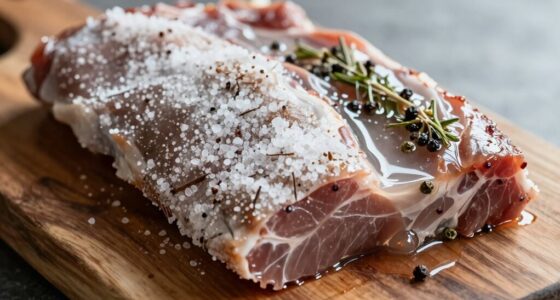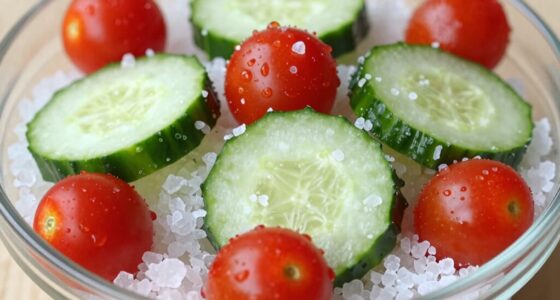
Resting food isn’t just about juicy results; it’s key to improving texture too. When you let cooked food sit, internal structures like proteins, fibers, and starches stabilize, preventing toughness or mushiness. Moisture redistributes evenly, enhancing tenderness and moisture retention. This process also allows cellular and structural changes to complete, resulting in a better chew and softer crumb. If you want to understand how resting transforms your food beyond just juiciness, there’s more to discover.
Key Takeaways
- Resting allows proteins and fibers to relax and reorganize, preventing toughness and improving tenderness.
- Internal structural changes, such as starch retrogradation and protein denaturation, stabilize the food’s texture.
- Moisture redistributes within the food, maintaining an even moisture content and influencing firmness and mouthfeel.
- Cell wall stabilization in vegetables and starch swelling in bread help preserve desirable textures during resting.
- Resting completes microscopic transformations that enhance overall flavor, juiciness, and the food’s structural integrity.

Alpha Grillers Meat Thermometer Digital – Instant Read Food Thermometer for Cooking & Grilling – Professional Kitchen Gifts for Men, Dad & Mom
Instant Read Food Thermometer | Our instant read thermometer features a temperature probe and advanced, highly accurate technology…
As an affiliate, we earn on qualifying purchases.
As an affiliate, we earn on qualifying purchases.
Why Does Resting Food Matter for Texture?
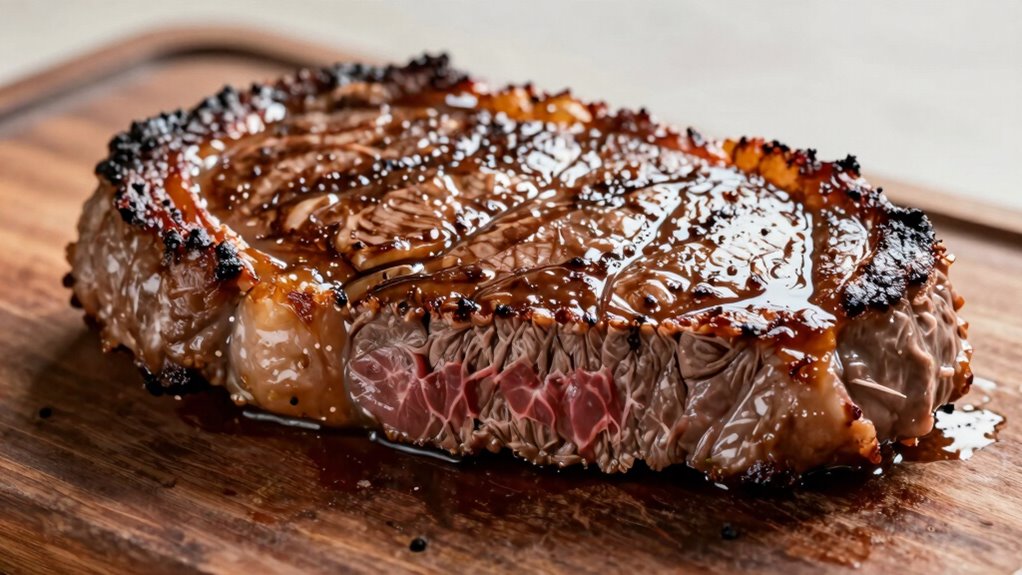
Resting food after cooking is essential because it allows the internal structure to stabilize, which directly affects its texture. When you let food rest, the cooking temperature continues to work inside, helping proteins and fibers relax and settle. This process prevents the meat or other foods from becoming tough or rubbery upon slicing. Additionally, resting enhances flavor by allowing juices and seasonings to redistribute evenly, creating a more balanced taste. If you cut into food immediately, the juices escape, and the texture feels overly moist or mushy. Proper resting guarantees your food maintains its intended firmness and tenderness. Moreover, understanding the science behind food chemistry helps explain why resting is so important for achieving the perfect texture. For example, the protein structure changes during resting can influence how tender or firm the food feels. The redistribution of juices during resting can also influence the overall mouthfeel of the dish. Resting also allows the temperature to even out throughout the food, further improving its consistency and making each bite more satisfying. Recognizing how heat transfer continues during resting can help you time your cooking more precisely. Overall, giving your food time to rest makes a noticeable difference in both texture and flavor, elevating your cooking results.

Dimpola Banneton Bread Proofing Basket – 9 inch Banneton Basket Set of 2 Sourdough Proofing Basket Round Proofing Bowls Handmade Rattan Baskets and Liners
PERFECT FOR THE BAKER IN YOUR HOME: You will be impressed with our bread proofing baskets' quality and…
As an affiliate, we earn on qualifying purchases.
As an affiliate, we earn on qualifying purchases.
How Resting Changes the Internal Structure of Food
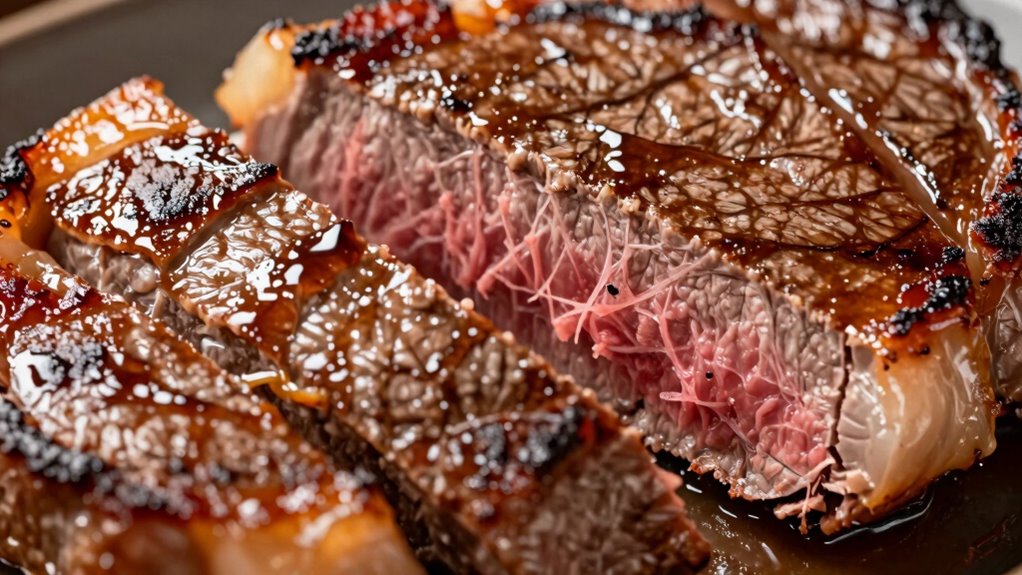
When food cools after cooking, its internal structure undergoes important changes that influence texture and juiciness. Protein denaturation occurs as heat alters the bonds within proteins, causing them to unfold and form new structures. This process makes the meat firmer and helps lock in juices, improving overall tenderness. Resting allows these structural changes to stabilize, preventing excessive moisture loss when you cut into the food. Additionally, resting enhances flavor by giving proteins and other molecules time to interact and develop more complex tastes. This internal restructuring not only boosts texture but also creates a more balanced flavor profile. By letting your food sit, you allow these microscopic transformations to complete, resulting in a better-tasting, more satisfying meal. Understanding the energy lifecycle of food can also help optimize cooking and resting times for maximum flavor and tenderness. Recognizing the chemical processes involved can guide you in achieving the ideal texture for various dishes, especially considering the vetted techniques that improve overall quality. Moreover, being aware of these food science principles can help you troubleshoot and perfect your cooking methods for consistently delicious results. Appreciating how natural changes occur during resting enables cooks to better control the final outcome of their dishes.

Trinity Provisions Meat Resting Pan – With Wire Rack and Silicone Baking Mat – Dishwasher and Oven Safe Stainless Steel, for Cooking and Cooling Steak, BBQ, Bacon, & More
Enhance Juiciness: Rest meats after grilling with our meat resting rack, redistributing juices for more flavorful steaks. Elevate…
As an affiliate, we earn on qualifying purchases.
As an affiliate, we earn on qualifying purchases.
How Resting Affects Muscle Fibers and Connective Tissues
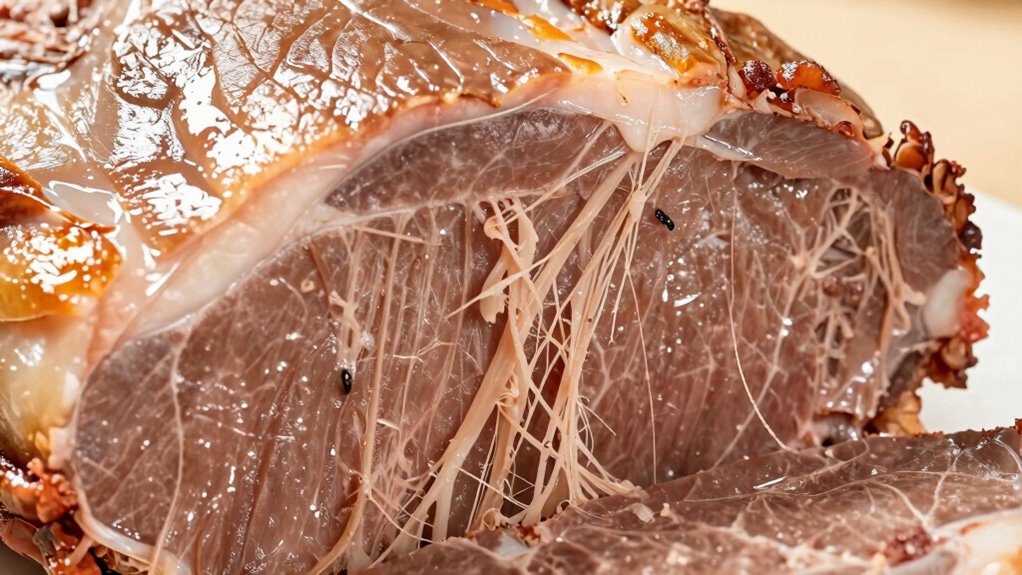
As food cools after cooking, its muscle fibers and connective tissues continue to respond to the change in temperature. As heat dissipates, muscle fibers relax and contract, making the meat easier to chew. Connective tissues, mainly collagen, also break down further, transforming into gel and softening the overall texture. Resting allows these structures to stabilize, preventing them from tightening or becoming tough when cut into immediately after cooking. If you cut too soon, the muscle fibers haven’t fully relaxed, leading to a chewier bite. Similarly, connective tissues haven’t fully softened, which can result in a dry or fibrous feel. Additionally, the process of collagen conversion continues during resting, further enhancing tenderness. This process is influenced by temperature stability, which helps ensure even cooking and consistent texture. Achieving proper resting time allows these changes to fully develop, and proper meat temperature is essential for optimal results. By resting your food, you give these tissues time to respond, ensuring a tender, juicy, and more enjoyable eating experience.
Alpha Grillers Meat Thermometer Digital – Instant Read Food Thermometer for Cooking & Grilling – Professional Kitchen Gifts for Men, Dad & Mom
Instant Read Food Thermometer | Our instant read thermometer features a temperature probe and advanced, highly accurate technology…
As an affiliate, we earn on qualifying purchases.
As an affiliate, we earn on qualifying purchases.
How Resting Alters Moisture Distribution in Food

When you let food rest, moisture inside redistributes, balancing out uneven areas. This process helps juices settle, making every bite more consistent in flavor and texture. Understanding how moisture moves during resting can help you improve your cooking results. Additionally, adopting proper resting techniques can inspire patience and mindfulness in the kitchen, enhancing your overall culinary experience. Recognizing the effects of moisture redistribution can also aid in selecting the best resting times for different foods. Moreover, awareness of digital asset management principles can lead to more efficient and organized handling of your culinary resources, such as recipes and ingredient inventories.
Moisture Redistribution During Rest
Resting food allows moisture to move within its structure, leading to a more even distribution of liquids. During this time, temperature effects play a significant role, as heat causes moisture to diffuse from areas of higher to lower concentration, balancing the internal moisture levels. As the food cools, the redistribution stabilizes, preventing excess moisture from pooling or escaping. This process also influences flavor diffusion, as uniform moisture helps flavors settle evenly, enhancing overall taste. Resting allows the juices to migrate toward the center or settle within muscle fibers, improving juiciness and texture consistency. Additionally, understanding the market dynamics of crypto can help you better anticipate how such processes might influence investment strategies. By giving moisture time to redistribute, you ensure that each bite delivers a balanced, tender, and flavorful experience, making your cooked food much more enjoyable. Moreover, moisture redistribution is crucial for achieving consistent results across different types of cooked foods, ensuring optimal texture and flavor. Recognizing the underlying mechanisms of moisture movement can also help cooks troubleshoot and refine their techniques for better outcomes. Mastering creative storytelling in cooking narratives can further elevate the appeal of your dishes and engage your audience.
Equilibrium of Juices
Resting food allows its internal juices to reach a state of equilibrium, leading to a more consistent moisture distribution throughout the dish. This process enhances flavor development because the juices redistribute evenly, guaranteeing each bite delivers balanced taste. As the juices settle, temperature stability improves, reducing hot spots and preventing overcooking in certain areas. When moisture is evenly spread, the food maintains its intended texture and juiciness, making every part more satisfying. Resting also minimizes moisture loss, helping the flavors stay concentrated. This equilibrium of juices isn’t just about moisture; it’s essential for accessing the full potential of your dish’s flavor profile while maintaining a uniform, appealing texture. Proper resting ensures your food is both flavorful and perfectly balanced. Additionally, understanding the healing process of piercings emphasizes the importance of patience and proper aftercare to prevent infection and irritation.
How Resting Impacts Starch Gelatinization in Bread
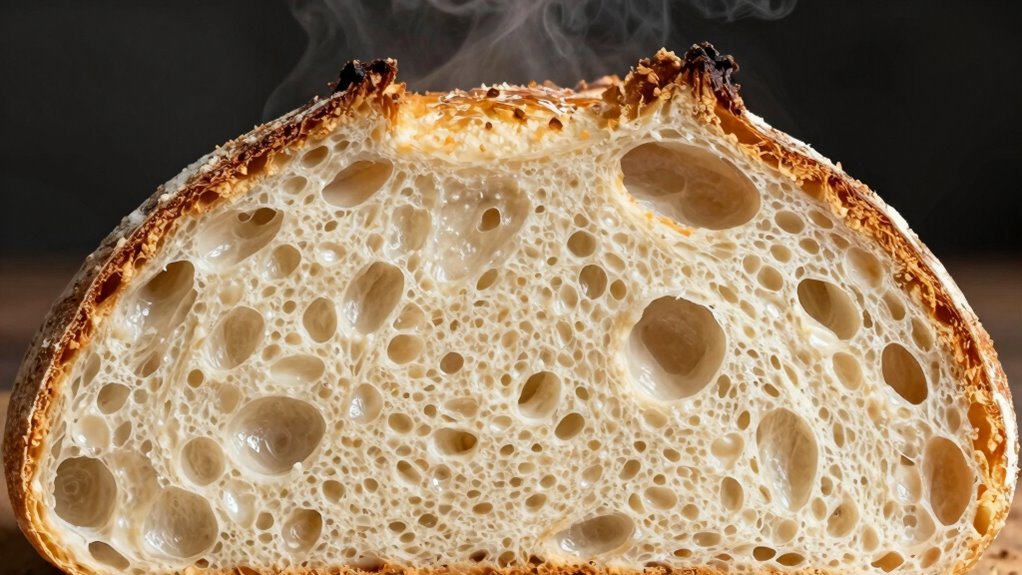
When you let bread rest, starch granules continue to swell and absorb moisture, affecting the overall texture. The amylose reassociation process also occurs, which can firm up the crumb as sugars and proteins interact. These factors together shape the final feel of your bread, highlighting how resting influences starch gelatinization.
Starch Granule Swelling
During the resting period, starch granules in the dough absorb water and swell, a process that considerably influences bread’s final texture. As they swell, the granules undergo starch gelatinization, which softens the dough. When resting continues, starch granule swelling stabilizes, allowing water to penetrate deeply. This swelling affects how the starch molecules, especially amylose, interact later. Amylose reassociation begins once the heat is removed, but during resting, the extent of swelling determines how tightly the starch network will set. Proper swelling ensures a tender crumb and even crumb structure. If swelling is incomplete, the dough may be denser or less cohesive. Resting, thus, plays a vital role in optimizing starch granule behavior, directly impacting bread’s texture beyond juiciness.
Amylose Reassociation Process
As the dough cools after baking or resting, amylose molecules begin to reassociate, forming new hydrogen bonds that strengthen the starch network. This process, known as amylose reassociation, causes the starch molecules to realign and form a firmer gel structure. As a result, the bread’s texture becomes denser and more crystalline through starch retrogradation. The reassociation reduces water mobility within the starch, leading to a firmer bite and changes in moisture distribution. This transformation impacts not only the chewiness but also how the bread feels in your mouth. The degree of amylose reassociation directly influences the extent of starch retrogradation, which is why freshly baked bread differs in texture from bread that’s been rested or cooled. This process is key to understanding how resting alters bread’s physical properties over time.
Texture Development Factors
Resting bread after baking substantially influences how starch gelatinizes and interacts within the dough, shaping its final texture. During resting, the temperature stabilizes, allowing starch molecules to continue gelatinizing gradually, which enhances flavor development by releasing complex aromas and sugars. This process also guarantees more uniform starch gel formation, resulting in a softer, more cohesive crumb. Proper resting conditions prevent rapid cooling, maintaining temperature stability that allows starches to set properly without becoming overly firm or gummy. As a result, the bread develops a balanced, tender texture with improved mouthfeel. Resting helps the starch network fully stabilize, leading to better moisture retention and a more satisfying bite. Overall, it’s a vital step in achieving ideal texture through controlled starch gelatinization.
How Resting Modifies Cell Walls and Crunchiness in Vegetables
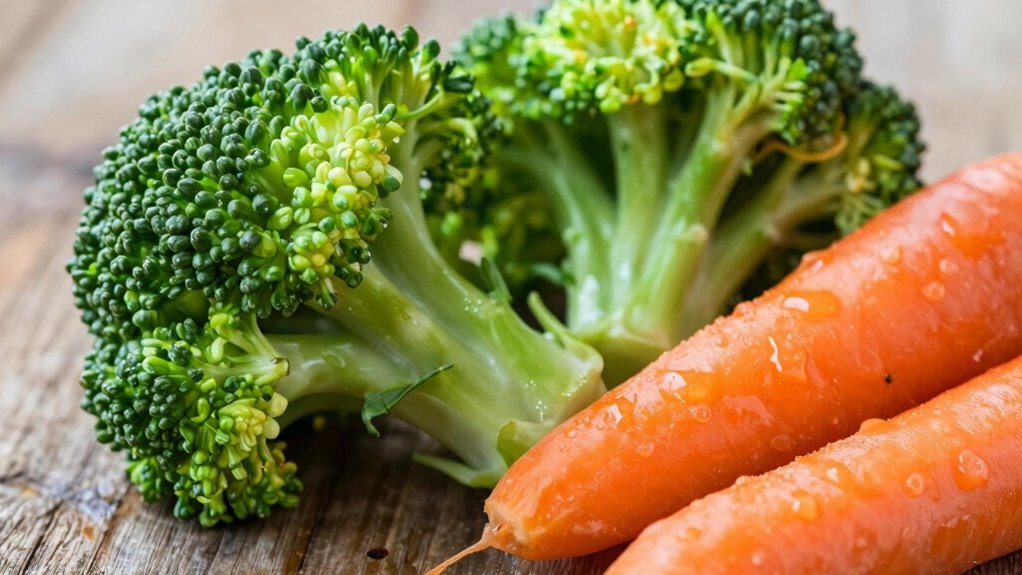
When vegetables rest after cooking, their cell walls undergo subtle but significant changes that impact their texture. Resting allows cell wall mechanics to stabilize as heat-induced weakening pauses, preventing further softening. During cooking, heat causes pectin and hemicellulose in the cell walls to break down, softening the vegetable. When resting, these structures partially re-establish, maintaining a balance between softness and crunchiness. This process preserves vegetable crunchiness by preventing excessive breakdown of cell wall components. Additionally, water redistributes within the cells, reducing internal pressure and helping the vegetable retain its shape and firmness. As a result, resting helps you enjoy vegetables that are tender yet retain a satisfying bite, thanks to the ongoing, subtle modifications in their cell wall mechanics.
Common Resting Myths and How Resting Really Affects Food
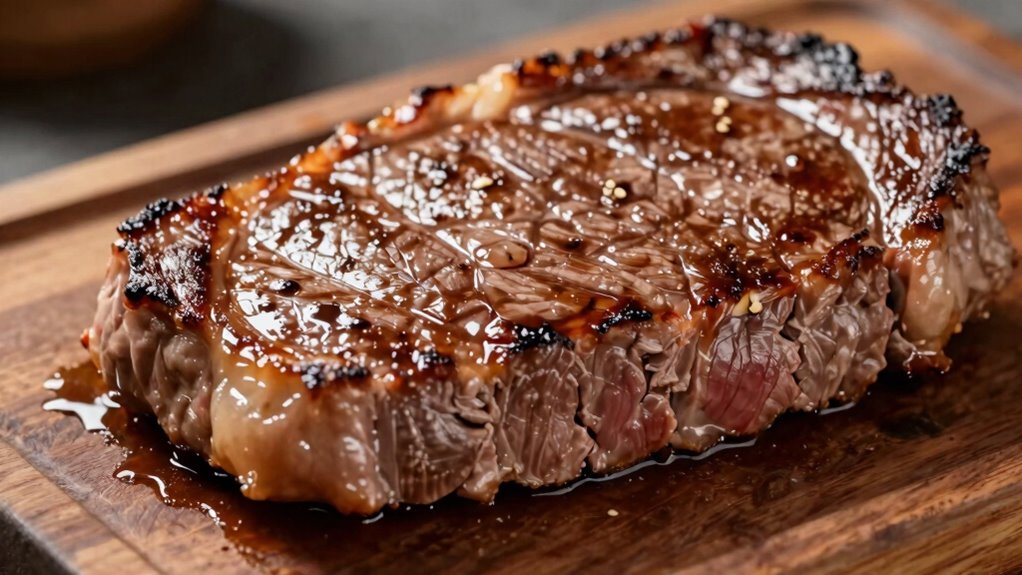
Many people believe that resting food after cooking is unnecessary or simply a way to let flavors meld, but this isn’t quite accurate. Resting actually influences more than just juiciness; it affects texture and flavor as well. Common myths suggest that resting is only for meats or that it’s unnecessary for vegetables, but in reality, it allows the internal juices to redistribute, improving texture. Resting also enhances marination effects, letting flavors penetrate deeper and intensify. Proper resting can lead to:
- Better texture by reducing moisture loss
- Enhanced flavor distribution within the food
- More effective marination effects, resulting in richer taste
Understanding these benefits helps you see resting as a vital step for maximizing food quality, not just a waiting period.
Tips to Rest Food Properly for Better Texture and Juiciness
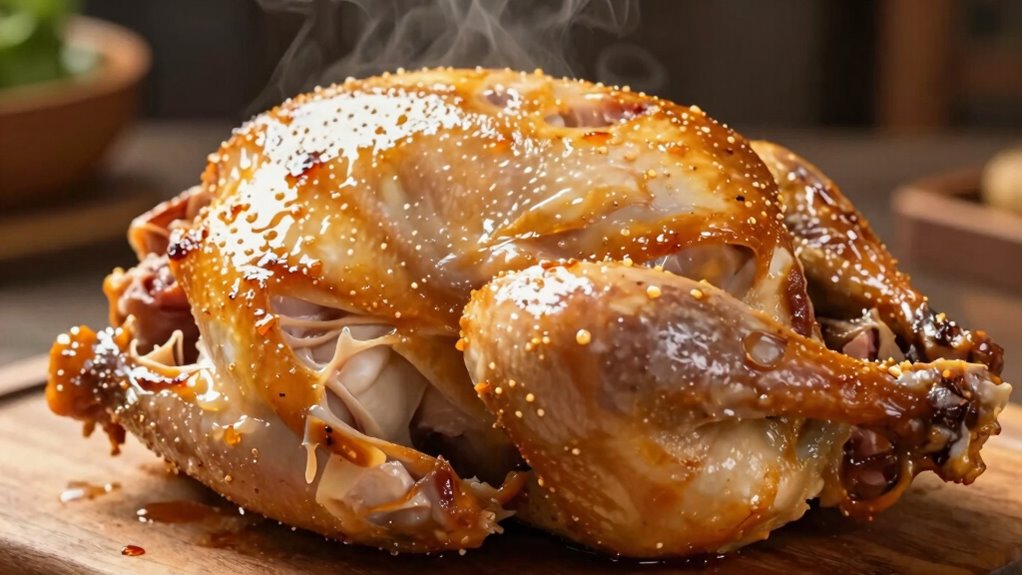
To maximize the benefits of resting your food, focus on the timing and proper technique. Use effective resting techniques like tenting meat with foil to retain heat without overcooking. Allow food to rest just long enough—usually 5 to 15 minutes—so juices can redistribute, enhancing both texture and juiciness. Proper food cooling is essential; avoid rushing the process by leaving dishes out too long, which can cause dryness or spoilage. For larger cuts, rest on a cutting board or plate with a loose foil cover to maintain warmth while allowing moisture to settle. Pay attention to the specific food type, as resting times vary. These tips help ensure your food retains its tender, juicy qualities with improved texture.
Frequently Asked Questions
How Does Resting Influence the Flavor Development in Cooked Foods?
Resting food allows flavor maturation and aroma enhancement, giving the flavors time to meld and deepen. As you let your cooked dish rest, the juices redistribute, intensifying taste, while the aroma compounds develop fully, enriching the overall experience. This process guarantees that your food isn’t just juicy but also more flavorful and aromatic, making each bite more satisfying. So, taking a few moments to rest enhances both the flavor and aroma, elevating your meal.
Can Resting Improve the Overall Tenderness of Meat and Vegetables?
They say, “Good things come to those who wait,” and resting definitely improves tenderness. When you rest meat and vegetables, carryover cooking continues slightly, helping distribute moisture evenly. This moisture redistribution relaxes muscle fibers, making everything more tender. Resting prevents juices from escaping instantly, ensuring each bite is juicy and tender. So, take your time and rest your food—your taste buds will thank you for the improved texture.
What Role Does Resting Play in Preventing Food From Becoming Mushy?
Resting helps prevent food from becoming mushy by allowing moisture redistribution within the dish. As you let it sit, the juices settle and evenly distribute, maintaining structural integrity. This process keeps the food firm and well-textured instead of soggy. Without resting, moisture can escape or pool unevenly, leading to a mushy consistency. So, giving your food time to rest guarantees a better texture and prevents unwanted softness.
Does Resting Affect the Nutritional Content of Cooked Food?
Resting food doesn’t substantially impact its nutritional content, as studies show that nutrient stability remains mostly intact during this process. When you let cooked food rest, enzyme activity slows down, preventing nutrient breakdown. This means you retain essential vitamins and minerals, making your meal both flavorful and nutritious. So, resting helps preserve nutrients, ensuring you enjoy the full health benefits of your food without compromising its quality.
How Do Different Resting Times Impact Various Types of Dishes?
Different resting times considerably impact various dishes by influencing temperature effects and moisture redistribution. For meats, resting longer allows juices to evenly redistribute, resulting in a tender, juicy texture. In baked goods, shorter rests help set the structure, while extended resting can improve crumb and flavor. You’ll notice that adjusting resting times can enhance dish texture, making your dishes more enjoyable by allowing heat and moisture to settle properly.
Conclusion
Resting food is like giving it a deep breath, letting its internal structure settle and harmonize. When you allow your dishes to rest, you unveil better texture and juiciness, making every bite more satisfying. Skipping this step is like trying to read a map before it’s unfolded—you miss the full picture. So, take the extra moment to rest your food; it’s the secret to achieving that perfect, restaurant-quality bite every time.