
TL;DR

Get kitchen gear delivered free with Prime
- Fast, free delivery on millions of items
- Prime Video, Amazon Music and more included
- Member-only deals all year
Salmorejo, a traditional Spanish cold tomato soup, is seeing increased popularity due to its rich flavor and simplicity. Chefs and food lovers are promoting its cultural significance and health benefits.
Salmorejo, a traditional Spanish cold tomato soup originating from Córdoba, has gained renewed attention as chefs and food enthusiasts highlight its rich flavor, simple ingredients, and cultural significance. This resurgence is being driven by increased media coverage and its inclusion in menus across Spain and internationally, making it a notable trend in Mediterranean cuisine.
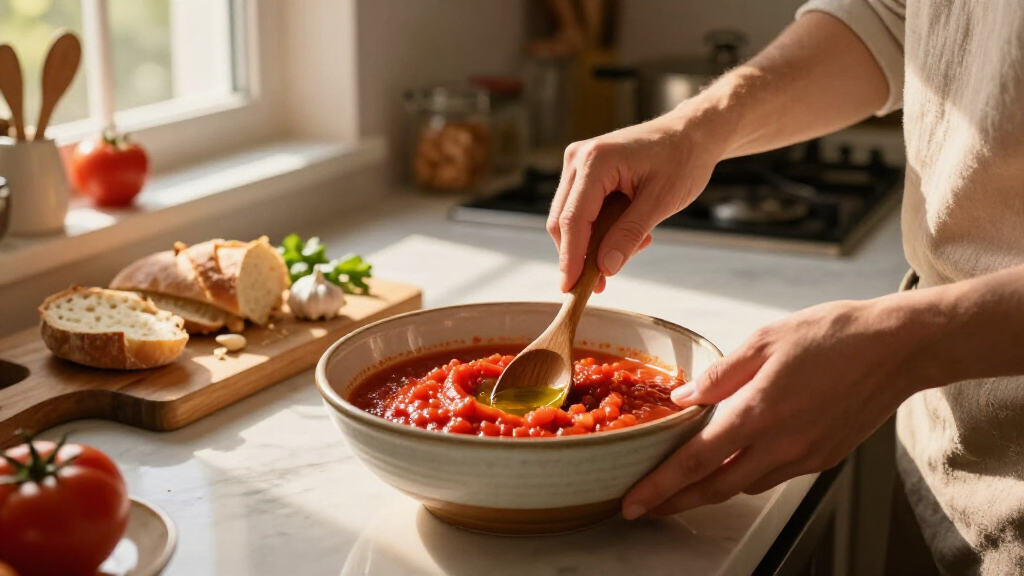
Salmorejo is a cold soup made primarily from ripe tomatoes, bread, olive oil, garlic, and vinegar, blended into a smooth, creamy consistency. Traditionally served in Córdoba, it is often garnished with diced ham and hard-boiled eggs. Recent months have seen a surge in its popularity, both in Spain and abroad, as culinary experts emphasize its health benefits and authentic flavor.
According to chefs and food critics, the dish’s resurgence is partly due to a broader interest in Mediterranean diets and traditional recipes. Several high-profile restaurants have added salmorejo to their menus, citing its versatility and appeal during warmer months. Food bloggers and social media influencers are also playing a role by sharing recipes and serving suggestions, further boosting its visibility.
While salmorejo has long been a staple in Andalusian cuisine, its recent popularity is attributed to a combination of cultural revival and health trends. Nutritionists highlight its high content of antioxidants from tomatoes and healthy fats from olive oil, aligning with current consumer preferences for wholesome, natural foods. The dish’s simplicity also makes it accessible for home cooks, encouraging more people to try making it themselves.
Cultural and Health Impact of Salmorejo’s Rising Popularity
The increasing popularity of salmorejo underscores a broader trend toward embracing traditional, regional dishes within modern diets. Its health benefits, including high levels of antioxidants and healthy fats, make it appealing amid growing interest in nutritious eating. Additionally, its cultural significance as a symbol of Córdoba’s culinary heritage helps preserve regional identities and promotes Spanish cuisine on the global stage.
This trend could encourage more restaurants worldwide to feature authentic Mediterranean dishes, fostering greater appreciation for regional food traditions. For consumers, it offers a nutritious, easy-to-prepare option that aligns with contemporary health-conscious lifestyles. However, the surge in popularity also raises questions about commercialization and authenticity, which are yet to be fully addressed.
Products Worth Considering

Vitamix Propel Series 510 Professional-Grade Blender, 3 Programs, Black

Vitamix Ascent X3 Professional-Grade Blender, 3 Programs, Shadow Black

Ninja Luxe Café Premier 3-in-1 Espresso Machine, Drip Coffee & Cold Brew
As an affiliate, we earn on qualifying purchases.
Historical Roots and Recent Revival of Salmorejo
Salmorejo has been a staple in Córdoba’s cuisine for centuries, traditionally prepared with simple, locally sourced ingredients. Its origins trace back to the Moorish influence on Spanish food culture, with recipes passed down through generations. Historically, it was a humble dish enjoyed during the hot summer months for its refreshing qualities and nutritional value.
In recent years, there has been a growing movement to preserve and promote regional dishes like salmorejo as part of Spain’s culinary heritage. The dish has gained recognition beyond Andalusia, thanks to food festivals, culinary tourism, and the efforts of chefs dedicated to authentic regional cuisine. The current wave of interest appears to be a combination of cultural pride and health-driven food trends, with social media amplifying its reach.
Despite its long history, salmorejo’s recent popularity is also linked to the global rise of plant-based and Mediterranean diets, which emphasize fresh vegetables, healthy fats, and minimal processing. The dish’s straightforward preparation and rich flavor profile make it an attractive choice for modern consumers seeking wholesome, flavorful options.
“Salmorejo is more than just a summer dish; it’s a symbol of our culinary tradition that continues to resonate today.”
— Chef María López, Córdoba-based restaurateur
Unclear Scope of Global Adoption and Commercialization
While salmorejo’s popularity is rising within Spain and among Mediterranean cuisine enthusiasts, it is still unclear how widely it will be adopted internationally on a large scale. Questions remain about its commercialization, authenticity preservation, and whether mainstream restaurants will maintain traditional recipes or adapt them for broader audiences. Additionally, the long-term sustainability of its popularity has yet to be seen, as trends can shift quickly in the culinary world.
Future Trends and Potential for Broader Recognition
In the coming months, food festivals, culinary competitions, and international restaurant menus are expected to feature salmorejo more prominently. Chefs and food companies may develop new variations or fusion versions, which could influence its traditional preparation. Monitoring how authentic recipes are preserved amidst commercial expansion will be key to understanding its future trajectory. Additionally, more research into its health benefits may further boost its appeal among health-conscious consumers.
Key Questions
What are the main ingredients of salmorejo?
The main ingredients are ripe tomatoes, bread, olive oil, garlic, and vinegar. It is typically garnished with diced ham and hard-boiled eggs.
Is salmorejo suitable for a vegetarian diet?
Traditional salmorejo includes ham, but vegetarian versions can omit this garnish. The core dish is plant-based and suitable for vegetarians.
How is salmorejo different from gazpacho?
Salmorejo is thicker and creamier, made primarily from tomatoes and bread, while gazpacho is usually thinner with a more varied vegetable base.
Can I make salmorejo at home?
Yes, it is simple to prepare at home using ripe tomatoes, bread, olive oil, garlic, and vinegar. Many recipes are available online for authentic preparation.
Source: rss