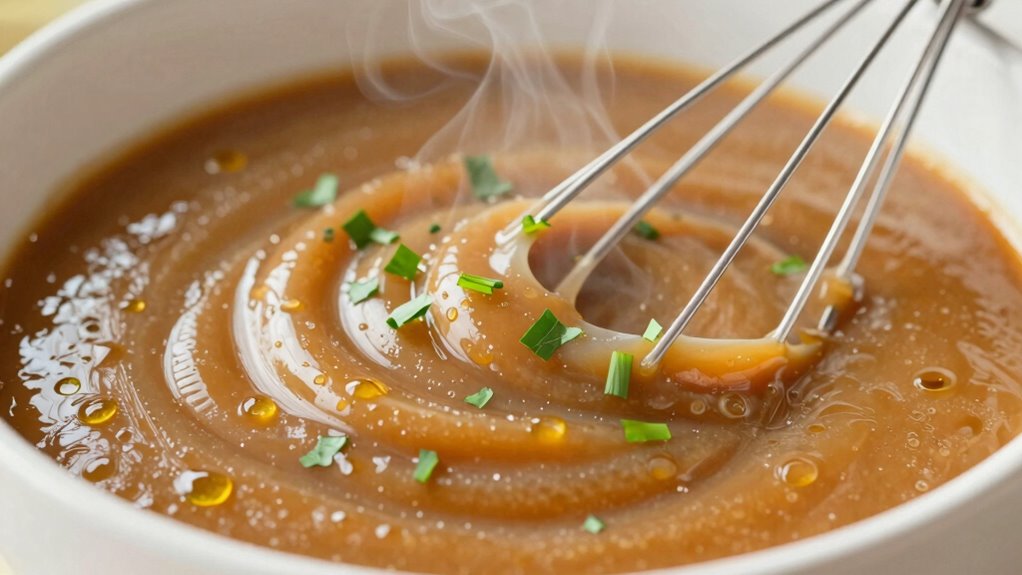

To keep sauces from separating, you should add oil gradually while whisking continuously at room temperature, using stabilizers like egg yolks or mustard to help bind the mixture. Avoid rushing the process or adding ingredients too quickly, and keep everything steady and controlled. If your sauce starts to break, there are simple fixes you can try. Keep going, and you’ll discover how to master stable, creamy emulsions every time.
Key Takeaways
- Add oil gradually while whisking continuously to promote a stable emulsion.
- Use room temperature ingredients and proper emulsifiers like egg yolk or mustard.
- Maintain steady mixing and avoid rushing, over-whisking, or sudden ingredient additions.
- Incorporate stabilizers such as xanthan gum or lecithin if needed for extra stability.
- Troubleshoot early signs of separation by whisking in cold water or fresh egg yolk to re-emulsify.
What Are Emulsions: and Why Do They Matter in Your Sauces
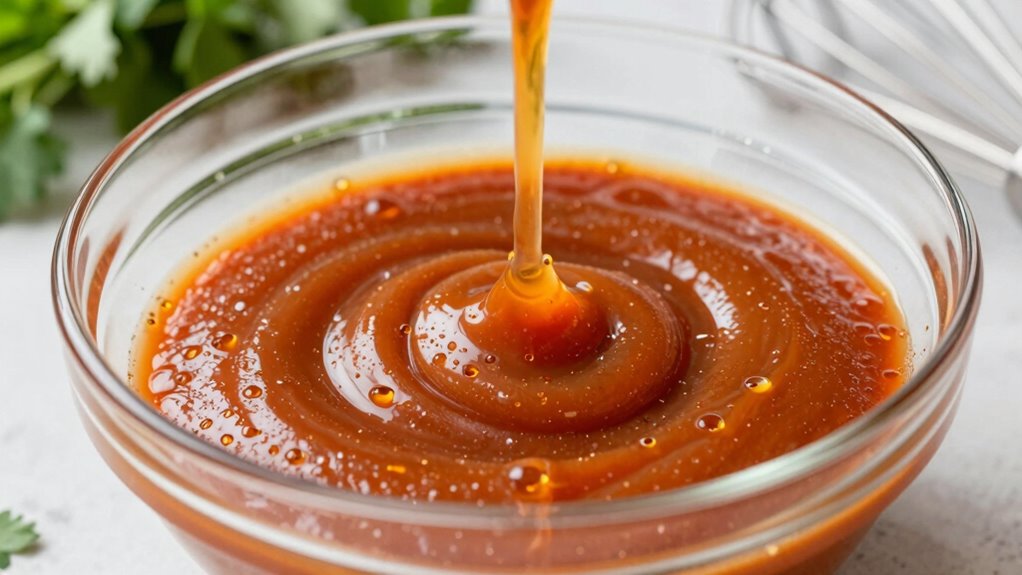
Understanding what emulsions are is key to mastering many sauces. At its core, an emulsion is a mixture of two liquids that normally don’t combine, like oil and water. The emulsification science explains how these liquids can be stabilized into a uniform, creamy consistency. Culinary chemistry reveals that surfactants, like egg yolks or mustard, help keep the mixture from separating by reducing surface tension. Recognizing the importance of emulsions helps you create smooth, flavorful sauces such as mayonnaise or vinaigrettes. When you understand the principles behind emulsions, you gain control over your sauces’ texture and appearance. This foundation makes it easier to troubleshoot issues and develop new recipes, ensuring your sauces stay stable and delicious every time. Additionally, understanding the role of contrast ratio in projectors can help you achieve the perfect visual environment for your culinary demonstrations or presentations. Knowing how stabilizers work can further improve your ability to maintain emulsion stability over longer periods or under varying conditions.
Why Do Sauces Break? Common Causes of Emulsion Separation
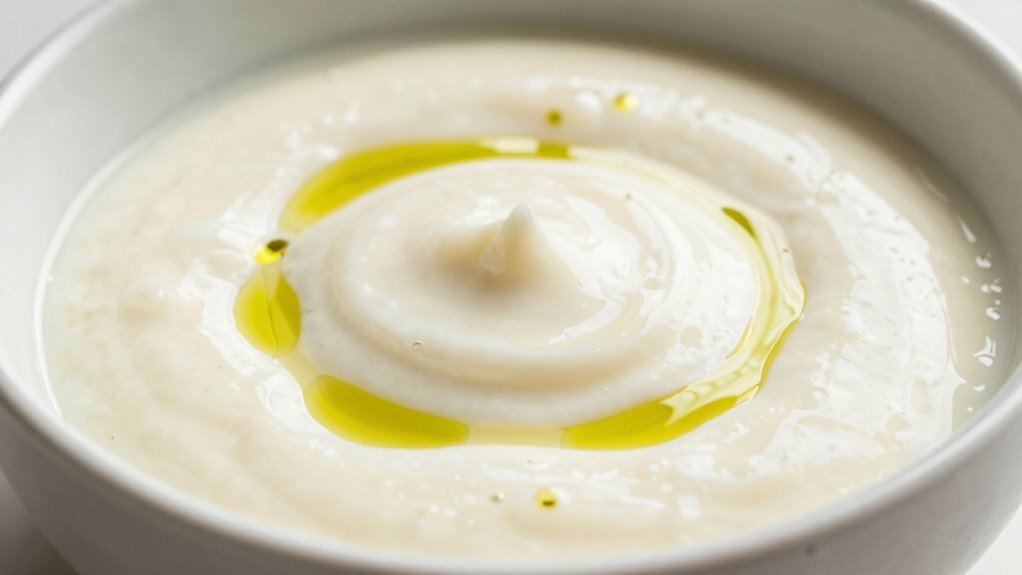
Sauces break when their emulsions fail to stay stable, causing the mixture to separate into oil and water layers. This process, known as oil separation, often happens due to common issues. Temperature fluctuations are a leading cause; sudden changes can destabilize the emulsion. Additionally, over-whisking or adding ingredients too quickly can prevent proper mixing. Here are some other causes:
- Using ingredients at different temperatures
- Adding too much oil at once
- Insufficient emulsifier presence
- Overheating during cooking
- Inconsistent stirring
- Temperature control plays a crucial role in maintaining emulsion stability by preventing sudden shifts that can cause separation. Proper technique ensures the ingredients combine smoothly without breaking. Understanding these causes helps you prevent sauce separation. By managing heat carefully and mixing techniques, you can keep your sauces smooth and stable, avoiding the frustration of separation and ensuring a perfect finish every time. Additionally, maintaining a consistent temperature throughout the process can significantly improve emulsion stability and prevent breakage.
How to Make Stable Emulsions: Easy Tips for Beginners
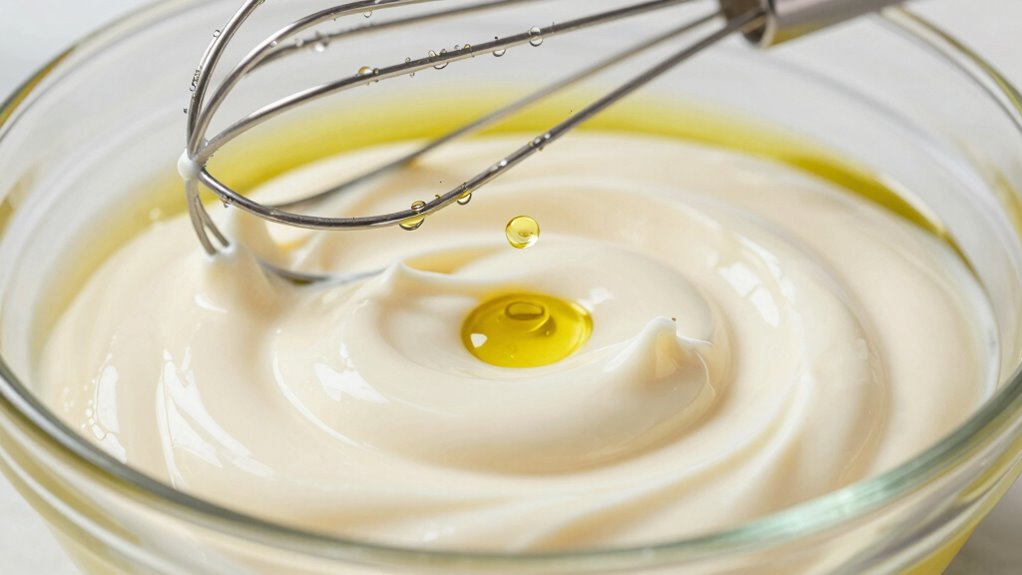
Creating a stable emulsion might seem tricky at first, but with the right techniques, you can achieve smooth, well-blended sauces every time. The key is managing oil separation by paying close attention to ingredient ratios. Start by slowly adding oil to your other ingredients, such as egg yolks or mustard, while whisking constantly. This gradual addition helps the oil incorporate smoothly, preventing separation. Keep your ingredients at room temperature to improve emulsification. Using an appropriate amount of emulsifier, like egg yolk or honey, also stabilizes the mixture. Remember, too much oil can cause separation, so maintain balanced ratios. Additionally, choosing the right type of garbage disposal can prevent unwanted debris from disrupting your emulsion process. Proper techniques for emulsification involve patience and careful attention to detail, which will help you consistently produce successful results. Developing an understanding of ingredient ratios is essential, as it guides you in achieving the perfect balance for stability. To enhance stability, consider incorporating stabilizing agents such as xanthan gum or lecithin when needed. With practice, you’ll develop a feel for the right proportions and techniques, making it easier to create stable, delicious emulsions every time.
How to Fix a Broken Emulsion and Save Your Sauce
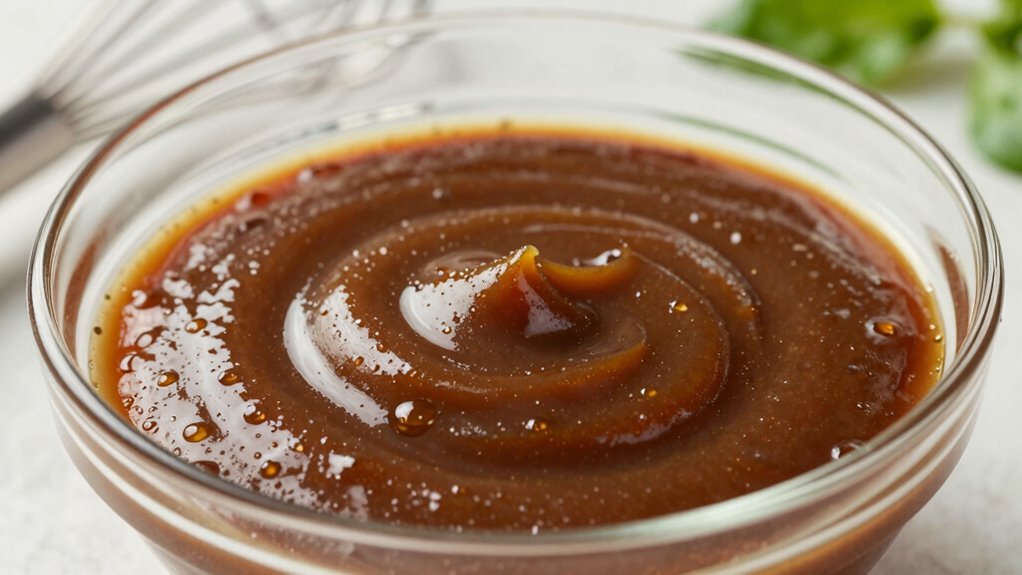
When your emulsion breaks, it can be frustrating, but there’s no need to start over. Understanding emulsion chemistry and applying proper kitchen techniques can help you fix it quickly. First, remove the sauce from heat if it’s hot. Then, whisk in a small amount of cold water or a fresh egg yolk to help re-emulsify. You can also slowly drizzle a bit of the broken sauce into a new, clean bowl of the emulsifier while whisking vigorously. Keep in mind these tips:
- Use fresh ingredients to improve stability
- Add the liquid gradually to control emulsification
- Maintain consistent whisking or blending
- Keep ingredients at similar temperatures
- Practice patience and steady motion
Additionally, maintaining the right ingredient temperatures can make a significant difference in emulsion stability. Using proper equipment techniques such as steady whisking or blending can also help prevent breaking. Being mindful of emulsion stability factors such as ingredient freshness and temperature differences allows for better control and troubleshooting during the process. For example, incorporating stabilizing agents can sometimes help maintain the emulsion’s integrity. Understanding the role of emulsifiers and how they work can further aid in preventing separation. With these steps, you can rescue your sauce and master the art of emulsions.
Simple Tricks to Keep Your Sauces From Separating
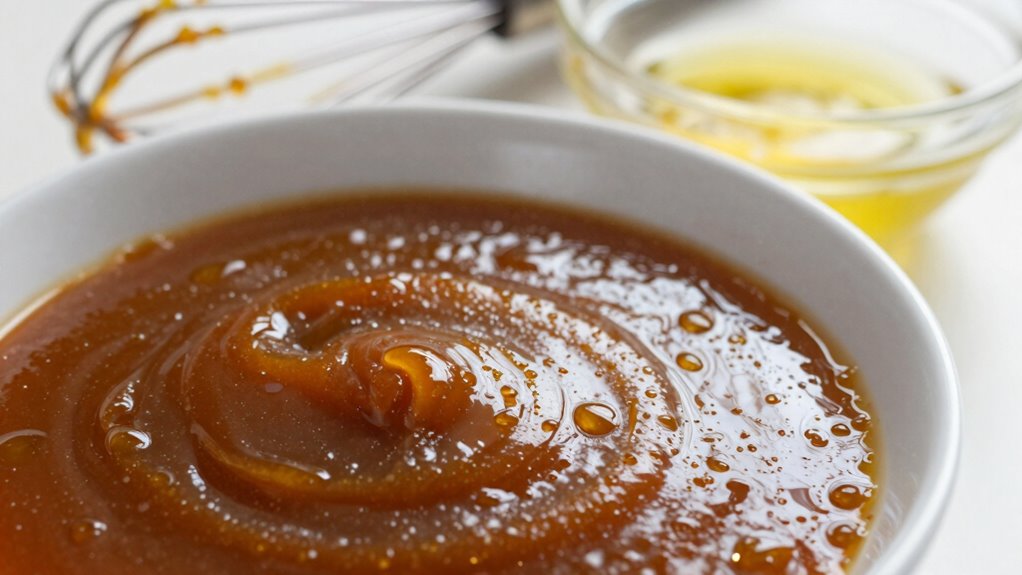
To prevent your sauces from separating, focus on maintaining proper emulsification techniques throughout the cooking process. Key tricks include keeping ingredient ratios balanced and controlling temperature. Too much oil can cause oil separation, while too little won’t emulsify properly. Use a steady, gentle whisk to combine ingredients gradually. Incorporate a small amount of water or vinegar to stabilize the emulsion if needed. Consistently monitor the mixture’s consistency, adding oil slowly to avoid separation. Employing Emulsification techniques is essential to achieving a smooth, stable sauce. Additionally, understanding how emulsifiers work can help you create more reliable and lasting emulsions. Recognizing the role of stabilizers in maintaining emulsion integrity can further improve your results. Knowing the importance of ingredient quality can also make a significant difference in the final outcome.
Troubleshooting Emulsions: When and How to Adjust Your Technique

Even with careful technique, emulsions can sometimes break or separate, signaling that adjustments are needed. When you notice oil separation or a thin, watery layer, it’s time to troubleshoot. First, try whisking vigorously to reincorporate the oil. If that doesn’t work, consider adding a small amount of warm water or a different ingredient substitution—like a splash of lemon juice or vinegar—to help stabilize the mixture. You can also slow down your pouring process to give the emulsion more time to form. Keep in mind that temperature changes or using different oils can affect stability.
- Use a fresh, room-temperature egg yolk or mustard as a stabilizer
- Gradually incorporate oil instead of all at once
- Adjust ingredient substitutions to improve compatibility
- Maintain consistent mixing speed and temperature
- Avoid overworking the emulsion to prevent breaking
Frequently Asked Questions
Can I Reuse Broken Emulsions in Other Recipes?
You can sometimes reuse broken emulsions in other recipes if you perform emulsion repair by slowly whisking in a bit of water or oil. However, be cautious about storage considerations; broken emulsions may spoil faster. Always check for signs of spoilage before using them again. Reusing them in hearty recipes like dressings or marinades works best, but avoid delicate sauces to prevent further separation.
What Are Alternative Thickeners for Emulsions?
You can try using vegetable gums like xanthan or guar gum as alternative thickeners for emulsions. These natural stabilizers help keep your sauce stable and prevent separation without altering flavor. Simply add a small amount gradually while whisking to achieve the desired consistency. These thickeners are effective, easy to use, and ideal for creating smooth, stable emulsions in dressings, sauces, and dips.
How Does Temperature Affect Emulsion Stability?
Temperature fluctuations and heating effects can considerably impact your emulsion’s stability. When you heat the sauce too quickly or unevenly, the fats and liquids may separate, causing the emulsion to break. To prevent this, keep the temperature controlled and avoid rapid heating. Gently warming the mixture helps maintain the balance between oil and water, ensuring your sauce stays smooth and stable without separating.
Are There Dairy-Free Options for Making Emulsions?
Did you know that over 10% of people follow a dairy-free diet? You can make emulsions without dairy using vegan alternatives like coconut milk, which contains healthy fats that help stabilize sauces. Coconut milk’s natural creaminess makes it an excellent substitute for dairy, helping your sauces stay smooth and well-emulsified. So, next time, try coconut milk for a dairy-free, delicious, and stable emulsion.
How Long Can an Emulsion Be Stored Safely?
You can typically store an emulsion for up to 2-3 days in the refrigerator, but always check for spoilage signs before using it again. To prevent spoilage, keep it in an airtight container and avoid exposing it to air or heat. Proper storage duration helps maintain freshness and prevents bacterial growth. If it develops an off smell, color, or texture, discard it to ensure safety.
Conclusion
Mastering emulsions takes practice, but don’t get discouraged. For example, if your vinaigrette starts to separate after sitting, whisk in a teaspoon of warm water or add a bit more oil gradually to re-emulsify. With these tips, you’ll keep your sauces smooth and stable every time. Remember, adjusting your technique and understanding the causes of separation helps you become a confident cook, ensuring your sauces stay perfectly combined and delicious.