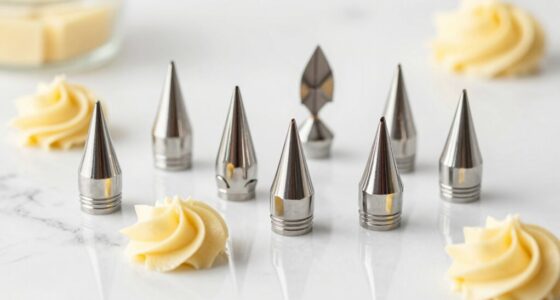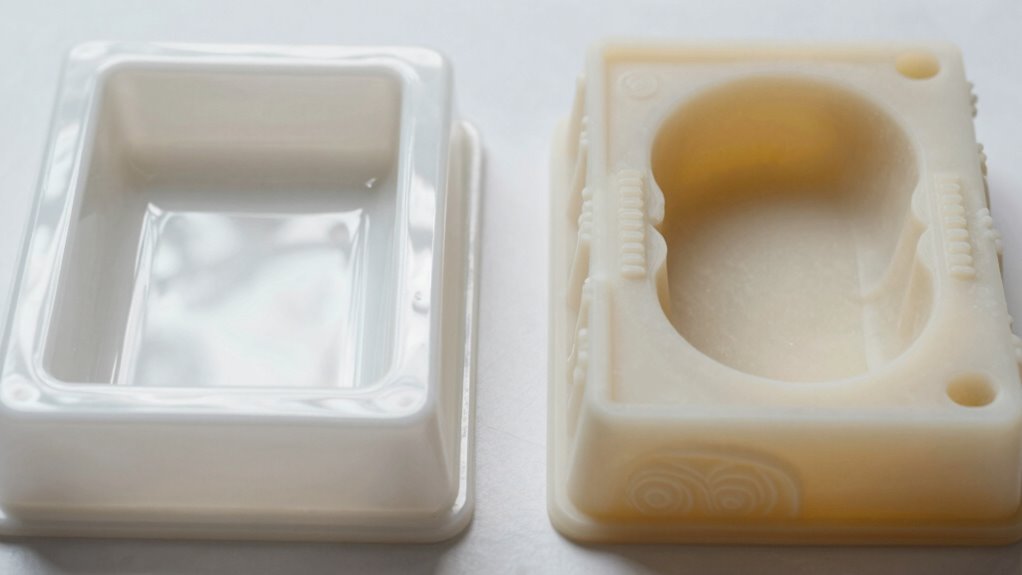

When deciding between polycarbonate and silicone molds, the finish differences matter. Polycarbonate molds give a crisp, glossy surface, ideal for sharp details, while silicone molds offer a softer texture, perfect for complex shapes. If you want consistent, high-quality results, polycarbonate’s rigidity and heat resistance shine. For easier demolding and flexibility, silicone is the way to go. Each type suits different needs, so keep exploring to find the best fit for your projects.

Get kitchen gear delivered free — and shop member deals
- Fast, free delivery on millions of items
- Access to Prime Big Deal Days deals on October 6–7
- Prime Video, Amazon Music and more included
Key Takeaways
- Polycarbonate molds provide a crisp, glossy surface, enhancing the appearance of intricate designs.
- Silicone molds yield a softer texture, suitable for projects requiring less rigid finishes.
- The finish quality of polycarbonate molds is consistent, while silicone may vary based on usage.
- Polycarbonate molds preserve details better, ideal for sharp, defined features in projects.
- Silicone molds allow for easier demolding, potentially saving time despite a less polished finish.
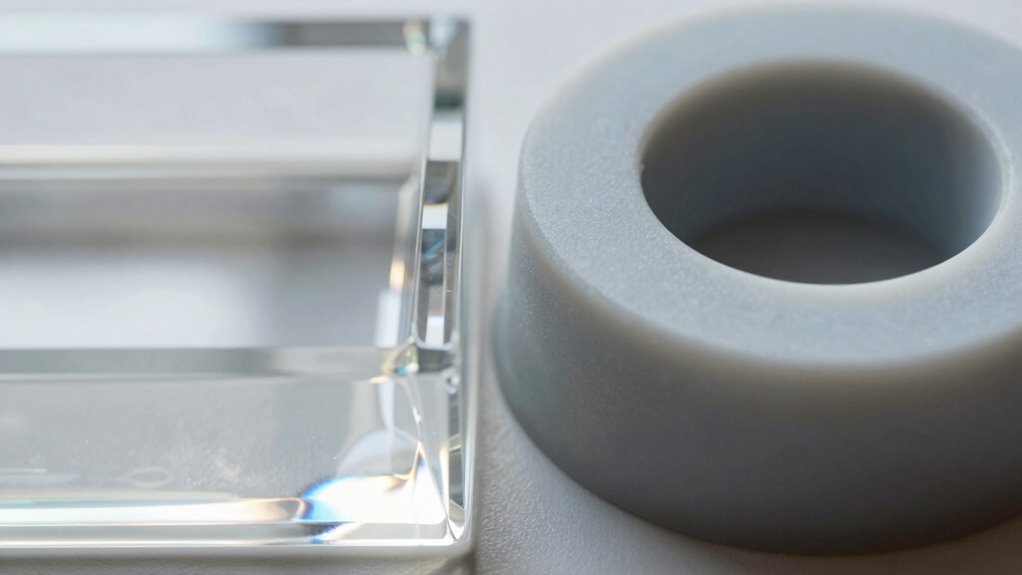
When you’re deciding between polycarbonate and silicone molds, it’s vital to evaluate your specific needs and projects. Both options have their unique benefits, but understanding their finishes can help you make an informed choice. Polycarbonate molds are known for their high mold durability. They provide a smooth finish that often results in sharper details, making them ideal for intricate designs. If you’re working on a project that requires precision, polycarbonate might be your best bet. Their rigid structure guarantees that the mold retains its shape over time, even with repeated use, which is essential for maintaining quality in your work. Additionally, polycarbonate’s heat resistance allows it to withstand higher temperatures, expanding its versatility for different materials and techniques. This durability also means they tend to be more resistant to scratches and wear, maintaining their surface quality over time. Polycarbonate molds are also often used in high-temperature applications, further emphasizing their robustness. Furthermore, their ability to produce consistent results makes them a preferred choice for professional settings.
On the other hand, silicone molds have a more flexible nature. This flexibility allows for easier demolding, particularly for delicate items that might break in a rigid mold. However, the finish from silicone molds can be slightly different. You might notice a softer texture compared to the crispness from polycarbonate. If you’re creating items where a smooth, glossy surface is less important, the silicone option could save you time and effort in the demolding process. Their flexibility also makes them more suitable for complex shapes or detailed textures that might be difficult to achieve with rigid molds. Additionally, silicone molds tend to be more cost-effective for hobbyists and small projects.
Heat resistance is another key factor to take into account. Polycarbonate molds are excellent for high-temperature applications. If you plan to work with materials that require higher temperatures, polycarbonate can withstand that heat without warping or degrading. This makes them suitable for tasks like candy making or resin casting, where temperature control is vital. You won’t have to worry about your mold failing under pressure, allowing you to focus on your creative process. Silicone molds, while they do have good heat resistance, are typically better suited for lower-temperature applications. They can handle moderate heat, but if you push the limits, you may risk damaging the mold. If your project involves high heat, silicone might not be the right choice. Their flexibility also means they are less likely to crack or break under stress, which is beneficial for certain applications. Furthermore, silicone molds are easier to store and handle, making them a popular choice for many users. Recognizing the differences in finish quality between these mold types can greatly influence the final appearance of your project.
Ultimately, your decision should be based on your project requirements. If you’re aiming for durability and high-temperature applications, polycarbonate molds are the way to go. However, if ease of use and flexibility are more aligned with your needs, silicone could be a better fit. Evaluating the finish differences between these two types will help you achieve the results you’re aiming for, guaranteeing your creations turn out just right.
polycarbonate mold for resin casting
As an affiliate, we earn on qualifying purchases.
As an affiliate, we earn on qualifying purchases.
Frequently Asked Questions
Can I Use Silicone Molds for High-Temperature Applications?
Yes, you can use silicone molds for high-temperature applications, but it depends on the specific silicone type. Many silicone molds offer excellent high temperature resistance, allowing them to withstand heat without deforming. They also provide mold flexibility, making it easier to remove your finished product. Just verify the silicone is rated for the temperatures you plan to use, as not all silicone can handle extreme heat effectively. Always check the manufacturer’s guidelines for best results.
How Do I Clean Polycarbonate Molds Effectively?
Imagine lifting your polycarbonate mold, only to find residue clinging stubbornly to its surface. To clean it effectively, start by rinsing with warm water. Then, mix a gentle cleaning solution—like dish soap with vinegar. Use a soft cloth or sponge, avoiding anything abrasive. Rinse thoroughly and dry completely to prevent streaks. Regular mold maintenance keeps your molds in top shape, ensuring they last for years. You’ll be amazed at the results!
Are Silicone Molds Safe for Food Use?
Yes, silicone molds are safe for food use, as long as they have food grade certification. This certification guarantees they meet safety standards for food contact. You’ll appreciate their mold flexibility, which makes it easy to release baked goods without sticking. Just make certain to check for quality labels before purchasing. With proper care, these molds can last a long time, providing you with reliable results in the kitchen!
What Is the Lifespan of Polycarbonate Molds?
Polycarbonate molds can last anywhere from 5 to 10 years, depending on how you use and maintain them. Their mold durability is one of their key material advantages, as they resist cracking and warping better than many alternatives. If you store them properly and avoid extreme temperature changes, you’ll get the most out of your investment. Regular cleaning and careful handling can also extend their lifespan, ensuring you enjoy high-quality results for years.
Can I Use Both Types of Molds Interchangeably?
You can’t use polycarbonate and silicone molds interchangeably due to their differing material properties. Polycarbonate molds are rigid and great for precise shapes, while silicone molds are flexible and ideal for intricate designs. Mold compatibility is essential; using them together can lead to issues like uneven curing or difficulty in demolding. Stick to one type for each project to guarantee the best results and avoid frustrations during your crafting.
As an affiliate, we earn on qualifying purchases.
Conclusion
In the battle of polycarbonate and silicone molds, choosing the right one can dramatically define your design. Polycarbonate provides a polished, pristine finish, while silicone offers supple softness and stunning detail. Depending on your project, each material has its merits. Embrace the durability of polycarbonate or the flexibility of silicone to create enchanting creations. Ultimately, your choice shapes the success of your craft, so consider your needs and let your imagination soar!
As an affiliate, we earn on qualifying purchases.
As an affiliate, we earn on qualifying purchases.
Fall Picks
fall essentials
As an affiliate, we earn on qualifying purchases.