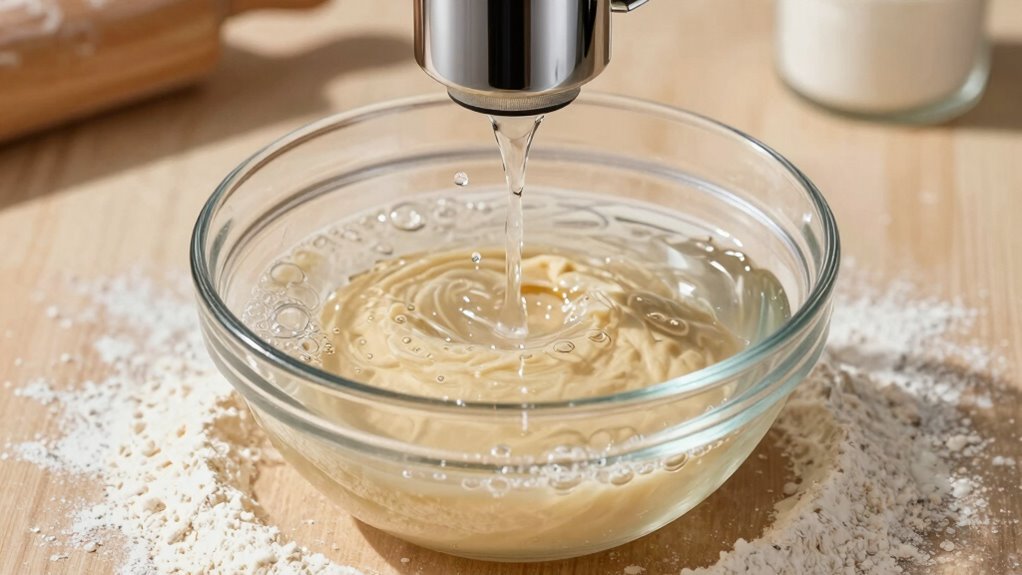

Using filtered water from under-sink water filters can greatly change your dough. It removes contaminants like chlorine and lead, leading to a cleaner taste and better texture in your baked goods. The improved purity means your dough rises more evenly and flavors are enhanced, giving you confidence in your baking. Plus, it’s a sustainable choice that cuts down on plastic waste. If you want to explore how this affects your baking further, keep on exploring!
Key Takeaways
- Under-sink filters remove contaminants like chlorine, enhancing water quality crucial for dough flavor and texture.
- Clean, filtered water improves the taste of dough, resulting in better bread and pastry outcomes.
- Water quality directly affects gluten development, which is essential for dough elasticity and rise.
- Using filtered water minimizes impurities that can negatively impact yeast activity in dough fermentation.
- Improved taste of water encourages better hydration, which is vital for optimal dough consistency.
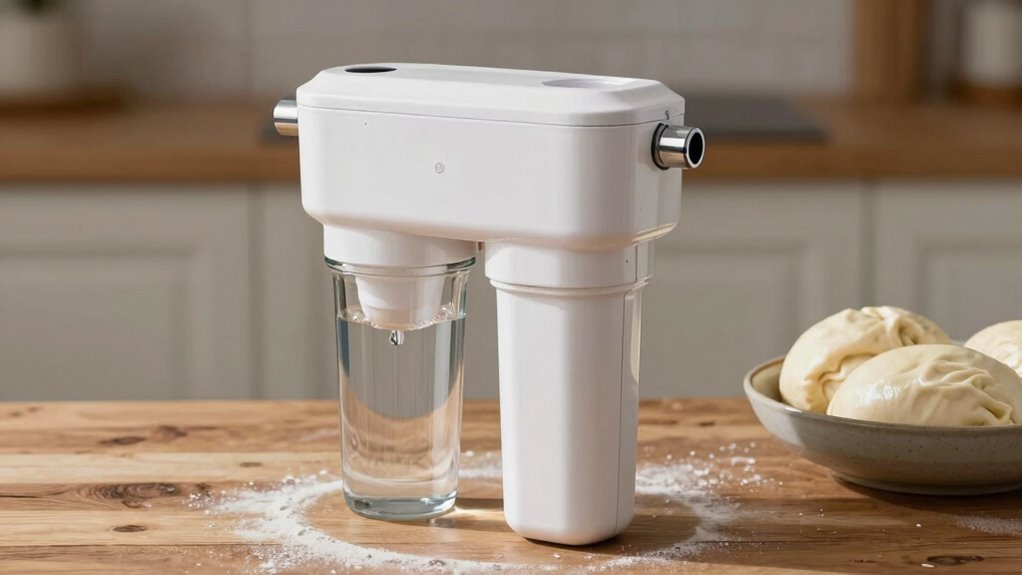
When you consider the quality of your drinking water, under-sink water filters offer a practical solution that fits seamlessly into your home. These systems provide an effective way to improve water quality right at the source, ensuring you and your family have access to clean, safe drinking water. One of the key advantages of under-sink filters is their filtration efficiency. They can remove a wide range of contaminants, including chlorine, lead, and sediment, which can affect both your health and the taste of your water.
The installation process for these filters is generally straightforward. Most systems come with clear instructions, and you can usually complete the setup in just a couple of hours. You’ll typically need basic tools, like a wrench and a screwdriver. Once installed, the filter sits snugly under your sink, allowing you to access filtered water directly from your tap. This convenience means you don’t have to deal with bulky pitchers or countertop units cluttering your kitchen. Incorporating easy-to-install systems can make upgrading your water filtration more accessible to everyone. Additionally, choosing a system with user-friendly features can simplify ongoing maintenance and filter replacement.
The installation of under-sink filters is easy, taking just a couple of hours and requiring minimal tools for a convenient, clutter-free solution.
Maintenance is key to keeping your filter working effectively. Regularly replacing the filter cartridges is essential for peak performance. Most manufacturers recommend changing them every six months to a year, depending on your water usage and the specific system you choose. Keeping an eye on any changes in water taste or flow rate can also signal that it’s time for a replacement. A little routine maintenance goes a long way in ensuring you continue to enjoy the benefits of taste improvement and contaminant reduction. Moreover, selecting a system with replacement indicator lights can help remind you when it’s time for maintenance, ensuring consistent performance. Regular performance monitoring can also help optimize the longevity of your filtration system and protect your water quality over time.
Speaking of taste improvement, many users report that water from an under-sink filter tastes noticeably better than tap water. This is particularly important if you’re using the water for cooking or making beverages. Clean, filtered water can enhance the flavor of your meals and drinks, making a significant difference in your overall culinary experience.
Moreover, using an under-sink filter can have a positive environmental impact. By opting for a filtration system instead of single-use plastic bottles, you’re reducing plastic waste and contributing to a more sustainable lifestyle. You’ll not only enjoy cleaner water but also feel good about your choice to minimize your ecological footprint. Additionally, incorporating water quality sensors into your home system can help monitor and maintain optimal water conditions, ensuring ongoing safety and efficiency. Regularly checking these sensors can help detect potential issues early, keeping your water safe and your system functioning at its best.
As an affiliate, we earn on qualifying purchases.
Frequently Asked Questions
How Often Should I Replace My Under-Sink Water Filter?
You should replace your under-sink water filter every 6 to 12 months, depending on the filter lifespan and your water usage. Keep an eye out for replacement indicators, like a drop in water flow or a change in taste or odor. Regular maintenance not only guarantees clean water but also prolongs the life of your plumbing. Staying on top of replacements helps keep your water quality at its best.
Can Under-Sink Filters Remove Heavy Metals?
Yes, under-sink filters can effectively remove heavy metals like lead and mercury. In fact, some filters boast up to 99% heavy metal removal efficiency, making them a great choice for ensuring clean drinking water. With the right filter, you’re not just improving taste but also protecting your health. If you’re concerned about contaminants, investing in a high-quality under-sink filter is a smart move for your home’s water safety.
Do Under-Sink Filters Affect Water Pressure?
Yes, under-sink filters can affect water pressure. When you install one, the filtration efficiency can lead to a slight drop in pressure, especially if the filter is clogged or needs replacing. However, many modern filters are designed to minimize this impact while still improving water quality. Keeping your filter maintained guarantees you get the best flow and taste without sacrificing pressure. Regular checks can help you maintain peak performance.
Are Under-Sink Filters Easy to Install?
Yes, under-sink filters can be easy to install. Imagine you’re a homeowner like Sarah, who tackled a DIY installation in just an afternoon. With various filter types available, you can choose one that fits your space requirements and budget. A cost comparison can help you find the best option, ensuring you get quality filtration without breaking the bank. Just follow the instructions, and you’ll have clean water in no time!
What Maintenance Is Required for Under-Sink Filters?
Maintaining under-sink filters is straightforward. You’ll need to replace the filter cartridges regularly, typically every six months to two years, depending on the filter’s lifespan. Keep an eye on the water flow; if it slows down, it’s time for a change. For installation tips, make sure you follow the manufacturer’s guidelines closely, and check for leaks after installation. Regular checks and timely replacements keep your filter working efficiently.
As an affiliate, we earn on qualifying purchases.
Conclusion
In the same way a baker carefully chooses the right ingredients for perfect dough, you should select an under-sink water filter to guarantee the best hydration for your family. Just as water transforms flour into a delicious loaf, filtered water enhances your health, making every sip a step towards wellness. Don’t underestimate the power of pure water—it’s the foundation of everything good, just like the dough that rises to become something extraordinary.
lead and chlorine removal water filter
As an affiliate, we earn on qualifying purchases.
As an affiliate, we earn on qualifying purchases.
easy install under sink water filter
As an affiliate, we earn on qualifying purchases.
As an affiliate, we earn on qualifying purchases.