
🔍 Read the full analysis: Choosing A Pizza Oven For Home: What Actually Matters on Mad Tasting

Get kitchen gear delivered free — and shop member deals
- Fast, free delivery on millions of items
- Access to Prime Big Deal Days deals on October 6–7
- Prime Video, Amazon Music and more included
TL;DR
Selecting the right home pizza oven depends on your cooking style, space, and preferences, not just maximum temperature. Factors like fuel type, heat recovery, and capacity are crucial for consistent, high-quality results. This guide helps you identify what really matters for your pizza-making needs.
Choosing a home pizza oven requires understanding what features impact the quality of your pizza and how you cook, not just chasing the highest advertised temperature. The key factors include fuel type, placement, heat control, capacity, and total cost of ownership. Most ovens are marketed with a focus on maximum temperature, but that number alone is not a reliable indicator of performance or pizza quality.
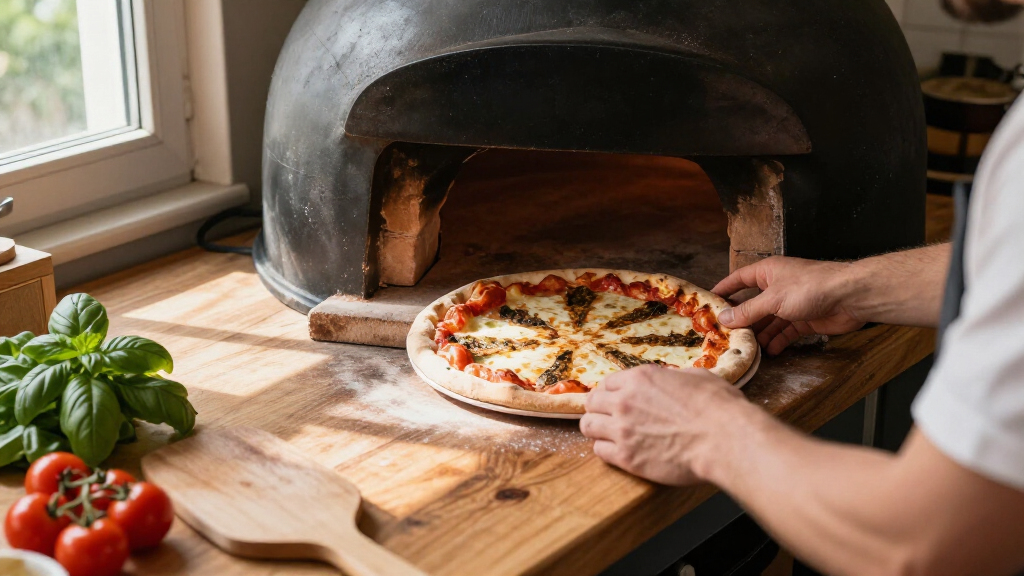
Most home pizza ovens fall into electric, gas, or wood categories, each suited to different usage scenarios. Neapolitan-style pizza enthusiasts should consider specialized ovens. Electric ovens are simple to operate, ideal for indoor use, and suitable for beginners, but generally do not reach the high temperatures needed for authentic Neapolitan-style pizza. Gas ovens heat quickly and offer precise control, making them popular for weeknight cooking, especially outdoors. Wood-fired ovens provide the traditional smoky flavor and are favored by enthusiasts willing to manage firewood, but they demand more effort, space, and cleanup. Multi-fuel options exist but tend to be more expensive and complex, often unnecessary for most home cooks.
Importantly, the advertised maximum temperature is rarely a meaningful measure of oven quality. What truly matters is how evenly the oven heats, how quickly it recovers after each pizza, and whether the heat can be controlled independently at the top and bottom. A high maximum temperature is useless if the oven cannot maintain even heat or recover fast enough for multiple pizzas in succession. Using a simple infrared thermometer to check the stone’s surface temperature and heat recovery can significantly improve your results. Learn more about outdoor pizza ovens for optimal baking.
Matching the oven to your preferred pizza style is crucial. For example, New York-style pizza requires different features compared to Neapolitan pies. Neapolitan pizzas require 750–900°F and a fast bake time of 60–90 seconds, while thicker, pan, or New York-style pies bake better at lower, steadier temperatures (around 450–550°F) over several minutes. Capacity is another key consideration: a small oven may suffice for one or two pizzas, but larger surfaces and fast heat recovery are essential for making multiple pies efficiently. The total cost of ownership also includes accessories like pizza peels, covers, and fuel, which can add up over time.
Choosing a Pizza Oven for Home: What Actually Matters
Peak temperature sells ovens — but even heat, fast recovery, and independent top/bottom control bake better pizza. Here’s how to choose based on how you actually cook.
Match the Fuel to Your Cooking Style
Electric
Simple to operate and ideal for indoor use — but generally can’t reach true Neapolitan temperatures.
- Best for: beginners, kitchens, casual bakes
- Trade-off: no authentic Neapolitan crust
- Effort: minimal cleanup
Gas
Heats quickly with precise control — the popular choice for weeknight cooking, especially outdoors.
- Best for: speed, repeatability, busy schedules
- Trade-off: no smoky wood flavor
- Effort: low — turn a dial
Wood-Fired
Traditional smoky flavor favored by enthusiasts — at the cost of effort, space, and cleanup.
- Best for: authentic flavor, hobbyists
- Trade-off: fire management + space
- Effort: highest of the three
Multi-fuel ovens?
They offer flexibility, but tend to be more expensive and complex — often unnecessary for most home cooks. Choose multi-fuel only if you genuinely enjoy managing different fuel types.
Match the Oven to Your Pizza Style
Different styles demand fundamentally different ovens. A Neapolitan machine is the wrong tool for a Detroit pan pie — and vice versa.
What Actually Matters (Beyond Max Temp)
Even Heat Distribution
Hot spots mean burnt crusts and cold toppings. Naples ovens are engineered around even heat — emulate that, not the box number.
Heat Recovery Speed
A 950°F peak is useless if the oven can’t reheat between pies. Fast recovery is essential for multiple pizzas in succession.
Independent Top/Bottom Control
Separate control of deck and ceiling heat lets you balance crust browning against topping melt — the mark of a truly controllable oven.
Capacity for Your Crew
A small oven works for one or two pizzas. For family pizza night, a larger surface plus fast recovery means less waiting between pies.
Your Decision Path, Step by Step
Pick Your Style
Neapolitan (hot & fast) or NY/pan (lower & steadier)? This single choice narrows everything.
Choose Fuel
Indoor simplicity (electric), weeknight speed (gas), or traditional flavor (wood)?
Verify Real Performance
Test stone temps with an infrared thermometer; check recovery and evenness, not the box spec.
Count Total Cost
Budget for peels, covers, and fuel — the oven price is only the start of ownership.
Fuel Type Comparison at a Glance
| Criterion | Electric | Gas | Wood | Multi-Fuel |
|---|---|---|---|---|
| Indoor Use | ✓ Yes | ✗ No | ✗ No | ✗ No |
| Heat-Up Speed | ~ Moderate | ✓ Fast | ~ Moderate | ~ Varies |
| Neapolitan Capability | ✗ Rarely | ✓ Yes | ✓ Excellent | ✓ Yes |
| Smoky Flavor | ✗ None | ✗ None | ✓ Signature | ✓ Optional |
| Effort & Cleanup | ✓ Minimal | ✓ Low | ✗ High | ~ High |
| Price Trend | ✓ Budget | ✓ Mid | ~ Mid–High | ✗ Premium |
Key Questions, Answered
Is maximum temperature the most important factor?
No. Even heat distribution, heat recovery, and independent top/bottom control matter far more than the peak number on the box.
Electric, gas, or wood-fired?
It depends on space, style, and effort tolerance: electric is simple indoors, gas is quick and precise outdoors, wood delivers tradition with more work.
How do I test if my oven heats evenly?
Use an infrared thermometer on the stone’s surface. Look for hot spots and confirm the oven recovers quickly after each bake.
What size for family pizza night?
Choose a larger cooking surface if you bake multiple pizzas regularly — bigger capacity means less waiting between pies.
Are multi-fuel ovens worth the extra cost?
They can be — if you want flexibility and enjoy managing different fuels. For casual home cooks, the added cost and complexity usually aren’t justified.
The Takeaway
Prioritize proven performance — adjustable top and bottom heat, good recovery, even surface temperatures, verified with a thermometer — over flashy specs. Smart controls and better insulation are coming, but proven features bake better pizza today.
Why Choosing the Right Oven Impacts Your Pizza Quality
The right oven directly influences the flavor, texture, and consistency of your homemade pizza. An oven that heats evenly and recovers quickly allows for better control over crust browning and topping melting, leading to more professional results. Conversely, a poorly chosen oven can result in uneven cooking, burnt crusts, or cold toppings, turning pizza making into a frustrating experience. For enthusiasts and casual cooks alike, understanding what features truly matter can save money and time, and elevate home pizza from a weekend project to a weekly ritual.
As an affiliate, we earn on qualifying purchases.
Understanding the Evolution of Home Pizza Ovens
Over the past decade, the market for home pizza ovens has expanded significantly, driven by increased interest in gourmet cooking and outdoor entertaining. Early models were simple electric or basic gas units, but recent innovations include multi-fuel options, advanced heat controls, and larger capacities. Professional pizzerias have long prioritized heat distribution, recovery, and control, and these principles are now accessible to consumers. Despite this, many guides still emphasize maximum temperature as the primary metric, which can be misleading. The trend now favors a more nuanced approach, focusing on how well an oven performs in real-world conditions rather than peak specs alone.
In Naples, where traditional pizza-making is a centuries-old craft, ovens are built for even heat distribution and rapid recovery, often at around 850°F. Home cooks can emulate these conditions with the right equipment and understanding, but it requires more than just a high number on the box. Recognizing the importance of heat consistency and control is a recent shift in consumer awareness, driven by expert advice and real-world testing.
As an affiliate, we earn on qualifying purchases.
What Aspects of Home Pizza Ovens Are Still Unclear
While the importance of heat recovery, evenness, and control is well established, there is still limited independent testing comparing different models across various scenarios. The actual durability of multi-fuel ovens and long-term cost of ownership, including maintenance and fuel expenses, are not fully documented. Additionally, user preferences vary widely, making it difficult to prescribe a single ideal solution for all home cooks. More research is needed to quantify how different features impact real-world pizza quality over time and varied conditions.
As an affiliate, we earn on qualifying purchases.
Next Steps for Consumers and Manufacturers
Consumers should focus on ovens with adjustable top and bottom heat, good heat recovery, and even surface temperatures, verified with a thermometer. Manufacturers are likely to continue refining heat control technology, improve insulation, and offer larger capacities tailored for home use. Future developments may include smarter controls, better insulation, and multi-fuel versatility, but buyers should prioritize proven performance features over flashy specs. As awareness grows, more independent testing and reviews will help guide informed choices.
As an affiliate, we earn on qualifying purchases.
Key Questions
Is maximum temperature the most important factor when choosing a pizza oven?
No, maximum temperature alone is not a reliable indicator of oven quality. More important are even heat distribution, heat recovery, and independent control of top and bottom heat.
Should I choose an electric, gas, or wood-fired oven?
It depends on your space, cooking style, and willingness to manage fire. Electric ovens are simple indoors, gas offers quick and precise heating outdoors, and wood provides traditional flavor but requires more effort and space.
How can I test if my oven heats evenly?
Use an infrared thermometer to measure the surface temperature of the stone or baking surface. Check for hot spots and ensure the oven recovers quickly after a pizza is baked.
What size oven should I buy for a family pizza night?
Choose an oven with a larger cooking surface if you plan to make multiple pizzas regularly. Larger capacity allows for more efficient cooking and less waiting between pies.
Are multi-fuel ovens worth the extra cost?
They can be, if you want flexibility and enjoy managing different fuel types. However, they tend to be more expensive and complex, which may not suit casual home cooks.
Source: Mad Tasting
Halloween Picks
halloween
As an affiliate, we earn on qualifying purchases.