TL;DR
Organizing professionals recommend clearing 12 categories of kitchen clutter before Thanksgiving to free counter, cabinet and refrigerator space. Their advice is to remove damaged, expired or unused items without turning the task into a full pantry reorganization.
Organizing experts are recommending a quick kitchen declutter before Thanksgiving, focusing on 12 kinds of items that can take up space or complicate cooking, serving and storing leftovers. The list includes expired baking supplies, damaged cookware, mismatched food containers and worn-out pot holders, with the advice to make a targeted edit rather than reorganize the entire kitchen.

Get kitchen gear delivered free with Prime
- Fast, free delivery on millions of items
- Prime Video, Amazon Music and more included
- Member-only deals all year
Ann Lightfoot, cofounder of DDH Home Organizing & Move Management, says holiday cooking puts extra pressure on counter, refrigerator and cabinet space. A short clear-out can make it easier to locate tools and leave room for ingredients and guests’ contributions, she said. Lightfoot cautioned against turning the task into a large-scale pantry project: the immediate goal is usable workspace, not a picture-perfect kitchen.
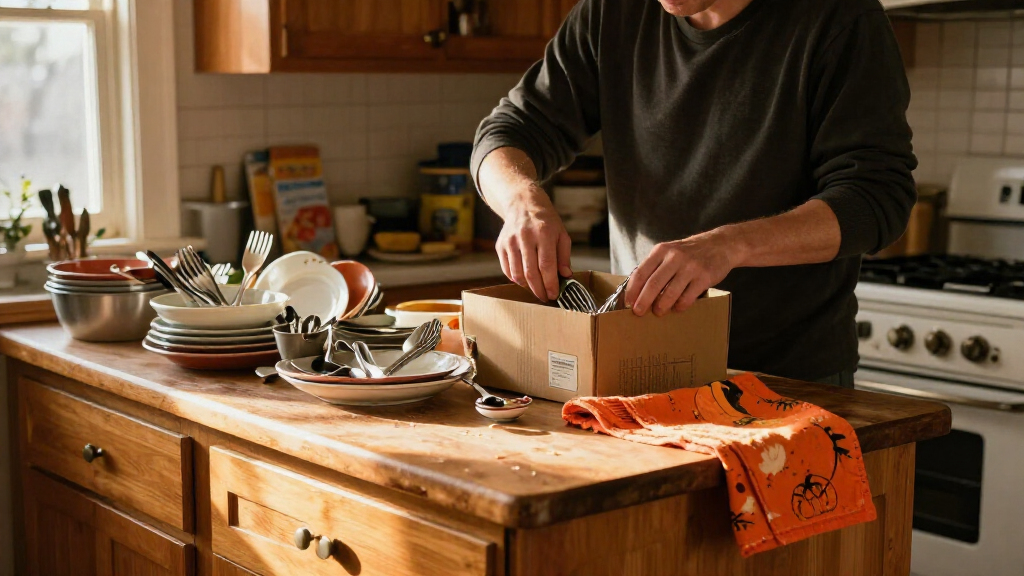
The suggested purge covers expired spices and baking staples; chipped or cracked glassware; leftover holiday paper goods; old condiments and unidentified jars; serving pieces that have gone unused; duplicate utensils; candle stubs and tired table linens; and food containers without matching lids. The remaining categories are countertop appliances that have sat unused, scratched or warped pans, takeout clutter, and worn towels or pot holders.
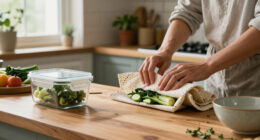
Other organizers offered practical tests for deciding what to keep. Laura Kinsella, founder of Urban OrgaNYze, recommends matching storage containers with their lids and removing pieces that are cracked, warped or unmatched. Amelia Meena, owner of Appleshine, Organization + Design, suggested considering whether large kitchen items have been used during the past two or three holiday seasons. For towels and pot holders, Lightfoot said thin or damaged pieces should be removed; old towels can be repurposed as cleaning rags.
Is Your Kitchen Ready for Thanksgiving? 12 clutter categories to clear
Organizing professionals recommend a focused kitchen edit before the holiday. Make room to cook and store leftovers without taking on a full pantry reorganization.
Clear what no longer works
Start with expired, damaged, unmatched or unused items taking up valuable space.
Check pantry and fridge
Review expired spices and baking staples, old condiments, unidentified jars, and containers without matching lids.
Remove unfit equipment
Look for chipped glassware, flaking or warped pans, duplicate utensils, and countertop appliances that sit unused.
Edit serving supplies
Sort leftover holiday paper goods, unused serving pieces, candle stubs, tired linens, takeout clutter, and worn towels or pot holders.
Make a quick, useful pass
Focus on the spaces that will be busiest during meal preparation and cleanup.
Check dates and clear old or unidentified items from the refrigerator and storage areas.
Pair each container with its lid, then remove cracked, warped or unmatched pieces.
Review cookware, utensils, appliances, towels and pot holders for damage or lack of use.
Keep the edit personal
Use household needs and safety to guide decisions, rather than chasing a perfect-looking kitchen.
- Items that are expired, damaged or no longer useful.
- Large pieces that have gone unused for years.
- Thin pot holders and cookware with failing surfaces.
- Tools and serving pieces your household uses.
- Heirlooms with personal meaning.
- Usable essentials needed for the meal.
More Room for Holiday Cooking
The recommendations address a practical seasonal problem: Thanksgiving meals require room to prepare dishes, store ingredients and manage food after the meal. Clearing out unusable or unneeded items can free space without requiring new storage systems or a major renovation. It may also help avoid last-minute searches for basic tools and suitable containers when the kitchen is busy.
Some items also raise functional concerns, not just clutter concerns. Lightfoot cautioned that flaking nonstick coatings and badly warped pans can make cooking more difficult, while thin pot holders may not adequately protect hands when handling hot cookware. The advice is to replace items that are no longer fit for use, rather than keeping them simply because they are already in the kitchen.
The list is guidance from organizing professionals, not a formal food-safety standard or a rule that every household should discard the same things. What counts as excess depends on the kitchen, the number of guests and the equipment a household actually uses. Its main point is to make room by editing before organizing.
Products Worth Considering

Weber Lumin Portable Electric Grill, Black

Instant Pot Pro 8-Quart 10-in-1 Electric Pressure Cooker, Black

De'Longhi La Specialista Touch Semi-Automatic Espresso Machine with Grinder
As an affiliate, we earn on qualifying purchases.
A Short Edit, Not a Full Reset
The experts’ approach is to prioritize the spaces most likely to be under pressure during holiday meal preparation: work surfaces, the refrigerator and kitchen storage. Lightfoot said labels and matching containers can wait until January, arguing that a brief pass through the kitchen is more manageable than beginning an extensive organizing project shortly before the holiday.
The checklist also distinguishes between items that are merely surplus and those that are damaged or past their useful life. A duplicate peeler may be unnecessary, while an expired baking ingredient or a pot holder too thin for safe handling presents a different concern. For serving pieces and appliances, the advice is to consider whether they are genuinely used, while preserving heirlooms that carry personal meaning.
““You don’t need a Pinterest-perfect pantry. You need room to work.””
— Ann Lightfoot
What the Checklist Cannot Decide
The recommendations do not specify how much space a household will gain or how long the suggested clear-out will take overall. The 10-minute estimate applies to matching food-storage containers, not necessarily to all 12 categories. There is also no universal threshold for what counts as too many utensils or unused serving pieces; those decisions depend on household needs and preferences.
The advice does not include a detailed method for disposing of expired food, cookware or small appliances, and it does not identify local recycling or donation options. Readers will need to check local rules and the condition of items before deciding whether to discard, recycle or donate them.
Make a Focused Pre-Holiday Pass
The next step is a brief pass through the kitchen, beginning with the refrigerator and storage areas where holiday food and leftovers will need space. Check dates on spices and baking staples, remove unidentifiable jars, and match container lids before deciding what can go. Then review cookware, tools, linens and appliances for damage or lack of use.
Replace any essential item that is no longer usable before cooking begins, and set aside suitable working appliances or serving pieces that are simply misplaced. The experts’ advice is to stop once the kitchen has the space and functional tools needed for the meal; a broader pantry overhaul can wait.
Key Questions
Which kitchen items should I clear out before Thanksgiving?
The checklist names 12 categories: expired spices and baking staples, damaged glassware, leftover holiday paper goods, old or unidentified condiments, unused serving pieces, duplicate utensils, tired candles and linens, unmatched food containers, unused countertop appliances, damaged pans, takeout clutter, and worn towels or pot holders.
Do I need to reorganize my entire pantry?
No. Ann Lightfoot recommends a quick edit focused on usable space, rather than a full organizing project. Labels and matching containers can wait until after the holiday.
How should I handle unmatched food-storage containers?
Match each container with its lid, then remove pieces that are cracked, warped or missing a match, according to organizer Laura Kinsella. She suggests setting aside about 10 minutes for this task.
When should I replace cookware or pot holders?
Lightfoot recommends replacing nonstick pans with flaking coatings and sheet pans that are warped beyond saving. She also advises removing thin or worn pot holders that may not be suitable for handling hot cookware.
Should I get rid of serving pieces I rarely use?
Nikki Boyd suggests letting go of pieces that have not been used for years, while keeping heirlooms with personal stories. The decision depends on what your household uses and values.
Source: housebeautiful.com