
Kitchen air quality monitors help you track VOC levels, measured in parts per billion (ppb). If you see readings above recommended levels, it means you need to improve ventilation—like opening windows or using exhaust fans. High VOC levels can lead to headaches and respiratory issues, so staying aware is key. Monitoring empowers you to manage your cooking environment better, ensuring a healthier space. Want to discover more about enhancing your kitchen air quality?

Get kitchen gear delivered free with Prime
- Fast, free delivery on millions of items
- Prime Video, Amazon Music and more included
- Member-only deals all year
Key Takeaways
- VOC readings in parts per billion (ppb) indicate the concentration of indoor pollutants, with higher levels requiring improved ventilation.
- Recommended VOC levels help assess air quality; exceeding them suggests immediate actions like opening windows or using exhaust fans.
- Chronic exposure to high VOC levels can lead to health issues, emphasizing the importance of monitoring air quality regularly.
- Real-time feedback from monitors aids in making informed decisions about kitchen ventilation and overall air quality management.
- Smartphone integration allows for remote monitoring, enhancing awareness and promoting proactive health measures in the kitchen.
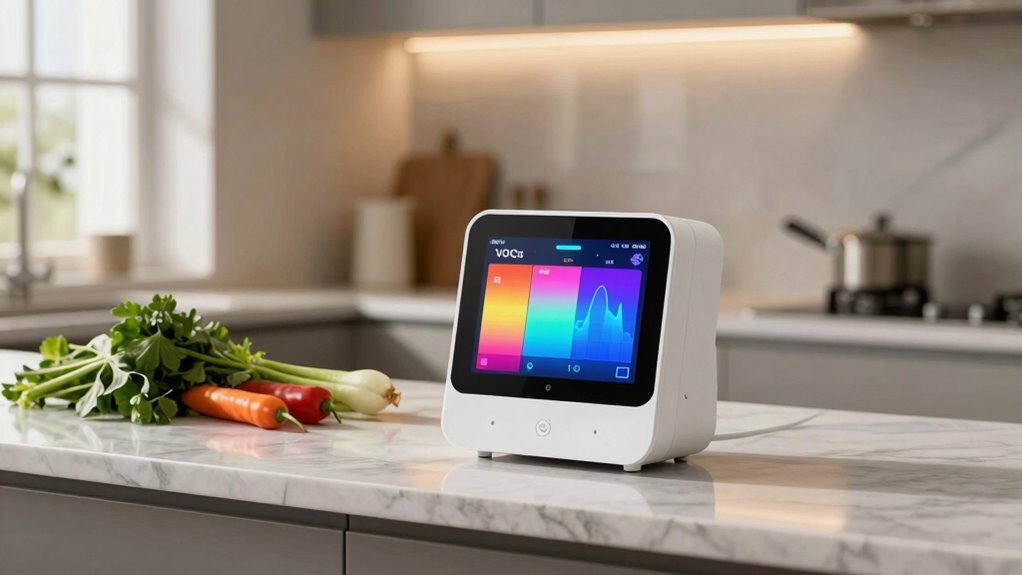
When you’re cooking, the last thing on your mind might be the air quality in your kitchen, but it’s essential for your health. Poor air quality can lead to a range of health issues, from headaches to respiratory problems. That’s where kitchen air quality monitors come into play. These devices use advanced sensor technology to track volatile organic compounds (VOCs) and other indoor pollutants, ensuring you’re aware of your cooking environment.
Cooking air quality is vital for your health; kitchen monitors track harmful VOCs, ensuring a safe cooking environment.
With the rise of open-concept living spaces, your kitchen often shares air with your living area. Cooking releases various VOCs from ingredients, cleaning products, and even the cookware you use. When these compounds accumulate, they can negatively impact your health and comfort. By using a kitchen air quality monitor, you can keep an eye on these levels and take action if they rise too high.
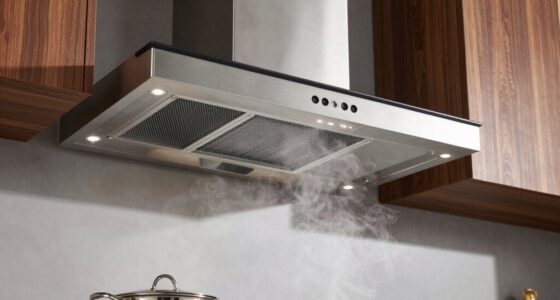
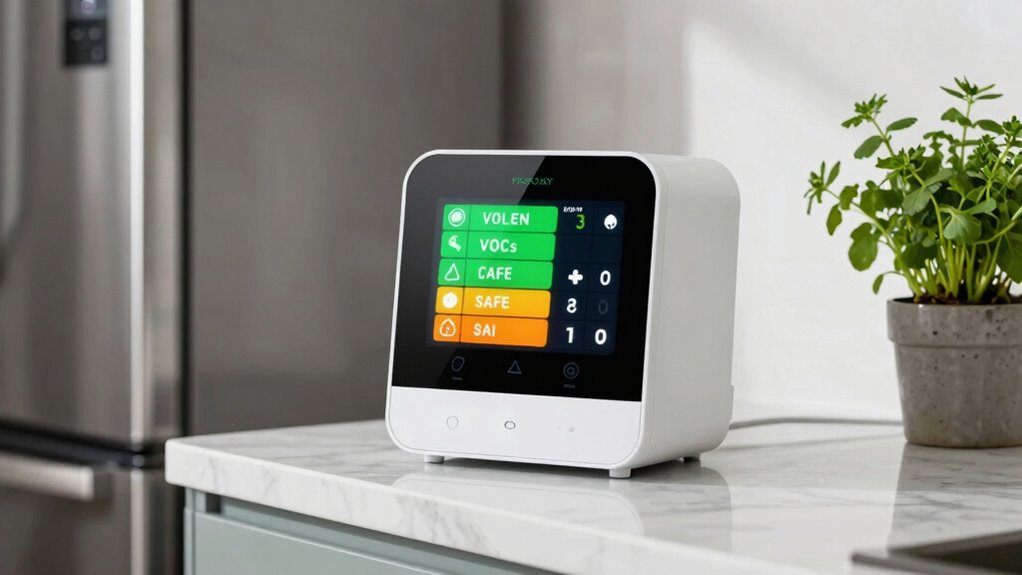
You might wonder what those VOC readings actually mean. Typically, a monitor will display levels in parts per billion (ppb), giving you a clear picture of how many VOCs are present in the air. If you see readings that exceed recommended levels, it’s a signal to improve ventilation. Opening windows, using exhaust fans, or even stepping outside for a moment can help clear the air. Understanding indoor air pollutants and their implications can help you better assess your indoor environment and take proactive steps for improvement.
Keep in mind that not all indoor pollutants are visible. You may not notice the effects of low air quality right away, but over time, these pollutants can lead to chronic health issues. A kitchen air quality monitor provides real-time feedback, helping you create a healthier cooking environment. It empowers you to make informed decisions about when to ventilate and how to manage your kitchen space. Additionally, the accuracy of VOC readings is crucial for making effective health decisions.
Furthermore, understanding VOC levels and their implications can help you better assess your indoor environment and take proactive steps for improvement. Incorporating one of these monitors into your kitchen isn’t just about convenience; it’s about prioritizing your well-being. As you cook, you’ll gain peace of mind knowing that you’re monitoring the air you breathe. Modern devices often include features like smartphone integration, allowing you to check readings remotely and stay informed no matter where you are.
As an affiliate, we earn on qualifying purchases.
Frequently Asked Questions
How Do VOCS Affect My Health Over Time?
Long-term exposure to VOCs can seriously impact your health. You might experience respiratory issues, headaches, or fatigue. Over time, these chemicals can lead to more severe conditions like asthma or even damage to your liver and kidneys. It’s essential to minimize your exposure by improving ventilation and using air purifiers. Staying informed about the sources of VOCs in your environment can help you protect your health in the long run.
Can Cooking Methods Influence VOC Levels in My Kitchen?
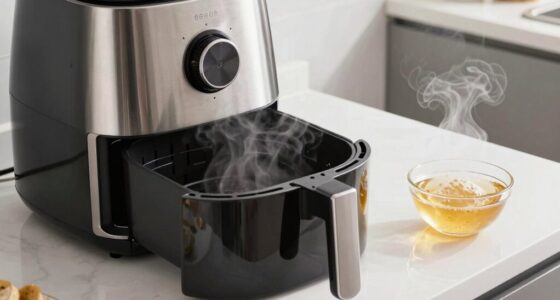
Absolutely, your cooking methods can greatly influence VOC levels in your kitchen. Imagine sautéing garlic in a hot pan; that delicious aroma can also release harmful compounds. Different cooking techniques, like frying or grilling, produce more VOCs than boiling or steaming. Plus, if your ventilation system isn’t up to par, those pollutants linger longer. So, consider how you cook and guarantee proper airflow to keep your kitchen air clean and fresh.
Are There Specific VOCS I Should Be Particularly Concerned About?
Yes, there are specific VOCs you should be concerned about, like formaldehyde, benzene, and toluene. These often come from common sources such as cooking oils, cleaning products, and even certain food packaging. When you cook, these compounds can increase in your kitchen air. Keeping an eye on these VOCs can help guarantee a healthier cooking environment, so consider using ventilation and being mindful of the products you choose.
How Often Should I Calibrate My Air Quality Monitor?
Think of your air quality monitor like a compass; it needs to be calibrated to point you in the right direction. You should calibrate your monitor every six months, especially if you’re using different sensor types. If you’ve got a monitor that detects various VOCs, regular calibration guarantees accurate readings. Just like checking your compass before heading into the woods, keeping your monitor calibrated keeps your air quality insights reliable and trustworthy.
What Is the Best Way to Reduce VOCS in My Kitchen?
To reduce VOCs in your kitchen, focus on effective ventilation strategies and air purification. Open windows while cooking to let fresh air circulate, and consider using exhaust fans to remove contaminants. Adding indoor plants can also help improve air quality. For air purification, invest in a HEPA filter or activated carbon filter to trap harmful particles. Regularly clean surfaces and avoid using products with high VOC content to maintain a healthier environment.
As an affiliate, we earn on qualifying purchases.
Conclusion
In your kitchen, air quality monitors are like vigilant guardians, keeping an eye on the invisible threats of VOCs. Understanding these readings helps you create a safe cooking environment, ensuring every meal is as healthy as it is delicious. By staying informed, you’re not just protecting yourself; you’re nurturing your home. So, trust your monitor, adjust your habits, and breathe easier knowing you’re taking steps toward cleaner air in your culinary haven.
As an affiliate, we earn on qualifying purchases.
air quality monitor with smartphone app
As an affiliate, we earn on qualifying purchases.
As an affiliate, we earn on qualifying purchases.
Halloween Picks
halloween
As an affiliate, we earn on qualifying purchases.