
TL;DR

Get kitchen gear delivered free with Prime
- Fast, free delivery on millions of items
- Prime Video, Amazon Music and more included
- Member-only deals all year
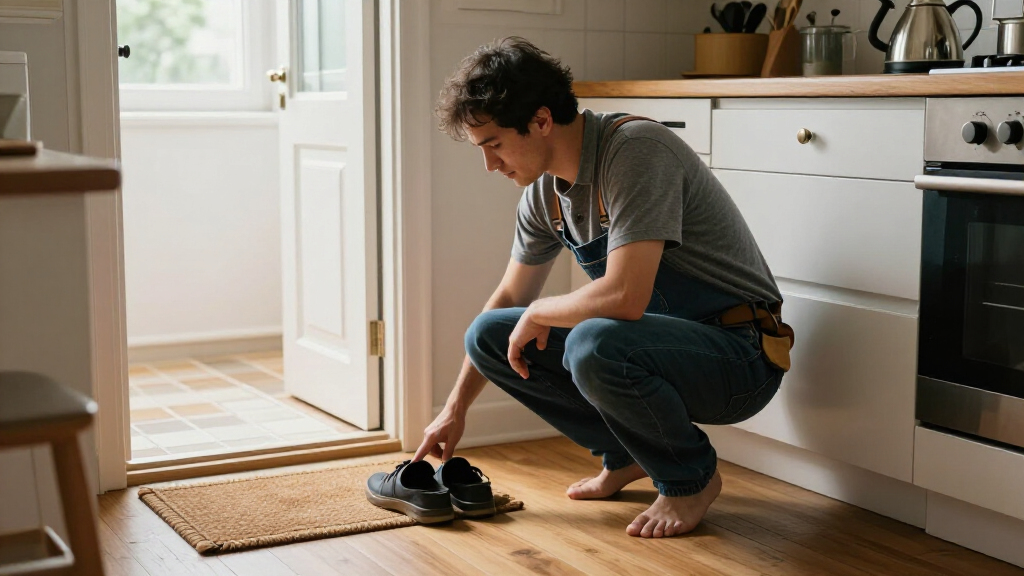
Good Housekeeping Institute analyst Noah Pinsonnault says shoes worn indoors can bring dirt and grit onto floors and may contribute to scratches over time. A Bona survey of 1,000 adults with hardwood flooring found 70% favor a shoes-off rule, though the report does not establish a universal household standard or measure health effects.
Good Housekeeping Institute cleaning analyst Noah Pinsonnault says wearing outdoor shoes inside can bring dirt, grit and other debris onto floors and may contribute to surface wear. The report also cites a Bona survey of 1,000 adults with at least one hardwood-floored room: 70% said they fall into the shoes-off camp, though the survey does not settle the question for every home or establish a health risk.
Pinsonnault, the institute’s home care and cleaning reviews analyst, said shoes can carry dirt, grit and debris from outside onto indoor floors, adding to cleaning work. He also said abrasive particles, including sand and small stones caught in soles, can scratch and wear flooring over time, particularly hardwood. The report does not quantify how much damage different shoes cause or how quickly it occurs.
The article cites a survey commissioned by Bona, a floor-care products company, of 1,000 adults who have at least one room with hardwood flooring. According to the survey results reported by Good Housekeeping, 81% said removing shoes makes for a cleaner home; 44% said they always or typically ask visitors to remove their shoes; and 65% said they were concerned about shoes bringing dirt and germs into their home. Those figures describe respondents’ answers, not a measurement of contamination or illness.
The report’s author says she removes her shoes at home and has taught her children to do the same. She also says she would not necessarily ask guests to remove footwear at a large party, illustrating that household rules can depend on the occasion. The piece presents a practical cleaning recommendation, not a formal public-health directive.
Less Floor Dirt, Fewer Scratches
A shoes-off habit may reduce the amount of outdoor grit tracked across floors and could limit one source of abrasive wear, especially on hardwood. For households, that can mean less routine cleaning and potentially less avoidable surface damage. Pinsonnault’s comments describe plausible cleaning and maintenance concerns; the report provides no estimate of cost savings, damage rates or health benefits.
The survey findings also show that shoe rules are common among the particular group polled, but they do not mean every household follows the same practice. People may weigh cleanliness and floor care against comfort, accessibility, guest expectations and the type of flooring in their home.
As an affiliate, we earn on qualifying purchases.
How the Survey Frames the Debate
The supplied report is a household-cleaning article by Good Housekeeping home design director Monique Valeris. It combines an interview with a Good Housekeeping Institute analyst and results from a Bona-commissioned survey. The respondents were adults with at least one room featuring hardwood floors, so the findings should not be read as a poll of all Americans or all types of homes.
The survey reported that 70% fell into the shoes-off camp, while 44% said they always or typically ask visitors to follow that practice. The report gives no survey field dates, margin of error, sampling method or further breakdown of answers. Its figures therefore provide a snapshot of respondents’ reported attitudes, rather than a definitive measure of national behavior.
indoor shoe covers for hardwood floors
As an affiliate, we earn on qualifying purchases.
As an affiliate, we earn on qualifying purchases.
What the Findings Do Not Show
The report does not provide the survey’s field dates, sampling details or margin of error, and it does not say whether respondents’ answers were independently verified. It also does not compare dirt levels in homes where shoes are worn indoors with those where they are removed.
Although respondents reported concern about germs, the material does not establish that indoor shoes cause illness or show how much they contribute to germs in a home. The degree of floor wear will also depend on factors not assessed in the report, including footwear, flooring type, particle levels and cleaning routines. No universal rule for guests or households is presented.
floor scratch protectors for hardwood
As an affiliate, we earn on qualifying purchases.
As an affiliate, we earn on qualifying purchases.
A Household Choice, Not a Mandate
The supplied article reports no planned follow-up study, product test or policy change. Its practical takeaway is to decide whether a shoes-off routine fits the household’s cleaning preferences and floors, while recognizing that the cited survey describes opinions rather than proving a single best rule for every home.
Readers looking for stronger conclusions about health effects or the amount of floor damage would need evidence beyond what the report provides. For now, the article’s advice rests on the cleaning analyst’s explanation of tracked debris and potential abrasion, paired with respondents’ stated habits and concerns.
shoe cleaning brushes for outdoor shoes
As an affiliate, we earn on qualifying purchases.
As an affiliate, we earn on qualifying purchases.
Key Questions
What does the cleaning analyst recommend?
Noah Pinsonnault says shoes can bring dirt, grit and debris indoors and may contribute to floor wear. The report supports considering a shoes-off habit but does not describe it as a universal requirement.
How many survey respondents favored removing shoes?
In the Bona survey cited by Good Housekeeping, 70% of 1,000 adults with at least one hardwood-floored room fell into the shoes-off camp. The report does not provide the survey’s field dates or margin of error.
Does the report prove that indoor shoes spread illness?
No. The survey found that 65% of respondents were concerned about shoes bringing dirt and germs into their homes, but the report does not measure illness or establish a health effect.
Can shoes damage hardwood floors?
Pinsonnault says abrasive particles such as sand and small stones in shoe soles can scratch and wear flooring over time, particularly hardwood. The report does not quantify how much damage occurs or how quickly.
Does the report say hosts must ask guests to remove shoes?
No. The author says she would not necessarily ask guests to remove shoes at a large party. The report treats guest rules as a household preference, not a mandate.
Source: rss
Halloween Picks
halloween
As an affiliate, we earn on qualifying purchases.