
TL;DR

Get kitchen gear delivered free with Prime
- Fast, free delivery on millions of items
- Prime Video, Amazon Music and more included
- Member-only deals all year
A House Beautiful report citing professional cleaners lists seven things to avoid cleaning with a Magic Eraser: stainless steel, car paint, nonstick cookware, stone countertops, hardwood floors, electronic screens and skin. The concern is abrasion, which may scratch or dull finishes, damage coatings or irritate skin; the extent of harm depends on the surface and use.
A House Beautiful report citing professional cleaners advises against using Magic Erasers on seven surfaces or materials, including car paint, nonstick cookware, electronic screens and skin. The warning is that the melamine-foam sponge cleans through friction, which can abrade finishes and coatings or irritate skin rather than simply lift dirt.
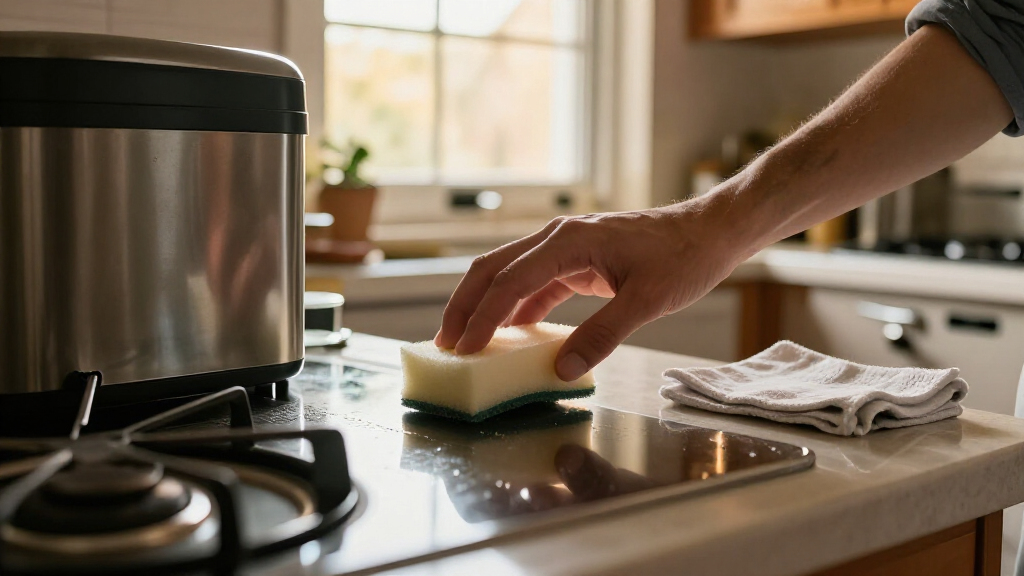
The report describes Magic Erasers as sponges made of melamine foam. Cleaning expert Sofia Martinez, CEO of Sparkly Maid Austin, says their structure lifts scuffs, grime and marks through physical friction. That abrasive action may work on some marks, but the cleaners interviewed caution that it can also affect delicate surfaces.
The seven items they advise keeping the sponge away from are stainless steel, car paint, nonstick cookware, stone countertops, hardwood floors, electronic screens and skin. Potential problems cited include fine scratches, dull or uneven finishes, weakened nonstick coatings, screen haze and skin irritation. The report does not say damage occurs every time; risk can depend on the material, its finish and how the sponge is used.
For alternatives, the experts recommend matching the cleaning method to the item: soap and water with a microfiber cloth for stainless steel, car soap and a microfiber mitt for vehicle paint, and nonabrasive methods for nonstick pans. For stone, they suggest a cleaner made for that surface; for wood floors, the maker’s care instructions and an approved cleaner. Screens should be cleaned with methods suitable for their coatings, while Magic Erasers should not be used on skin.
Abrasion Can Damage Delicate Finishes
The advice matters because a product marketed and commonly treated as a versatile spot cleaner can work by physical abrasion, not by dissolving dirt alone. That means a mark may disappear while the finish beneath it is dulled, scratched or worn. Such changes can be hard to reverse, particularly if a nonstick coating or protective surface treatment is compromised.
The potential consequences vary: a screen may develop visible haze, a polished counter may reflect light unevenly, or a wood floor’s finish may wear. On cookware, damage to the coating can affect the surface’s nonstick performance. Avoiding an abrasive sponge on these items and choosing a suitable cleaner can reduce the risk of costly replacement or repairs. The report does not quantify how often this damage happens.
Products Worth Considering

Cuisinart Stainless Steel Bread Maker, 12 Programs, 2 lb Capacity

Breville Smart Grinder Pro Conical Burr Coffee Grinder, Brushed Stainless Steel

Breville Bambino Espresso Machine, Brushed Stainless Steel
As an affiliate, we earn on qualifying purchases.
How Melamine Foam Cleans
The report frames the warning as practical guidance from cleaners consulted by House Beautiful, rather than as a product recall or new safety alert. Martinez explains that melamine foam’s structure removes some marks through friction. That mechanism is the reason the sponge can work where a microfiber cloth may not, and the same friction is why the experts advise caution on delicate finishes.
The seven recommendations are not identical: some involve preserving appearance, such as avoiding scratches on stainless steel or paint; others concern coatings and personal contact. House Beautiful’s report recommends using product-specific care directions where available. It does not provide laboratory testing, comparisons between Magic Eraser brands, or a universal assessment of every surface type.
“A Magic Eraser is a cleaning sponge made from melamine foam.”
— Sofia Martinez, cleaning expert and CEO of Sparkly Maid Austin
Damage Risk Varies by Surface
The report does not specify how much pressure or repeated use would be required to damage each material, nor does it establish that every use will cause visible harm. It also does not identify a single safe method for every brand or finish. Surface coatings, manufacturer instructions and the condition of the item may affect the outcome. For stone, wood floors, cookware and electronics, the report points readers toward cleaners or care guidance intended for that material rather than offering a one-size-fits-all recipe.
Check Care Guidance Before Cleaning
Before spot-cleaning, identify the material and check its manufacturer’s care instructions. Use a cleaner and soft cloth or pad that the maker recommends, and avoid testing an abrasive sponge on a visible or delicate area. The House Beautiful report offers general expert guidance; it does not announce a change in product instructions or a formal safety investigation.
Key Questions
Which seven things should not be cleaned with a Magic Eraser?
The experts cited by House Beautiful advise against using one on stainless steel, car paint, nonstick cookware, stone countertops, hardwood floors, electronic screens or skin.
Why can a Magic Eraser damage surfaces?
Cleaning expert Sofia Martinez says melamine foam lifts marks through physical friction. That abrasion may also scratch or dull a finish, affect a coating or leave a screen hazy.
What should I use on a stone countertop instead?
Professional cleaner Kadi Dulude recommends a cleaner formulated for stone and a microfiber cloth. Check the countertop maker’s care instructions as well.
Can a Magic Eraser be used on skin?
No. Derek Christian warns that its abrasive surface can cause irritation or friction burns and may remove layers of skin.
Source: rss