

To avoid a tangy surprise when substituting Greek yogurt, opt for milder alternatives like mashed bananas, avocados, or dairy-free options like coconut cream or cashew yogurt. If using Greek yogurt, balance the tang with sweeteners such as honey or fruit, and add creamy ingredients like whipped cream or cooked apples. Adjust textures and flavors gradually for the best results. Keep exploring, and you’ll discover more tips to perfect your recipes without the tang.
Key Takeaways
- Incorporate sweeteners like honey or fruit purees to offset Greek yogurt’s tanginess.
- Use milder, creamy alternatives such as mashed bananas, cooked apples, or avocado.
- Blend Greek yogurt with milk or cream to dilute its acidity and smooth the flavor.
- Choose plant-based substitutes like coconut cream or cashew yogurt for a milder profile.
- Taste and adjust the recipe gradually to ensure the tang is balanced without overpowering flavors.
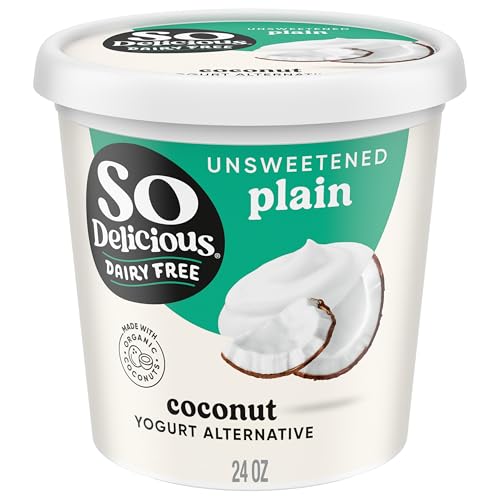
So Delicious Dairy Free Coconut Milk Yogurt Alternative, Unsweetened, Plain, Vegan, Gluten Free, Non-GMO, Creamy Plant Based Yogurt Alternative, 24 oz Container
A CREAMY DELIGHT: Enjoy our unsweetened plain coconutmilk yogurt alternative on its own or with your favorite toppings,…
As an affiliate, we earn on qualifying purchases.
As an affiliate, we earn on qualifying purchases.
Why Is Greek Yogurt Tangy and How Does That Affect Your Recipes?
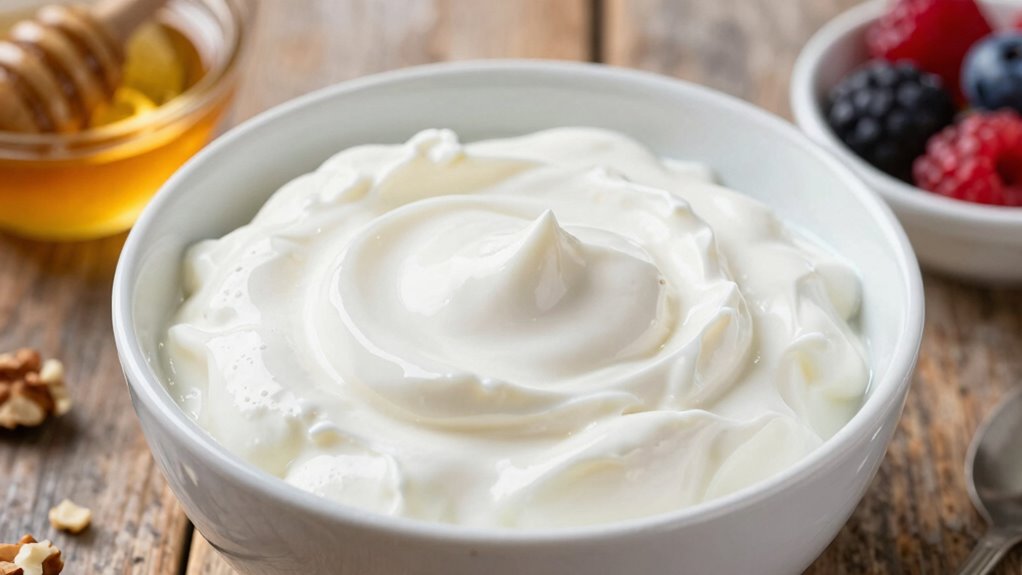
Have you ever wondered why Greek yogurt has such a distinct tang? That tang results from the fermentation process, which produces lactic acid, giving it that sharp flavor. This tang can influence your recipes, sometimes overshadowing other ingredients. To counteract this, sweetness balancing is key; adding a touch of honey or fruit can mellow the tang without masking the yogurt’s natural qualities. The tanginess also affects how Greek yogurt interacts with other flavors, so understanding its sharpness helps you decide when it’s the right fit. If you prefer a milder taste, adjusting sweetness can make it more versatile. Recognizing the source of its tang allows you to better incorporate Greek yogurt into your cooking, whether as a topping, marinade, or ingredient in baked goods. Additionally, understanding dairy fermentation can help you choose the best substitutes for Greek yogurt in various recipes. Knowing how fermentation impacts flavor profiles can further enhance your ability to adapt recipes to suit your taste preferences. Moreover, being aware of the production process can help you select higher-quality options that meet your flavor and texture preferences.
So Delicious Dairy Free Coconut Milk Yogurt Alternative, Unsweetened, Plain, Vegan, Gluten Free, Non-GMO, Creamy Plant Based Yogurt Alternative, 24 oz Container
A CREAMY DELIGHT: Enjoy our unsweetened plain coconutmilk yogurt alternative on its own or with your favorite toppings,…
As an affiliate, we earn on qualifying purchases.
As an affiliate, we earn on qualifying purchases.
How to Tame or Mask the Tanginess of Greek Yogurt in Cooking

If you want to mellow the tanginess of Greek yogurt in your dishes, adding ingredients that balance its sharp flavor can make a big difference. Using sweetening techniques like honey, maple syrup, or agave can soften the tang and create a smoother taste. Additionally, incorporating ingredients with rich, creamy textures—such as mashed bananas, cooked apples, or a splash of cream—helps mask the tang through flavor masking. You can also blend Greek yogurt with mild ingredients or incorporate it into recipes that include naturally sweet elements, which dilutes the sharpness. Keep in mind, small adjustments go a long way; start with a little sweetener or mild ingredient, taste, then add more if needed. This approach guarantees your dish maintains balance without overpowering flavors. For those seeking a more natural approach, natural filtration systems in eco-friendly pools exemplify how balancing elements can maintain quality and harmony in a system. Additionally, experimenting with fermentation techniques can alter the yogurt’s flavor profile, making it less tangy and more suited to your taste preferences. Furthermore, understanding the chemical composition of Greek yogurt can help you predict how different ingredients will interact to modify its flavor. Incorporating acidity balancing methods can also help in achieving a more neutral or milder taste profile, making your dishes more versatile.

Whole Earth Sweetener Co. 100% Erythritol Sweetener (Keto Sweetener, Natural Sugar Alternative, Baking Sugar Substitute, Zero Calorie Sweetener, Gluten Free, Non-GMO), 16 Oz
ERYTHRITOL SWEETENER: Enjoy a delicious sugar alternative that bakes like sugar
As an affiliate, we earn on qualifying purchases.
As an affiliate, we earn on qualifying purchases.
Milder Yogurt Alternatives for a Creamy, Tang-Free Taste
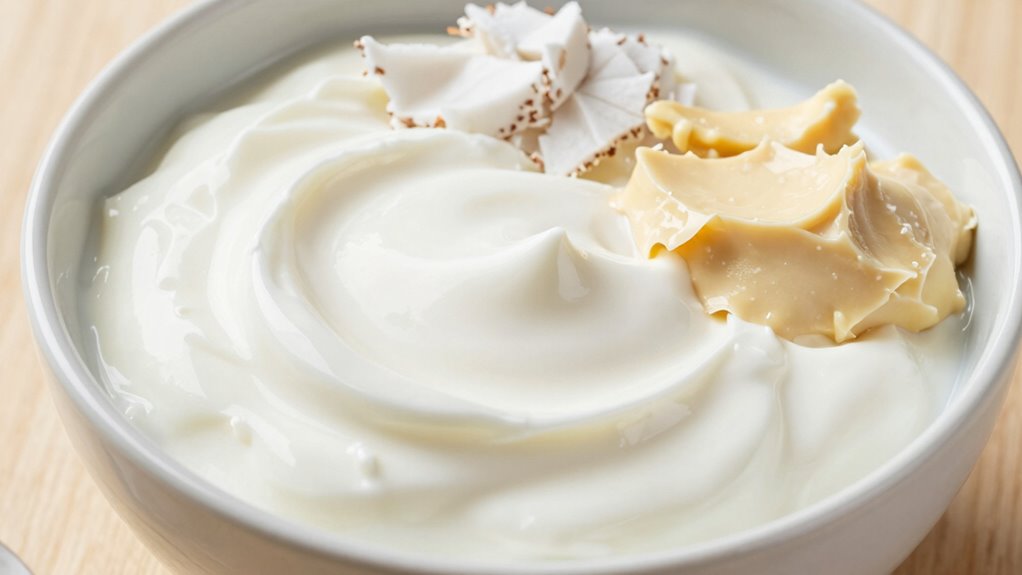
When you’re aiming for a creamy dish without the tangy bite of Greek yogurt, exploring milder alternatives can make a noticeable difference. Fruit-based options like blended bananas, avocados, or cooked apples add natural creaminess and subtle sweetness, creating a smooth, tang-free texture. Dairy-free alternatives such as coconut cream, cashew yogurt, or almond-based products offer rich, mild flavors that blend well without overpowering your dish. These options are ideal for recipes where you want to maintain a creamy consistency without the acidity. Using fruit-based or dairy-free substitutes allows you to achieve a gentle, mellow taste, perfect for smoothies, sauces, or desserts. They provide a versatile and gentle way to replace Greek yogurt while keeping your dish rich and satisfying. Incorporating plant-based ingredients can also help diversify your options and cater to various dietary preferences. Additionally, selecting mild flavor profiles ensures that the substitution complements rather than competes with other ingredients in your dish. Proper preparation techniques can also help streamline preparation by making mixing or blending easier and more efficient, especially when working with thicker plant-based alternatives.

Mazzoni – Passion Fruit Juice Puree, 100% Maracuya, Just Fruit, No Sugar Added, 2.2 lbs (35.2 oz) Real Fruit Mixer for Cocktails, Smoothies, Drinks, Fruit Juice, Convenient Pouch, Made in Italy
100% Pure Passion Fruit: Experience the bold and tangy flavor of maracuya with every serving. Made in Italy.
As an affiliate, we earn on qualifying purchases.
As an affiliate, we earn on qualifying purchases.
Tips for Adjusting Recipes When Replacing Greek Yogurt

Replacing Greek yogurt in a recipe often requires some adjustments to achieve the desired texture and flavor. To prevent a tangy surprise, consider using different sweetening techniques like honey, maple syrup, or fruit puree to mellow the acidity. Texture adjustments are also key; if your substitute is thinner than Greek yogurt, add a thickening agent like chia seeds or cream cheese to maintain creaminess. Conversely, if it’s too thick, loosen it with a splash of milk or water. Taste as you go, ensuring the sweetness balances the dish. Properly managing load and consistency helps ensure your substitution remains seamless and delicious without compromising the integrity of your recipe. Incorporating at-home beauty tech tools can even help enhance your culinary experience by providing innovative ways to experiment in the kitchen. Understanding philosophical insights on authenticity can also guide you in selecting the most natural and true-to-original substitutes to keep your dish authentic. Additionally, considering electric bike conversion kits can inspire creative approaches to kitchen organization, such as using lightweight storage solutions for ingredients.
Common Mistakes to Avoid When Substituting Greek Yogurt

One common mistake to avoid is choosing a substitute that doesn’t match the texture or acidity of Greek yogurt, which can alter your recipe’s final outcome. This impacts recipe flexibility, making it harder to achieve the desired consistency or flavor profile. If the substitute is too runny or too tangy, it can throw off the balance of ingredients and spoil your dish’s intended taste. To maintain flavor balancing, select a replacement with similar acidity and thickness. Avoid using ingredients that are too sweet or bland, as they can create an unexpected tang or dullness. Being mindful of these factors helps you preserve the integrity of your recipe, ensuring a successful swap without sacrificing texture or flavor.
Frequently Asked Questions
Can I Use Greek Yogurt in Baking Without Affecting the Flavor?
Yes, you can use Greek yogurt in baking without affecting the flavor profile too much. To keep the taste balanced, choose a plain, unsweetened variety and consider reducing other tangy ingredients like lemon juice or vinegar. Incorporate it using baking techniques like folding gently into batters to maintain moisture and texture. This way, you get the benefits of Greek yogurt without introducing an unwanted tangy flavor.
What Are the Best Dairy-Free Substitutes for Greek Yogurt?
Looking for dairy-free substitutes for Greek yogurt? You can try plant-based options like coconut yogurt, almond yogurt, or cashew-based varieties. These alternatives mimic Greek yogurt’s creamy texture but offer diverse flavor profiles, from subtly nutty to mildly sweet. They work well in baking or as toppings, ensuring you enjoy similar consistency without the tangy taste. Experiment to find the flavor profile that best suits your dish and taste preferences.
How Does Greek Yogurt’s Texture Influence Its Use in Recipes?
Greek yogurt’s creamy consistency and thick texture substantially influence your recipes by adding richness and stability. Its dense nature helps thicken smoothies, dips, and baked goods, providing a velvety mouthfeel. When you use it, you get a smooth, luxurious finish, making dishes more satisfying. The thick texture also helps bind ingredients together, ensuring your recipes hold well without becoming runny or too watery, enhancing overall quality.
Are There Specific Brands of Greek Yogurt That Are Less Tangy?
Think of it as a flavor chameleon—some brands of Greek yogurt are less tangy than others. You’ll find that brands like Chobani and Fage often maintain consistent flavor profiles, making them reliable choices. Look for options labeled “original” or “mild,” as they tend to have less tang. Keep in mind, flavor variations can occur, so trying a few brands helps you find the perfect, less tangy match for your recipes.
How Long Should Greek Yogurt Sit at Room Temperature Before Use?
You should let Greek yogurt sit at room temperature for about 15-20 minutes before using it. This warms it enough for smoother incorporation into recipes, but don’t leave it out longer to guarantee room temperature safety. Yogurt warming tips include placing it in a warm spot or gently stirring it to achieve the right consistency. Just keep an eye on the time to avoid bacteria growth and enjoy the best texture.
Conclusion
Next time you reach for Greek yogurt, remember that a little tweak can transform its tang into a smooth, neutral addition—like finding that perfect spoonful of yogurt on a quiet morning. With a few simple tricks, you’ll effortlessly substitute without the tangy surprise, just as you might stumble upon a hidden gem in a familiar routine. So go ahead, experiment confidently—your perfect creamy creation might be just a scoop away.