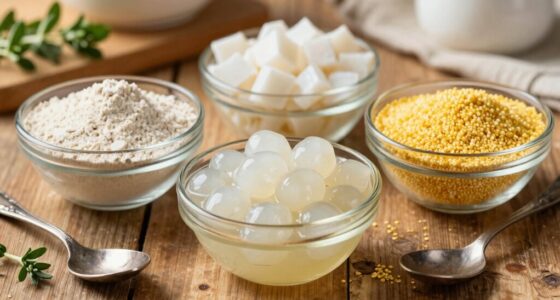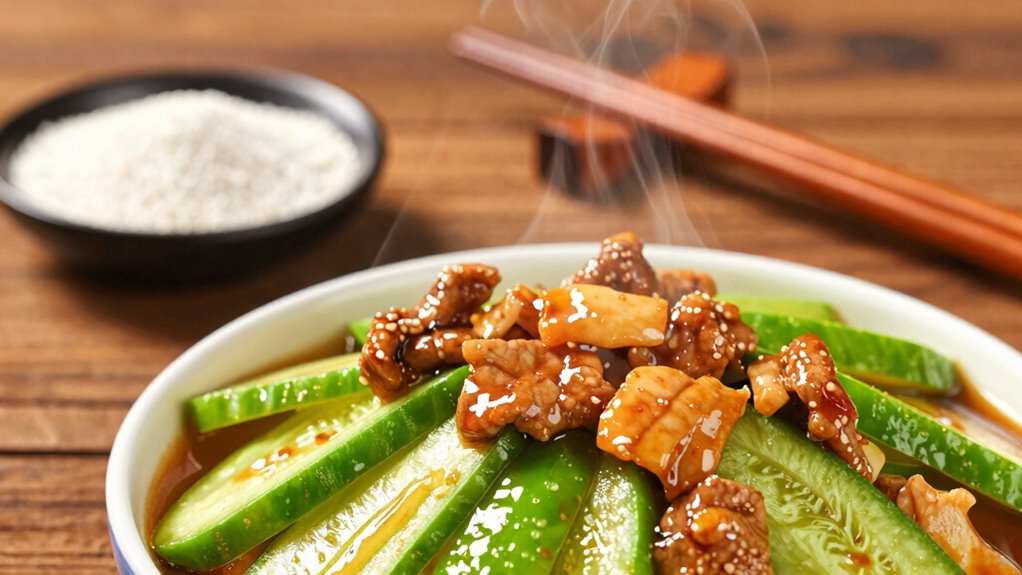
MSG is a flavor enhancer that boosts umami and savory notes in dishes, making them more satisfying and flavorful. It works by activating specific taste receptors, enhancing natural ingredients like tomatoes, mushrooms, and broths. Safe for most, it’s widely used in cooking to improve flavor without adding extra salt. Some individuals should avoid it due to sensitivities. To learn how to use MSG effectively and responsibly, keep exploring this guide.
Key Takeaways
- MSG enhances savory and umami flavors by stimulating specific taste receptors, making dishes taste richer and more balanced.
- It is commonly added during cooking to evenly distribute flavor, especially in soups, stews, stir-fries, and marinades.
- Use about ¼ teaspoon per serving, adjusting to taste, to boost flavor without overpowering natural ingredients.
- MSG is naturally derived from ingredients like seaweed and found in foods such as tomatoes, mushrooms, and aged cheese.
- It is considered safe for most people when used properly; some individuals with sensitivities should limit intake.

Ac'cent All Natural Flavor Enhancer, 4.5 Ounce
Use Accent seasoning on virtually all "savory" foods you cook
As an affiliate, we earn on qualifying purchases.
As an affiliate, we earn on qualifying purchases.
What Is MSG and How Is It Used in Food?
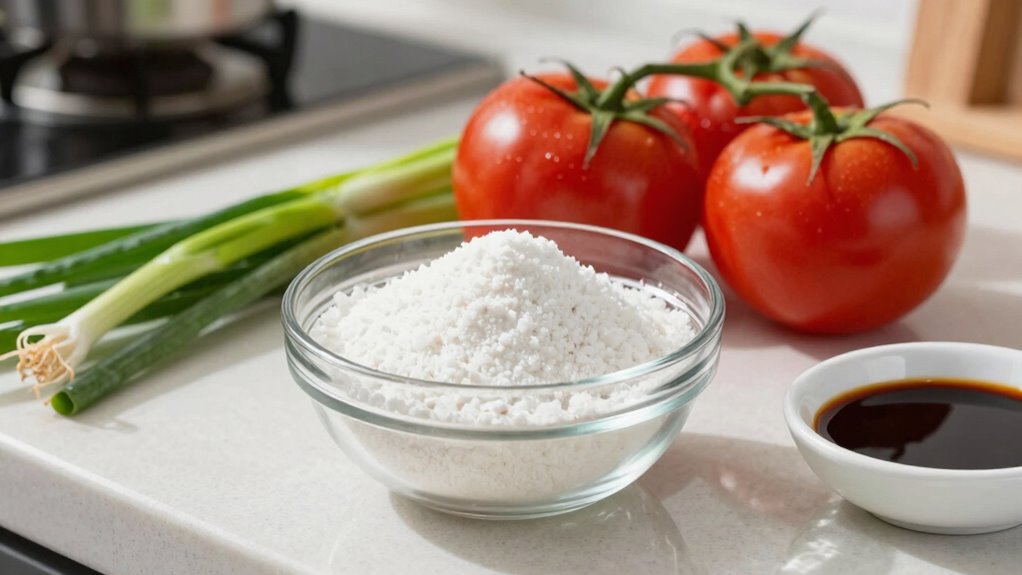
Have you ever wondered what MSG really is and how it’s used in your food? MSG, or monosodium glutamate, has a rich culinary history dating back centuries in Asian cuisines, where it was originally derived from natural ingredients like seaweed. Its role in flavor chemistry is significant because it enhances the savory qualities of dishes by stimulating specific taste receptors. Chefs and food manufacturers use MSG to deepen umami, the fifth basic taste, making dishes more flavorful without adding extra salt or fat. The process involves isolating and refining glutamate, which naturally occurs in many foods. Understanding this history and how MSG fits into flavor chemistry helps you appreciate its widespread use, whether in homemade recipes or processed foods, to elevate taste profiles.

McCormick Umami Seasoning with Mushrooms and Onion, 4.59 oz
All-purpose savory seasoning that boosts the flavor of most any food
As an affiliate, we earn on qualifying purchases.
As an affiliate, we earn on qualifying purchases.
Does MSG Enhance Flavor and Umami?
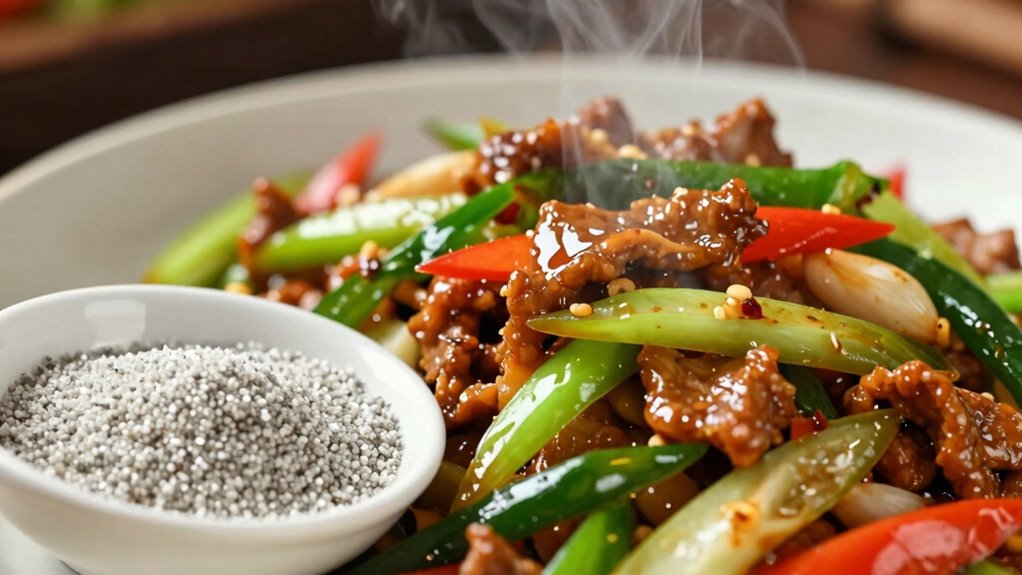
Since MSG directly stimulates specific taste receptors on your tongue, it effectively enhances flavor and amplifies the umami sensation. This makes it a powerful tool for culinary innovation and flavor enhancement. When added to dishes, MSG boosts savory notes, creating a richer taste profile. Here are four ways MSG improves your food:
MSG directly enhances flavor and amplifies umami, creating richer, more satisfying dishes.
- Elevates the natural umami in ingredients like tomatoes and mushrooms
- Balances salty and sweet flavors for a well-rounded taste
- Intensifies broth and sauce depth without additional salt
- Enhances meat, seafood, and vegetable dishes for a more satisfying experience
Additionally, understanding the fundamentals of flavor enhancement can help you use MSG more effectively in your cooking.

16oz Ajinomoto Umami Seasoning, MSG Monosodium Glutamate, Made in USA, Naturally Delicious (One Bag per order)
PURE UMAMI FLAVOR – Ajinomoto MSG enhances the natural taste of food, adding depth and savory richness.
As an affiliate, we earn on qualifying purchases.
As an affiliate, we earn on qualifying purchases.
Is MSG Safe? What Science Says
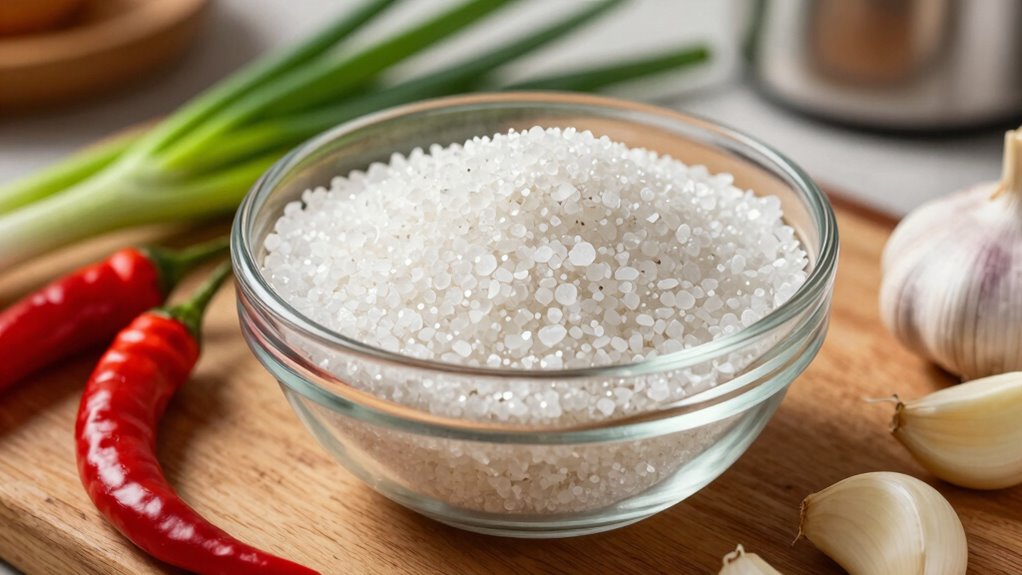
While MSG effectively enhances flavor and umami, many people wonder about its safety. Scientific research shows that MSG is generally safe when consumed within typical dietary limits. Regulatory agencies like the FDA and WHO classify MSG as a food additive safety, confirming it doesn’t pose health risks for most people. Extensive studies have found no consistent evidence linking MSG to serious health problems, such as allergies or neurotoxicity. Some individuals might experience mild symptoms, like headaches or flushing, but these reactions are rare and usually tied to sensitivities rather than an inherent danger of MSG. Additionally, the role of color accuracy in food presentation can influence perceptions of flavor and freshness. Furthermore, the importance of scientific evaluation in understanding food additives like MSG continues to support consumer safety and informed choices. Moreover, population studies help monitor the long-term effects of additive consumption on public health. Furthermore, ongoing research continues to evaluate long-term health effects to ensure consumer safety and address concerns about additive consumption for sensitive individuals. Overall, current scientific research supports the idea that MSG is safe for the general population when used appropriately in cooking and food processing.
16oz Ajinomoto Umami Seasoning, MSG Monosodium Glutamate, Made in USA, Naturally Delicious (One Bag per order)
PURE UMAMI FLAVOR – Ajinomoto MSG enhances the natural taste of food, adding depth and savory richness.
As an affiliate, we earn on qualifying purchases.
As an affiliate, we earn on qualifying purchases.
Common Myths About MSG Debunked
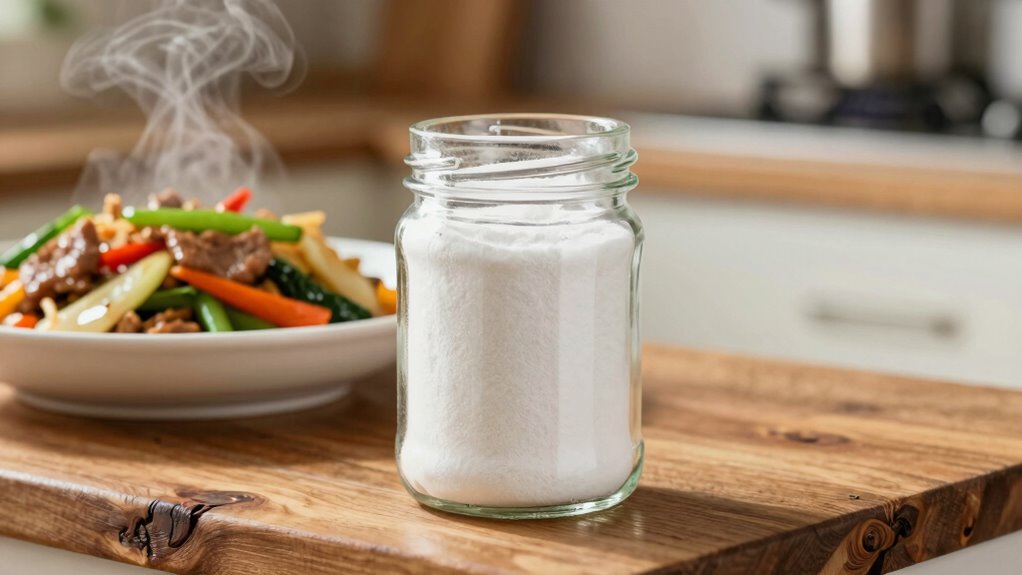
Many people believe that MSG is a dangerous additive that can cause serious health problems, but these fears are largely based on myths rather than facts. In reality, MSG has played a key role in culinary innovation and flavor enhancement worldwide. Here are common myths debunked:
Many fears about MSG are myths; it’s safe and enhances flavors worldwide.
- It causes headaches—studies show no consistent link.
- It’s unsafe for children—research confirms it’s safe for all ages.
- It’s addictive—MSG doesn’t create dependency.
- It’s only used in Chinese food—it’s used globally in countless dishes.
Understanding food safety and the role of additives helps you appreciate MSG’s true purpose: enhancing flavor naturally and safely. When used properly, it’s a valuable tool for elevating your cooking without health concerns.
Who Should Avoid MSG? Special Considerations
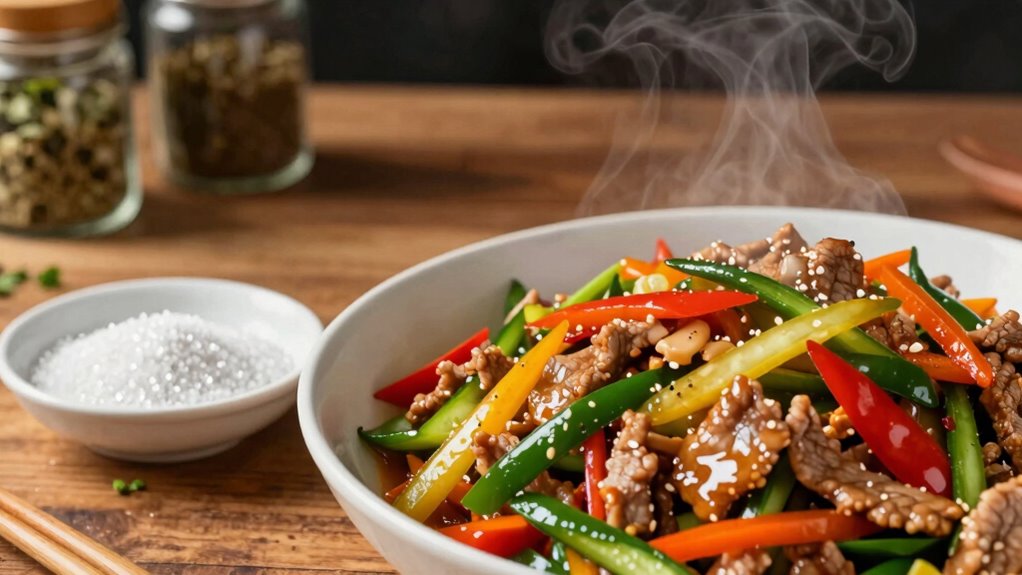
If you’re pregnant, it’s best to be cautious with MSG intake, as there’s limited research on its effects during pregnancy. People with allergic reactions or sensitivities should stay alert, since MSG can trigger symptoms. If you fall into these groups, consulting your healthcare provider before consuming MSG is a wise choice. Additionally, considering the Gold IRA markets and their reputation for transparency and education can help you make informed financial decisions. Being aware of the potential health risks associated with MSG consumption can further guide your choices, especially since some individuals may experience adverse reactions such as headaches or flushing. Recognizing effective safety considerations and guidelines can help you decide whether it fits into your diet.
Pregnant Women Caution
Pregnant women should exercise caution when consuming MSG, as their bodies are more sensitive to certain additives. During pregnancy safety assessments, it’s essential to take into account dietary restrictions and potential impacts on fetal development. Here are four reasons to limit MSG intake: 1. It may cause headaches or nausea, which can be mistaken for pregnancy symptoms. 2. Excessive consumption could lead to fluid retention, uncomfortable for pregnant women. 3. Some studies suggest possible links to developmental concerns, though evidence is inconclusive. 4. It can increase cravings for salty foods, affecting overall nutrition. Additionally, understanding the essential oils for health can provide natural alternatives to manage minor discomforts during pregnancy. Being mindful of food additive safety helps support a healthy pregnancy and reduces unnecessary risks. Recognizing the Youngster Choice phenomenon can also help expecting mothers make informed dietary choices that support overall well-being.
Allergic Reactions Risk
People with known food allergies or sensitivities should be particularly cautious about consuming MSG, as it can trigger adverse reactions. Although most people tolerate it well, some may experience symptoms like headaches, flushing, or digestive discomfort. If you’re sensitive to certain additives, you should be aware that MSG enhances umami flavor, which can mask or alter the natural flavor balance of foods, possibly leading to overconsumption. For those with allergies or sensitivities, MSG’s flavor boosting may intensify reactions or cause unexpected symptoms. It’s important to read labels carefully and avoid dishes with added flavor enhancers if you suspect a sensitivity. Understanding food additive safety and how MSG interacts with different individuals can help prevent adverse effects. Additionally, understanding how natural pools are designed to reduce chemical use can be beneficial for those sensitive to chemical additives. Recognizing the role of sustainable practices in food production can also help consumers make safer choices. Moreover, awareness of regulatory standards can guide consumers in choosing certified and safer food options. Being aware of halal standards for food ingredients can further guide consumers toward safer, compliant options. While MSG is generally safe for most, taking precautions helps prevent unwanted allergic or adverse responses.
Sensitive Individuals Alert
Certain individuals should avoid MSG altogether because their bodies react strongly to it. If you’re sensitive, consuming MSG for flavor enhancement might trigger headaches, flushing, or other uncomfortable symptoms. Here are key considerations:
- People with migraines often find MSG worsens their symptoms.
- Those with asthma may experience increased respiratory issues after exposure.
- Individuals with neurological conditions might notice heightened symptoms.
- Pregnant women and children should exercise caution due to potential health considerations.
- Awareness of health risks associated with MSG can help you make better dietary choices.
- Some studies suggest that MSG can impact breast cancer symptoms, making sensitive individuals more cautious about consumption.
- Proper understanding of food additive interactions can help identify which reactions are linked to MSG intake.
- Recognizing individual sensitivities can help prevent adverse reactions and promote better health decisions.
Understanding your body’s response is vital. While MSG is generally safe for most, these special considerations highlight why some should steer clear. Being aware helps you make informed choices about what foods to enjoy and when to avoid flavor enhancement that may cause adverse reactions.
Natural Sources of Umami Versus MSG
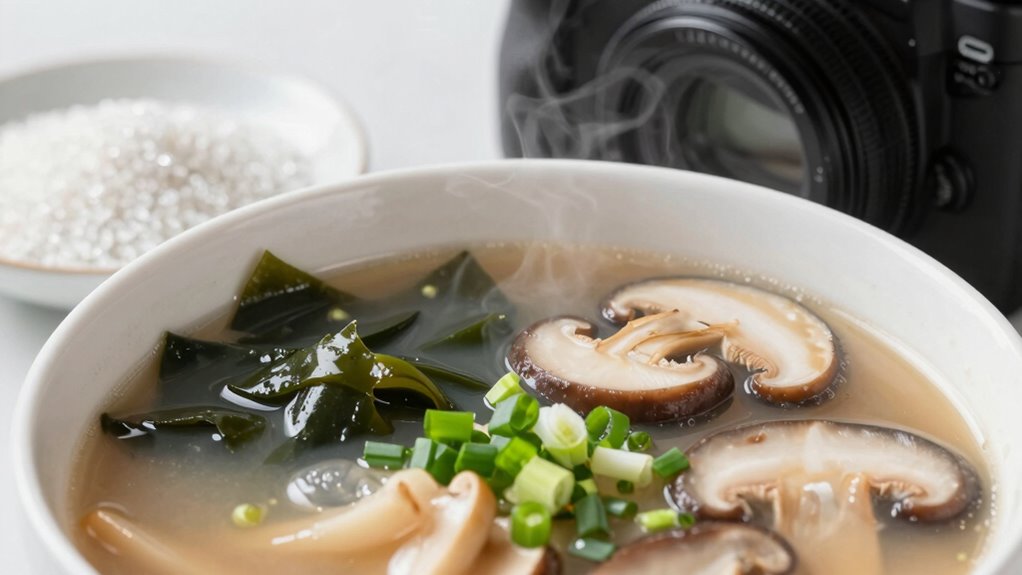
You might notice that many natural foods like mushrooms, tomatoes, and aged cheeses are rich in umami, offering depth to your dishes without additives. Processed foods often include added MSG to enhance flavor quickly, but these can alter the natural taste profile. Understanding the differences helps you choose ingredients that suit your preferences and dietary needs.
Natural Umami Sources
Natural sources of umami, such as aged cheeses, mushrooms, tomatoes, and fermented foods, contain naturally occurring glutamates that enhance savory flavors. These foods act as natural umami sources and can elevate your dishes without added additives. If you’re seeking an umami seasoning or aiming for flavor enhancement, incorporating these foods can be highly effective. Here are some common natural umami sources:
- Aged cheeses like Parmesan and Roquefort
- Mushrooms, especially shiitake and porcini
- Ripe tomatoes and tomato-based products
- Fermented foods such as soy sauce and miso
Using these ingredients allows you to boost umami naturally, enriching your dishes with depth and savory richness without relying solely on processed options.
Processed Food Additions
While natural umami sources add depth to dishes without artificial ingredients, processed food additions like monosodium glutamate (MSG) offer a concentrated and convenient way to boost savory flavors. MSG provides reliable umami enhancement, especially when natural ingredients alone don’t achieve the desired flavor profile. It allows you to easily balance flavors in a variety of dishes, ensuring a rich, satisfying taste without the need for lengthy ingredient lists. Using MSG can streamline the cooking process while still delivering the savory punch that enhances overall flavor. It’s particularly useful in processed foods or dishes requiring consistent flavoring. However, understanding how to incorporate it properly helps maintain flavor balance without overpowering other ingredients. This targeted umami boost makes MSG a versatile tool in your culinary toolkit.
Flavor Profile Differences
The flavor profiles of natural umami sources and MSG differ in subtle but significant ways. Natural sources like aged cheeses, mushrooms, soy sauce, and cured meats offer complex flavor nuances, blending savory, earthy, and sometimes sweet notes that develop over time. In contrast, MSG provides a clean, concentrated umami taste without additional flavors, making it versatile across various culinary applications. To understand the differences better, consider:
- Natural sources often contain other flavor compounds, adding depth.
- MSG delivers a straightforward umami punch, enhancing dishes without altering original flavors.
- Natural umami can vary depending on processing and origin.
- MSG’s consistency makes it predictable for seasoning and taste enhancement.
Recognizing these flavor profile differences helps you choose the right ingredient for your culinary needs.
How to Use MSG in Your Cooking
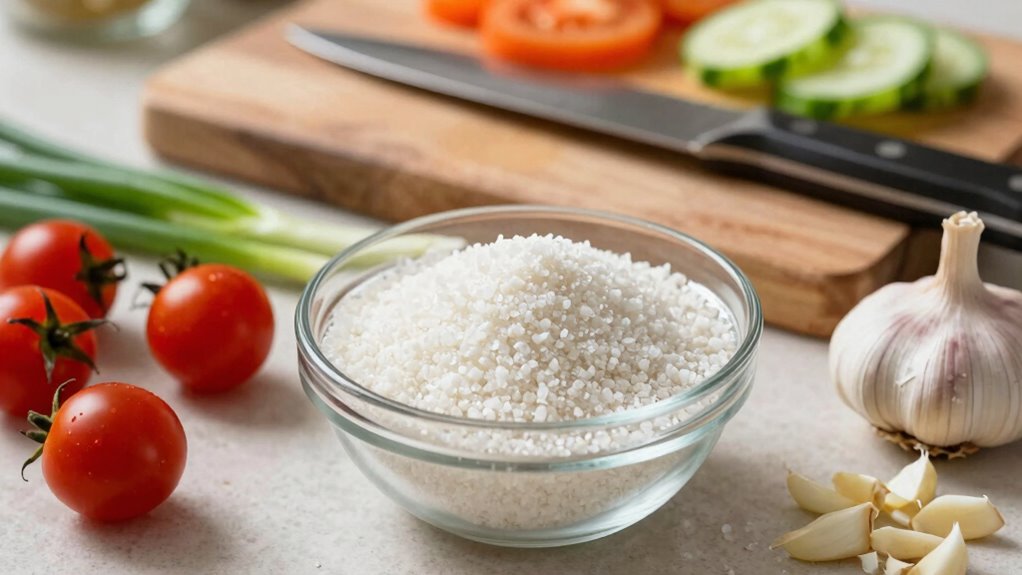
Using MSG in your cooking is straightforward and can enhance the umami flavor of various dishes. To incorporate MSG effectively, start by adding small amounts—about ¼ teaspoon per serving—and adjust to taste. It works well with soups, stews, stir-fries, and marinades, amplifying savory notes. Use culinary techniques like sprinkling MSG during cooking or dissolving it in liquids to ensure even distribution. Keep in mind that MSG enhances flavor without overpowering, so start conservatively and build up if needed. Combining MSG with salt and other seasonings can create a balanced, savory profile. Remember, MSG is a flavor enhancer, so it’s best used as a complementary ingredient rather than the main component. Proper use will elevate your dishes with minimal effort.
Tips for Incorporating MSG Into Dishes
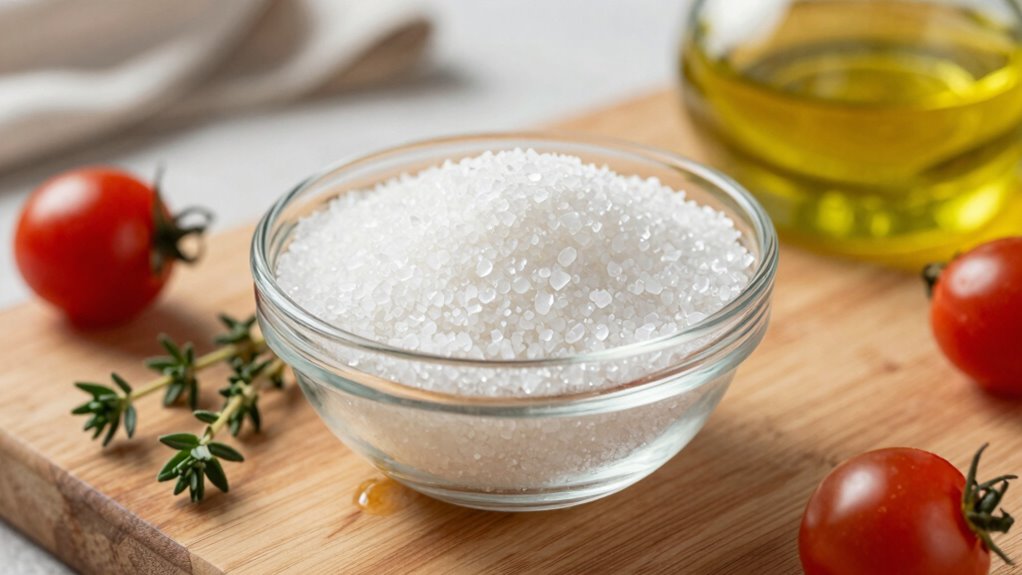
To get the most out of MSG, focus on balancing flavors so your dishes taste richer without overpowering. You can also add it to marinades to deepen the overall taste and improve how ingredients work together. Small adjustments make a big difference when you incorporate MSG thoughtfully into your cooking.
Enhance Flavor Balance
Adding MSG thoughtfully can help you achieve a more balanced and harmonious flavor in your dishes. To maximize umami enhancement and improve flavor balancing, consider these tips:
- Start small—add a pinch and taste before increasing.
- Combine MSG with salt or sugar to enhance overall flavor harmony.
- Use MSG in dishes with natural umami sources like mushrooms or aged cheese.
- Incorporate it during cooking rather than at the end for seamless flavor integration.
Use in Marinades
Incorporating MSG into marinades is an effective way to infuse dishes with a deep, savory umami flavor. Throughout culinary history, MSG has been used globally to enhance taste, though cultural perceptions have varied. Some cultures embrace it as a flavor enhancer, while others remain cautious due to misconceptions. When adding MSG to marinades, start with small amounts—about ¼ teaspoon per pound of meat or vegetables—and adjust to taste. It dissolves quickly, so mix it well with other ingredients like soy sauce, garlic, or ginger. Using MSG in marinades helps tenderize and deepen flavors, making dishes more satisfying. Understanding its cultural background can help you appreciate its role in diverse cuisines and use it confidently in your cooking.
Recognizing Quality MSG and Proper Storage
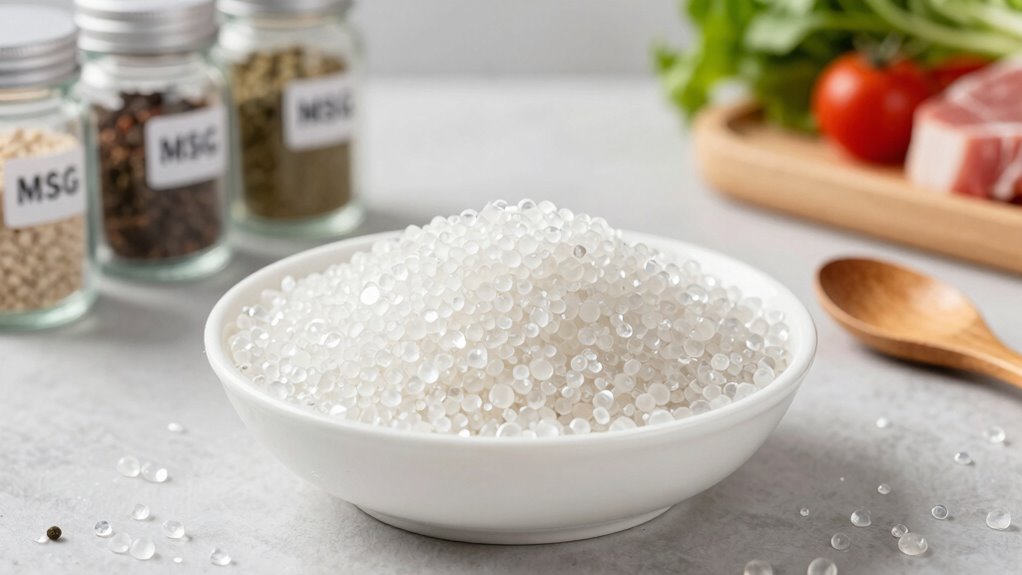
Recognizing quality MSG involves paying attention to its appearance, aroma, and texture. High-quality MSG should be free of clumps, have a clean, savory smell, and a fine, powdery texture. To guarantee freshness and safety, consider these tips:
- Check the shelf life—good MSG remains potent for about 2-3 years when stored properly.
- Store it in an airtight container to prevent moisture absorption.
- Keep it in a cool, dry place away from direct sunlight.
- Avoid cross-contamination by using clean utensils when handling.
Should You Use MSG in Home or Restaurant Cooking?
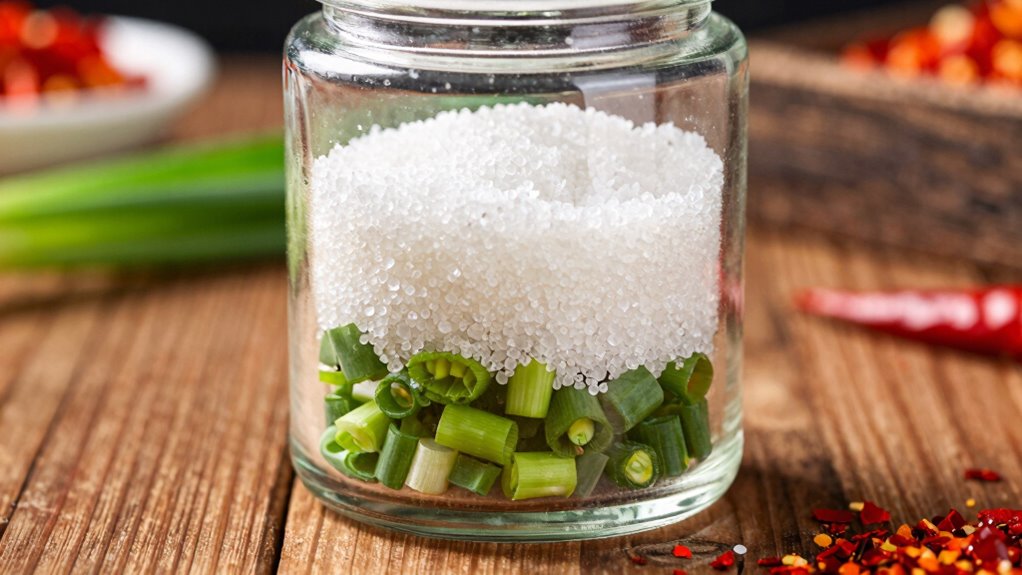
Is using MSG in home or restaurant cooking a good idea? Absolutely, if you want to enhance your dishes, it can be a valuable tool. MSG works well with various cooking techniques, from stir-frying to braising, helping to intensify savory flavor profiles. When considering whether to include it, think about your flavor combinations—MSG complements ingredients like meats, vegetables, and broths, creating a more balanced and satisfying taste. It’s especially useful when aiming for umami-rich dishes without over-salting. However, use it sparingly to avoid overpowering the natural flavors. In restaurants, it can streamline flavor development across multiple dishes. Overall, MSG can be a versatile addition, but it’s your understanding of how to incorporate it that will determine its success in your culinary creations.
Frequently Asked Questions
Can MSG Cause Allergic Reactions in Some Individuals?
Yes, MSG can cause allergic reactions in some individuals, especially those with food sensitivities. You might experience allergy symptoms like headaches, flushing, or sweating after consuming foods with MSG. While rare, these reactions are usually mild but can be more severe in sensitive people. If you notice symptoms after eating, it’s best to avoid foods containing MSG and consult with a healthcare professional to determine if you have a sensitivity or allergy.
How Does MSG Compare to Natural Umami Sources Nutritionally?
You might think MSG is less nutritious than natural umami sources, but the truth is, they offer similar benefits. When comparing umami sources, natural options like tomatoes, mushrooms, and aged cheeses provide vitamins and antioxidants alongside flavor. Nutritional differences are minimal, with MSG mainly enhancing taste without adding significant nutrients. So, whether you choose natural umami or MSG, both can enrich your meals without compromising nutritional value.
Are There Any Cultural or Regional Differences in MSG Usage?
You’ll notice regional culinary traditions shape how MSG is used and perceived. In East Asia, MSG is a staple ingredient, enhancing flavors widely accepted culturally. Conversely, some Western regions have cultural perceptions that associate MSG with negative health effects, leading to cautious or limited use. These differences influence how chefs and home cooks incorporate MSG into dishes, reflecting diverse culinary practices and cultural attitudes toward flavor enhancement.
What Are the Environmental Impacts of MSG Production?
You might be concerned about the environmental impacts of MSG production. It generally has a low footprint if produced sustainably, especially through sustainable sourcing of raw materials. However, if environmental regulation isn’t strict, production could lead to pollution or resource depletion. To minimize environmental harm, look for manufacturers adhering to environmental regulation standards, ensuring that MSG is produced responsibly, with efforts to reduce waste, emissions, and energy consumption.
How Can I Identify High-Quality Versus Low-Quality MSG Products?
Think of high-quality MSG as a clear, pristine lake—pure and transparent. To spot it, check for product certification and ingredient transparency on labels; reputable brands often display these. Low-quality products resemble murky water—filled with fillers and unclear ingredients. Your best bet is choosing certified products with transparent ingredient lists, ensuring you’re getting pure MSG. Always trust brands that prioritize quality and honesty in their labeling to make smarter choices.
Conclusion
Think of MSG as a secret ingredient that unlocks the full potential of your dishes, like a key opening a treasure chest of flavor. When used thoughtfully, it can elevate your cooking without risks. So, trust the science, debunk the myths, and embrace MSG as a helpful tool. With the right touch, your meals will shine brighter—turning everyday ingredients into a symphony of savory delight that keeps everyone coming back for more.