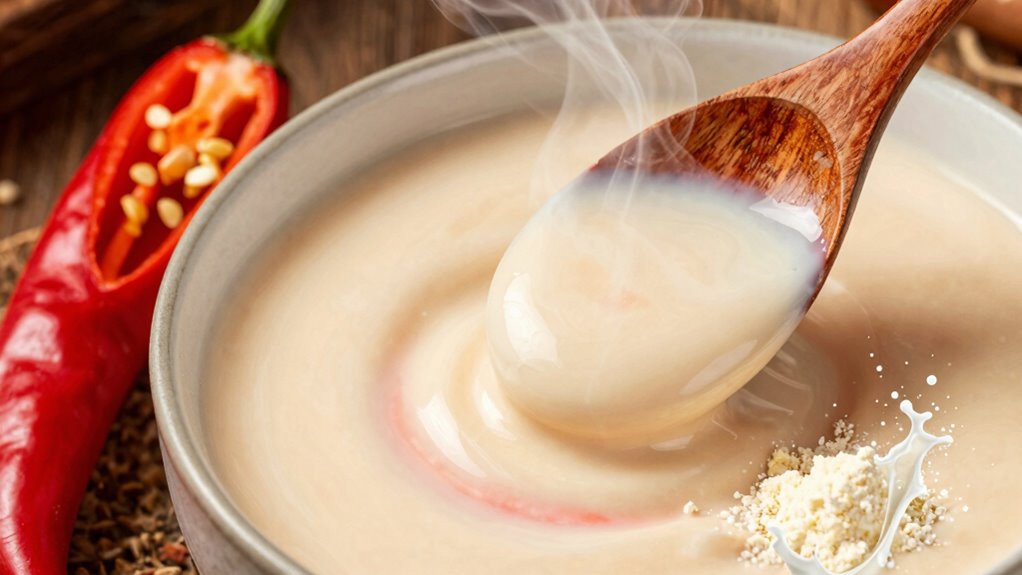
If your dish turns out too spicy, quickly add dairy products like milk, yogurt, or sour cream to calm the heat, as they contain proteins that neutralize capsaicin. Incorporate acidic ingredients such as vinegar or citrus juice to cut through the spice, and add starchy foods like potatoes or rice to absorb the heat. Balancing flavors with a touch of sweetness or coconut milk can also help. Keep these tips in mind to regain control—more helpful ideas follow.
Key Takeaways
- Add dairy products like milk, yogurt, or sour cream to neutralize capsaicin and reduce spiciness quickly.
- Incorporate acidic ingredients such as vinegar or citrus juice to cut through heat and mellow the dish.
- Dilute the dish with broth, water, or add starchy ingredients like potatoes or rice to absorb excess spice.
- Adjust flavors gradually by adding sweetness or coconut milk to balance and mask spiciness.
- Taste frequently during cooking and use small, incremental adjustments to prevent over-correction.
dairy products for reducing spiciness
As an affiliate, we earn on qualifying purchases.
As an affiliate, we earn on qualifying purchases.
Quick Ways to Neutralize Excess Spicy Heat
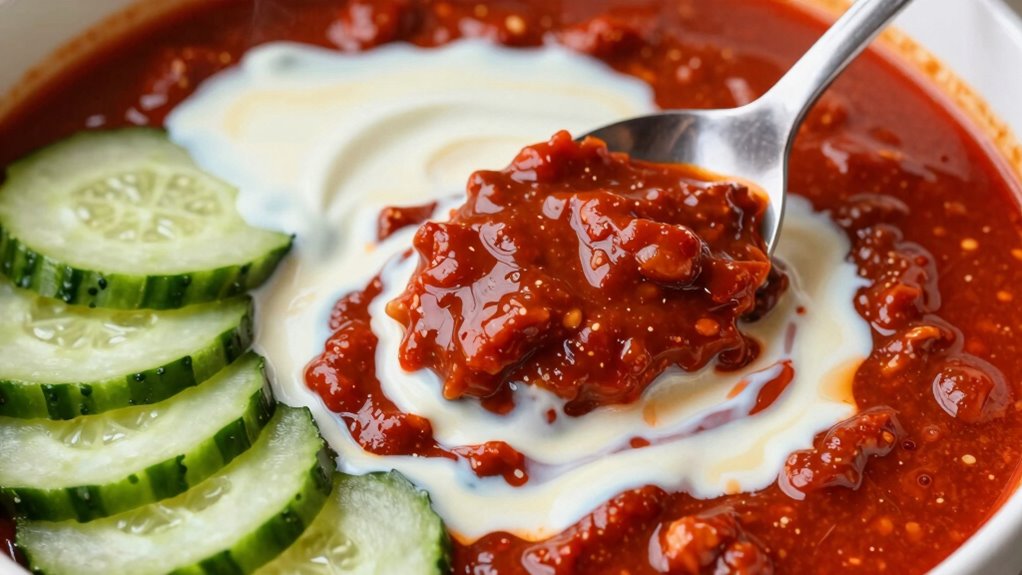
When your dish turns out spicier than intended, acting quickly can save it from becoming unbearable. To do this, consider adjusting with ingredients that help balance the heat without overpowering the dish’s flavor. Increasing the dish’s overall volume by adding more of the base ingredients, like vegetables or broth, can dilute the spice, respecting your spice tolerance. Incorporate acidity—such as a splash of vinegar or lemon juice—to cut through the heat and restore flavor balance. Using acidic ingredients effectively can enhance overall flavor while reducing perceived heat. Sweeteners like sugar or honey can also counteract excessive spice, providing a pleasant contrast. Remember, the goal is to achieve flavor balancing without making the dish bland. Quick adjustments like these help control the heat while preserving the integrity of your dish’s taste and your spice tolerance. Additionally, understanding color accuracy can help you better gauge the visual appeal of your dish, ensuring it looks as appetizing as it tastes. Being aware of personality traits can also assist in tailoring your cooking style to match your preferences and enhance your culinary skills. Recognizing how ingredient interactions influence flavor profiles can guide you in making effective modifications on the fly.

It's Just! – Citric Acid, Food Grade Flavor Enhancer Powder, Non-GMO, Great for Cooking, Cleaning, Bath Bombs, Natural Preservative (6 Ounces)
One Ingredient: Sour taste, fine crystal, granular texture; Food grade and Non-GMO, product of Thailand. Premium, high quality…
As an affiliate, we earn on qualifying purchases.
As an affiliate, we earn on qualifying purchases.
Use Dairy Products to Calm Spicy Dishes
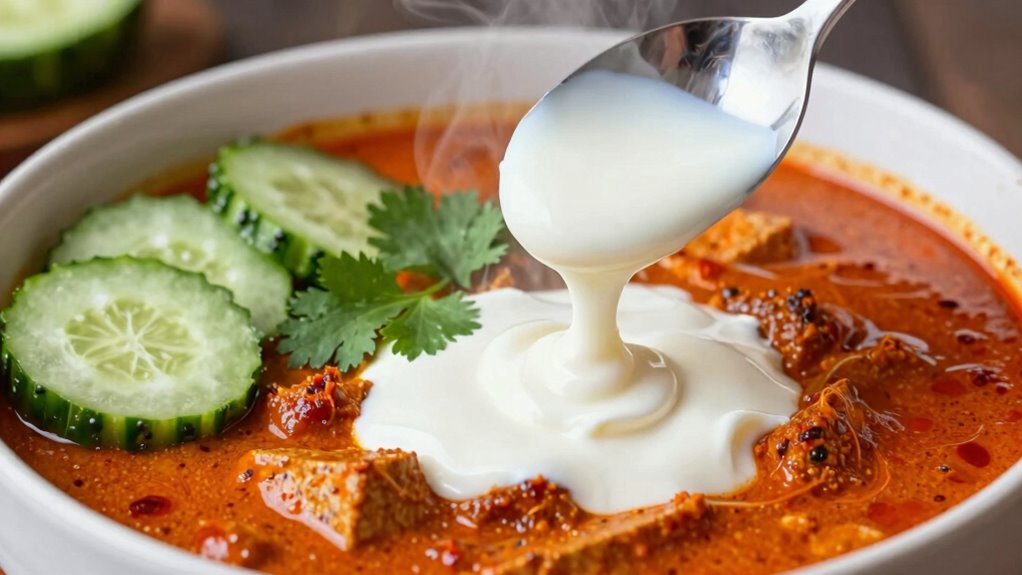
Dairy products are some of the most effective remedies for soothing spicy dishes quickly. When you’re dealing with too much heat, spicy dairy can help neutralize the capsaicin, the compound responsible for spiciness. Adding a splash of milk, a dollop of yogurt, or a slice of cheese helps to coat your mouth and cut through the heat. Dairy remedies work because dairy contains casein, a protein that binds with capsaicin and pulls it away from your taste buds. Spicy dairy, like sour cream or cream-based sauces, is especially good at calming intense heat. Keep these options handy if you accidentally make your dish too spicy. Using dairy remedies is a simple, effective way to make your meal more palatable without compromising flavor.
starchy foods to neutralize heat
As an affiliate, we earn on qualifying purchases.
As an affiliate, we earn on qualifying purchases.
Add Acidic Ingredients to Reduce Spiciness
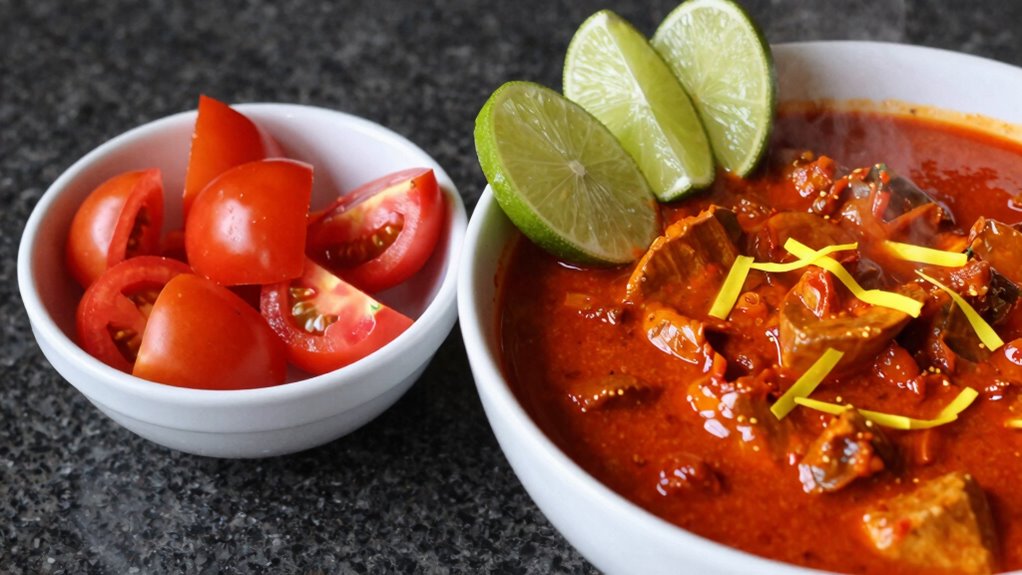
Adding acidic ingredients like vinegar or citrus can help cut through spicy heat. These acids neutralize capsaicin, the compound responsible for heat, making dishes milder. Incorporate them carefully to balance flavor without overpowering your dish. Using water-resistant cookware can also prevent the spiciness from intensifying during cooking. Additionally, incorporating ingredients with anti-inflammatory properties can soothe the palate and reduce lingering spiciness. Incorporating butter into your dish can also help mellow the heat by coating the palate and diluting the capsaicin’s intensity. Understanding the spice level control techniques can further assist in managing heat in your recipes. Employing temperature regulation during cooking can also influence how much heat is released and perceived in your dish.
Acidic Ingredients Neutralize Heat
Acidic ingredients can effectively tone down spiciness by neutralizing capsaicin, the compound responsible for heat. When you add ingredients like lemon juice, vinegar, or tomatoes, the acidity binds with capsaicin molecules, reducing their ability to stimulate heat receptors. To enhance flavor, consider herb combinations and spice pairing that complement the acidity, such as cilantro or parsley with lemon or lime. These herb choices not only mask the spiciness but also bring fresh, bright notes to your dish. Keep in mind, the key is to balance acidity without overpowering the original flavors. Incorporating sensory perception techniques like rhythmic adjustments can help you better gauge the level of spiciness as you tweak your recipe. Additionally, understanding the role of acidity in flavor balancing allows for more precise control over spiciness levels. By strategically adding acidic ingredients, you can control the heat level while preserving the overall harmony of your dish. Using modern kitchen tools such as digital pH meters can further refine your ability to measure acidity accurately. For example, leveraging essential oils for flavor enhancement can also subtly influence the overall taste profile, making adjustments more seamless.
Vinegar and Citrus Benefits
Vinegar and citrus are powerful tools for taming excessive spiciness in your dishes. Adding a splash of vinegar or a squeeze of citrus juice can quickly mellow out the heat. Vinegar marination works especially well for meats or vegetables, as it not only reduces spiciness but also enhances flavor. Citrus zest, with its concentrated aroma, offers a subtler way to balance heat without diluting your dish’s integrity. Incorporate these ingredients gradually, tasting as you go, to avoid overpowering the original flavors. The acidity from vinegar and citrus breaks down capsaicin molecules, the compounds responsible for spiciness, making the dish easier to enjoy. Using acidic ingredients strategically can help you control the spice level and create a more balanced flavor profile.

Herb Stripper, Jiaedge Green 9 holes Stainless Steel Kitchen Herbs Leaf Stripping Tool, Metal Herb Peeler for Kale, Collard Greens, Thyme, Basil, Rosemary Stripper
Premium Quality – Herb stripper is made of food-grade 430 stainless steel, comes with a safe PP protection…
As an affiliate, we earn on qualifying purchases.
As an affiliate, we earn on qualifying purchases.
Incorporate Starches to Absorb Chili Heat
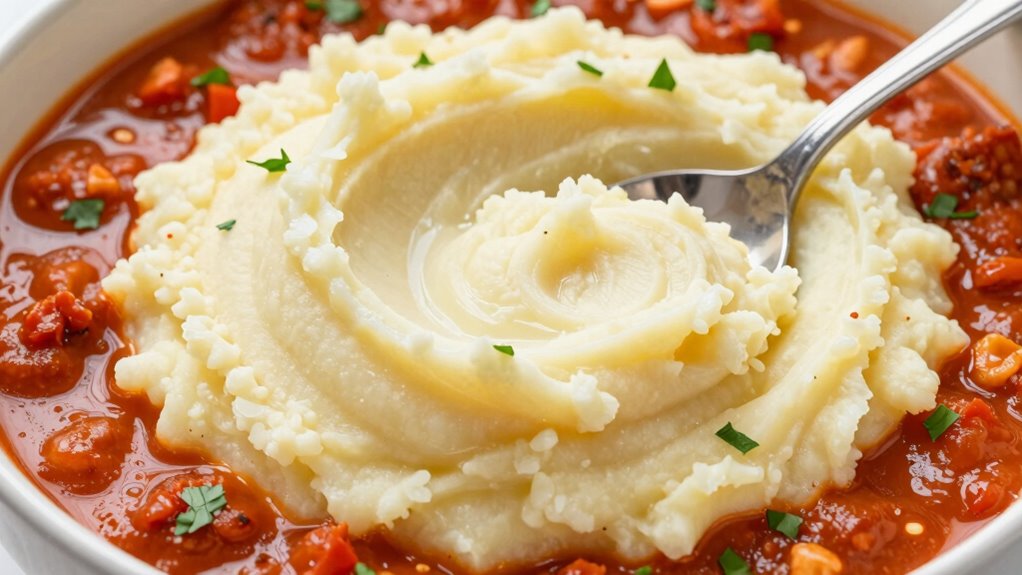
When dealing with overly spicy dishes, incorporating starchy ingredients can be be an effective way to tame the heat. Starch absorption helps draw out some of the chili’s capsaicin, reducing its fiery impact. Using thickening agents like potatoes, rice, or bread not only absorbs heat but also thickens the dish, improving texture. For example, adding diced potatoes or a handful of rice allows the starches to soak up excess spice. Keep in mind, the starches need time to cook and absorb flavors, so give them a few minutes. Once the starches have worked their magic, you can remove or mash them to further diminish spiciness. This method is quick, simple, and highly effective for controlling heat without sacrificing flavor. Understanding capsaicin’s chemical properties can help you better grasp how starches interact with spicy compounds, which is useful for culinary adjustments. Additionally, using starch-based thickeners can help balance the dish’s overall flavor profile by mellowing out the heat. Incorporating molecular interactions between starches and capsaicin can enhance your ability to manage spice levels effectively.
Balance Flavors With Sweeteners or Coconut Milk
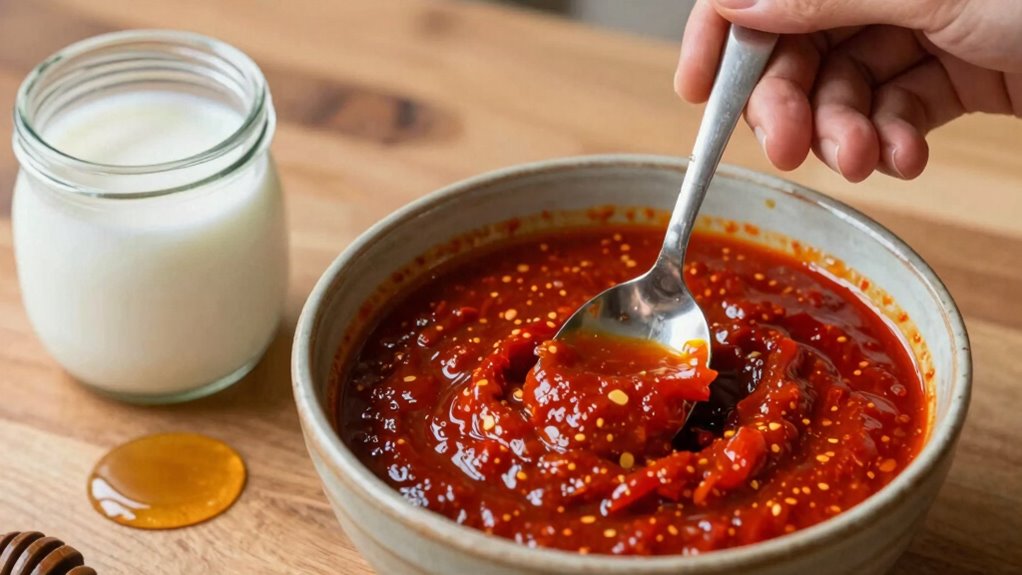
To balance out excessive heat from chili, adding a touch of sweetness or creamy coconut milk can be highly effective. Sugar balance is key; a small amount of sugar or honey can neutralize some of the spice’s intensity without overpowering the dish. Coconut milk provides natural creaminess and helps mellow strong flavors, making the dish smoother and less fiery. When using coconut milk, stir it in gradually and taste as you go to avoid diluting other flavors. Both options work well for balancing spiciness, especially in curries, soups, or stews. Additionally, utilizing electric power generation with bike generators can be a sustainable way to cook or power small kitchen appliances, reducing reliance on traditional energy sources. Incorporating sustainable cooking methods can further enhance eco-friendly meal preparation. In some cases, choosing halal-certified ingredients can also prevent unintended flavor interactions that might intensify spiciness. Keep in mind that the goal is to reduce the heat without losing the dish’s depth, so adjust the sweetness or coconut milk carefully to achieve a harmonious flavor profile. Understanding water quality can also influence how ingredients like coconut milk interact with your dish, ensuring the best flavor results.
How to Dilute Spicy Flavors Without Overcooking
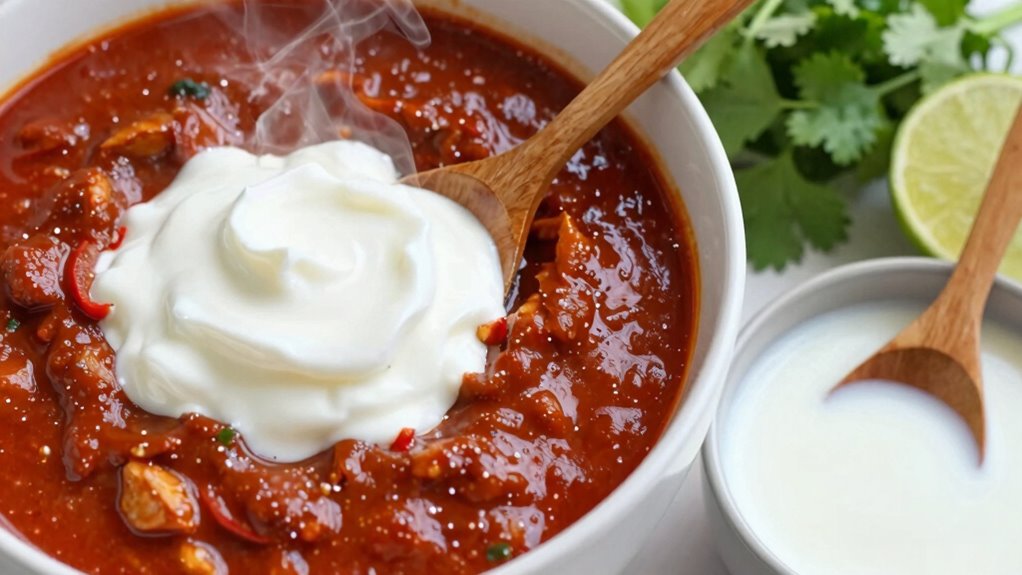
If you need to tone down spiciness without risking overcooking your dish, adding a small amount of dairy, broth, or acidic ingredients can help. These elements facilitate a spice infusion process that dilutes the heat, making it less overpowering. Dairy products like yogurt, cream, or milk contain casein, which binds to capsaicin and masks the fiery sensation through flavor masking. Broths or acidic ingredients such as vinegar or citrus juice can also cut through the heat, balancing flavors without lengthy simmering. Be cautious with the amount—start small and taste frequently. This method allows you to reduce spiciness effectively, preserving your dish’s integrity without overcooking or losing key flavors.
Tips to Prevent Over-Spicing in Future Cooking
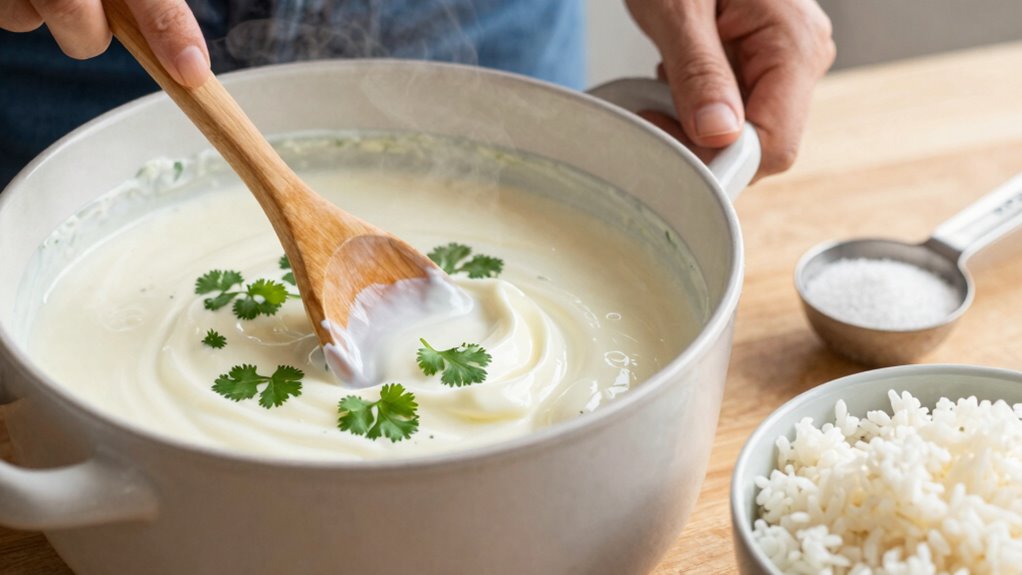
Planning ahead is the best way to prevent over-spicing your dishes. Accurate spice measurement helps you control heat levels, so avoid eyeballing or guessing amounts. Use measuring spoons or a scale to add spices gradually, tasting as you go. Ingredient moderation is key; start with small amounts of spicy elements like chili powder or hot sauce, then adjust if needed. Keep in mind that some spices intensify during cooking, so less is often more. Prepare your ingredients in advance and follow trusted recipes to ensure balanced flavors. By practicing precise spice measurement and moderation, you’ll develop a better sense of how much heat your dishes can handle, reducing the risk of overpowering your food with too much spice.
Frequently Asked Questions
Can Adding Water Reduce Spiciness Effectively?
Adding water can help reduce spiciness temporarily through water dilution, but it’s not always the most effective method. When you pour water into spicy food, it may provide some immediate cooling, but since capsaicin is oil-soluble, the heat might still linger. For better results, try adding dairy or acidity, which can neutralize the spice more effectively. Water alone often doesn’t fully tame intense heat.
What Herbs Can Help Mask Excessive Heat?
Think of herbs as your culinary peacekeepers, calming fiery heat with their soothing touch. Basil, cilantro, and mint act as herb remedies, expertly masking excessive heat while adding fresh, vibrant flavor. Incorporate these herbs during cooking or as garnishes to achieve flavor balancing. Their natural aromatic qualities help reduce the perception of spice, turning your dish from overwhelming to delightful, and restoring harmony to your meal.
Is It Safe to Add Sugar Directly to Spicy Dishes?
Yes, adding sugar directly to spicy dishes is generally safe and can help with flavor balancing. Sugar neutralizes some of the heat by counteracting the spicy compounds, making your dish more palatable. Just start with small amounts, like a teaspoon, and taste as you go. This method is effective for reducing excessive heat while enhancing overall flavor, ensuring your dish remains enjoyable without overpowering sweetness.
How Long Does It Take for Spice to Mellow Naturally?
Like a sunset slowly fading into twilight, spice absorption takes time to mellow naturally. Usually, within 15 to 30 minutes, the heat begins to soften as flavors balance and mingle. During this period, the spicy intensity gradually diminishes, allowing the dish’s flavors to harmonize. Patience is your best ally—cover and simmer, giving the spices time to settle and transform fiery chaos into a more subdued, flavorful symphony.
Can Freezing Spicy Dishes Lessen Their Heat?
Freezing spicy dishes can slightly reduce their heat because it weakens the spice concentration, especially in dishes with chili pepper varieties that have high capsaicin levels. When you freeze your food, the cold causes some capsaicin to become less active, making the dish milder upon thawing. Just remember, this method doesn’t eliminate heat completely, but it can help make your spicy meal more tolerable.
Conclusion
Think of your dish as a wild rollercoaster—sometimes it zooms too high on the spicy track. But with these quick fixes, you can gently bring it back down to earth. Whether you add dairy, acidity, or starches, you hold the reins to control the heat. Remember, even when things get too fiery, you’re the captain of your kitchen. With a few smart moves, your meal will stay flavorful without burning your taste buds.