🔍 Read the full analysis: Anchovies, The Italian Way: From Bagna Cauda To Spaghetti With Colatura on Mad Tasting

Get kitchen gear delivered free with Prime
- Fast, free delivery on millions of items
- Prime Video, Amazon Music and more included
- Member-only deals all year
TL;DR
Italian cuisine features anchovies as a versatile, invisible seasoning and a proud ingredient. This article details their traditional uses, preparation methods, and cultural significance across regions.
Italian cuisine celebrates anchovies both as subtle seasonings and as prominent ingredients, with traditional preparations like Piedmont’s bagna cauda and Campania’s colatura di alici gaining renewed interest. These methods showcase anchovies’ ability to add savory depth without tasting fishy, emphasizing their cultural importance across regions. For a deeper dive into traditional Italian anchovy preparations, see the original analysis.
Anchovies are one of Italy’s most versatile ingredients, used extensively in sauces, dressings, and cooked dishes. In Piedmont, despite being landlocked, salted anchovies arrived via trade routes and are integral to bagna cauda, a warm garlic and anchovy dip served with vegetables. This dish exemplifies how anchovies are incorporated as a flavor enhancer rather than a fishy ingredient, achieved through gentle heating and patience to prevent bitterness.
In southern Italy, particularly on the Amalfi Coast, anchovies are celebrated through colatura di alici, a PDO product derived from anchovies layered with salt and aged in wooden barrels. The resulting amber liquid is a concentrated seasoning used in pasta dishes like spaghetti with colatura, imparting a complex umami flavor. This method involves slow extraction over months, emphasizing traditional craftsmanship.
Both approaches demonstrate anchovies’ ability to deepen flavors without dominating dishes, thanks to their natural glutamates. The quality of anchovies, low heat cooking, and proper storage are key to avoiding overly fishy or bitter results. Consumers can choose among salt-packed, oil-packed, or fresh anchovies, each suited to different culinary uses.
Anchovies, The Italian Way: From Bagna Cauda To Spaghetti With Colatura
Italian cuisine celebrates anchovies both as invisible seasonings and as proud ingredients — from Piedmont’s warm garlic-and-anchovy dip to Campania’s barrel-aged amber liquid. The secret: savory depth, never fishiness.
Two Regions, Two Anchovy Philosophies
Italy’s geography shaped its anchovy culture. Landlocked Piedmont received salted anchovies via historic trade routes; coastal Campania built a fishing-and-preserving tradition of its own.
Bagna Cauda
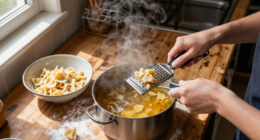
A warm communal dip of anchovies, garlic, and olive oil, served with raw and cooked vegetables — a flavor enhancer, not a fish dish.
- Salted anchovies arrived overland via trade routes
- Gentle low heat until anchovies fully dissolve
- Patience prevents bitterness and breaking the emulsion
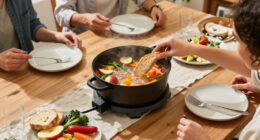
- Centerpiece of shared, communal dining
Colatura di Alici
A PDO amber liquid extracted from anchovies layered with sea salt in wooden barrels — Italy’s answer to ancient garum, used on spaghetti.
- Anchovies layered with salt, aged for months
- Liquid slowly drips, is filtered, and bottled
- Concentrated umami seasoning for pasta dishes
- Traditional craftsmanship, coastal fishing roots
From Catch to Colatura: The Barrel Method
Slow extraction over months defines authentic colatura di alici — a chain of craftsmanship unchanged for generations.
Catch
Fresh anchovies from Amalfi Coast waters, selected by hand.
Layer & Salt
Anchovies packed in wooden barrels, layered with sea salt.
Age
Months of slow pressing and fermentation draw out the liquid.
Filter
The amber drip is filtered and bottled as a PDO seasoning.
Spaghetti
A few drops finish pasta with complex, non-fishy umami.
Choosing & Cooking Anchovies
Quality anchovies, low heat, and proper storage are the three keys to avoiding fishy or bitter results. Start with the right form for the job.
| Form | Best For | Prep Tip | Flavor Profile |
|---|---|---|---|
| Salt-Packed | Bagna cauda, sauces where anchovies melt in | Rinse off salt before use; fillet by hand | Meaty, robust, most traditional |
| Oil-Packed | Everyday cooking, dressings, quick pasta | Adjust recipe salt; use the oil for flavor | Milder, convenient, consistent |
| Fresh | Frying, marinating, coastal-style dishes | Use quickly; clean and bone before cooking | Delicate, sweet, seasonal |
Small Fish, Dense Benefits
Anchovies are rich in protein, omega-3s, and bone-derived calcium — and low in mercury thanks to their small size. Watch the sodium.
What Home Cooks Ask Most
What is bagna cauda, and how is it prepared?
A warm Piedmontese dip of anchovies, garlic, and olive oil. Gently heat over low heat until the anchovies dissolve, then serve with vegetables for dipping — often communally.
What makes colatura di alici special?
Anchovies layered with sea salt in wooden barrels and aged for months; the dripping liquid is filtered and bottled as a concentrated umami seasoning.
How do I avoid a fishy taste?
Use low heat, add anchovies gradually so they melt and disperse, rinse salt-packed fillets, and avoid high temperatures that cause bitterness.
Can I substitute canned for salted anchovies?
Yes — oil-packed anchovies differ slightly in flavor. Rinsing and adjusting salt levels restores that subtle, savory depth.
Why Anchovies Matter in Italian Cooking
Anchovies’ role in Italy highlights a culinary philosophy of subtlety and depth, where small quantities contribute significant flavor. Their use reflects regional histories—Piedmont’s inland trade routes and Campania’s coastal fishing traditions—and underscores Italy’s resourceful approach to ingredients. Understanding these techniques enriches appreciation for Italian cuisine and offers practical insights for home cooks seeking authentic flavor without overpowering fishiness.
Products Worth Considering

Traeger Woodridge Pro Wood Pellet Grill and Smoker, 970 sq. in., WiFIRE

KitchenAid Artisan Series 5-Quart Tilt-Head Stand Mixer, Dried Rose (KSM150PS)

Ninja PossibleCooker PRO Plus 11-in-1 8.5 qt Trace Blue (MC2002BL)
As an affiliate, we earn on qualifying purchases.
Regional Traditions and Historical Roots of Anchovy Use
Italy’s diverse geography influences its culinary use of anchovies. Piedmont, a landlocked region, historically received salted anchovies through trade, integrating them into local dishes like bagna cauda. Conversely, coastal regions like Campania have long relied on fresh and preserved anchovies, developing specialized products like colatura di alici. These traditions date back centuries, reflecting Italy’s maritime history and trade networks that spread anchoring techniques and flavors across regions.
Modern chefs and home cooks continue to honor these practices, emphasizing low-temperature cooking and quality ingredients to maintain the integrity of anchovies’ flavor. Recent interest in traditional methods and regional ingredients has revived awareness of anchovies’ culinary versatility and cultural significance.
Unanswered Questions About Modern Usage and Quality
While traditional methods are well-documented, it is unclear how widespread the use of authentic colatura di alici remains outside specialty markets, and how modern production techniques may affect quality and flavor. Additionally, consumer awareness of regional differences and best practices for storage and cooking continues to evolve, leaving some uncertainty about optimal usage for home cooks.
Future Trends in Italian Anchovy Cuisine
Expect ongoing interest in traditional anchovy preparations, with more chefs and home cooks exploring regional recipes like bagna cauda and colatura. Increased availability of authentic products and educational resources may promote better understanding of how to use anchovies effectively, emphasizing low heat and patience. Additionally, innovations in sustainable fishing and artisanal production could influence the quality and accessibility of these ingredients in the global market.
Key Questions
What is bagna cauda, and how is it traditionally prepared?
Bagna cauda is a warm Piedmontese dip made from anchovies, garlic, and olive oil. It is prepared by gently heating garlic and anchovies in olive oil over low heat until the anchovies dissolve, then served with raw or cooked vegetables for dipping, often in a communal setting.
How is colatura di alici made, and what makes it special?
Colatura di alici is produced by layering anchovies with sea salt in wooden barrels and aging them over months. The liquid that drips out during this process is filtered and bottled as a concentrated seasoning, valued for its umami flavor and traditional craftsmanship.
What are the best ways to cook with anchovies without making the dish taste fishy?
Use low heat, add anchovies gradually, and incorporate them into sauces or oils where they melt and disperse. Rinsing salt-packed anchovies before use and avoiding high temperatures prevent bitterness and overpowering fishiness.
Can I substitute canned anchovies for traditional salted anchovies in recipes?
Yes, but note that canned anchovies are usually preserved in oil and may have a different flavor profile. Rinsing and adjusting salt levels can help achieve a similar subtle, savory depth.
Are anchovies healthy, and what nutritional benefits do they offer?
Anchovies are rich in protein, omega-3 fatty acids, and calcium from their bones. They are generally low in mercury due to their small size but can be high in sodium, so consumption should be balanced within a healthy diet.
Source: Mad Tasting