TL;DR

Get kitchen gear delivered free with Prime
- Fast, free delivery on millions of items
- Prime Video, Amazon Music and more included
- Member-only deals all year
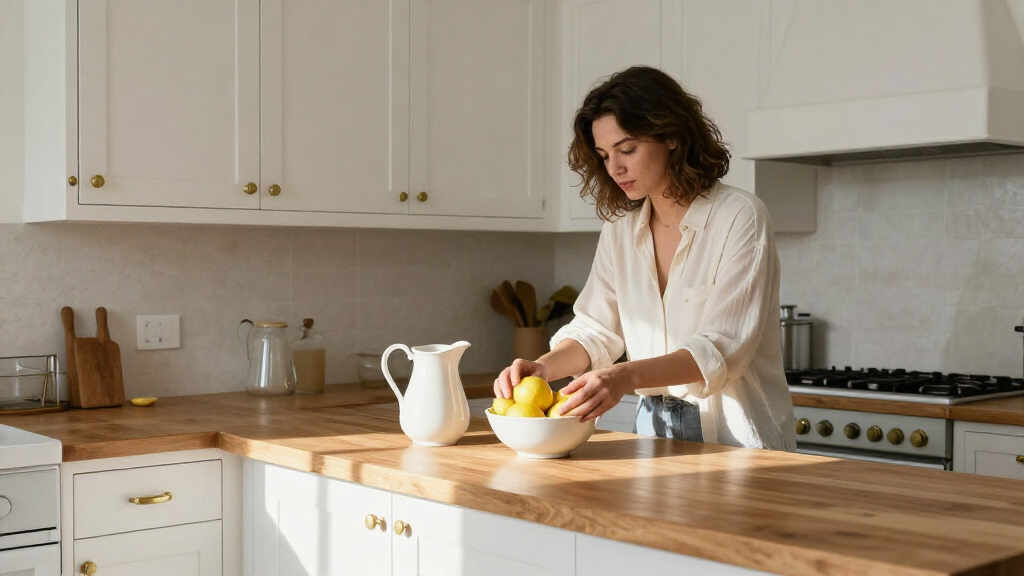
Ina Garten’s Substack decorating advice, reported by Good Housekeeping, recommends choosing a small color palette for kitchen items on display, such as white china and silver. The approach can help create a cohesive look without replacing cabinets or buying a matching set, and Garten also suggests mixing shapes, heights and old and new pieces.
Ina Garten recommends choosing a small color palette for the kitchen pieces on display, suggesting white china and silver as one example. The advice, drawn from a post on her Substack and reported by Good Housekeeping, offers a way to make shelves and counters feel coordinated without renovating the kitchen or replacing a household’s dishes.
Garten’s tip is to keep visible kitchenware within a limited set of complementary colors rather than trying to match every item exactly. Good Housekeeping says the approach can be adapted to items people already own: a few pieces that work together may create a more cohesive display, even if the dishes and accessories vary in style.
The report notes that Garten has used a white-and-silver combination in her own kitchen imagery, including a creamy Dutch oven, muted bowls, silver cake stands and pitchers. That observation is the publication’s description of her displayed items, while the specific advice comes from Garten’s Substack. The recommendation is a styling suggestion, not a requirement to adopt those colors.
Garten also advises displaying dishes and trays that are used and loved, rather than treating shelves as purely decorative. For arrangement, she recommends combining older and newer pieces and varying their shapes and heights. A shelf of only round bowls or only flat plates, she says, can feel less interesting than a mix.
A Cohesive Look Without a Remodel
The appeal of the advice is its low-cost, incremental approach. Kitchen cabinets, countertops and major appliances can be expensive to change; arranging existing plates, serving pieces and cookware by color is a smaller adjustment that does not depend on a full renovation. It may also help homeowners make use of items they already own instead of buying a coordinated collection.
A limited palette can give a display a sense of continuity while allowing individual pieces to differ. As Good Housekeeping explains, variations in material, shape or undertone can still look collected rather than chaotic when the colors relate to one another. That is an editorial interpretation of the decorating effect, not a measured or guaranteed result.
The advice also favors practical display: Garten’s recommendation is to show pieces people actually use and enjoy. Open shelves or glass-front cabinets can make those items visible, but the same idea can be applied to a counter or a small grouping elsewhere in the kitchen. The scale of the display is up to the homeowner.
As an affiliate, we earn on qualifying purchases.
Garten’s Display Advice
Garten is known as the Barefoot Contessa and shares recipes and other advice through her Substack. The Good Housekeeping report presents the small-palette suggestion alongside her additional guidance on arranging dishes and trays. The source material does not provide a publication date for the Substack post, so the timing of Garten’s original advice is not established here.
The report frames white and silver as a classic option, but it does not say those colors are the only suitable choice. Its central point is to choose a limited combination that fits the kitchen and use it consistently among displayed pieces. The advice is about styling visible objects, not changing the kitchen’s fixed finishes or buying a complete matching set.
For a more varied display, Garten suggests pairing old and new items and choosing pieces with different shapes and heights. The report also mentions leaning a platter against a wall or adding a stack of cookbooks or a wireless table lamp to add height. These are optional examples, not necessary steps for applying the palette idea.
silver cake stand for kitchen display
As an affiliate, we earn on qualifying purchases.
As an affiliate, we earn on qualifying purchases.
What the Tip Does Not Promise
The source presents Garten’s advice as a decorating idea, not as a guarantee that a particular palette will make every kitchen look timeless. A display’s effect will depend on the room, the items available and personal taste. White and silver are examples; the report does not set out a universal color rule or a formal design standard.
It is also unclear from the supplied report when Garten published the Substack post or whether she was responding to a specific trend or question. There are no reported measurements, survey findings or before-and-after results attached to the suggestion. Readers should treat claims about a more cohesive or curated look as styling guidance rather than a proven outcome.
white ceramic serving bowls assorted sizes
As an affiliate, we earn on qualifying purchases.
As an affiliate, we earn on qualifying purchases.
How Readers Can Apply It
There is no announced follow-up or product release tied to the advice. Readers who want to try it can begin by looking at the kitchen items already on display, choosing a small group of complementary colors and arranging existing pieces together. Those who prefer Garten’s example can use white china and silver accessories; others can select a palette that suits their own kitchen.
Garten’s other suggestions offer ways to adjust the arrangement without buying a new set: mix older and newer pieces, vary heights and shapes, and add a platter, cookbooks or a lamp if more height is wanted. The next step is simply to see whether the arrangement works for the space and remains useful in everyday cooking.
As an affiliate, we earn on qualifying purchases.
Key Questions
What is Ina Garten’s kitchen styling tip?
Garten advises choosing a small color palette for displayed kitchen items. She gives white china and silver as an example.
Do I need to buy new dishes to follow the advice?
No. Good Housekeeping says the idea can be applied to pieces a homeowner already has. The suggestion is to group complementary items, not to purchase a matching set.
How does Garten suggest arranging dishes?
She recommends mixing old and new pieces and varying shapes and heights, rather than displaying only round bowls or only flat plates.
Are white and silver the only colors Garten recommends?
No. They are the example quoted in the report. The broader advice is to choose a small palette that suits the kitchen and use it consistently.
Where did Garten share the advice?
The tip was published on Garten’s Substack and reported by Good Housekeeping. The supplied report does not state when the Substack post appeared.
Source: rss
Halloween Picks
halloween
As an affiliate, we earn on qualifying purchases.