
You can reheat food twice safely if you follow proper storage and reheating procedures. Make sure leftovers are cooled quickly, stored at the right temperatures, and reheated to at least 165°F to kill bacteria. Avoid reheating spoiled food and pay attention to smell, texture, or color changes indicating spoilage. For specific tips and foods that are safer to reheat multiple times, continue exploring how to keep your meals safe.
Key Takeaways
- Reheat food only once or twice if it has been stored properly and reaches 165°F throughout.
- Avoid reheating leftovers multiple times, especially rice, potatoes, or seafood, due to higher bacterial risks.
- Always cool leftovers quickly within 2 hours and store at safe temperatures (below 40°F).
- Check for spoilage signs like sour smell, sliminess, or discoloration before reheating.
- Use proper heating equipment to ensure even reheating and prevent bacterial survival.

Alpha Grillers Meat Thermometer Digital – Instant Read Food Thermometer for Cooking & Grilling – Professional Kitchen Gift for Men, Dad & Mom
Instant Read Food Thermometer | Our instant read thermometer features a temperature probe and advanced, highly accurate technology…
As an affiliate, we earn on qualifying purchases.
As an affiliate, we earn on qualifying purchases.
Is It Safe to Reheat Food More Than Once?
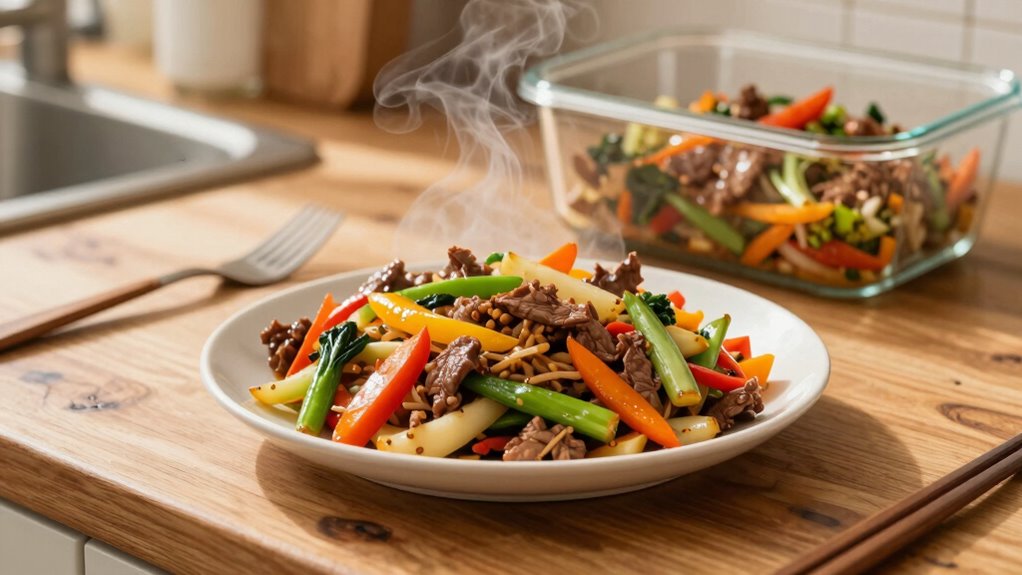
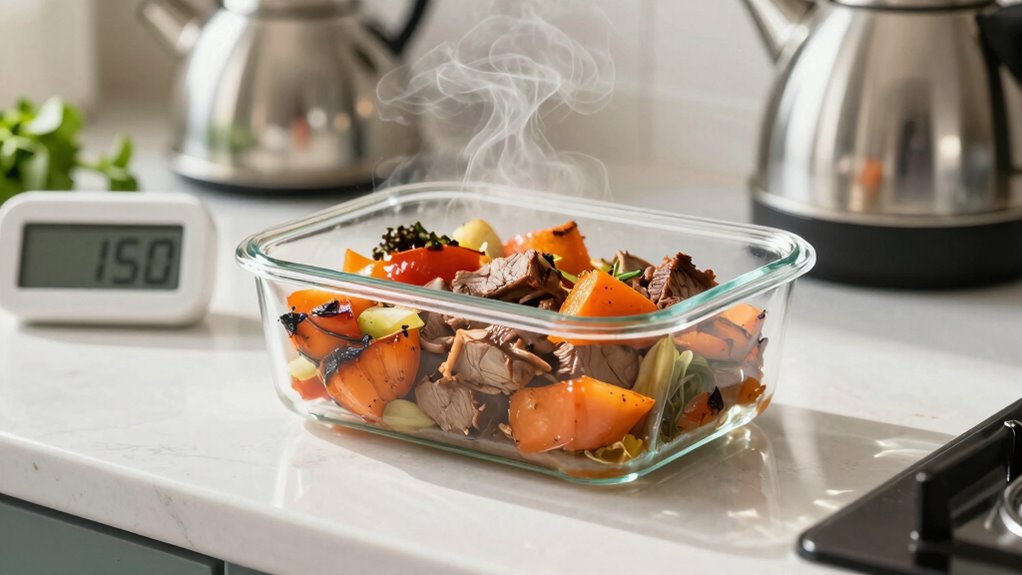
Reheating food more than once can be safe, but only if you handle it properly. When you reheat leftovers multiple times, there’s a risk of foodborne illnesses caused by bacterial growth. Bacteria can multiply rapidly if food isn’t cooled quickly or kept at the right temperature, increasing the chance of harmful pathogens. To minimize this risk, always reheat food thoroughly to an internal temperature of at least 165°F (74°C). Avoid reheating the same dish multiple times without proper storage and check that it’s steaming hot all the way through. If the food has been left out too long or shows signs of spoilage, it’s safer to discard it. Proper handling and reheating practices are key to reducing health risks when reheating food multiple times. Additionally, temperature control is crucial to prevent bacterial growth during storage and reheating, and understanding food safety guidelines can help ensure you’re following best practices. Maintaining proper storage conditions also plays an important role in keeping leftovers safe for multiple reheats. Moreover, proper reheating techniques help ensure that bacteria are effectively destroyed during the process.

50 Pack (100-Piece) 32 oz Meal Prep Containers Reusable with Lids 3-Compartment, To Go Take Out Plastic Food Storage Containers, Sturdy Leakproof Food Safe, Microwave Freezer Dishwasher Safe, Black
【Sturdy & Reusable】Made of premium thick plastic and strong construction, Dealusy meal prep containers with lids 3 Compartment…
As an affiliate, we earn on qualifying purchases.
As an affiliate, we earn on qualifying purchases.
How Do Storage and Temperature Affect Reheating Safety?
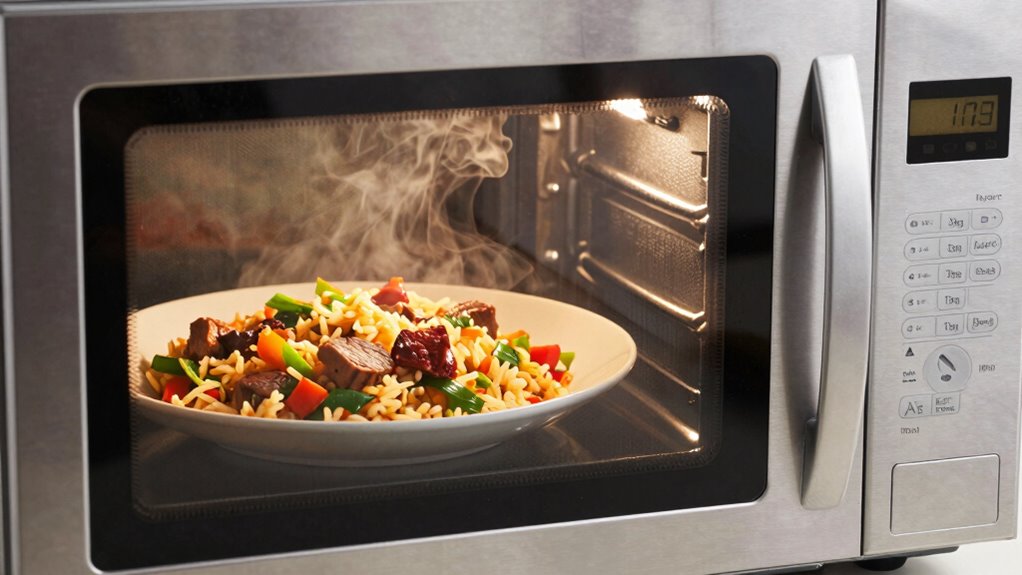
Proper storage and temperature control are crucial for keeping food safe when reheating. If you don’t store leftovers properly or ignore temperature guidelines, bacteria can grow, leading to food spoilage and potential illness. To prevent this, keep hot foods above 140°F and cold foods below 40°F. Use a table like this to understand safe practices:
| Storage Method | Temperature Range | Risk of Spoilage |
|---|---|---|
| Refrigeration | 32°F – 40°F | Low, if maintained |
| Freezing | 0°F or lower | No spoilage |
| Left at room temp | Above 40°F | High, promotes bacteria |
| Reheating | 165°F or higher | Ensures safety |
| Proper cooling | Within 2 hours | Reduces spoilage risk |
Additionally, proper cooling is essential to prevent bacteria growth during the cooling process. Maintaining the correct storage temperatures helps inhibit bacterial activity and keeps food safe longer. Ensuring foods are cooled quickly and stored properly can make a significant difference in preventing foodborne illnesses. Recognizing the importance of temperature safety can help you avoid common pitfalls that lead to food spoilage.

Tovolo Microwave Splatter Cover for Food, Medium (Charcoal) – Collapsible & Vented Silicone Splatter Guard Lid – Microwave Plate & Dish Cover with Handle – BPA-Free Kitchen Gadget for Meal Prep
MICROWAVE COVER: Microwave splatter cover keeps your microwave spotless while heating food evenly with clever vented design that…
As an affiliate, we earn on qualifying purchases.
As an affiliate, we earn on qualifying purchases.
How Can You Tell When Leftovers Aren’t Safe to Reheat?
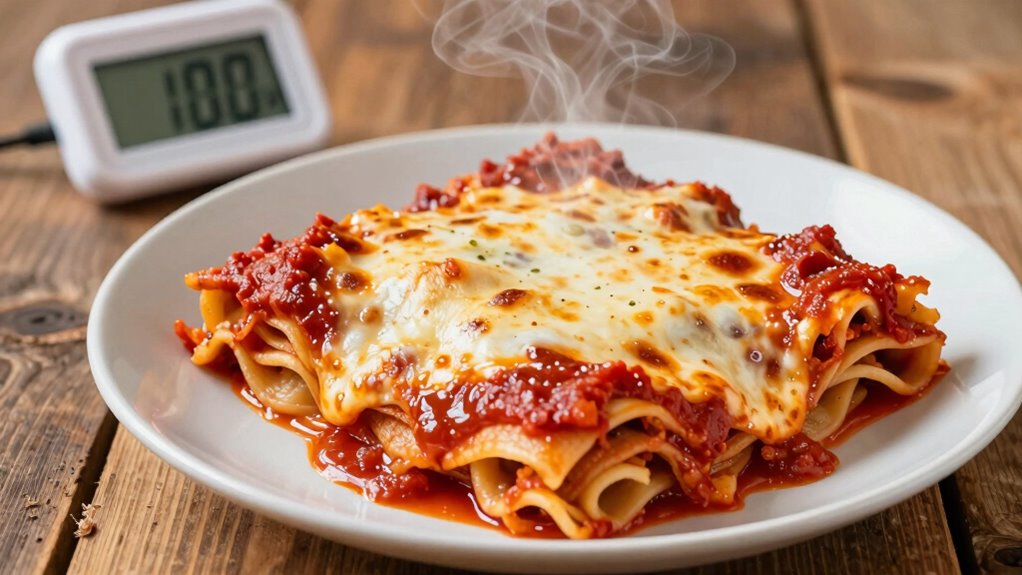
Knowing when leftovers are no longer safe to reheat can save you from foodborne illnesses. If leftovers develop a sour smell, slimy texture, or an unusual color, it’s a sign that bacterial growth has occurred, increasing the risk of food poisoning. Pay attention to how long the food has been stored; leftovers kept beyond 3-4 days are more likely to harbor harmful bacteria. Also, if the food was not stored at the correct temperature or has been left out too long, bacteria can multiply rapidly. Remember, reheating doesn’t always eliminate all bacteria, especially if toxins have formed. When in doubt, it’s safer to discard leftovers rather than risk illness. Trust your senses and follow proper storage guidelines to prevent food poisoning. Understanding food safety can help you make better decisions about reheating leftovers.
Lerine 10 Pack Dishwasher Safe Reusable Bags, Leakproof Reusable Freezer Bags, BPA Free Food Storage Bags for Marinate Food Travel – 3 Gallon 4 Sandwich 3 Snack
[DISHWASHER SAFE] Why bother with hand washing the reusable bags when you have a dishwasher? Thanks to innovative…
As an affiliate, we earn on qualifying purchases.
As an affiliate, we earn on qualifying purchases.
Tips for Reheating Food Safely Multiple Times
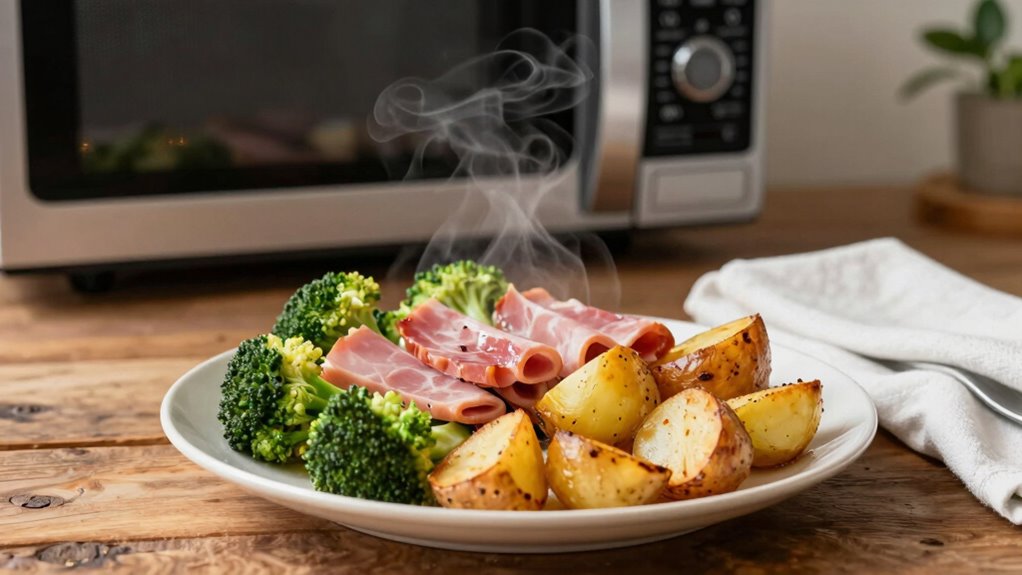
To reheat food safely multiple times, you need to pay close attention to timing, temperature, and how you handle leftovers. First, avoid food safety myths that suggest reheating is always safe; instead, focus on proper reheating practices. Use the right reheating equipment, like a microwave or oven, to ensure even heating. Make sure to bring leftovers to an internal temperature of at least 165°F (74°C) to kill bacteria. Reheat only what you’ll consume, and don’t leave leftovers out for extended periods. Proper storage is also key—divide large portions into smaller containers for quick cooling. Additionally, understanding the importance of food safety and how bacteria can grow with improper handling can help you make better choices. Paying attention to reheating techniques can further reduce the risk of foodborne illness. Ensuring your equipment is well-maintained, such as using a filter to prevent clogs, can also improve reheating results. Regularly checking your appliances for proper functioning can help prevent uneven heating and potential safety issues. By following these tips, you minimize risks and keep your food safe even after multiple reheats.
Which Foods Are Safer to Reheat Multiple Times?
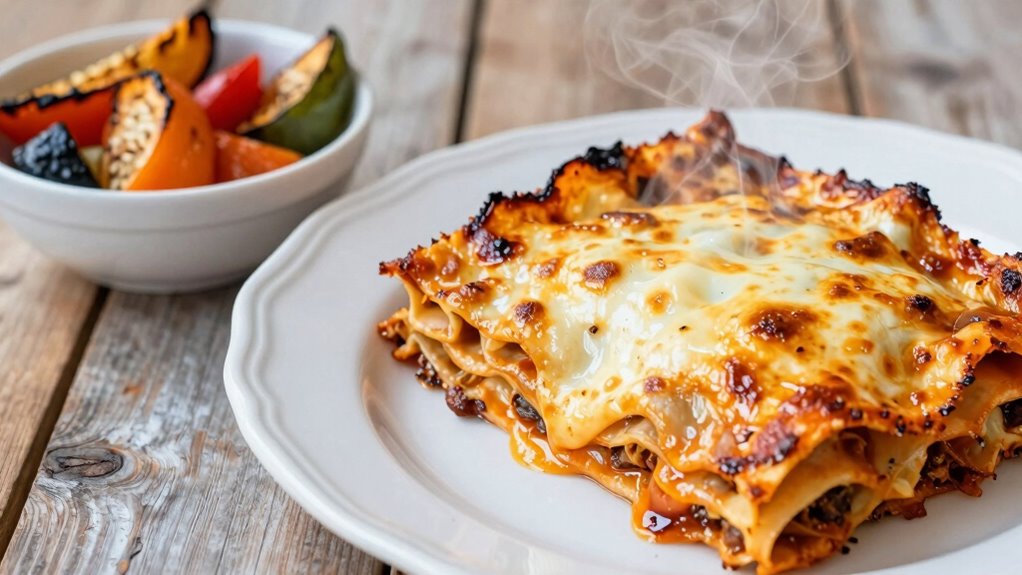
Certain foods stand up better to reheating multiple times without compromising safety or quality. Generally, dishes like soups, stews, and casseroles are safer options because they contain ingredients that withstand reheating better and are less prone to bacterial growth if stored properly. Avoid reheating foods like rice, potatoes, or seafood multiple times, as they pose higher risks if not handled correctly. Remember, food safety myths can lead you to overheat or underheat meals, increasing health risks. Follow reheating guidelines carefully—ensure foods are heated evenly to at least 165°F. Proper storage techniques can prevent bacterial growth and reheating practices are essential to keep your meals safe and delicious through multiple reheats. Being aware of food safety practices can help reduce the risk of foodborne illnesses when reheating leftovers.
Frequently Asked Questions
What Are the Health Risks of Reheating Food Multiple Times?
Reheating food multiple times increases your risk of food poisoning because bacteria can grow each time you cool and reheat leftovers. If food isn’t heated thoroughly, harmful bacteria survive, leading to potential illness. To stay safe, reheat only what you’ll consume and avoid multiple reheats. Proper storage, quick cooling, and thorough heating help minimize bacterial growth, reducing the chances of food poisoning when reheating leftovers.
Does the Type of Container Affect Safe Reheating Practices?
Think of your container as the vessel guiding your food’s journey. The material safety of your container matters; some plastics can release harmful chemicals when heated, while glass or ceramic is safer. Make sure your container is clean to prevent bacteria from hitching a ride. Using the right container not only keeps your food safe but also preserves its flavor and quality, making reheating a worry-free experience.
Can Reheating Alter the Nutritional Value of Leftovers?
Reheating leftovers can cause some nutrient degradation, which means you might lose a small amount of vitamins and minerals, but the calorie content generally stays the same. While reheating doesn’t substantially alter calorie loss, it can reduce certain nutrients like vitamin C and B vitamins. To preserve nutritional value, reheat food gently and avoid overheating. This way, you enjoy your leftovers while maintaining as much of their original nutrients as possible.
How Long Can Reheated Food Be Safely Stored Before Discarding?
Ever wonder how long reheated food stays safe? You should store leftovers in the fridge for no more than 3-4 days before discarding. Always guarantee you reheat to at least 165°F to kill bacteria. Proper food storage and reheating temperature are key to avoiding food poisoning. Don’t take chances—if leftovers look or smell off, it’s better to toss them out and stay safe.
Are There Specific Foods That Should Never Be Reheated?
You should avoid reheating certain foods like rice, eggs, and seafood, as they pose food safety risks if mishandled. Reheating guidelines recommend thorough heating to kill bacteria, but some foods can develop toxins if cooled improperly. Always check for spoilage and reheat only once or twice, following safe practices. If in doubt, it’s best to discard leftovers to prevent foodborne illnesses and guarantee safety.
Conclusion
Remember, reheating food is like walking a tightrope—balance is key. If you follow proper storage, keep an eye on temperatures, and reheat only when necessary, you can enjoy leftovers safely without risking a food mishap. Always trust your senses; if something smells or looks off, it’s better to toss it than gamble with your health. Staying cautious keeps your meals safe and your stomach happy, turning leftovers into a delicious encore rather than a risky performance.