
You can safely keep cooked chicken in your fridge for up to four days. After that, bacteria may grow to unsafe levels, increasing your risk of illness. To keep it fresh, store it in airtight containers at or below 40°F and reheat thoroughly to 165°F before eating. If you notice any spoilage signs, discard it. For more tips on storing and handling cooked chicken properly, keep exploring.
Key Takeaways
- Cooked chicken is safe to eat within 3-4 days when stored properly in the fridge at or below 40°F (4°C).
- Discard cooked chicken if it develops an unpleasant smell, slimy texture, or discoloration before 4 days.
- Cool chicken quickly after cooking using shallow containers or ice baths within 2 hours to prevent bacteria growth.
- Reheat chicken to an internal temperature of 165°F (74°C) and avoid multiple reheatings to maintain safety.
- Freeze leftovers if not consumed within 3-4 days, and store at 0°F (-18°C) to extend shelf life safely.
How Long Can You Safely Keep Cooked Chicken in the Fridge?
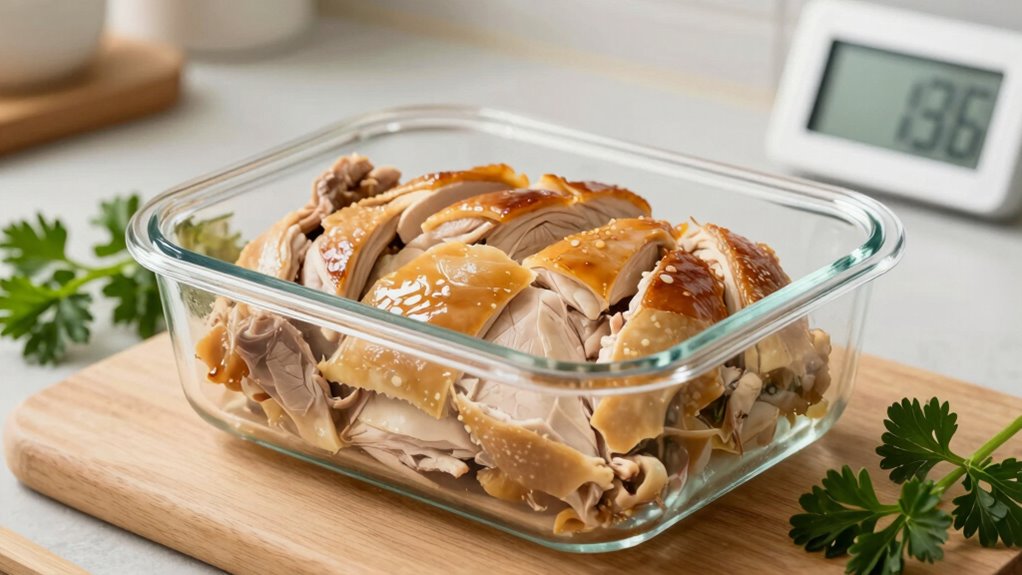
How long can you keep cooked chicken in the fridge without risking food safety? Generally, the storage duration for cooked chicken is about three to four days. After this period, bacteria can grow to unsafe levels, increasing the risk of foodborne illness. It’s vital to refrigerate cooked chicken promptly—within two hours of cooking—to maintain food safety. Keep your cooked chicken in airtight containers to prevent cross-contamination and guarantee it stays fresh. If you notice any change in smell, texture, or appearance before the recommended storage duration, discard it. Proper storage is essential to avoid health risks and preserve the quality of your meal prep. Understanding proper food storage practices can help you extend the safety and freshness of your cooked chicken. Additionally, maintaining consistent refrigeration temperatures is crucial for preventing bacterial growth. Being aware of food safety guidelines can help you keep your cooked chicken safe to eat for as long as possible.
How to Properly Store Cooked Chicken to Keep It Fresh and Safe
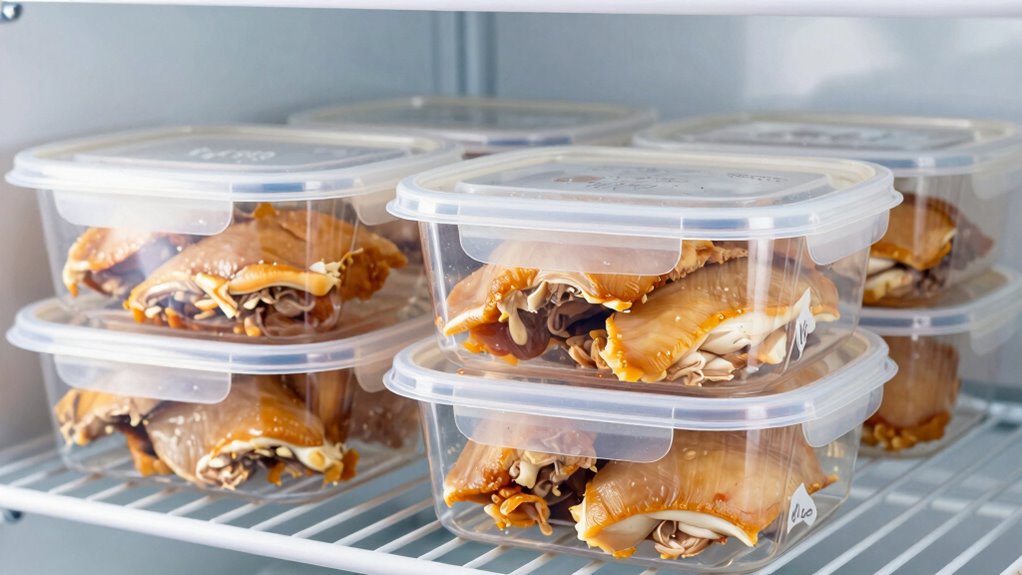
To keep your cooked chicken fresh and safe, start by cooling it quickly after cooking to prevent bacteria growth. Use airtight containers properly to prevent contamination and keep moisture in. Finally, store the chicken at the correct temperature in the fridge, ideally at or below 40°F, to maintain its safety and quality. Additionally, be aware of storage duration guidelines to ensure you consume the chicken within a safe timeframe. Maintaining proper food safety practices is essential to prevent foodborne illnesses. Proper refrigeration techniques also help extend the freshness of your cooked chicken, especially when combined with monitoring temperature control during storage. Always check food safety standards to stay informed about safe handling and storage durations.
Cool Rapidly After Cooking
After cooking your chicken, it’s important to cool it quickly to prevent bacteria growth. Rapid cooling helps maintain food safety and extends its freshness. To do this, transfer the cooked chicken to shallow containers, which speeds up heat loss. Avoid leaving it in large piles; instead, divide it into smaller portions. Using an ice bath can also help lower the temperature faster. Remember, bacteria thrive between 40°F and 140°F, so the quicker you cool, the safer your chicken stays. Properly handling cooked poultry is crucial for preventing foodborne illnesses. Here’s a quick guide:
| Step | Method | Time Frame |
|---|---|---|
| Use shallow containers | Spread out chicken evenly | Within 2 hours |
| Ice bath | Submerge container in ice | 1 hour or less |
| Stir occasionally | Distribute heat evenly | During cooling |
| Remove from heat | Transfer to fridge | ASAP after cooling |
| Keep covered | To prevent contamination | Once cooled |
Prioritize rapid cooling to ensure food safety. Properly food storage is essential for maintaining freshness and preventing spoilage.
Use Airtight Containers Properly
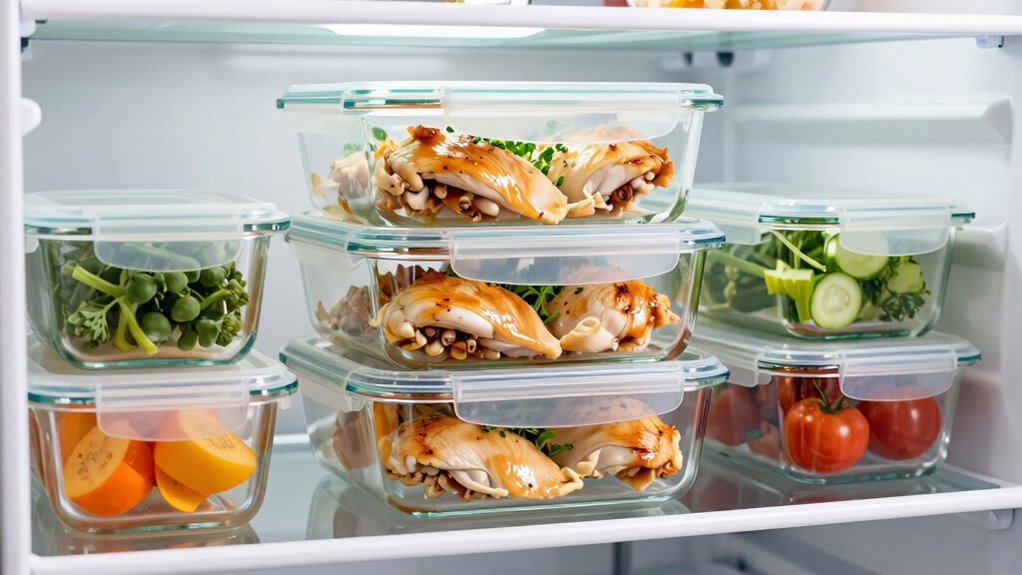
Using airtight containers is essential for keeping cooked chicken fresh and safe. Proper sealing prevents air exposure that can cause spoilage or bacterial growth. When storing, choose containers that fit your portion size to minimize air gaps. Ensure the lid clicks or locks securely to maintain a tight seal. Label containers with the date to track freshness. Always check for cracks or damage before use to avoid leaks. Using quality airtight containers helps preserve flavor and texture while reducing contamination risk. Additionally, food safety practices such as proper cooling and hygiene are crucial to prevent cross-contamination and ensure safe storage during food preservation. Maintaining an optimal storage temperature is also vital to inhibit bacterial growth and extend the freshness of cooked chicken.
Store at Correct Temperature
Proper temperature regulation is essential for keeping cooked chicken safe and fresh. To guarantee proper storage, always refrigerate cooked chicken within two hours of cooking, or one hour if the room temperature is above 90°F. Set your refrigerator to 40°F (4°C) or below to prevent bacterial growth. Use a food thermometer to verify the temperature, especially if you’re storing leftovers for several days. When storing, place cooked chicken in airtight containers or wrap it tightly with foil or plastic wrap to maintain proper storage conditions and prevent cross-contamination. Keep the chicken on the main shelf rather than the door, as the temperature is more stable there. Maintaining correct temperature control is key to preserving quality and reducing the risk of foodborne illness. Additionally, understanding the Greek Sceptic approach to questioning assumptions can help you stay vigilant about food safety practices. Regularly monitoring storage conditions and temperature fluctuations allows you to better assess the safety of your leftovers over time. Being aware of air purifier maintenance practices can also serve as a reminder to regularly check your kitchen appliances for optimal operation. Recognizing the importance of vacuum features in keeping your environment clean can further support a healthy kitchen space. Proper storage techniques can also help prevent spoilage caused by improper humidity control within your refrigerator.
Signs Your Cooked Chicken Has Gone Bad
Cooked chicken can spoil quickly, so it’s important to recognize the signs that indicate it’s no longer safe to eat. If you notice any of these indicators, it’s a sign of poultry contamination that could lead to foodborne illness if consumed.
- Unpleasant sour or rotten smell
- Slimy or sticky texture
- Change in color, such as gray or greenish hues
- Unusual or foul odor even after reheating
- Mold growth or visible spots
Trust your senses; if anything seems off, discard the chicken immediately. Consuming spoiled cooked chicken increases the risk of foodborne illness caused by bacteria like Salmonella or Campylobacter. Proper storage techniques, such as airtight containers, can help prevent bacterial growth and prolong freshness. Understanding food safety guidelines is essential to prevent health risks. Regularly monitor storage times to avoid keeping cooked chicken beyond the recommended period, and be aware that proper handling is key to maintaining safety.
The Best Way to Reheat Cooked Chicken Safely
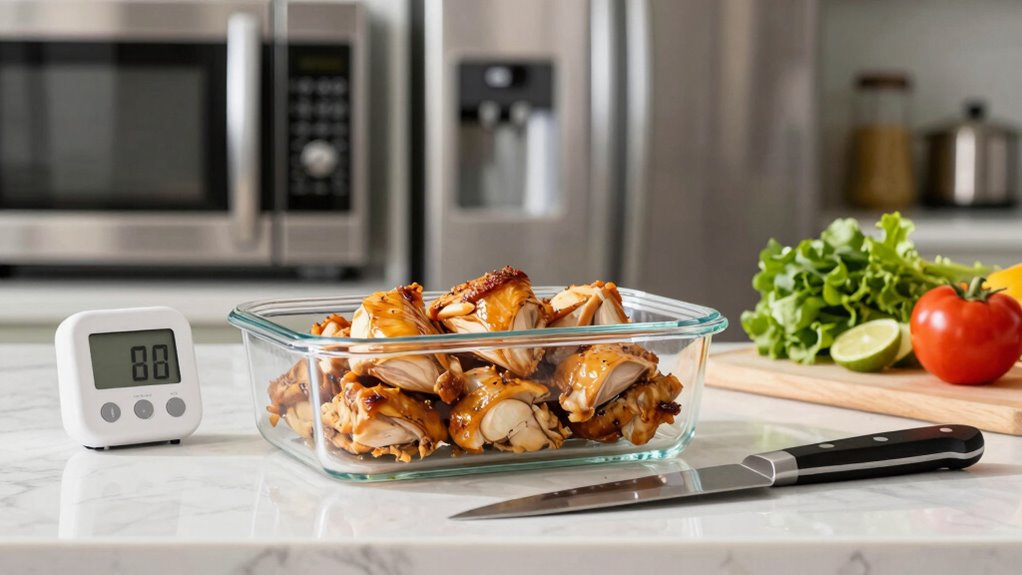
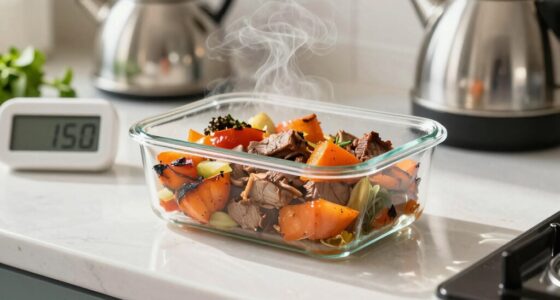
Reheating cooked chicken safely is essential to prevent foodborne illnesses. To ensure food safety, always reheat chicken to an internal temperature of 165°F (74°C). Use a food thermometer to check the temperature, avoiding guesswork. When reheating, opt for methods like stovetop, oven, or microwave, which evenly distribute heat. Cover the chicken to retain moisture and promote uniform heating, and stir or turn pieces as needed. Maintain kitchen hygiene by washing your hands thoroughly before handling food and cleaning all utensils and surfaces afterward. Avoid reheating multiple times, as repeated heating can increase bacterial growth. Proper reheating not only preserves flavor and texture but also minimizes health risks, keeping your meals safe and enjoyable. Additionally, understanding nanotechnology advancements can lead to improved food safety tools and techniques in the future.
Can You Freeze Cooked Chicken to Extend Its Shelf Life?
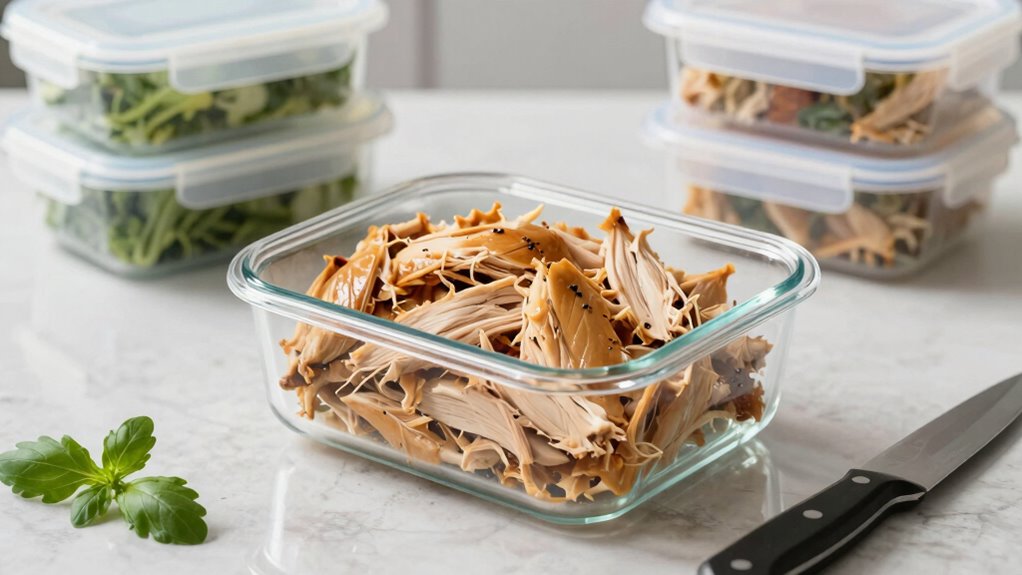
You can freeze cooked chicken to help it last longer, but proper techniques guarantee it stays safe and fresh. Using airtight packaging and labeling your containers ensures it stays safe and fresh. When you’re ready to eat it, knowing how to thaw and reheat correctly keeps your meal safe and tasty.
Proper Freezing Techniques
Freezing cooked chicken is an effective way to extend its shelf life and prevent waste, but it’s important to do so properly to maintain quality and safety. To maximize frozen storage and ensure your chicken stays fresh, use proper freezing techniques. Start by cooling the cooked chicken quickly to prevent bacteria growth. Wrap it tightly in plastic wrap or aluminum foil, then place it in an airtight container or heavy-duty freezer bag. Remove excess air to avoid freezer burn. Label the package with the date to track storage time. For best results, keep your freezer at 0°F (-18°C). Remember, proper freezing techniques help preserve flavor, texture, and safety.
- Use airtight containers or freezer bags
- Remove as much air as possible
- Label with date before freezing
- Cool chicken before freezing
- Keep freezer at 0°F
Thawing and Reheating Tips
To safely enjoy cooked chicken after freezing, proper thawing and reheating are essential. Use the right thawing methods, such as thawing in the refrigerator, in cold water, or using a microwave. Each method guarantees the chicken stays at a safe temperature and prevents bacterial growth. When reheating, focus on reheating techniques that evenly warm the chicken to an internal temperature of 165°F (74°C). Avoid leaving cooked chicken out at room temperature. Here’s a quick guide:
| Thawing Methods | Reheating Techniques | Best Use Case |
|---|---|---|
| Refrigerator thawing | Microwave reheating | Quick, safe thawing |
| Cold water thawing | Oven or stovetop reheating | Even reheating for larger portions |
| Microwave thawing | Use a food thermometer to ensure safety | When time is limited |
Meal Prep Tips to Reduce Waste and Keep Chicken Safe
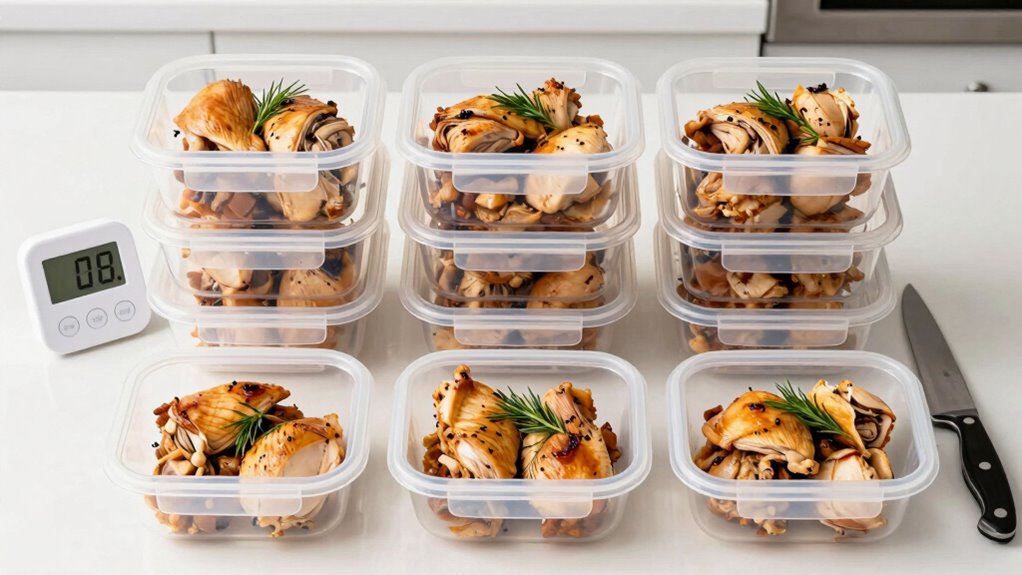
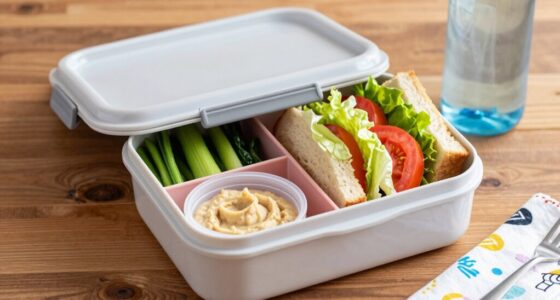
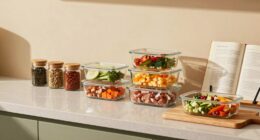
Reducing waste and maintaining chicken safety during meal prep starts with proper planning and storage. To prevent spoilage, always use airtight containers and label them with dates. Keep your food storage area clean, and regularly sanitize your kitchen surfaces to uphold kitchen hygiene. This minimizes contamination risks and extends the freshness of your cooked chicken. Here are some tips to help you stay efficient:
- Plan meals to avoid over-prepping
- Use clear containers to monitor freshness
- Store chicken at or below 40°F
- Freeze leftovers if not consumed within 3-4 days
- Avoid cross-contamination by separate storage of raw and cooked foods
Implementing these practices helps reduce waste, keeps your chicken safe, and promotes a healthier kitchen environment.
FAQs About Storing and Handling Cooked Chicken
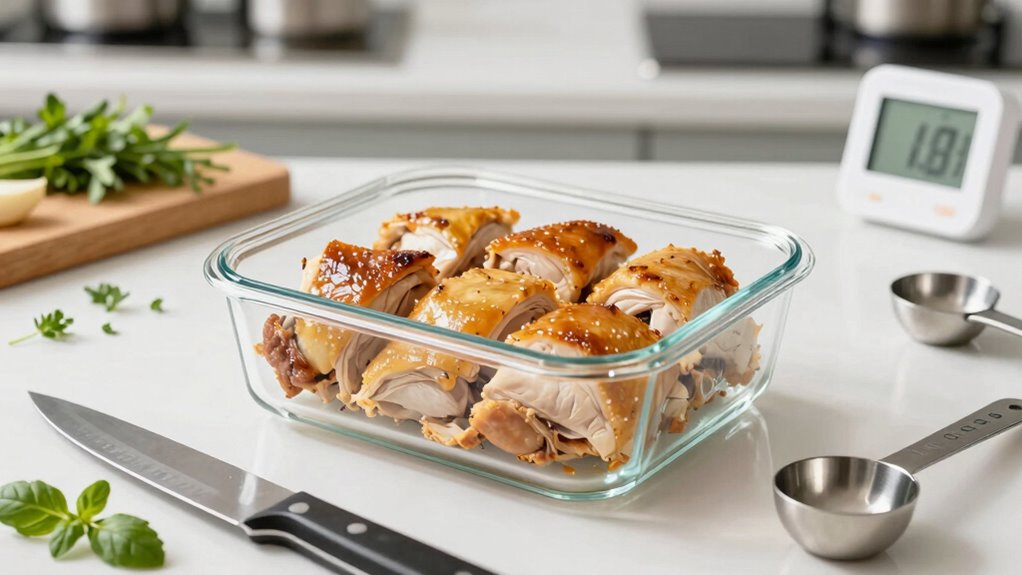
Storing and handling cooked chicken properly is key to keeping it safe and tasty for future meals. To ensure food storage and kitchen safety, always refrigerate cooked chicken within two hours of cooking. Use airtight containers to prevent contamination and maintain freshness. When reheating, make sure the chicken reaches an internal temperature of 165°F. Proper handling reduces the risk of bacteria growth and foodborne illnesses.
| Question | Best Practice | Why It Matters |
|---|---|---|
| How long can I keep cooked chicken? | Up to 3-4 days in the fridge | Prevents bacterial growth |
| Can I freeze cooked chicken? | Yes, for up to 4 months | Extends shelf life |
| How should I thaw frozen chicken? | Thaw in the fridge or microwave | Ensures even heating and safety |
How Do You Know When Cooked Chicken Is Still Safe to Eat?

Wondering if your cooked chicken is still safe to eat? To determine its safety, rely on your senses and poultry hygiene practices. First, check for any unusual smell—sour or off odors indicate spoilage. Look for a slimy or sticky texture, which signals bacteria growth. Examine the color; if it’s dull or grayish, discard it. Also, consider how long it’s been stored—generally, cooked chicken is safe for up to 3-4 days in the fridge. Remember, proper food safety tips include reheating thoroughly and keeping cooked chicken at 40°F (4°C) or below.
- Smell test for off odors
- Visual inspection for discoloration
- Texture check for sliminess
- Time since cooking
- Proper storage temperature
What Should You Do If You’re Unsure About Your Cooked Chicken’s Safety?
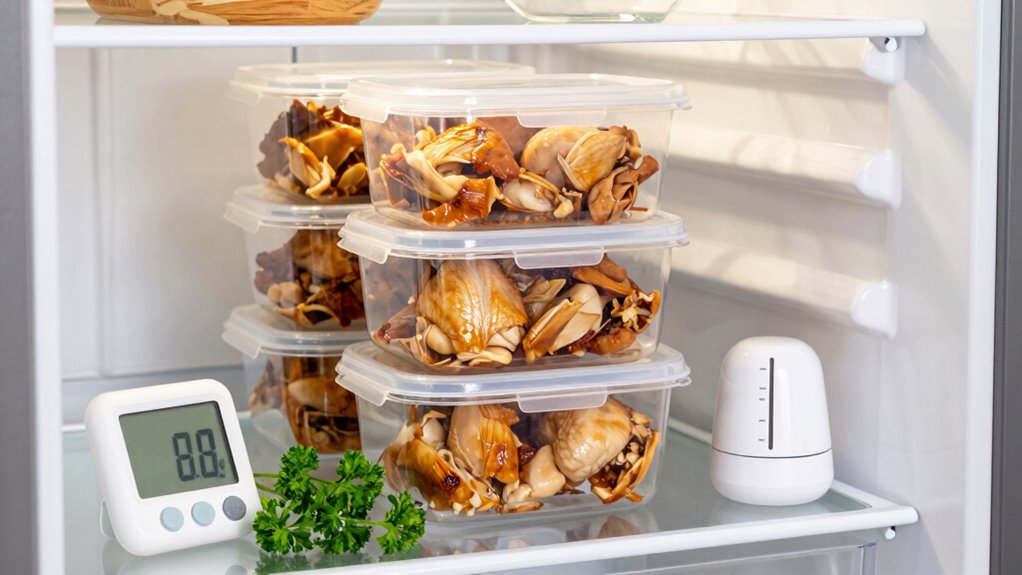
If you’re unsure whether your cooked chicken is still safe to eat, the best approach is to err on the side of caution. When in doubt, prioritize food safety to prevent illness. Check for spoilage signs such as bad odor, slimy texture, or discoloration. If any of these are present, discard the chicken immediately. Use this guide to help decide:
| Spoilage Signs | Safe to Eat? | Action |
|---|---|---|
| Off smell | No | Discard |
| Slimy texture | No | Discard |
| Unusual color | No | Discard |
Frequently Asked Questions
Can Cooked Chicken Be Left Out Overnight Safely?
You shouldn’t leave cooked chicken out overnight at room temperature, as this promotes bacterial growth. Bacteria can multiply rapidly between 40°F and 140°F, making it unsafe to eat. If your cooked chicken has been left out for more than two hours, it’s best to discard it to prevent foodborne illness. Always refrigerate cooked chicken promptly to keep it safe and fresh for later consumption.
What Is the Maximum Storage Time for Cooked Chicken in the Fridge?
Did you know that 1 in 6 Americans get sick from foodborne illnesses each year? You should store cooked chicken in the fridge for no more than 3 to 4 days, following food safety and storage guidelines. After that, bacteria can grow rapidly, increasing the risk of food poisoning. Always keep cooked chicken refrigerated at 40°F or below and reheat it thoroughly before eating.
How Can I Tell if Cooked Chicken Is Contaminated?
You can tell if cooked chicken is contaminated by checking for spoilage indicators like a sour or foul odor, slimy texture, or discoloration. Poor storage conditions often accelerate spoilage, so always refrigerate chicken promptly and keep it at proper temperatures. If it develops any of these signs, discard it immediately to avoid foodborne illnesses. Trust your senses—when in doubt, throw it out.
Does Reheating Destroy Bacteria in Cooked Chicken?
Reheating can kill some bacteria, but it doesn’t guarantee complete bacteria elimination if the chicken was contaminated or improperly stored. The reheating effectiveness depends on reaching an internal temperature of 165°F, which helps destroy harmful bacteria. However, reheating multiple times or uneven heating can leave bacteria behind. To guarantee safety, reheat thoroughly and consume leftovers within recommended timeframes, typically 3-4 days after cooking.
Is It Safe to Refreeze Cooked Chicken After Thawing?
Yes, it’s safe to refreeze cooked chicken after thawing if you follow proper freezing methods and thawing procedures. Make sure the chicken was thawed in the refrigerator, not at room temperature, to prevent bacteria growth. Once thawed, refreeze within 1-2 days. Proper handling reduces the risk of foodborne illness, so always check for signs of spoilage before refreezing and consuming the chicken.
Conclusion
So, next time you meal prep, ask yourself: how fresh is your cooked chicken really? By storing it properly, keeping an eye out for signs of spoilage, and knowing how long it stays safe, you can enjoy your meals without worry. Isn’t it worth taking a few extra minutes to guarantee your food is safe? Remember, when in doubt, it’s better to be safe than sorry—your health depends on it.