TL;DR
More than 100,000 eggs have been recalled nationwide following confirmation of Salmonella contamination. The recall affects multiple brands and regions, raising public health concerns. Authorities continue to investigate the source of contamination.
The Food and Drug Administration (FDA) and the United States Department of Agriculture (USDA) announced a recall of over 100,000 eggs across multiple states after laboratory tests confirmed Salmonella contamination in specific batches. This recall affects several brands sold at major grocery chains and raises concerns about food safety and public health.

Get kitchen gear delivered free with Prime
- Fast, free delivery on millions of items
- Prime Video, Amazon Music and more included
- Member-only deals all year
The recall was initiated after routine testing identified Salmonella bacteria in eggs produced by Midwest Poultry Services. You can learn more about food safety recalls in our latest food safety alerts. The contaminated eggs were distributed to stores including Kroger, Brookshire, and other regional grocery chains. The affected batches include eggs with production codes indicating they were packaged between February 15 and March 10, 2026. For recent recalls, see our recall notices.
According to the FDA, no confirmed cases of illness have been reported yet, but health officials warn consumers to discard any eggs matching the recalled batch codes. The eggs were sold in cartons ranging from dozen-sized to larger bulk packs, with expiration dates through April 2026. Find out about other food safety issues in our food safety section.
Public Health Risks from Salmonella-Contaminated Eggs
This recall underscores the ongoing risks of Salmonella in raw eggs, which can cause severe foodborne illness, especially in vulnerable populations such as children, the elderly, and immunocompromised individuals. The incident highlights the importance of proper food handling, cooking, and inspection procedures in preventing outbreaks. It also raises questions about supply chain safety and the effectiveness of current testing protocols.
Products Worth Considering

Vitamix 5200 Blender with 64 oz Container, Black
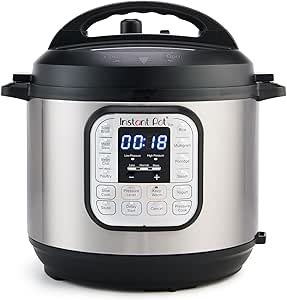
Instant Pot Duo 6 Qt 7-in-1 Electric Pressure Cooker, Stainless Steel

Instant Pot InstantChill Ice Cream Maker with Rolled Ice Cream Plate, 2-Pint Capacity
As an affiliate, we earn on qualifying purchases.
Background on Egg Recalls and Salmonella Incidents
Egg recalls due to Salmonella contamination have occurred periodically in recent years, with previous notable cases in 2018 and 2023. The contamination often results from lapses in sanitation or processing procedures at poultry farms or packing facilities. The current recall follows an increase in Salmonella reports linked to eggs, prompting increased scrutiny by regulators and industry stakeholders. The FDA and USDA continue to monitor the situation and investigate the source of contamination.
“We are working closely with producers to identify and remove contaminated eggs from the supply chain to protect consumers.”
— FDA spokesperson
Unconfirmed Details About Contamination Source
It is still unclear exactly how the Salmonella contamination occurred and whether other batches or brands might be affected. Investigations are ongoing, and authorities have not yet identified a definitive source or farm implicated in the contamination. No reports of widespread illness have been confirmed at this stage.
Next Steps in the Recall and Monitoring Efforts
Regulators and the affected companies are conducting further testing and tracing the supply chain to identify potential sources of contamination. Consumers are advised to check their egg cartons using the provided codes and follow safety instructions. Authorities will update the public as new information becomes available and may expand the recall if additional risks are identified.
Key Questions
Which brands are affected by the egg recall?
The recall affects several brands sold in major grocery stores, including Kroger, Brookshire, and others, with specific batch codes listed by the FDA and USDA.
What should I do if I have eggs from the recalled batches?
Consumers should dispose of any eggs matching the recall codes and avoid using them. Check cartons for production codes and expiration dates, and follow guidance from health officials.
Are there reports of illness linked to this recall?
As of now, no confirmed cases of Salmonella illness have been reported related to this recall, but health officials remain vigilant.
How can I prevent Salmonella infection from eggs?
Cook eggs thoroughly until both the whites and yolks are firm, wash hands and surfaces after handling raw eggs, and store eggs at proper refrigeration temperatures.
Source: google-trends