
To cool large pots of soup safely, divide the hot soup into smaller, shallow containers to increase surface area and speed up cooling. Place these containers in an ice bath or use cold water to help lower the temperature quickly. Stir occasionally and monitor with a thermometer to make certain the soup drops from 135°F to below 70°F within two hours, then to under 41°F within six hours. Keep your soup safe—see how to do it right.
Key Takeaways
- Divide hot soup into shallow, smaller containers to maximize surface area for faster cooling.
- Use ice baths or cold water surrounds to rapidly lower temperature, especially for large pots.
- Stir soup occasionally to evenly distribute heat and facilitate quicker cooling.
- Ensure soup cools from 135°F to below 70°F within 2 hours, then to under 41°F within 6 hours total.
- Transfer cooled soup into airtight, shallow containers for safe storage and prevent bacterial growth.

Chefman Electric Smokeless Indoor Grill w/ Non-Stick Cooking Surface & Adjustable Temperature Knob from Warm to Sear for Customized BBQing, Dishwasher Safe Removable Water Tray, Black
GRILLED FLAVOR, LESS SMOKE: This grill produces less smoke than traditional indoor grills, so you can enjoy perfectly...
As an affiliate, we earn on qualifying purchases.
What’s the Best Way to Cool Large Pots of Soup?
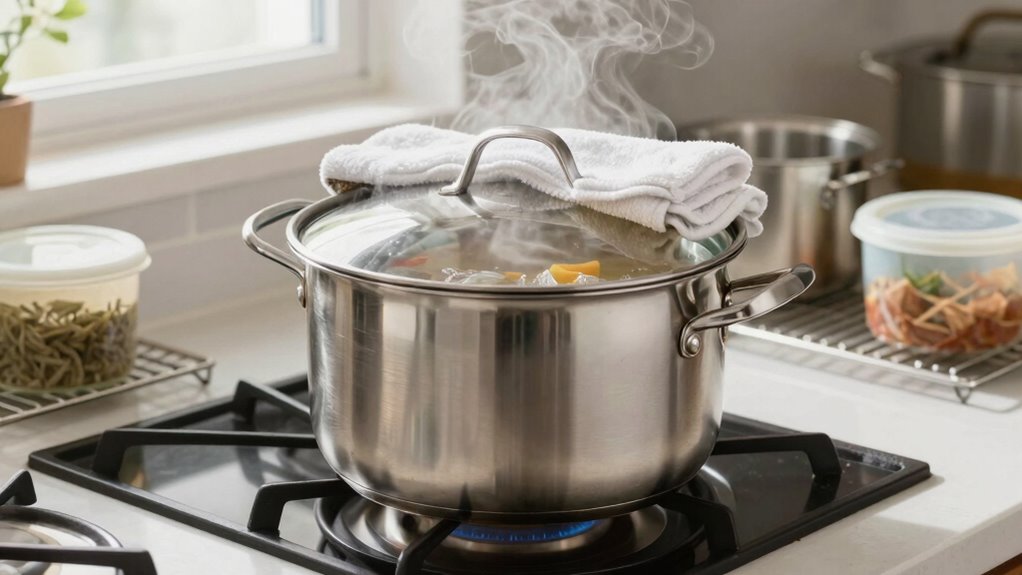
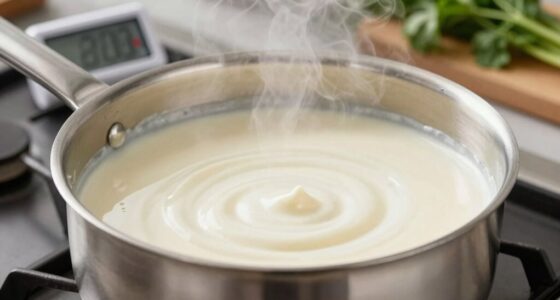
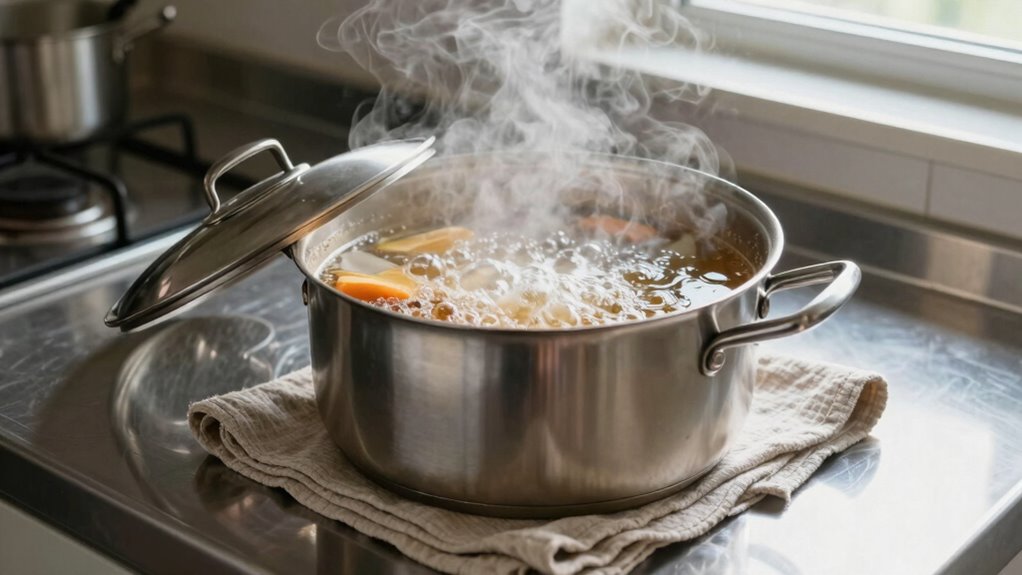
Cooling large pots of soup quickly and safely is essential to prevent bacterial growth. To guarantee food safety, use proper kitchen equipment like shallow pans or containers to increase surface area. Divide the hot soup into smaller portions, which cool faster than a single large pot. Utilize ice baths or double boiler setups to accelerate cooling, but always monitor the temperature to prevent contamination. Stir the soup occasionally to distribute heat evenly and promote rapid cooling. Avoid leaving the soup at room temperature for extended periods, as this invites bacteria. Properly cooling your soup not only safeguards health but also preserves flavor and texture. Additionally, understanding the importance of temperature control can significantly improve your cooling process. Monitoring the contrast ratio is crucial, as it affects how well you can see details in different lighting conditions. Using appropriate containers can further enhance cooling efficiency by maximizing surface contact and heat transfer, making the process even safer and more effective. Ensuring proper air circulation around the containers can also aid in faster cooling, especially in warm environments. Incorporating proper sanitation practices ensures that no harmful bacteria are introduced during the cooling process. By following these techniques, you help maintain food safety and make efficient use of your kitchen equipment.

Electric Indoor Grill 1500W -2 in 1 Smokeless Indoor Grill for Kitchen with Non-stick Removable Grill & Griddle Plate,Temperature Control Korean BBQ Grill with 3 Cheese Pans Dishwasher Safe
【2-in-1 Indoor Electric Grill】This 1500W electric indoor grill comes with a baking tray and grill mesh, providing diverse...
As an affiliate, we earn on qualifying purchases.
Why Proper Cooling Prevents Foodborne Illness
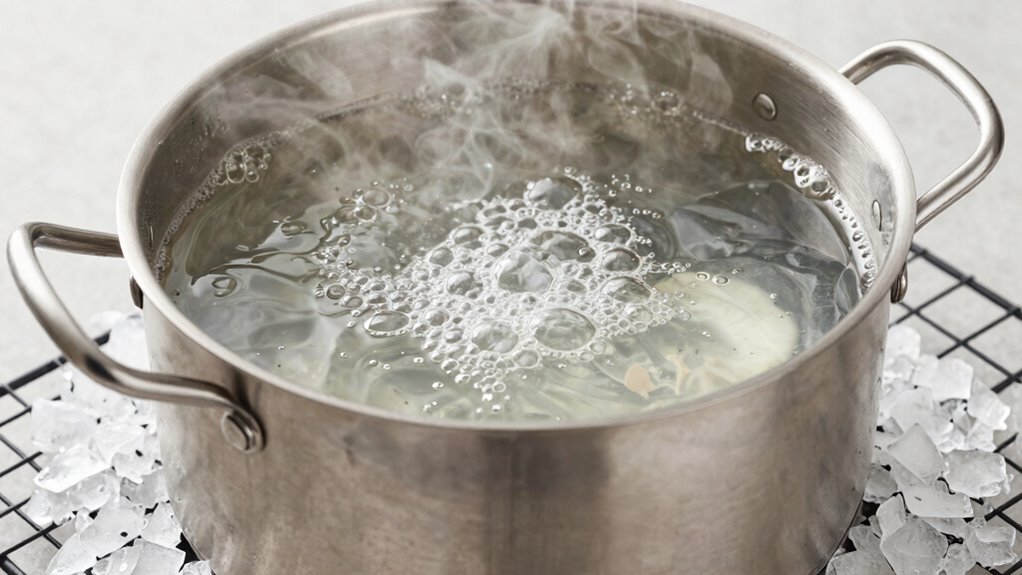
Properly cooling soup isn’t just about preserving flavor—it’s key to preventing foodborne illnesses. When you cool soup properly, you stop bacteria from multiplying rapidly, keeping your food safe. Unsafe cooling can lead to dangerous bacteria growth, risking illness. To understand why, consider this table:
| Step | Why It Matters | Result |
|---|---|---|
| Rapid cooling | Slows bacteria growth | Safer food preservation |
| Avoiding large containers | Limits temperature zones | Even cooling |
| Using shallow pans | Increases surface area | Faster cooling |
| Proper storage | Maintains safe temperatures | Kitchen safety |
Additionally, employing proper cooling techniques helps ensure the soup reaches safe temperatures quickly, further preventing bacterial proliferation. Maintaining the correct food safety practices during cooling is essential for health and safety. Implementing temperature control methods is also crucial for preventing the growth of harmful bacteria during the cooling process. Being aware of bacterial growth patterns can help optimize cooling strategies to keep food safe. Properly monitoring cooling times is vital to prevent the emergence of dangerous bacteria.

Pukomc Electric Indoor Grill,2 in 1 Indoor Grills for Kitchen with Grill Net & Non-Stick Cooking Removable Plate, Temperature Control, Dishwasher Safe, 1700W Smokeless barbecue
【VERSATILE GRILLING OPTIONS】 Comes with a range of cooking options, including grilling, roasting, and even frying, which means...
As an affiliate, we earn on qualifying purchases.
Step-by-Step Guide: How to Cool Soup Safely
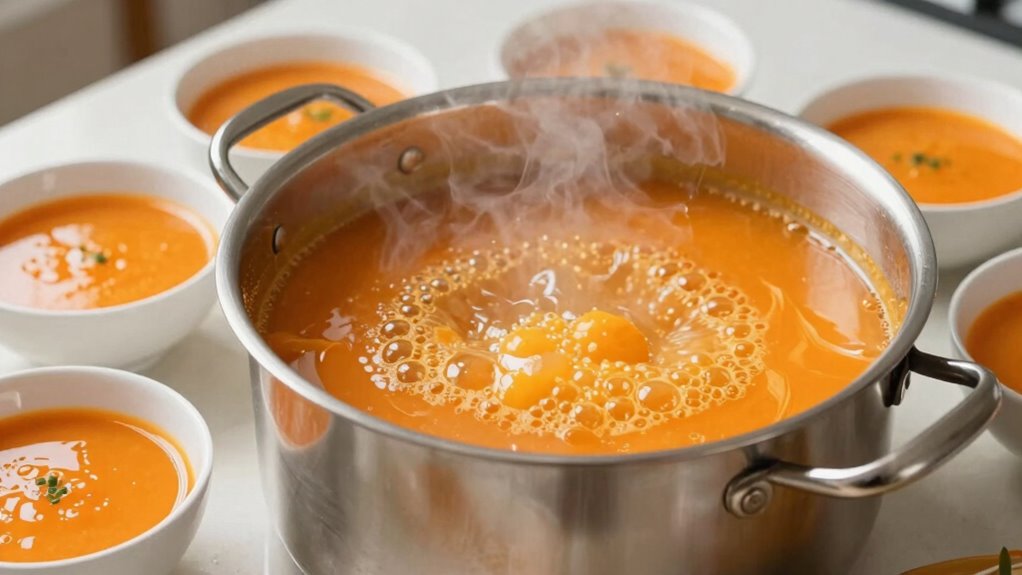
Cooling soup safely starts with using proper techniques to prevent bacteria growth. You should monitor the temperature regularly to guarantee it cools quickly and stays within safe ranges. Incorporating modern connected cooking devices can help automate temperature monitoring for more precise cooling. Utilizing smart kitchen technology can further optimize the process, ensuring your soup cools efficiently and safely. Additionally, understanding the cooling rule helps prevent the middle from becoming dangerous during the cooling process. Keeping the proper cooling time in mind ensures that the entire pot cools evenly without risk of spoilage. Being aware of temperature thresholds is crucial for maintaining food safety throughout the cooling process.
Proper Cooling Techniques
When you need to cool soup safely, acting quickly and following the right steps is essential to prevent bacterial growth. Start by dividing large quantities into smaller, shallow containers to promote faster cooling. This technique helps the soup reach safe temperatures more quickly, preserving flavor and ensuring ingredients stay fresh. Avoid leaving soup in the pot for too long at room temperature, as prolonged exposure can lead to spoilage. Stirring occasionally during cooling can also help distribute heat evenly. Using ice baths or placing containers in cold water accelerates cooling and maintains the soup’s taste and quality. Proper cooling techniques keep your soup delicious and safe while maintaining the integrity of ingredients, making sure the flavors stay vibrant and preserved. Additionally, understanding temperature control is crucial to ensure the soup cools efficiently and stays safe for consumption. Incorporating food safety guidelines can further reduce the risk of contamination and spoilage during the cooling process.
Safe Temperature Monitoring
To guarantee your soup cools safely, it’s essential to monitor its temperature accurately throughout the process. Regular temperature checks ensure you’re following proper food safety guidelines and prevent the growth of harmful bacteria. Use a reliable food thermometer to measure the soup’s temperature at different points, especially in the middle, where heat may linger. Record these readings to track cooling progress. When the soup reaches 70°F within two hours, continue cooling it to 40°F or below within the next four hours. Proper cooling techniques are crucial for safe food handling and preventing foodborne illnesses. Consistent temperature monitoring helps you identify if the cooling method is effective or if adjustments are needed. Staying vigilant with temperature checks is key to maintaining food safety and avoiding potential health risks associated with improperly cooled soup. Additionally, understanding the cooling rule can help prevent dangerous bacterial growth during the cooling process. Implementing temperature control strategies during cooling can further enhance safety and ensure compliance with food safety standards. Properly managing food safety protocols is vital for ensuring your soup remains safe to enjoy.

BLACK+DECKER 5-in-1 Microwave Oven with Air Fry, Combi, Bake, Roast, and Convection Cooking, 0.9 cu. ft. Countertop Microwave, Stainless Steel, 900 Watts, Child-Lock, ES9P032NA
5-in-1 Microwave Oven: Use this essential countertop appliance for cooking in five functions: microwave, air fryer, combi (grill/convection),...
As an affiliate, we earn on qualifying purchases.
Tools and Techniques for Cooling Soup Quickly
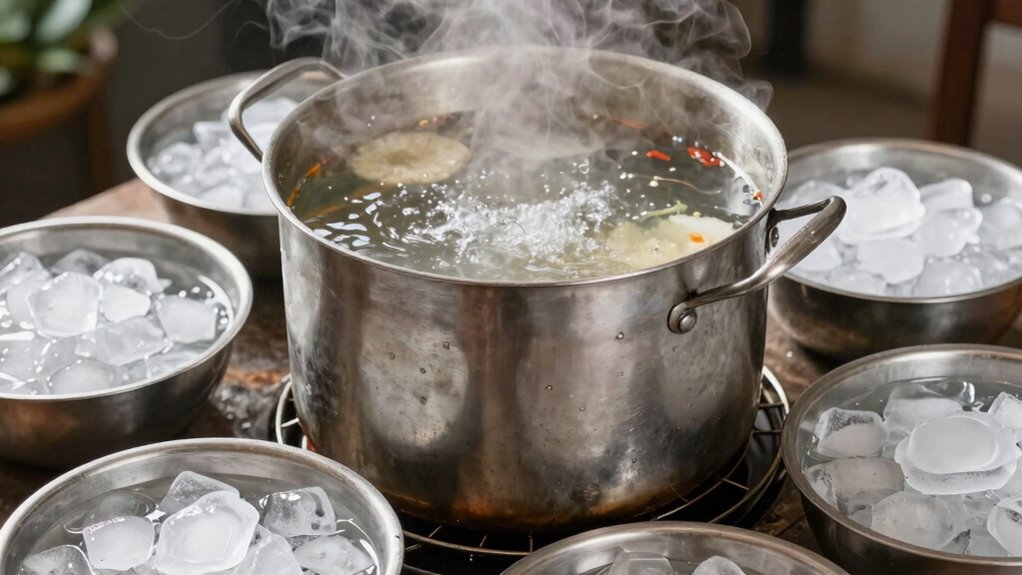
Using the right tools and techniques can make the process of cooling soup both faster and safer. Start with effective cooling methods like dividing hot soup into shallow pans or using ice baths, which increase surface area and speed up cooling. Stirring the soup occasionally helps distribute heat more evenly, aiding temperature control. Avoid leaving large pots at room temperature for too long, as this can promote bacteria growth. Using a food thermometer during cooling ensures you’re tracking temperature changes accurately. Employing smart‑home devices such as temperature sensors can help monitor cooling progress in real-time. Incorporating solar energy principles, such as increasing exposure to cooler environments, can further enhance cooling efficiency when feasible. Using these tools—shallow pans, ice baths, stirring, and thermometers—ensures your soup cools quickly and safely, reducing the risk of foodborne illness. Proper temperature control during cooling is essential to prevent dangerous bacterial growth, especially in large pots.
Common Mistakes When Cooling Large Pots of Soup
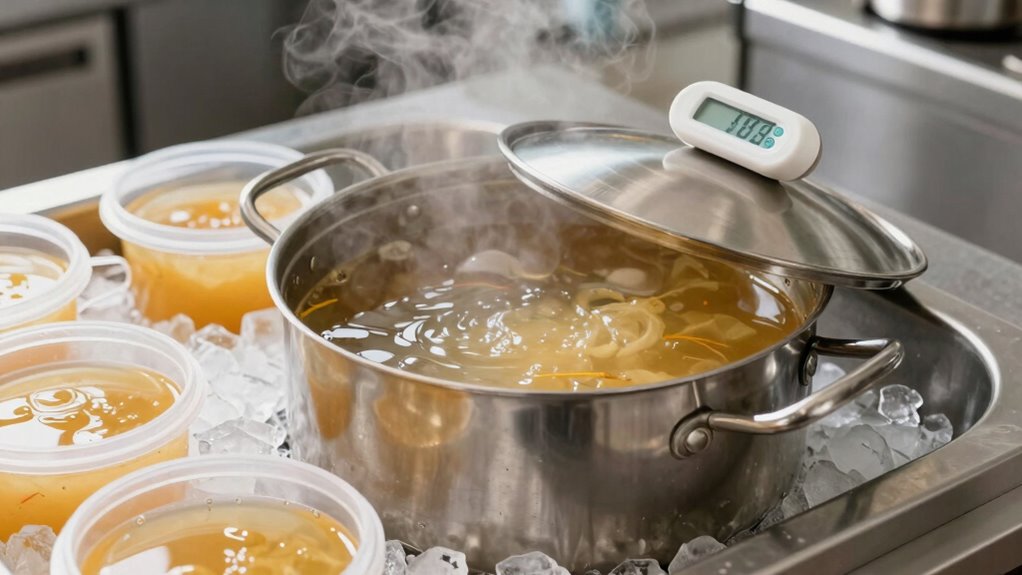
Cooling large pots of soup often leads to common mistakes that can compromise food safety. One mistake is leaving soup at room temperature too long, which encourages bacterial growth. To guarantee proper food storage, you might be tempted to transfer hot soup directly into the fridge in large quantities, but this traps heat and delays cooling. This not only risks spoilage but also impacts kitchen safety. Another error is not dividing the soup into smaller, shallow containers, which helps it cool faster and evenly. Failing to follow proper cooling methods can lead to unsafe leftovers and potential health hazards. Always prioritize quick, safe cooling to preserve food quality and keep your kitchen safe.
How Long Does It Take for Soup to Cool Properly?
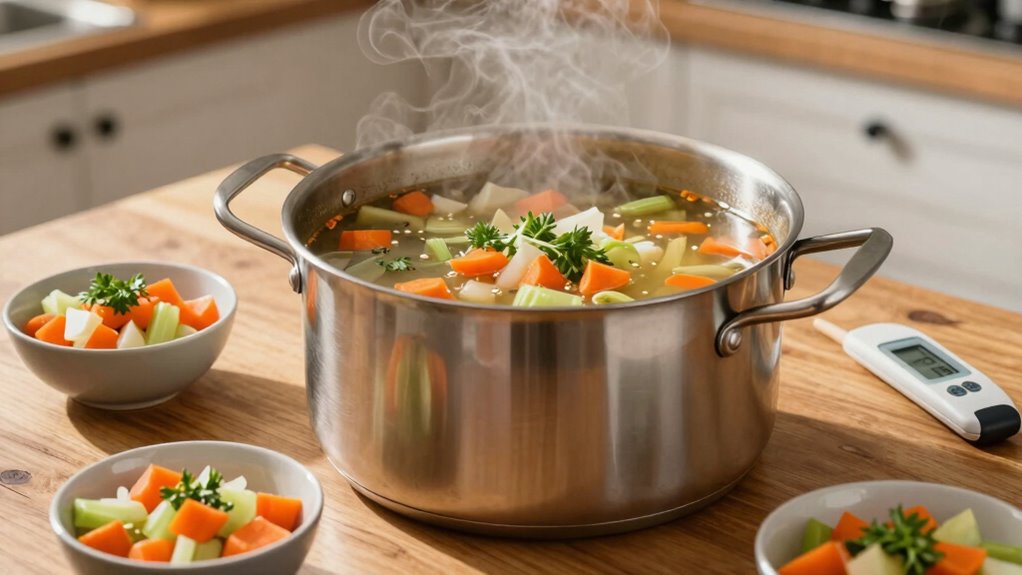
You need to know how quickly your soup should cool to stay safe. Using rapid cooling techniques helps bring it to a safe temperature range within the recommended time. Typically, it takes about 1 to 2 hours for soup to cool properly, depending on the method you choose.
Rapid Cooling Techniques
Properly cooling soup is essential to prevent bacterial growth, and doing it quickly can make all the difference. One effective technique is to transfer the hot soup into shallow containers and place them on cooling racks. This increases surface area, allowing heat to escape faster. Using ice packs around the containers further accelerates cooling by drawing heat away from the soup. Stirring the soup occasionally during this process helps distribute the temperature evenly. Avoid leaving the soup at room temperature for hours, as this increases risk. Instead, aim to bring the temperature down to the safe range within two hours. Rapid cooling methods like these keep your soup safe and ready for storage without compromising quality.
Safe Temperature Range
How long does it take for soup to reach a safe temperature range? Generally, hot soup should cool to below 70°F within two hours to guarantee temperature safety. Staying above this threshold encourages microbial growth, which can cause foodborne illnesses. To prevent this, you need to cool the soup quickly enough so the middle drops into the safe temperature zone promptly. If you leave soup at dangerous temperatures for too long, bacteria can multiply rapidly. Proper cooling techniques help you stay within the safe temperature range, reducing the risk of contamination. Remember, the goal is to get the soup into the temperature safety zone as fast as possible, then maintain it there until it’s properly stored or consumed.
Time Guidelines for Cooling
Cooling soup to a safe temperature promptly requires careful timing. According to food safety guidelines, you should aim to cool hot soup from 135°F to 70°F within two hours, and then from 70°F to 41°F within an additional four hours. This window prevents bacteria growth and keeps your soup safe to store. Kitchen tips suggest dividing large pots into smaller portions or using shallow containers to speed up cooling. Avoid leaving soup at room temperature for longer than two hours, especially in warm environments. Proper timing ensures your soup cools efficiently without risking food safety. Keep a timer handy, and check temperatures regularly to follow these guidelines precisely. This approach helps you maintain the quality and safety of your delicious leftovers.
Tips for Storing and Reheating Your Soup Safely
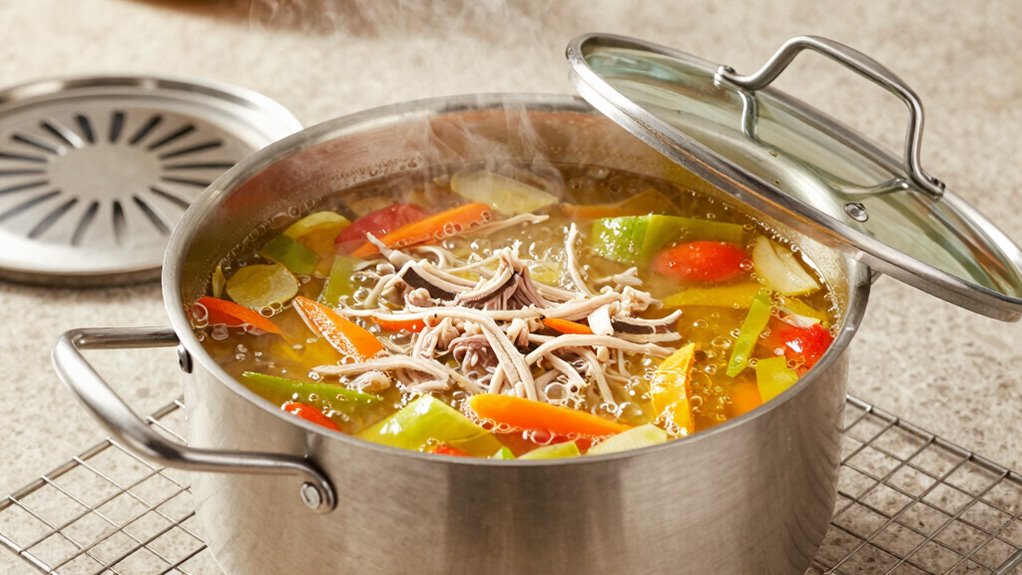
To keep your soup safe to enjoy later, maintaining proper storage and reheating it thoroughly is vital. Start by transferring cooled soup into shallow, airtight containers to promote even cooling and prevent bacteria growth. Label containers with dates to track freshness and avoid keeping leftovers too long. When reheating, ensure your soup reaches at least 165°F (74°C) to kill any lingering bacteria, which is essential for reheating safety. Use a microwave or stovetop, stirring frequently for even heat distribution. Never reheat soup multiple times, as this increases the risk of foodborne illness. Proper food storage combined with thorough reheating guarantees your soup remains safe and delicious for future enjoyment.
Frequently Asked Questions
Can I Leave Soup Out Overnight After Cooling?
No, you shouldn’t leave soup out overnight after cooling. For food safety, it’s best to refrigerate it within two hours of cooking. Use proper cooling techniques, like dividing large quantities into smaller containers, to help it cool quickly and evenly. Leaving soup out increases the risk of bacterial growth, which can cause foodborne illnesses. Always prioritize safe cooling and storage methods to keep your food safe.
Is It Safe to Reheat Soup Multiple Times?
You shouldn’t reheat soup multiple times because it risks food safety and compromises kitchen practices. Each reheating cycle increases the chance of bacterial growth, which can cause foodborne illnesses. To stay safe, reheat only what you’ll consume immediately, and keep the soup at proper temperatures. Proper food safety habits help prevent health issues and ensure your kitchen practices remain safe and effective.
What Temperature Should Soup Reach Before Refrigeration?
You should cool your soup to below 40°F (4°C) before refrigerating to guarantee food safety. Use effective cooling techniques like dividing the hot soup into smaller portions or placing it in shallow containers to speed up the process. Rapid cooling prevents bacterial growth and keeps your soup safe to reheat and consume later. Always refrigerate within two hours of cooking for ideal food safety.
How Does Altitude Affect Cooling Times?
Altitude effects can dramatically slow down your cooling speed, making it feel like your soup cools at a snail’s pace. Higher elevations reduce air pressure and boiling points, which can extend cooling times considerably. You might find it takes twice as long or more to cool your soup properly. To stay safe, use ice baths or divide hot liquids into smaller portions, helping counteract altitude effects and speed up cooling.
Are There Specific Containers Best for Cooling Large Soups?
You should choose shallow, wide containers made of materials like stainless steel or glass for cooling large soups. These containers increase surface area, helping heat escape faster. Avoid deep, narrow containers, which trap heat and slow cooling. Opt for smaller, multiple containers if possible, to speed up the process. Proper container size and material are essential to guarantee safe, quick cooling and prevent bacterial growth.
Conclusion
Mastering the art of cooling large pots of soup ensures you dodge foodborne illnesses like a pro. By following these simple steps, you’ll keep your soup safe and delicious, avoiding the chaos of a kitchen disaster. Remember, rushing the cooling process is like trying to tame a wildfire with a squirt gun—ineffective and risky. Stay vigilant, cool quickly, and enjoy your soup worry-free, knowing you’ve conquered the cooling challenge like a kitchen hero!