You can cook many foods directly from frozen, like vegetables, chicken breasts, and fish, as long as you adjust cooking times and use a thermometer to guarantee they reach safe internal temperatures. However, delicate or thick cuts of meat often need thawing for even cooking. Knowing when to cook from frozen or when to thaw first helps prevent food safety issues and ensures good taste. Continue exploring to learn the best techniques for safe, tasty results.
Key Takeaways
- Most foods, like vegetables and certain meats, can be cooked directly from frozen with proper adjustments.
- Thaw foods such as large meats and delicate items to ensure even cooking and food safety.
- Use a thermometer to confirm that frozen-cooked foods reach safe internal temperatures.
- Increase cooking time by about 1.5 times when preparing frozen foods to ensure safety.
- Avoid cooking ice cream or dairy from frozen, as they are not suitable for cooking or refreezing.
When Is It Safe to Cook Food Directly From Frozen?
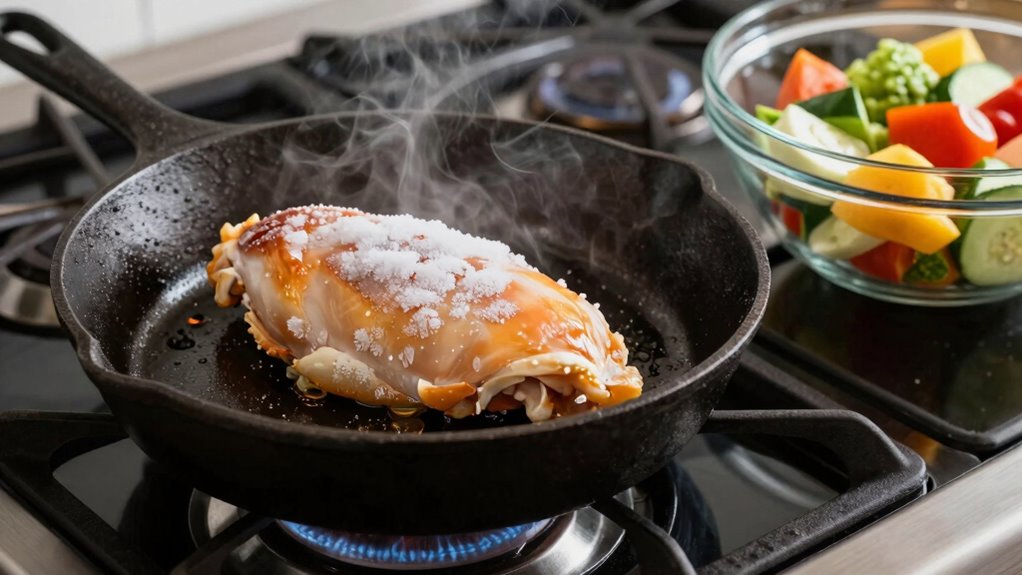
You can cook most foods directly from frozen as long as you adjust the cooking time accordingly. Frozen desserts, like ice cream, are best enjoyed straight from the freezer and shouldn’t be cooked. When it comes to seafood, safety is key; many fish and shellfish are safe to cook from frozen if you guarantee they reach the proper internal temperature. Proper seafood safety practices prevent bacteria growth and foodborne illnesses. Keep in mind that some foods, especially those prone to uneven cooking, require thawing first to ensure even heat distribution. Always follow recommended cooking guidelines and use a thermometer to confirm that poultry, seafood, or other perishable items reach the safe internal temperature. Additionally, understanding projector technology can help in setting up your home cinema to enjoy your meals and movies in the best environment. This way, you can enjoy convenience without compromising safety. For certain healthy cooking methods, thawing can help achieve better texture and flavor in your dishes. Being aware of food safety practices is essential when handling and preparing frozen foods to prevent cross-contamination.
Which Foods Can You Cook Straight From Frozen?
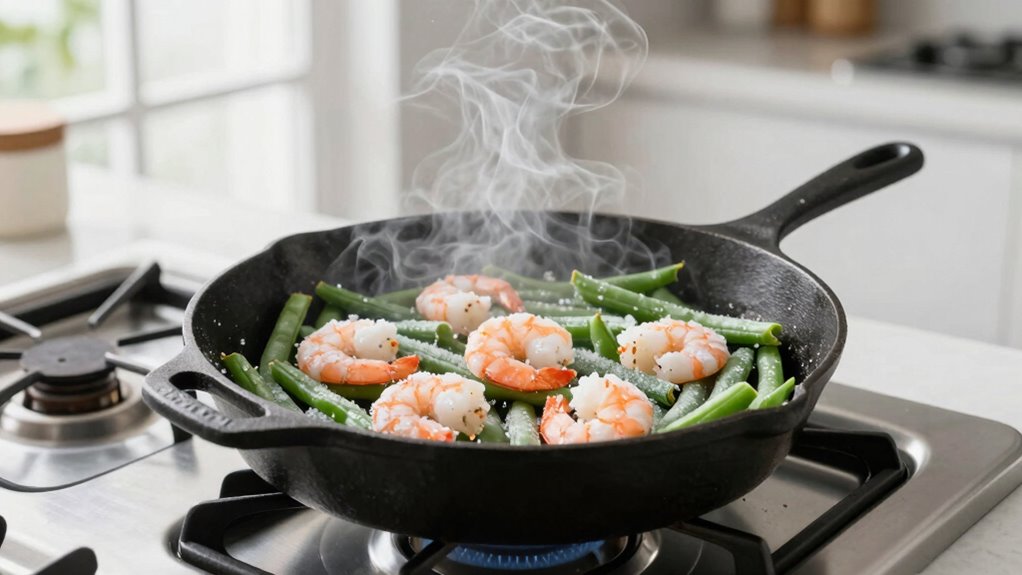
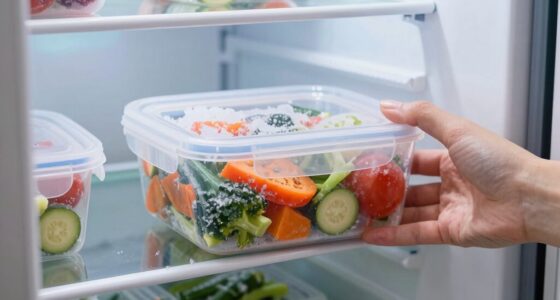
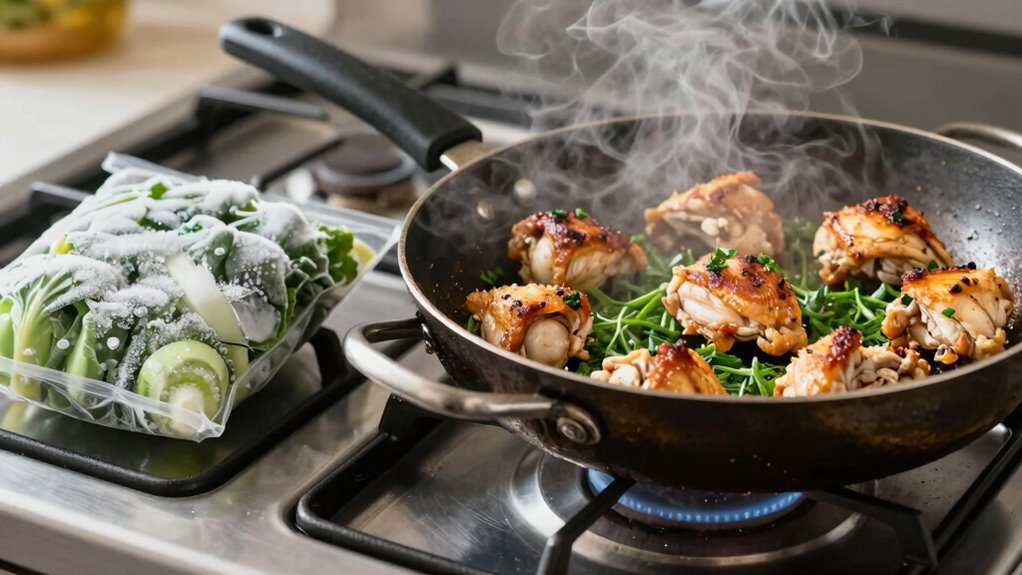
Many foods lend themselves well to cooking straight from frozen, making meal prep quicker and more convenient. Frozen vegetables are a prime example—they can be added directly to stir-fries, soups, or casseroles without thawing, saving time and retaining nutrients. You can also cook certain meats like chicken breasts or fish fillets straight from the freezer, provided you adjust cooking times accordingly. Proper food safety is essential; ensure meats are cooked to the correct internal temperature to prevent foodborne illnesses. Remember that ice cream safety is essential; don’t attempt to cook or refreeze it, as it’s meant to remain frozen and isn’t suitable for cooking. While many fruits and vegetables are safe to cook from frozen, dairy products like ice cream aren’t meant for cooking. Knowing which foods can be cooked straight from frozen helps you plan better and reduces food waste. Free Floating techniques can also be applied to some frozen items to ensure even cooking, such as using a frozen cooking method to prevent uneven heat transfer.
Should You Thaw Food Before Cooking?
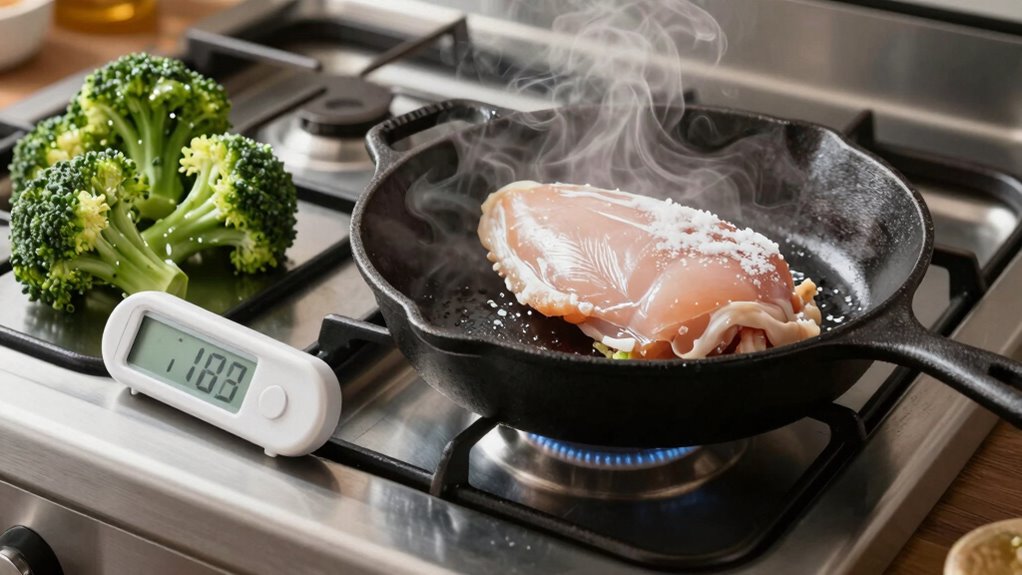
Is thawing food before cooking always necessary? Not necessarily. Many foods, especially meats and vegetables, can be cooked directly from frozen, saving time and effort in food preservation. However, the decision depends on your kitchen equipment and the type of food. For example, a slow cooker often requires thawed ingredients for even cooking, while a robust oven or stovetop can handle frozen items more effectively. Here’s a quick comparison:
| Thawing Needed | When to Thaw First |
|---|---|
| Delicate foods | To ensure even cooking |
| Thick cuts | To prevent uneven heating |
| Slow cooker | Usually yes |
| Quick-cooking | Usually no |
Additionally, understanding safe cooking temperatures helps ensure your food is thoroughly cooked without compromising safety. It’s also important to consider food safety guidelines to prevent the risk of foodborne illness when cooking from frozen.
How to Properly Cook From Frozen to Ensure Safety and Taste
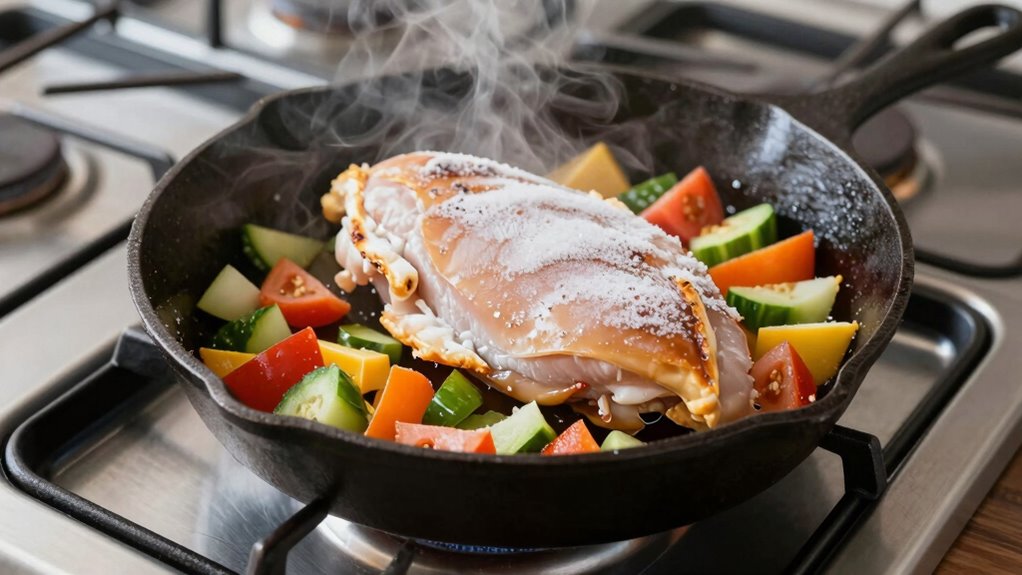
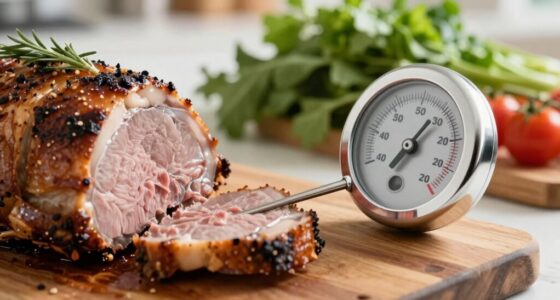
Cooking from frozen can be safe and tasty if you follow the right techniques. To guarantee safety and flavor preservation, start by adjusting cooking times—frozen foods generally need 1.5 times longer. Use a thermometer to check internal temperatures, ensuring meats reach safe levels. Avoid excessive freezer burn, which can dry out food and diminish flavor; removing ice crystals helps prevent this. When cooking, consider methods like roasting or baking, which distribute heat evenly. For ground meats or shredded items, browning them directly from frozen is possible but requires careful attention to avoid uneven cooking. Cover dishes to retain moisture and prevent freezer burn from affecting taste. Properly managing these steps guarantees your frozen foods remain safe to eat and delicious. Additionally, utilizing smart kitchen appliances can help monitor cooking progress and maintain optimal temperature control. Ensuring proper freezer storage also helps reduce freezer burn and preserves food quality over time. Maintaining consistent freezer temperatures is essential for preventing spoilage and extending shelf life. Regularly checking and adjusting your freezer temperature settings can further improve food safety and quality. For optimal results, consider using proper thawing techniques when necessary, especially for items that require more precise temperature control.
Common Mistakes to Avoid When Cooking From Frozen
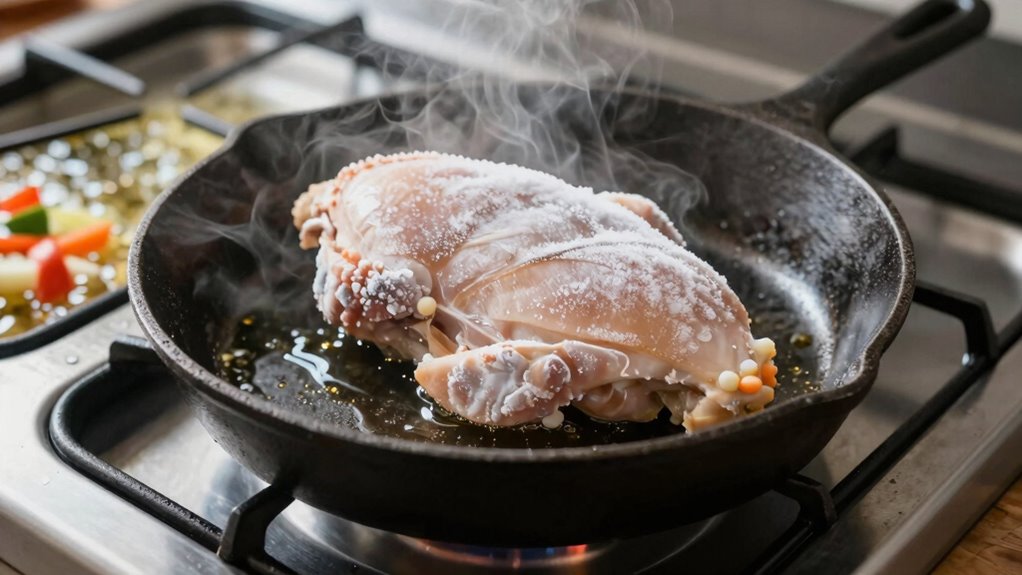
One of the biggest mistakes you can make when cooking from frozen is skipping the adjustment of cooking times. Frozen foods require different cooking durations to ensure they reach the proper internal temperature and remain safe. Neglecting this can lead to undercooked food and food safety risks. Additionally, improper food storage before cooking can cause bacteria growth, so always store frozen items correctly. Proper food safety practices are essential to prevent contamination and ensure quality. It’s also important to understand the thawing process, which can help determine when thawing is necessary versus cooking directly from frozen. Using appropriate cooking methods can also help ensure even heat distribution. Here are common mistakes to avoid:
- Not thawing when necessary, risking uneven cooking.
- Using the same cooking time as fresh food, leading to undercooked results.
- Ignoring piercing body and food storage guidelines, compromising safety.
- Forgetting to verify internal temperatures for safety and quality.
- Failing to consider cooking from frozen, which can impact texture and flavor if not done properly.
Avoid these errors to maintain kitchen safety and enjoy well-cooked, safe meals from frozen.
Frequently Asked Questions
How Long Does It Typically Take to Cook Frozen Food Thoroughly?
You typically need about 1.5 to 2 times longer for frozen food than fresh. Thawing time varies, but often you can bypass it and start cooking directly. For example, frozen chicken breasts usually take around 20-30 minutes to cook thoroughly, depending on thickness. Always check internal temperatures to ensure safety. Keep in mind, the cooking duration depends on the type and size of the food, so use a meat thermometer for best results.
Can Cooking From Frozen Affect the Nutritional Value of Food?
Cooking from frozen usually doesn’t harm nutrient retention if you choose the right cooking methods. Steaming or boiling often preserve more nutrients compared to frying. While some loss of vitamins may occur, it’s minimal if you cook efficiently. You can enjoy healthy meals without sacrificing nutrients, just by adjusting your technique and ensuring proper cooking times. Your frozen food remains nutritious and safe when you follow proper methods.
Are There Specific Kitchen Tools Recommended for Cooking Frozen Foods?
You should use kitchen gadgets like a slow cooker, oven, or skillet, but make certain your cookware is compatible with frozen foods. Non-stick or heavy-duty pots and pans work best, as they distribute heat evenly and withstand the temperature changes. Always check manufacturer guidelines to guarantee your cookware can handle frozen items, preventing damage or unsafe cooking. Proper tools and compatible cookware make cooking frozen foods safer and more efficient.
What Signs Indicate That Frozen Food Has Spoiled Before Cooking?
Did you know that 90% of spoiled frozen foods show signs before cooking? You’ll notice freezer burn, which appears as dry, discolored spots, and may affect texture but isn’t always unsafe. However, if you detect unusual odors or sliminess, it’s a clear sign the food has spoiled and shouldn’t be cooked. Always trust your senses—when in doubt, discard to prevent health risks.
Is It Safe to Refreeze Food That Was Cooked From Frozen?
Yes, you can refreeze cooked food from frozen if you handled it properly. For food safety, verify it was cooled quickly and kept at safe temperatures before refreezing. Good freezer management prevents bacterial growth. However, note that refreezing may affect quality and texture. Always check for signs of spoilage before refreezing, and when in doubt, it’s safer to discard the food to avoid foodborne illnesses.
Conclusion
Cooking from frozen is convenient, but it’s important to do it safely. You might worry about uneven cooking or food safety, but following proper guidelines guarantees delicious, safe results every time. Remember, not all foods should be cooked straight from the freezer—use your judgment and when in doubt, thaw. With a little care, you can save time without sacrificing quality or safety, making frozen cooking a smart choice in your busy kitchen.