When you overcook shrimp, their proteins tighten and squeeze out moisture, making the flesh tough, dense, and rubbery. This happens quickly because shrimp can go from perfect to overdone in less than two minutes, especially if exposed to high heat. To avoid this, monitor color changes and remove them as soon as they turn pink and firm. For more tips on keeping shrimp tender, keep looking—you’ll find simple tricks to perfect your seafood every time.
Key Takeaways
- Overcooked shrimp proteins tighten and denature, squeezing out moisture and causing a dry, rubbery texture.
- Rapid cooking (less than 2 minutes) and high heat accelerate protein changes, leading to toughness.
- Shrimp reach optimal tenderness at about 120°F (49°C); exceeding this causes firmness and chewiness.
- Removing shrimp immediately after they turn pink and firm prevents overcooking and preserves juiciness.
- Using gentle cooking techniques and monitoring color and texture helps avoid rubbery results.

Alpha Grillers Meat Thermometer Digital – Instant Read Food Thermometer for Cooking & Grilling – Professional Kitchen Gifts for Men, Dad & Mom
Instant Read Food Thermometer | Our instant read thermometer features a temperature probe and advanced, highly accurate technology…
As an affiliate, we earn on qualifying purchases.
As an affiliate, we earn on qualifying purchases.
Why Does Overcooked Shrimp Turn Rubber?

When shrimp overcook, their texture changes dramatically, turning from tender to rubbery. This texture change is mainly due to moisture loss. As heat continues, the proteins in the shrimp tighten and squeeze out water, causing the flesh to become dry and tough. When moisture escapes, the shrimp lose their natural juiciness, resulting in a dense, chewy texture. Overcooking accelerates this process, making it nearly impossible to enjoy the delicate, succulent bite that perfectly cooked shrimp offer. The rapid moisture loss leads to the rubbery, hard consistency many people associate with overdone shrimp. To avoid this, you need to monitor cooking carefully, as even a slight excess of heat can cause significant texture changes and moisture loss. Additionally, understanding the cooking process helps in achieving optimal results and preventing overcooking. Proper temperature control is essential to preserve the shrimp’s natural moisture and ensure a tender, enjoyable texture.

ADORAMBLING 2PC Shrimp Deveiner Tool Stainless Steel Shrimp Deveining Tool Efficient Shrimp Peeler and Deveiner Tool Portable Shrimp Cleaner Shrimp Knife for Easy Shrimp Deveining Shrimp Cleaning Tool
【Multifunctional Cleaning and Pretreatment】:Set of 2 shrimp deveiner tool makes it easier and faster to clean and pretreat…
As an affiliate, we earn on qualifying purchases.
As an affiliate, we earn on qualifying purchases.
How Fast Does Shrimp Go From Perfect to Overdone?
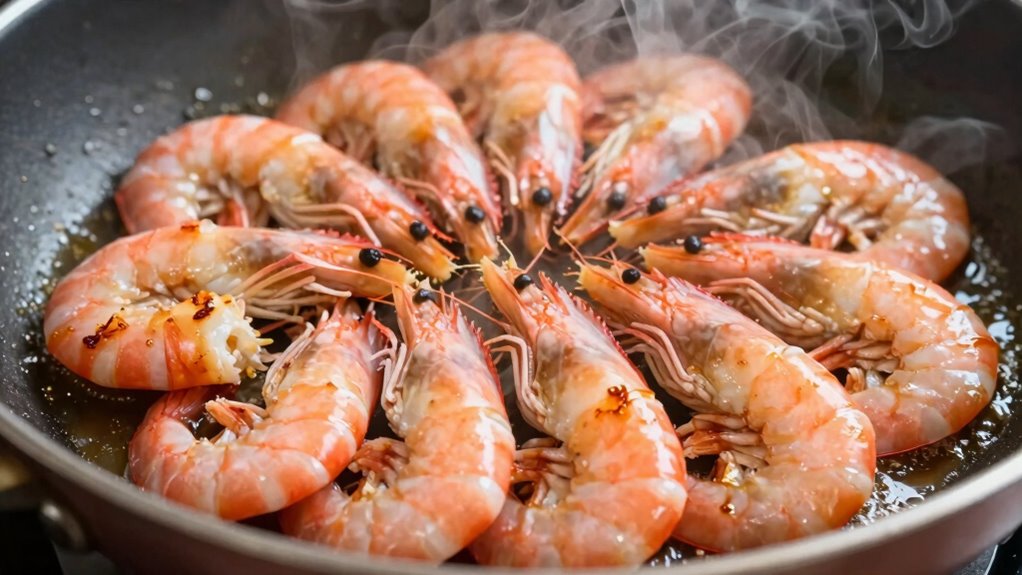
Shrimp can go from perfectly cooked to overdone in just a matter of minutes if you’re not paying close attention. The key factor is how quickly shrimp’s texture deteriorates once it hits the right cooking temperature. Typically, shrimp reach their ideal texture at around 120°F (49°C), becoming firm yet tender. Beyond that, they can quickly become tough and rubbery as the heat continues to rise. The shift from perfect to overcooked can happen in less than two minutes once you pass the optimal temperature. If you see the shrimp turning opaque and starting to curl tightly, it’s a sign they’re nearing overcooking. Staying attentive to cooking time and temperature guarantees your shrimp stays tender, not rubbery. Understanding the ideal temperature range helps you master the art of perfectly cooked shrimp every time. Additionally, using a reliable cooking thermometer ensures precision, preventing you from accidentally surpassing the optimal temperature. Being aware of cooking techniques can further help you avoid overcooking.

SLOTTET Hybrid 12-Inch Wok with Steamer,Nonstick Stainless Steel Woks & Stir-fry pans with Lid,Stay-Cool Handle,PFOA Free Cookware,Dishwasher and Oven Safe, Works on Induction
Innovated Etching Technology:Manufactured in high-quality stainless steel with coating 10 time the durability which offer resistance to scratch…
As an affiliate, we earn on qualifying purchases.
As an affiliate, we earn on qualifying purchases.
What Happens at the Molecular Level When Shrimp Overcooks?
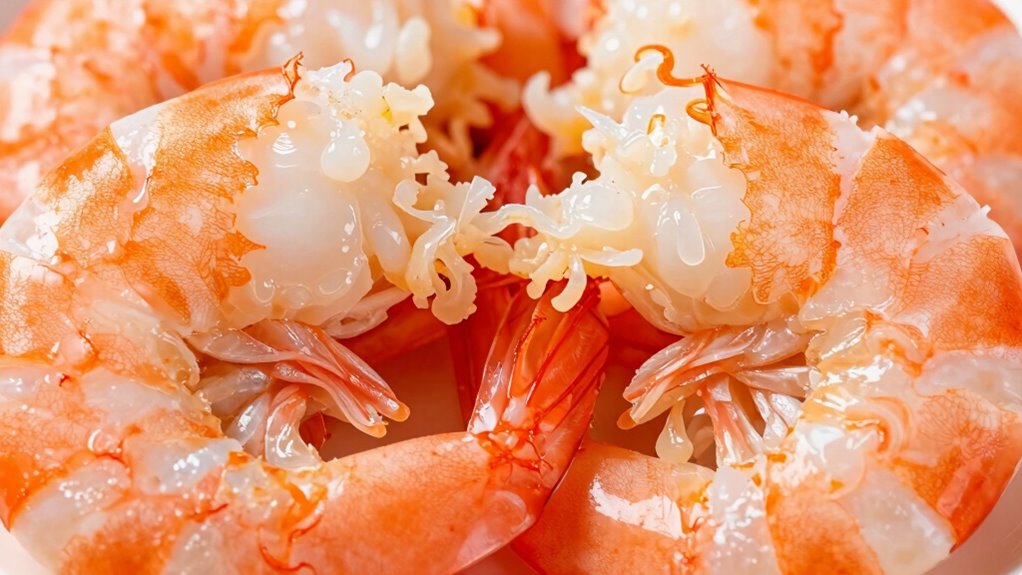
When you overcook shrimp, the heat causes proteins to denature, changing their structure and leading to a rubbery texture. Collagen, which helps keep the shrimp tender, tightens up and loses its flexibility. As a result, the shrimp becomes firm and less enjoyable to eat. Understanding protein denaturation explains why controlling cooking time is essential to maintaining shrimp’s delicate texture.
Protein Denaturation Process
As heat penetrates the shrimp, the proteins inside begin to unfold and lose their natural structure. In marine biology, we comprehend that proteins are chains of amino acids tightly coiled in their natural state. When you cook seafood using various techniques, heat causes these chains to unravel—a process called denaturation. As the proteins unfold, they form new bonds with each other, creating a tighter, more rigid network. This change explains why overcooked shrimp becomes rubbery: the proteins squeeze out moisture and tighten, squeezing water out of the muscle cells. Your cooking technique, especially if too aggressive or prolonged, accelerates this process. Protein structure understanding helps clarify why controlling heat is essential for perfect seafood.
Collagen and Texture
Overcooking shrimp causes the collagen fibers within their connective tissues to break down and shrink. When this happens, the structure that once kept the shrimp tender starts to change. Collagen breakdown releases water, leading to moisture loss, which results in a firmer, rubbery texture. Initially, proper cooking keeps collagen intact enough to support shrimp tenderness. But as you overcook, the collagen contracts excessively, squeezing out water and making the meat dense and tough. This process explains why overcooked shrimp feels rubbery and loses its delicate bite. The molecular change from collagen breakdown alters the texture dramatically, transforming what should be a soft, succulent bite into a chewy, unappetizing experience. Proper cooking methods help maintain collagen integrity, ensuring the shrimp remains tender and flavorful, especially when understanding the molecular processes involved in cooking meats.

60 Minute Wind Up Timer, Visual Mechanical Timer with Loud Alarm, Manual Countdown Timers for Classroom, Home, Study and Cooking (White)
【No Battery Required & Easy to Use】 The mechanical kitchen timer doesn’t require any batteries, it is energy…
As an affiliate, we earn on qualifying purchases.
As an affiliate, we earn on qualifying purchases.
Quick Tips: How to Cook Shrimp Perfectly in 60 Seconds
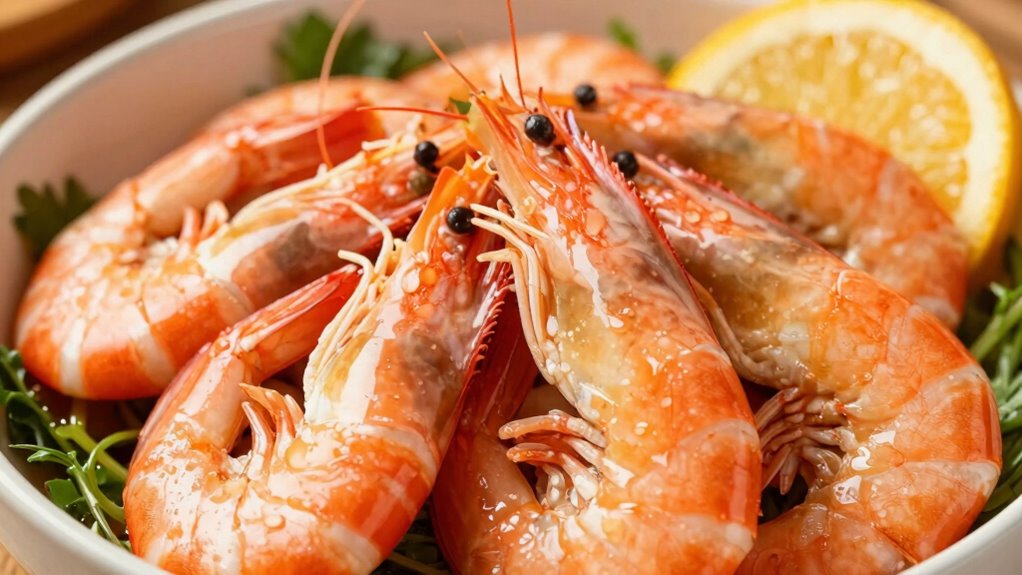
Getting shrimp just right in 60 seconds is all about perfect timing. You’ll want to watch for that pink color and firm texture to avoid overcooking. With these quick tips, you can prevent rubbery results and enjoy tender, juicy shrimp every time. For best results, use a trusted cooking method that ensures even heat distribution. Additionally, paying attention to cooking times helps prevent overcooking and preserves the shrimp’s natural juiciness.
Perfect Shrimp Timing
Cooking shrimp perfectly in just 60 seconds is all about timing and attention. To enhance shrimp flavor, keep an eye on how quickly they turn opaque and curl into a C-shape. Use the right cooking utensils—preferably a non-stick pan or a wide skillet—to guarantee even heat distribution. Preheat your pan so that the shrimp cook swiftly without sticking or overcooking. Once you add the shrimp, stir or flip them constantly to cook evenly. As soon as they turn pink with firm, slightly translucent centers, remove them from heat immediately. Understanding heat transfer is crucial for controlling cooking speed and avoiding overcooking. Timing is vital; overcooking even by a few seconds turns tender shrimp rubbery. Paying close attention to detail during the cooking process helps prevent overcooking and ensures optimal texture. Additionally, being aware of shrimp size and thickness can help you adjust cooking times for consistent results. With practice, you’ll develop a feel for the perfect moment to pull them off, guaranteeing juicy, flavorful results every time. Paying attention to fundamentals like heat control and timing and understanding cooking science will help you achieve consistent, delicious results.
Avoid Overcooking Mistakes
To avoid overcooking shrimp, stay attentive to their changing color and texture. Proper heat control and watching the cooking duration are key. Overcooking leads to rubbery, tough shrimp, so act quickly. Keep these tips in mind:
- Monitor the clock: Shrimp cook fast—about 2-3 minutes per side—so set a timer.
- Adjust heat carefully: Medium-high heat is ideal; too hot, and they’ll overcook quickly.
- Watch for color: Shrimp turn from translucent gray to pink and opaque; remove them immediately once this happens.
Mythbusting: Common Myths About Overcooked Shrimp

Many people believe that overcooked shrimp become tough and rubbery every time, but this isn’t always true. The shrimp flavor can sometimes remain surprisingly good if you use the right cooking methods. Overcooking often depends on factors like size, temperature, and timing, not just duration. For example, quick boiling or sautéing can prevent rubberiness if done properly. Here’s a breakdown:
| Cooking Method | Effect on Shrimp | Impact on Flavor |
|---|---|---|
| Boiling | Fast, tender | Preserves flavor |
| Grilling | Can dry out | Adds smoky taste |
| Steaming | Keeps moist | Maintains freshness |
| Pan-frying | Quick, crispy | Enhances flavor |
| Poaching | Gentle, tender | Keeps delicate flavor |
Simple Tricks to Keep Shrimp Tender and Juicy
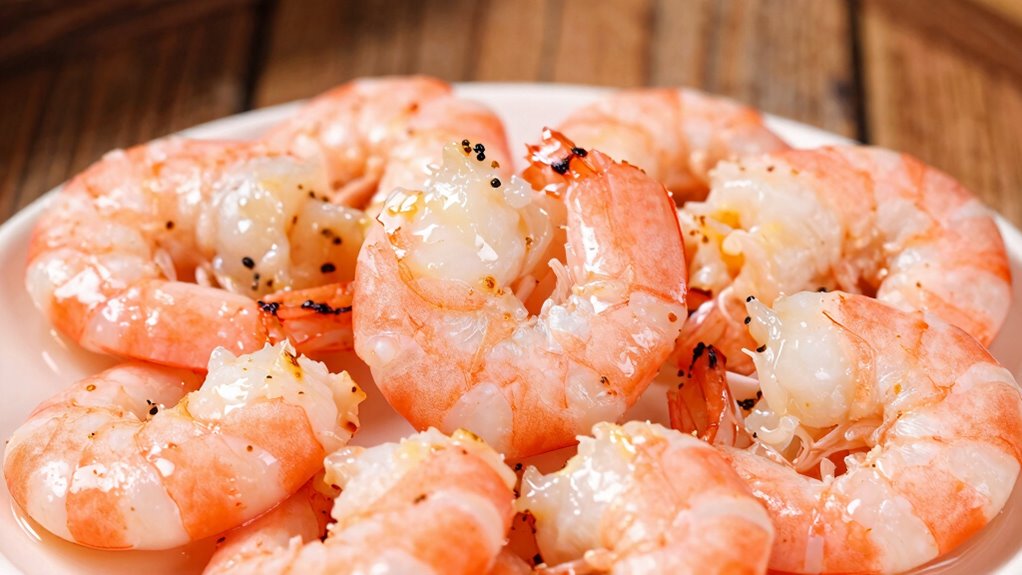
Keeping shrimp tender and juicy hinges on simple but effective techniques that prevent overcooking and moisture loss. First, pay close attention to cooking temperature—shrimp cook quickly, so keep it moderate to avoid toughening. Second, ensure your seafood is fresh; fresher shrimp are naturally more resilient and easier to keep tender. Third, remove the shrimp from heat as soon as they turn opaque, since residual heat continues to cook them. These small steps can make a huge difference in texture. Remember, controlling cooking temperature and prioritizing seafood freshness are your best allies in avoiding rubbery results. With these tricks, you’ll enjoy perfectly tender, juicy shrimp every time, no matter how busy the kitchen gets.
Troubleshooting: What to Do If Your Shrimp Turns Rubber
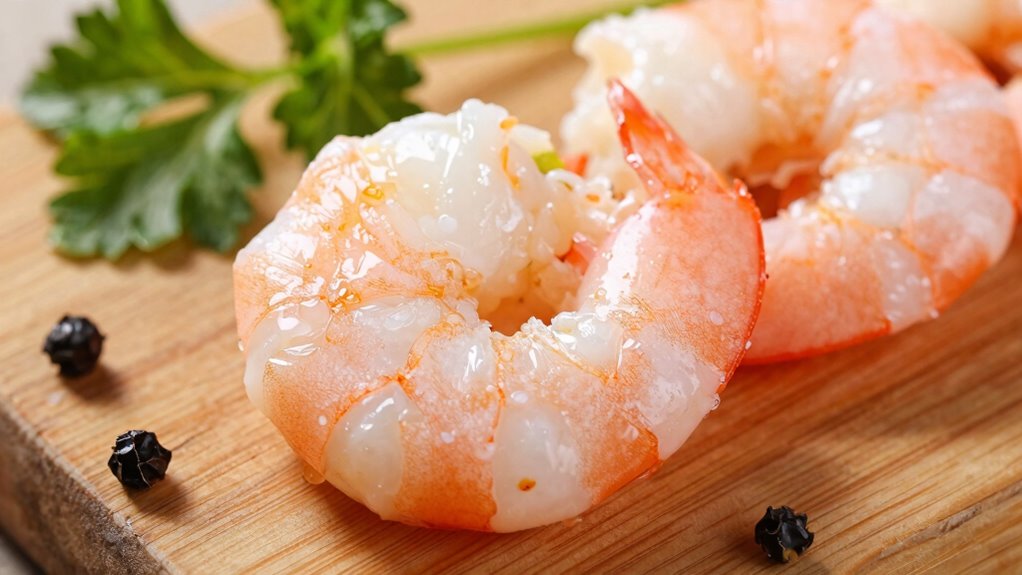
When your shrimp turns rubbery, it’s usually a sign they’ve been overcooked or exposed to high heat for too long. To salvage them, try gentle cooking techniques like simmering in a flavorful broth for a few minutes, which can help restore moisture and improve texture. If they’re too tough to fix, consider slicing the shrimp thinly and incorporating them into dishes like salads or stir-fries, where the texture is less noticeable. You can also enhance their flavor by adding a splash of citrus or a tangy sauce to distract from the rubbery consistency. Remember, overcooked shrimp lose their delicate bite quickly, so next time, remove them from heat promptly to prevent further damage and optimize flavor.
Frequently Asked Questions
Can Marinade or Seasoning Affect Shrimp’s Cooking Time?
Yes, marinade effects and seasoning influence can affect shrimp’s cooking time. Acidic marinades, like lemon juice or vinegar, tenderize shrimp, potentially reducing cooking time. Seasonings such as salt can draw out moisture, slightly altering how quickly shrimp cooks. Keep in mind, marinating or seasoning too early might speed up cooking, so monitor your shrimp closely to prevent overcooking and maintain the perfect tender texture.
Is Frozen Shrimp More Prone to Overcooking Than Fresh?
Ever wonder if frozen shrimp is more prone to overcooking than fresh? It actually can be, because frozen shrimp often has a different texture and moisture content, affecting cooking time. You might find that frozen shrimp cooks faster or unevenly if not thawed properly. To avoid rubbery results, pay close attention to the cooking time, whether you’re working with frozen or fresh. Proper thawing helps make sure perfect, tender shrimp every time.
Does the Size or Type of Shrimp Change Cooking Duration?
Yes, shrimp size and type affect cooking time. Larger shrimp, like king or tiger, take longer to cook than smaller ones like bay or salad shrimp. The shrimp type also influences cooking because different breeds have varying textures and thicknesses. To avoid overcooking, keep an eye on the shrimp’s color and texture, adjusting your cooking time based on their size and type to achieve perfectly tender, juicy results.
How Does Altitude Impact Shrimp Cooking Speed?
Altitude effects can slow down your shrimp’s cooking speed because higher elevations reduce boiling point temperatures. As you cook at altitude, water boils at lower temperatures, meaning it takes longer for your shrimp to reach a safe, tender state. To adapt, increase cooking time or use a thermometer to ensure proper doneness. Keep an eye on the shrimp, and don’t rely solely on timing—altitude can change how quickly your seafood cooks.
Are There Specific Cookware Types That Prevent Overcooking?
You might think certain cookware prevents overcooking, but it’s more about how you use your cooking appliances and the right materials. Non-stick pans and heavy-bottomed cookware offer better heat control, reducing the risk of overcooking shrimp. Ceramic or cast iron cookware distributes heat evenly, helping you keep shrimp tender. Always monitor cooking time and temperature, regardless of the cookware type, to avoid rubbery results.
Conclusion
Mastering the art of cooking shrimp is like taming a wild stallion—you need patience and timing. With these quick tips, you’ll avoid the rubbery trap and turn out tender, juicy shrimp every time. Remember, overcooking is like chasing shadows—once gone, you can’t get it back. So keep a close eye, act fast, and enjoy seafood perfection that’s more dance than drama on your plate.